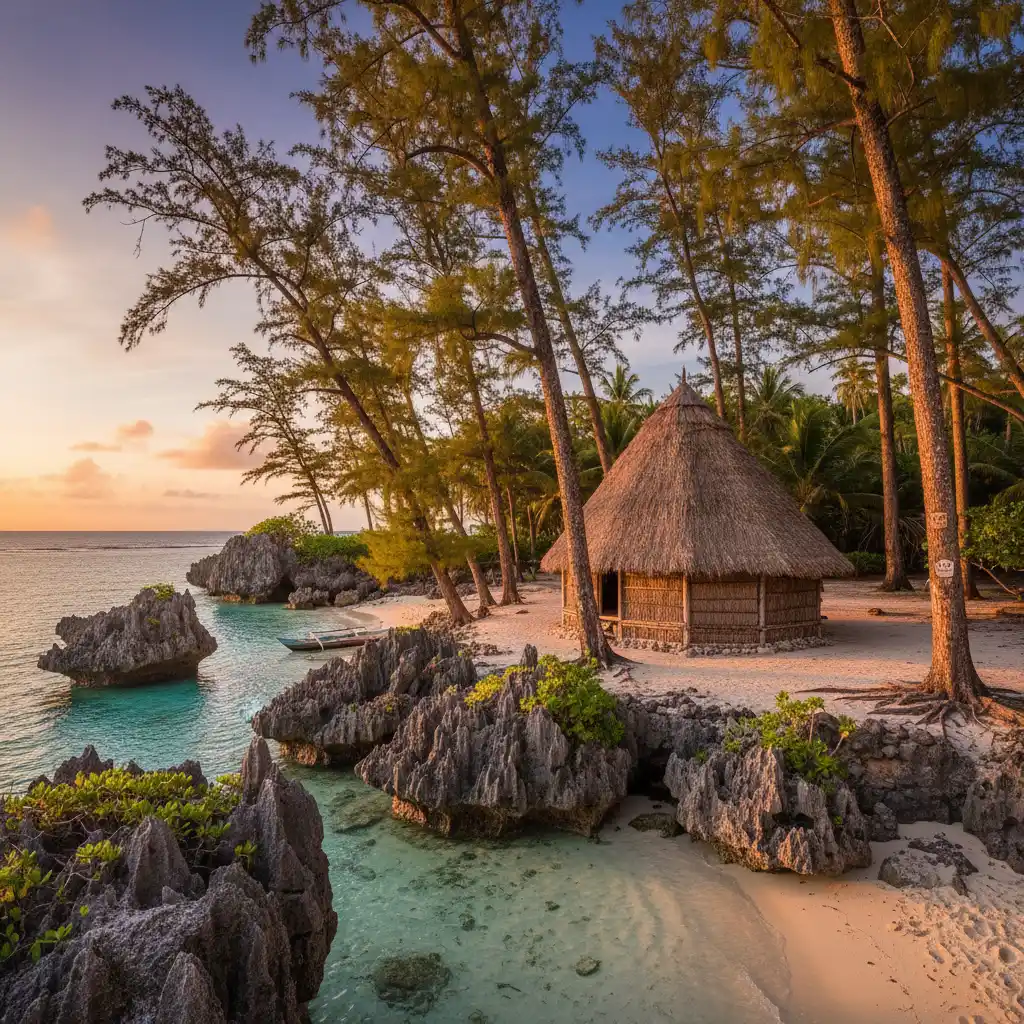
The best things to do in Lifou, New Caledonia, include snorkeling the pristine coral reefs of Jinek Bay Marine Reserve, exploring the dramatic Cliffs of Jokin, and relaxing on the white sands of Luecila Beach. Visitors should also tour a local vanilla plantation to experience the island’s rich agricultural heritage and Kanak culture.
Lifou, the largest and most populous of the Loyalty Islands, offers a perfect blend of Melanesian culture and breathtaking natural beauty. Known as Drehu in the local language, this coral atoll is a dream destination for travelers seeking authenticity. Whether you are arriving via a cruise ship from New Zealand or taking the short domestic flight from Nouméa (having arranged your Arrival Logistics: Tontouta Airport to Noumea), Lifou provides an escape into a world of turquoise lagoons, limestone caves, and warm hospitality. This guide explores the essential activities that define the Lifou experience.
What makes Jinek Bay Marine Reserve a must-visit?
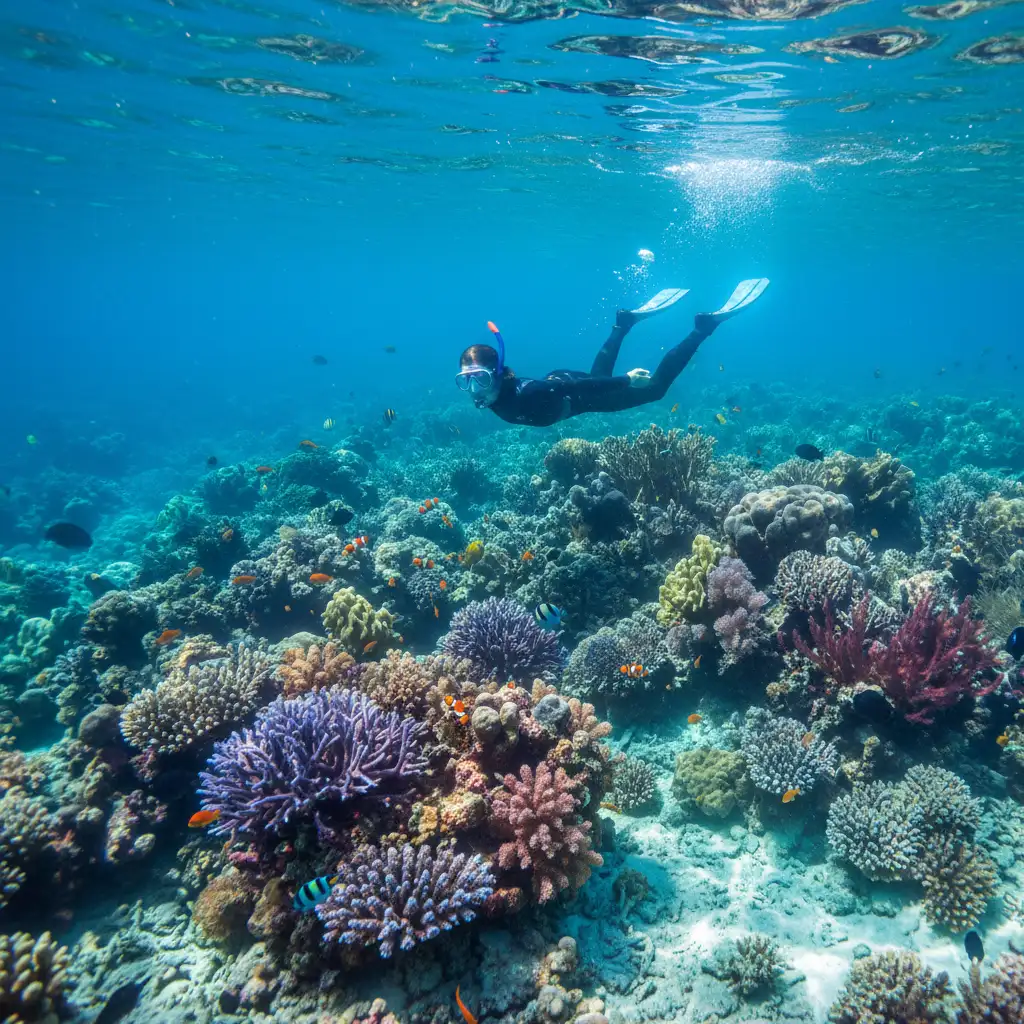
Jinek Bay Marine Reserve is widely considered one of the premier snorkeling locations in the South Pacific. Unlike open ocean snorkeling, Jinek Bay functions almost like a natural aquarium. The coral formations here are dense, diverse, and situated in shallow, calm waters, making it accessible for swimmers of various skill levels.
The Snorkeling Experience
Upon entering the water via the designated wooden staircases, you are immediately greeted by a kaleidoscope of marine life. The visibility often exceeds 20 meters, allowing for crystal-clear views of massive coral bommies, parrotfish, butterflyfish, and occasionally sea turtles. The bay is protected, meaning the water remains tranquil, which is ideal for underwater photography.
Conservation and Entry Passes
To protect the fragile ecosystem, the local community limits the number of visitors allowed in the water at any one time. If you are visiting via a cruise ship, it is imperative to book your “Nature Pass” early, as slots sell out quickly. Independent travelers should head to the bay early in the morning to secure entry. The fee contributes directly to the maintenance of the reserve and the local tribe’s conservation efforts.
Where can you see Vanilla Plantations in Lifou?
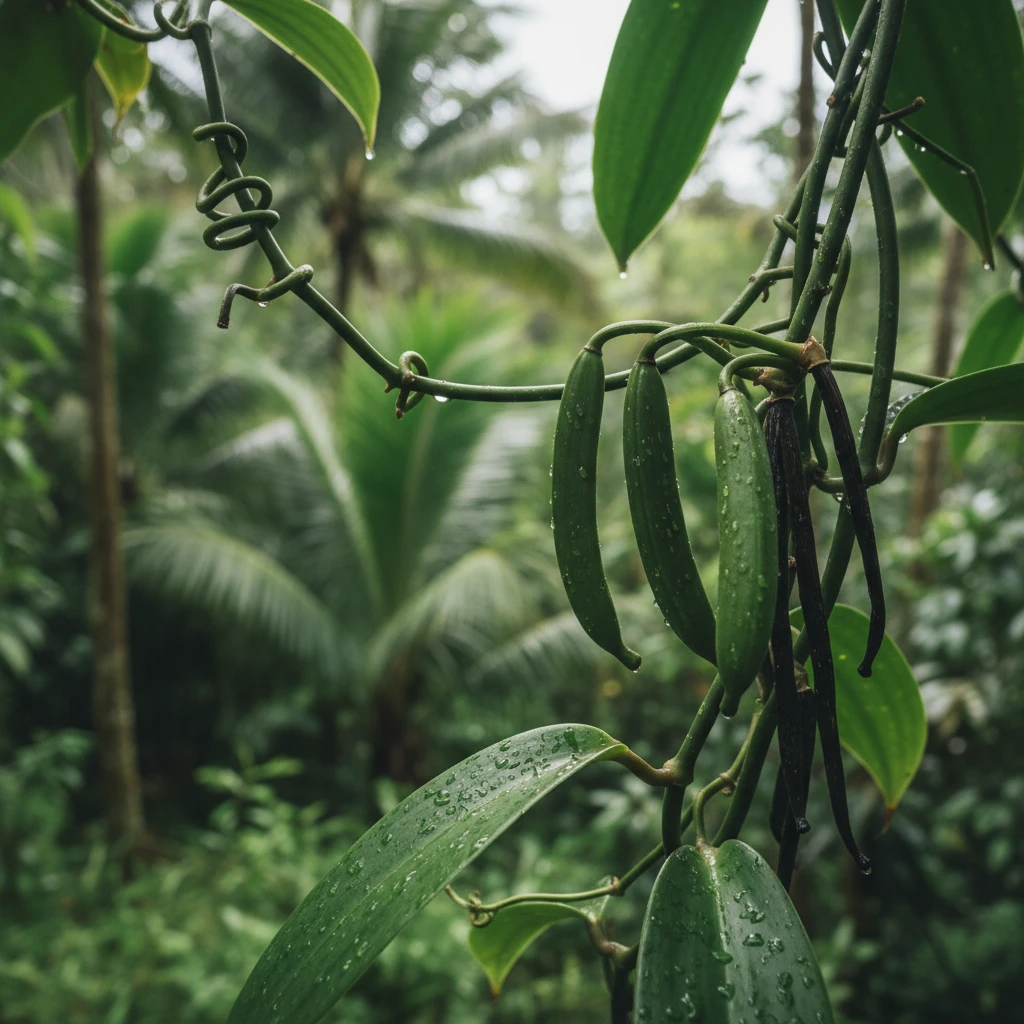
New Caledonia, and Lifou specifically, produces some of the world’s most aromatic vanilla. Visiting a vanilla plantation is not just an agricultural tour; it is a lesson in patience and precision. The micro-climate of the Loyalty Islands is perfect for growing Vanilla planifolia, and the industry is a source of immense pride for the locals.
The “Brown Gold” of the Loyalty Islands
The plantations are typically concentrated in the southern part of the island, particularly around the Mou district. Here, you can visit small, family-run operations where the owners personally guide you through the forest.
Understanding the Process
During a tour, you will learn about the labor-intensive process of vanilla cultivation. Because the Melipona bee (the natural pollinator of vanilla) is native to Mexico, every single vanilla orchid in Lifou must be hand-pollinated. This delicate procedure must be done in the morning when the flower opens. Following the harvest, the beans undergo a lengthy process of scalding, sweating, and drying to develop their signature complex flavor profile. Visitors can often purchase high-quality vanilla pods or essence directly from the farmers, which makes for an exceptional souvenir.
Why visit the Cliffs of Jokin?
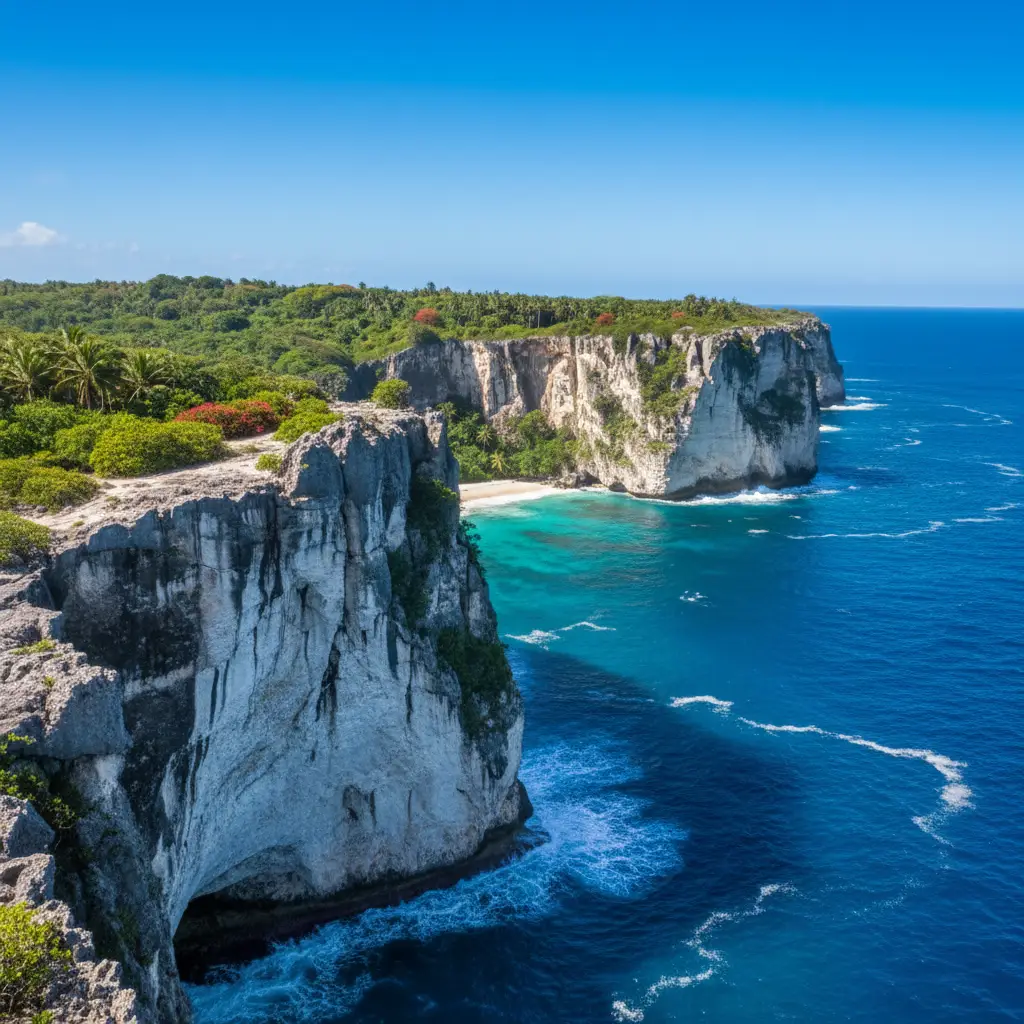
While Lifou is an atoll, it is an uplifted coral atoll, which creates dramatic geological features unlike the low-lying islets found elsewhere in the Pacific. The Cliffs of Jokin, located on the northern tip of the island, offer the most spectacular example of this geology.
Panoramic Views and Geological History
Standing at the top of the cliffs, you are approximately 40 meters above sea level. The view looks out over the vast Pacific Ocean, where the deep indigo water crashes against the base of the fossilized coral limestone. The contrast between the lush green vegetation atop the cliffs and the stark white rock face is stunning.
The Descent to the Water
For the adventurous, a steep staircase has been carved into the cliff face, leading down to the water’s edge. While swimming here is reserved for strong swimmers due to the currents and waves, the snorkeling at the base of the cliffs is renowned for larger pelagic fish and exceptional visibility. Even if you do not swim, the walk down provides a unique perspective of the geological strata that form the island.
Is Luecila Beach the best beach in Lifou?
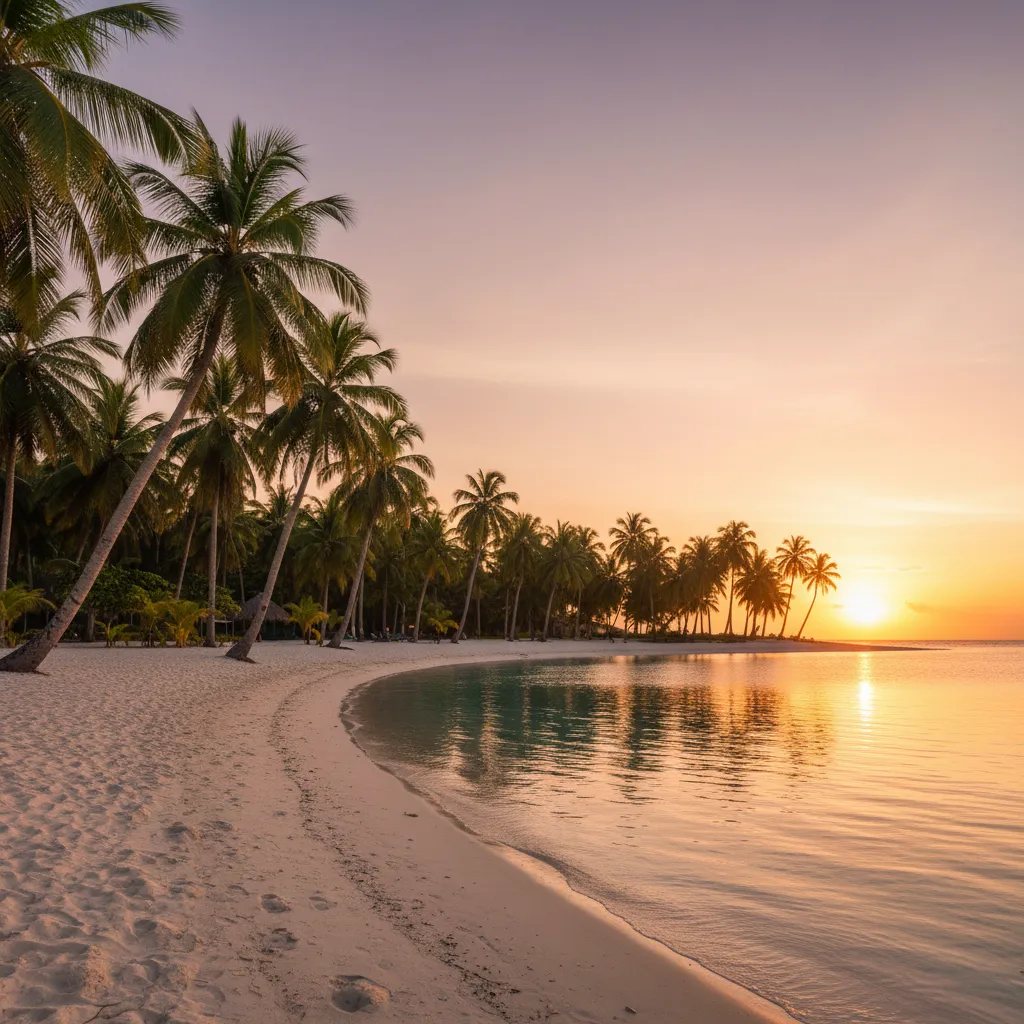
For those seeking the quintessential South Pacific postcard scene, Luecila Beach is the answer. Located near Wé, the administrative center of Lifou, this beach is famous for its powdery white sand and coconut palms leaning toward the lagoon.
Relaxation and Recreation
The bay at Luecila is protected from the trade winds, resulting in calm, shallow turquoise waters perfect for families and casual swimmers. It is an ideal spot for a picnic, sunbathing, or simply wading in the warm water. Unlike the busy snorkeling spots, Luecila offers a vast stretch of sand where you can easily find a secluded spot.
Nearby Amenities
Because of its proximity to Wé, Luecila Beach is convenient for accessing nearby supermarkets and snack bars. It serves as a great base for the day if you want to combine beach time with exploring the local town.
Experience Kanak Culture and Cuisine
No trip to Lifou is complete without engaging with the indigenous Kanak culture. The people of Lifou are known for their warm hospitality and strong adherence to customary traditions.
The “Coutume” (Customary Gesture)
If you venture off the main tourist track or visit a tribal area, similar to what you might experience with Tribal Stays in the North, it is respectful to perform “La Coutume.” This involves presenting a small gift (typically a piece of fabric, a small amount of money, or tobacco) to the tribal chief or host as a sign of respect. This gesture acknowledges that you are a guest on their land.
Traditional Bougna
Food lovers must try the Bougna, the signature dish of New Caledonia. It consists of chicken, lobster, or fish mixed with yams, taro, sweet potatoes, and bananas, all marinated in fresh coconut milk. The ingredients are wrapped in banana leaves and slow-cooked over hot stones in an earth oven. The result is a smoky, creamy, and tender feast that reflects the island’s natural bounty.
Practical Travel Information for New Zealanders
For Kiwi travelers, Lifou is an accessible tropical paradise, but a few logistical tips ensure a smooth journey.
Getting There and Around
Most international visitors fly into La Tontouta International Airport in Nouméa, ideally after selecting the Best Airline for Families Flying to Noumea. From there, you transfer to the domestic airport, Magenta, for a 40-minute flight to Lifou via Air Calédonie. Alternatively, many New Zealanders visit Lifou as a port of call on cruises departing from Auckland.
Once on the island, public transport is limited. Renting a car is the best way to see the island at your own pace, though booking in advance is essential. For cruise passengers, local shuttles and taxis are readily available at the Easo landing point to take you to Jinek Bay or nearby attractions.
Currency and Language
The local currency is the Pacific Franc (XPF). While some tourist operators accept credit cards, cash is king in remote areas and small markets. The official language is French, but the local Melanesian language, Drehu, is widely spoken. In tourist hubs, basic English is understood, but learning a few French phrases like “Bonjour” (Hello) and “Merci” (Thank you) goes a long way.
People Also Ask
Is Lifou worth visiting?
Yes, Lifou is absolutely worth visiting. It offers a more authentic, less commercialized experience compared to other Pacific destinations. Its combination of world-class snorkeling, dramatic landscapes like the Jokin Cliffs, and rich Kanak culture makes it a unique destination.
Can you swim in Jinek Bay?
Yes, you can swim and snorkel in Jinek Bay, but you generally need to purchase a pass. The number of swimmers is regulated to protect the coral. It is recommended to bring your own snorkel gear, although rentals are available near the jetty.
What is the best time of year to visit Lifou?
The best time to visit Lifou is during the dry season, from September to November, when temperatures are pleasant and rainfall is low. The warm season (December to March) is hotter but also more humid and prone to cyclones.
Do they speak English in Lifou?
French is the official language, and Drehu is the local dialect. English is spoken by tour guides and some workers in the tourism industry, but it is not widely spoken by the general population. A translation app or phrasebook is helpful.
How do you get around Lifou Island?
The most convenient way to explore Lifou is by renting a car. There are limited bus services that connect the villages to Wé, but they can be irregular. For cruise ship passengers, local buses and taxis are available at the port to take you to major attractions.
What currency is used in Lifou?
Lifou uses the CFP Franc (XPF). It is highly recommended to carry cash, especially small denominations, for market stalls, entry fees to attractions, and small shops, as credit card facilities are not available everywhere.