
Eco accommodation in New Caledonia refers to environmentally conscious lodging options, ranging from traditional Kanak-style eco-lodges to luxury glamping sites. These establishments prioritize sustainability through renewable energy, waste reduction, and cultural preservation, offering travelers an immersive way to experience the archipelago’s UNESCO-listed lagoons and rich biodiversity while minimizing their footprint.
What makes Oasis de Kiamu a premier eco-lodge in Lifou?
Oasis de Kiamu is nestled at the base of a towering limestone cliff on Lifou, the largest of the Loyalty Islands. This eco-lodge serves as a gateway to the island’s raw, untouched beauty, offering a blend of traditional hospitality and modern environmental stewardship. For New Zealand travelers seeking a departure from the manicured resorts of Nouméa, Kiamu provides a profound connection to the land and the local Kanak culture. The architecture of the lodge respects the natural topography, with bungalows designed to facilitate natural ventilation, reducing the need for intensive air conditioning.
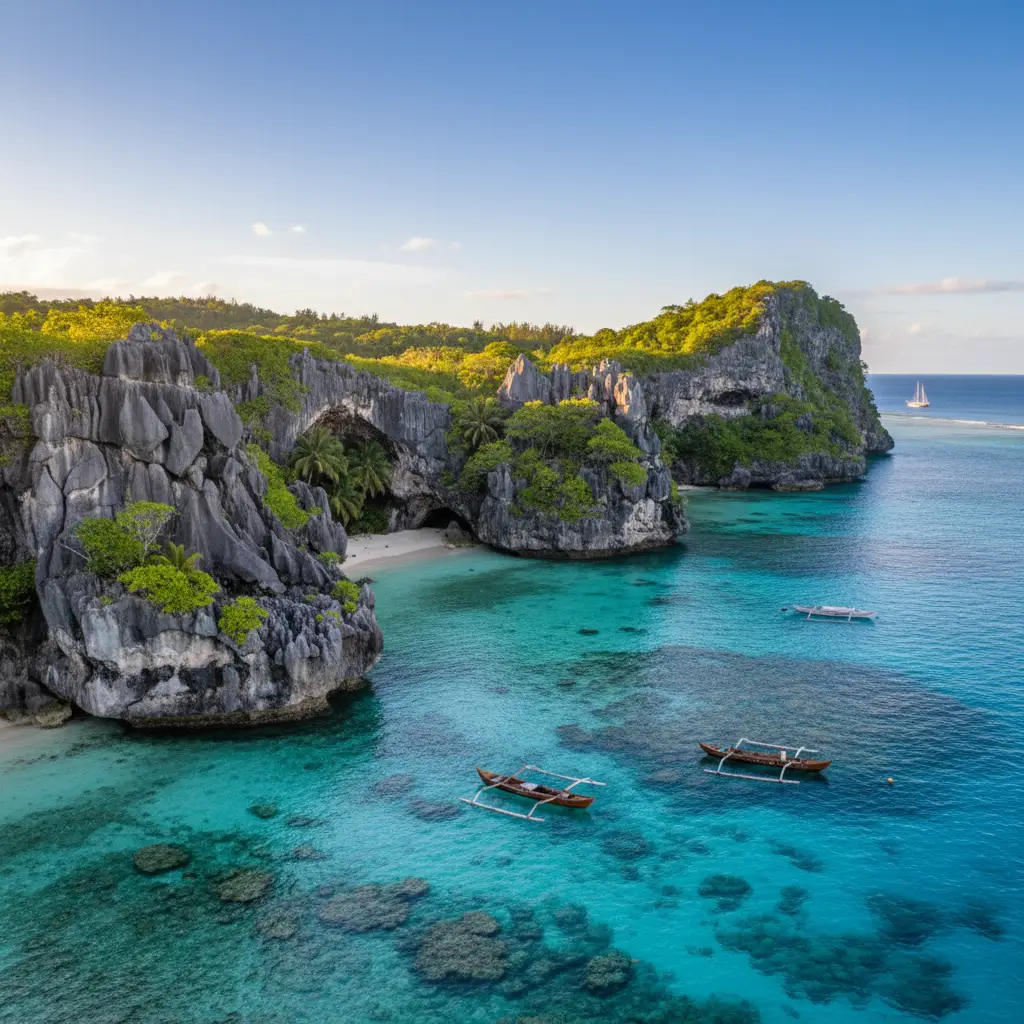
Sustainable Features of Oasis de Kiamu
The lodge prioritizes the use of local resources, from the construction materials to the ingredients served in its renowned restaurant. Lifou is famous for its high-quality vanilla, and Oasis de Kiamu integrates this local industry into its guest experiences, supporting the island’s agricultural economy. Water conservation is a critical focus here, as the island relies on a delicate freshwater lens. The lodge employs low-flow fixtures and encourages guests to participate in water-saving initiatives, ensuring the preservation of this vital resource for both visitors and the local community. Furthermore, the property acts as a steward for the nearby Jokin Cliffs, educating guests on the importance of protecting the fragile coral ecosystems that lie just offshore.
Why is Kanua Tera Ecolodge significant for sustainable tourism in the Great South?
Located in Port Boisé at the southern tip of the main island (Grande Terre), Kanua Tera Ecolodge is a masterpiece of eco-conscious design. It is built entirely according to traditional Kanak architectural principles, using natural materials like wood and thatch that blend seamlessly into the surrounding primary forest. This region, known as the “Great South,” is characterized by its striking red soil and unique endemic flora, much of which is found nowhere else on Earth. Kanua Tera provides a base for travelers to explore this biodiversity hotspot without leaving a heavy environmental footprint.
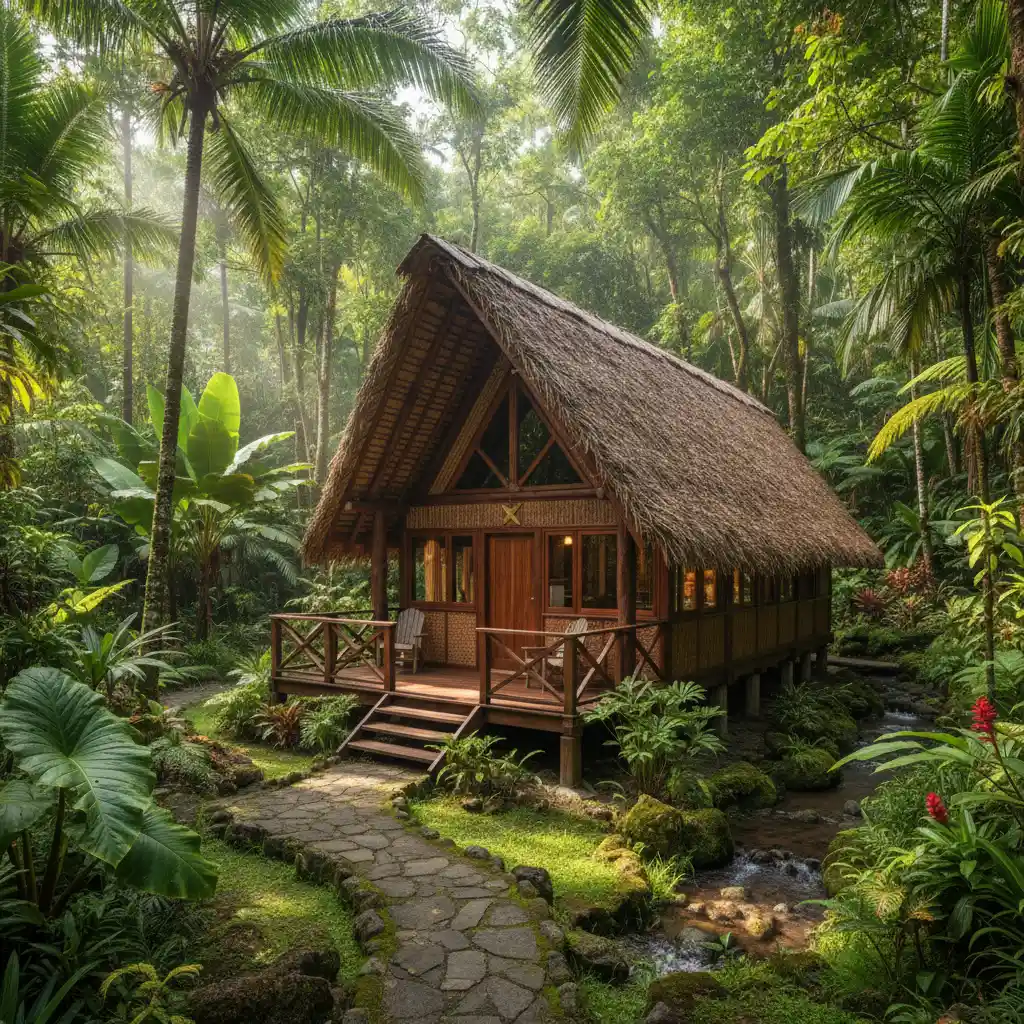
Integration with the Local Environment
The lodge’s commitment to the environment is evident in its waste management and energy systems. By utilizing solar power and implementing rigorous recycling programs, Kanua Tera minimizes its impact on the sensitive Port Boisé ecosystem. The lodge also serves as a cultural bridge, offering guided tours led by local Kanak guides who share ancestral knowledge about the medicinal properties of forest plants and the spiritual significance of the land. This approach ensures that tourism revenue directly benefits the local tribes (tribus), fostering a sustainable economic model that values cultural heritage as much as environmental protection. For New Zealanders interested in indigenous wisdom and conservation, Kanua Tera offers an unparalleled educational experience.
How does glamping in the Deva Domain redefine luxury eco-travel?
The Deva Domain, located near Bourail, is a vast 8,000-hectare protected area that represents one of the most successful conservation projects in the South Pacific. Glamping in this region allows travelers to stay in the heart of a rare dry forest ecosystem, just steps away from the UNESCO World Heritage-listed lagoon. The glamping options here, including those associated with the Sheraton New Caledonia Deva Spa & Golf Resort, provide a high-end experience that adheres to strict environmental guidelines. These semi-permanent structures are designed to be low-impact, using elevated platforms to protect the soil and local vegetation.

The Biodiversity of the Deva Domain
Staying in the Deva Domain offers more than just luxury; it provides a front-row seat to New Caledonia’s unique wildlife. The area is home to the endemic Kagu bird and various species of deer and tropical birds. Eco-travelers can engage in low-impact activities such as hiking, mountain biking, and snorkeling in the Poe Lagoon. The management of the Deva Domain follows a sustainable development charter that balances tourism, agriculture, and conservation. By choosing to stay here, travelers support the ongoing restoration of the dry forest, which is one of the most endangered ecosystems in the world. The integration of luxury glamping within this framework proves that high-end comfort and environmental responsibility can coexist harmoniously.
What are the core sustainable tourism practices in New Caledonia?
New Caledonia has increasingly adopted a holistic approach to sustainable tourism, driven by both government policy and grassroots initiatives. The “Pacte de Développement Durable” (Sustainable Development Pact) encourages tourism operators to reduce carbon emissions, manage waste responsibly, and protect marine biodiversity. For the eco-accommodation sector, this means a shift toward renewable energy sources, such as solar and wind, and the implementation of sophisticated water treatment systems to protect the lagoons from runoff. Many lodges also participate in the “Green Key” certification program, an international label for environmental responsibility in the hospitality industry.
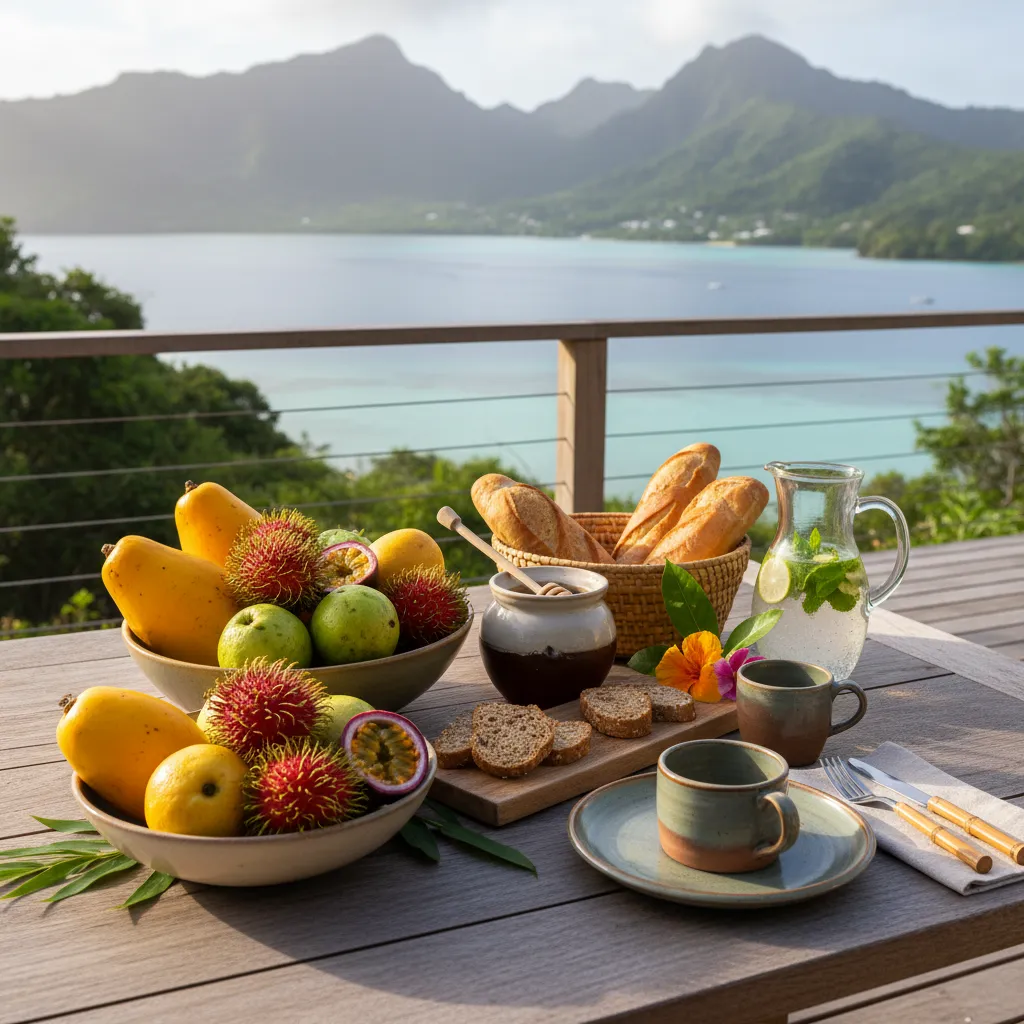
Community Involvement and Marine Protection
A key pillar of sustainability in New Caledonia is the involvement of local communities. Many eco-lodges are owned or operated in partnership with Kanak tribes, ensuring that tourism respects traditional land rights and cultural protocols. Furthermore, the protection of the New Caledonia Barrier Reef—the second-largest in the world—is a top priority. Eco-accommodations often collaborate with marine biologists to monitor reef health and offer educational programs for guests. This commitment to the “Blue Economy” ensures that the very attractions that draw visitors to the islands are preserved for future generations. For travelers from New Zealand, where environmental protection is also a core value, these practices resonate deeply and provide peace of mind when booking a holiday.
How can New Zealanders best plan an eco-friendly trip to New Caledonia?
For New Zealanders, New Caledonia is a remarkably accessible tropical destination, located just under three hours from Auckland. To maintain an eco-friendly itinerary, travelers should consider flying with Aircalin, which has modernized its fleet to include more fuel-efficient aircraft. Once on the island, renting a hybrid vehicle or using local transport options can further reduce your carbon footprint. When selecting accommodation, look for properties that explicitly state their environmental policies or hold recognized eco-certifications. It is also recommended to visit during the shoulder seasons (May-June and September-October) to reduce the pressure on local resources during peak tourist periods.
Supporting the Local Economy
True eco-tourism involves supporting the local economy. New Zealand travelers should seek out local markets, such as the Port Moselle Market in Nouméa, to purchase locally grown produce and authentic Kanak crafts. When staying at eco-lodges in remote areas like Lifou or the Great South, consider booking tours directly through the lodge or local tribal groups. This ensures that your tourism spend stays within the community. Additionally, practicing “Leave No Trace” principles during hikes and lagoon excursions is essential. By being a conscious traveler, you contribute to the preservation of New Caledonia’s unique status as a biodiversity hotspot and a model for sustainable Pacific tourism.
Frequently Asked Questions
What is the best time of year to visit New Caledonia for eco-tourism?
The best time to visit is during the cool, dry season from September to November. During this period, the weather is ideal for outdoor activities like hiking and snorkeling, and you avoid the higher humidity and rainfall of the summer months, making it easier to enjoy eco-lodges that utilize natural ventilation.
Are there direct flights from Auckland to New Caledonia for eco-travelers?
Yes, Aircalin and Air New Zealand operate direct flights from Auckland to Nouméa. The flight duration is approximately 2 hours and 45 minutes, making it one of the closest international destinations for Kiwis looking for a sustainable tropical getaway.
How do eco-lodges in New Caledonia support local Kanak communities?
Many eco-lodges operate on tribal lands and employ local staff, ensuring that tourism revenue stays within the community. They often facilitate cultural exchanges, where guests can learn about Kanak traditions, and they prioritize purchasing food and supplies from local farmers and fishermen.
What should I pack for a glamping trip in the Deva Domain?
Pack lightweight, breathable clothing, a reusable water bottle, reef-safe sunscreen, and sturdy walking shoes for exploring the dry forest. If you plan on snorkeling, consider bringing your own high-quality gear to ensure a comfortable experience while respecting the marine environment.
Is the tap water safe to drink in New Caledonian eco-accommodations?
In Nouméa and most major resorts, tap water is safe to drink. However, in more remote eco-lodges or on the Loyalty Islands, it is best to check with your hosts. Many eco-lodges provide filtered water to reduce the need for single-use plastic bottles.
Do I need to speak French to stay at an eco-lodge in New Caledonia?
While French is the official language, many staff members at popular eco-lodges and glamping sites speak English, especially those catering to New Zealand and Australian travelers. Learning a few basic French phrases and Kanak greetings is always appreciated and enhances the cultural experience.