
The Aquarium des Lagons in Noumea is open Tuesday through Sunday from 10:00 AM to 5:00 PM, with the last entry permitted at 4:00 PM. The facility is closed on Mondays and certain public holidays. It offers an immersive look into New Caledonia’s UNESCO World Heritage-listed marine ecosystems, featuring rare species and interactive exhibits.
What are the Aquarium Noumea Opening Hours?
For international visitors planning their itinerary, understanding the aquarium noumea opening hours is essential for a seamless experience. The Aquarium des Lagons operates on a consistent schedule designed to accommodate both early-rising tourists and those preferring afternoon excursions. From Tuesday to Sunday, the doors open at 10:00 AM and remain open until 5:00 PM. It is important to note that the ticket office stops selling entries at 4:00 PM, exactly one hour before the facility closes. This allows visitors sufficient time to walk through the various zones without feeling rushed.
While the standard hours are reliable, the aquarium is strictly closed on Mondays. This closure allows for deep cleaning of the tanks and specialized maintenance of the complex life-support systems required for the delicate marine life. If you are visiting during the peak summer season or around French public holidays (such as Bastille Day on July 14th), it is advisable to check the official website for any temporary adjustments. For New Zealanders accustomed to the flexible hours of Kelly Tarlton’s in Auckland, the mid-morning start in Noumea provides the perfect opportunity for a relaxed breakfast at Anse Vata before heading to the exhibit.

What is the Fluorescent Coral Room?
One of the most scientifically significant and visually stunning sections of the Aquarium des Lagons is the world-famous fluorescent coral room. Unlike standard coral displays seen in many global aquariums, this exhibit uses specialized ultraviolet lighting to reveal the natural bio-fluorescence of New Caledonian corals. When exposed to specific wavelengths of light, the corals emit brilliant, neon-like glows in shades of electric green, vivid orange, and deep purple. This phenomenon is not just for show; it is a biological function that researchers continue to study to understand coral health and resilience.
The room itself is kept in total darkness to maximize the visual impact of the glowing organisms. As you walk through, you will see various species of hard and soft corals that look like they belong in a science fiction film. This display was one of the first of its kind in the world and remains a benchmark for marine education. The aquarium’s staff often provide insights into how these corals are harvested sustainably and the role they play in the local reef ecosystem, which is the second-largest barrier reef system on the planet.

Where Can You See Nautilus and Sea Snakes?
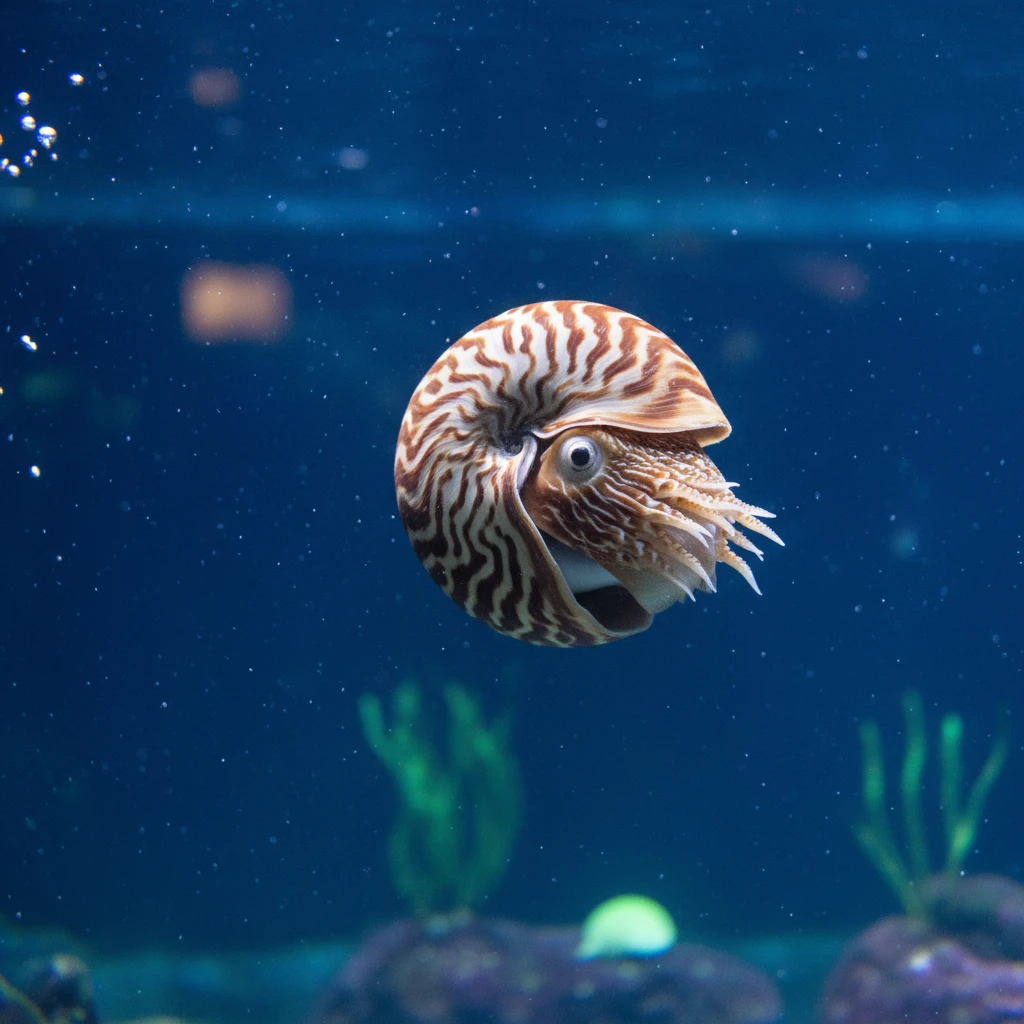
The Aquarium des Lagons is one of the few places on Earth where visitors can reliably see the Chambered Nautilus in a captive environment that mimics its deep-sea habitat. These cephalopods are often referred to as “living fossils” because they have remained largely unchanged for millions of years. Because they naturally inhabit depths of several hundred meters where the water is cold and dark, the aquarium maintains a specialized pressurized and chilled tank to ensure their survival. Watching a nautilus propel itself through the water using jet propulsion is a highlight for any marine biology enthusiast.
In addition to the nautilus, the aquarium features a comprehensive exhibit on New Caledonia’s sea snakes, particularly the iconic Tricot Rayé (Banded Sea Krait). These snakes are a common sight on the beaches and in the lagoons of the archipelago. While they are highly venomous, they are generally docile. The aquarium’s exhibit provides a safe way to observe these elegant swimmers up close. Educational panels explain the unique life cycle of the Tricot Rayé, which must return to land to digest its food and lay eggs, bridging the gap between the terrestrial and marine worlds of the South Pacific.
What are the Feeding Times and Educational Talks?
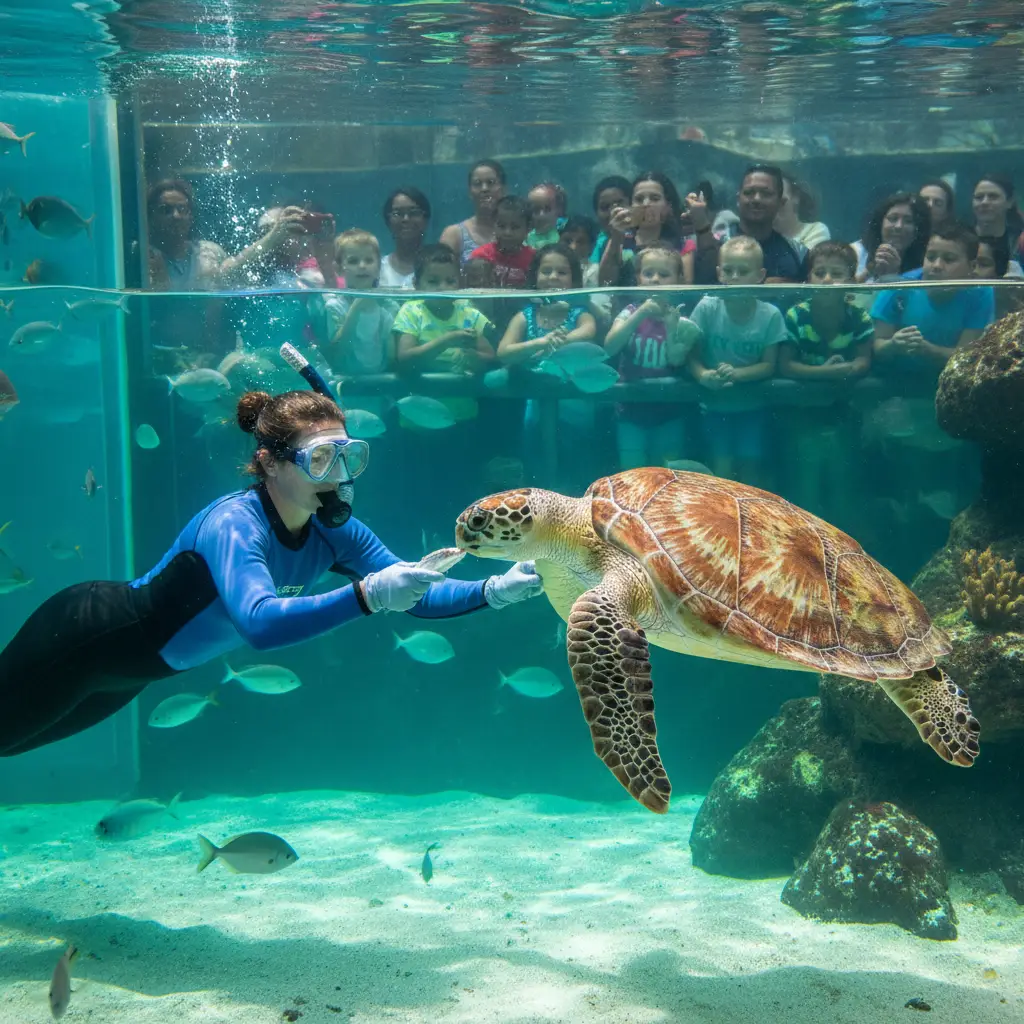
To get the most out of your visit, timing your arrival with the daily feeding sessions and educational presentations is highly recommended. These sessions provide a dynamic look at the behavior of predatory fish, turtles, and rays. Typically, the larger tanks, including the shark tank and the turtle pool, have scheduled feeding times in the early afternoon, often starting around 1:30 PM or 2:00 PM. During these sessions, expert biologists provide commentary in both French and English, explaining the dietary needs and conservation status of the animals being fed.
The “Shark Walk” is particularly popular, where visitors can watch blacktip reef sharks and lemon sharks interact with their environment during mealtime. For families traveling from New Zealand with children, these interactive talks are invaluable. They transform a simple viewing experience into a deep learning opportunity about the fragility of the marine environment. The aquarium also hosts temporary exhibitions that focus on specific themes, such as plastic pollution or the impact of climate change on the lagoon, ensuring that even repeat visitors find something new to discover.
Is the Aquarium a Good Rainy Day Activity?
While New Caledonia is famous for its sunshine, tropical showers are common, particularly during the humid months from January to March. The Aquarium des Lagons is widely considered the premier rainy day activity in Noumea. Since the vast majority of the exhibits are indoors and climate-controlled, it provides a perfect sanctuary from the weather. The facility is designed with a logical flow that keeps visitors dry while they move between the different ecological zones, from the freshwater rivers to the outer reef displays.
Beyond just avoiding the rain, the aquarium offers a peaceful atmosphere that contrasts with the busy beaches of Anse Vata and Baie des Citrons. On a rainy day, the lighting inside the tanks often appears even more vibrant, creating a cozy and immersive underwater world. There is also a small gift shop and a café nearby where you can wait out a downpour while reflecting on the incredible biodiversity of the region. For tourists on a tight schedule, knowing the aquarium noumea opening hours allows them to pivot their plans quickly when the weather turns, ensuring no day of their holiday is wasted.
Practical Information for New Zealand Travelers
For New Zealanders, Noumea is a surprisingly accessible destination, located just under three hours by air from Auckland. When visiting the Aquarium des Lagons, there are several practicalities to keep in mind. The currency used is the CFP Franc (XPF). While the aquarium accepts major credit cards, having some local cash for the nearby bus or small snacks is helpful. The aquarium is located on the headland between Baie des Citrons and Anse Vata, making it easily reachable by the local “Tanéo” bus system or even a pleasant coastal walk from the main hotel districts.
Language-wise, while the official language is French, the aquarium is very tourist-friendly with bilingual signage. If you are used to the marine life in the Hauraki Gulf, you will find the tropical species in Noumea to be a stark and colorful contrast. The water temperatures in the lagoons are significantly warmer, supporting the coral growth that isn’t possible in New Zealand’s cooler waters. Visiting the aquarium at the start of your trip is a great way to identify the fish you might see later while snorkeling at Duck Island (Île aux Canards) or Signal Island.
Conservation and Research Efforts
The Aquarium des Lagons is more than just a tourist attraction; it is a vital center for marine research and rehabilitation. One of its most important functions is the sea turtle clinic. Injured turtles found by fishermen or locals are brought here for medical treatment and rehabilitation before being released back into the wild. Visitors can often see these “patients” in the outdoor pools and learn about the dangers they face, such as boat strikes and ingesting marine debris. This work is crucial for the survival of Green and Loggerhead turtles in the South Pacific.
Furthermore, the aquarium participates in international breeding programs and reef restoration projects. They work closely with the IRD (Institute of Research for Development) to monitor the health of the New Caledonian lagoon. By visiting the aquarium, your entrance fee contributes directly to these conservation initiatives. The educational programs extend to local schools, fostering a sense of stewardship among the youth of New Caledonia. This commitment to the environment ensures that the stunning natural beauty of the lagoons will be preserved for future generations of travelers and locals alike.
Summary of Visitor Tips
To maximize your experience, arrive shortly after the 10:00 AM opening to beat the crowds, especially if a cruise ship is in port. Wear comfortable walking shoes, and although photography is encouraged, remember to turn off your flash, as it can stress the animals and reflects poorly off the glass tanks. Finally, allow at least two to three hours to explore the entire facility thoroughly. The combination of the fluorescent coral room, the prehistoric nautilus, and the engaging feeding talks makes the Aquarium des Lagons a world-class destination that justifies its reputation as a must-visit in Noumea.
People Also Ask
What are the aquarium noumea opening hours?
The aquarium is open Tuesday to Sunday from 10:00 AM to 5:00 PM. It is closed on Mondays.
How much is the entrance fee for Aquarium des Lagons?
As of 2024, adult tickets are approximately 1,600 XPF, with discounts available for children, students, and seniors. Prices are subject to change.
Is the Aquarium des Lagons suitable for children?
Yes, it is very family-friendly with interactive touch pools, educational displays at child-height, and engaging feeding sessions.
How do I get to the aquarium from Anse Vata?
You can take the local Tanéo bus (Line N1 or N2) or enjoy a scenic 15-20 minute walk along the coastal road.
Are there guided tours available?
While most visitors explore at their own pace, guided tours can be arranged for groups in advance. Audio guides are often available in multiple languages.
Can you see dugongs at the aquarium?
No, the aquarium does not currently house dugongs. However, they have extensive information about the local dugong population in New Caledonia’s waters.