
Kanak culture in New Caledonia is a profound Melanesian heritage defined by “La Coutume,” a traditional social code emphasizing respect, reciprocity, and ancestral connection. It encompasses spiritual beliefs, communal land ownership, and intricate protocols that govern interactions between tribes and visitors, making it the bedrock of indigenous identity across the archipelago.
What is ‘La Coutume’ (The Customary Gesture)?
For the Kanak people, the indigenous Melanesian inhabitants of New Caledonia, “La Coutume” (The Custom) is not merely a set of rules but a living philosophy. It is the invisible thread that weaves together the past, present, and future, governing everything from land disputes and marriages to how a stranger is welcomed into a village. In the 2024/2025 context, as New Caledonia continues to navigate its political and social evolution, La Coutume remains the most resilient and respected pillar of local identity.
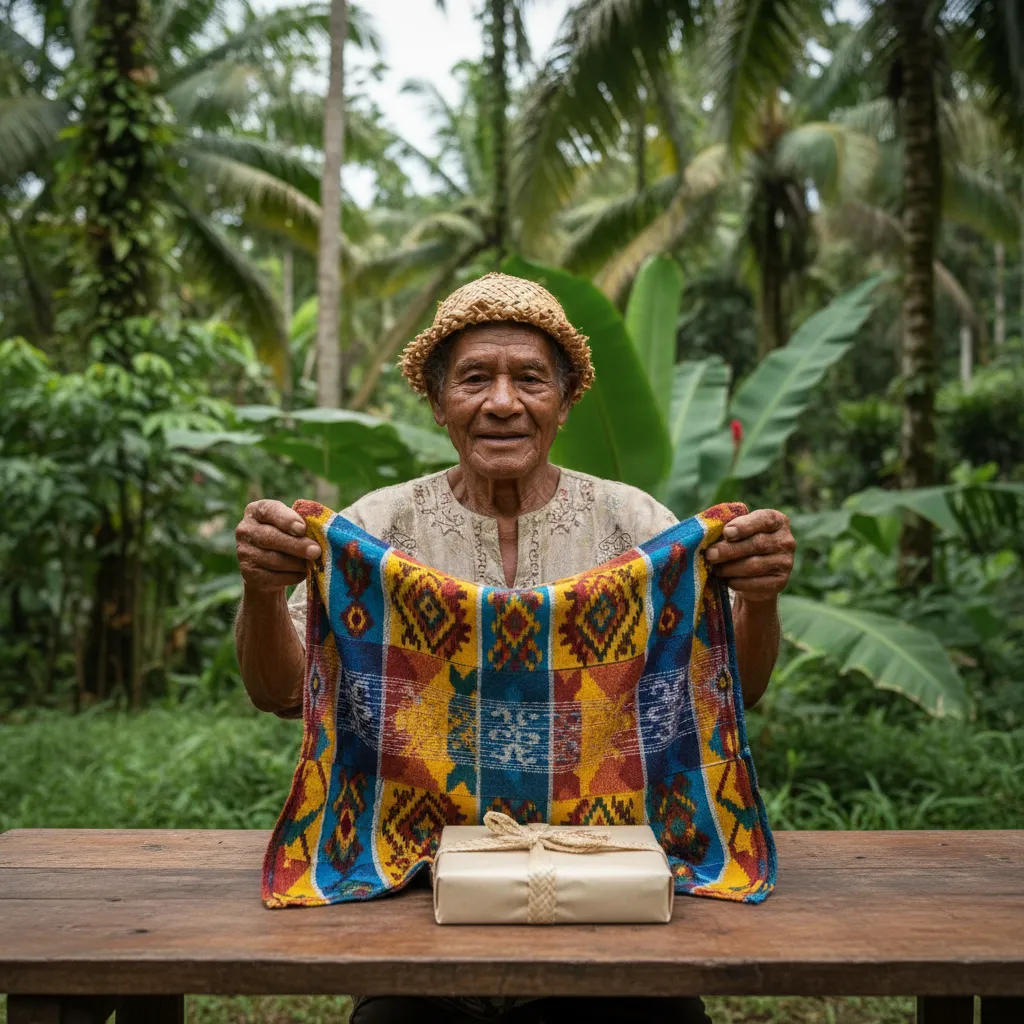
At its heart, La Coutume is an act of humility. It acknowledges that you are entering a space—physical or spiritual—that belongs to others and their ancestors. The “customary gesture” (le geste coutumier) is the physical manifestation of this acknowledgment. It typically involves the presentation of a small gift, which serves as a symbolic “key” to open a dialogue. This exchange is a fundamental requirement for anyone wishing to engage deeply with Kanak communities, particularly in the more traditional areas of the Grande Terre and the Loyalty Islands (Lifou, Maré, and Ouvéa).
The Components of the Customary Gift
While the value of the gift is less important than the intent, certain items are traditional. In modern New Caledonia, the most common components include a piece of fabric known as a “manou” (usually 2 meters of colorful cloth), a small amount of money (typically 500 to 1,000 CFP francs), and often a small grocery item like coffee or tobacco. The manou acts as a vessel for your words; as you present it, you explain who you are, where you come from, and why you are visiting. This transparency is vital for establishing trust within the tribal hierarchy.
Visiting a Tribe: Protocol for Tourists
For travelers from New Zealand or further afield, visiting a Kanak tribe is the highlight of a trip to New Caledonia, offering a glimpse into a lifestyle that has persisted for over 3,000 years. However, entering tribal land is not like visiting a public park. It requires adherence to specific protocols to ensure you are welcomed as a guest rather than an intruder.
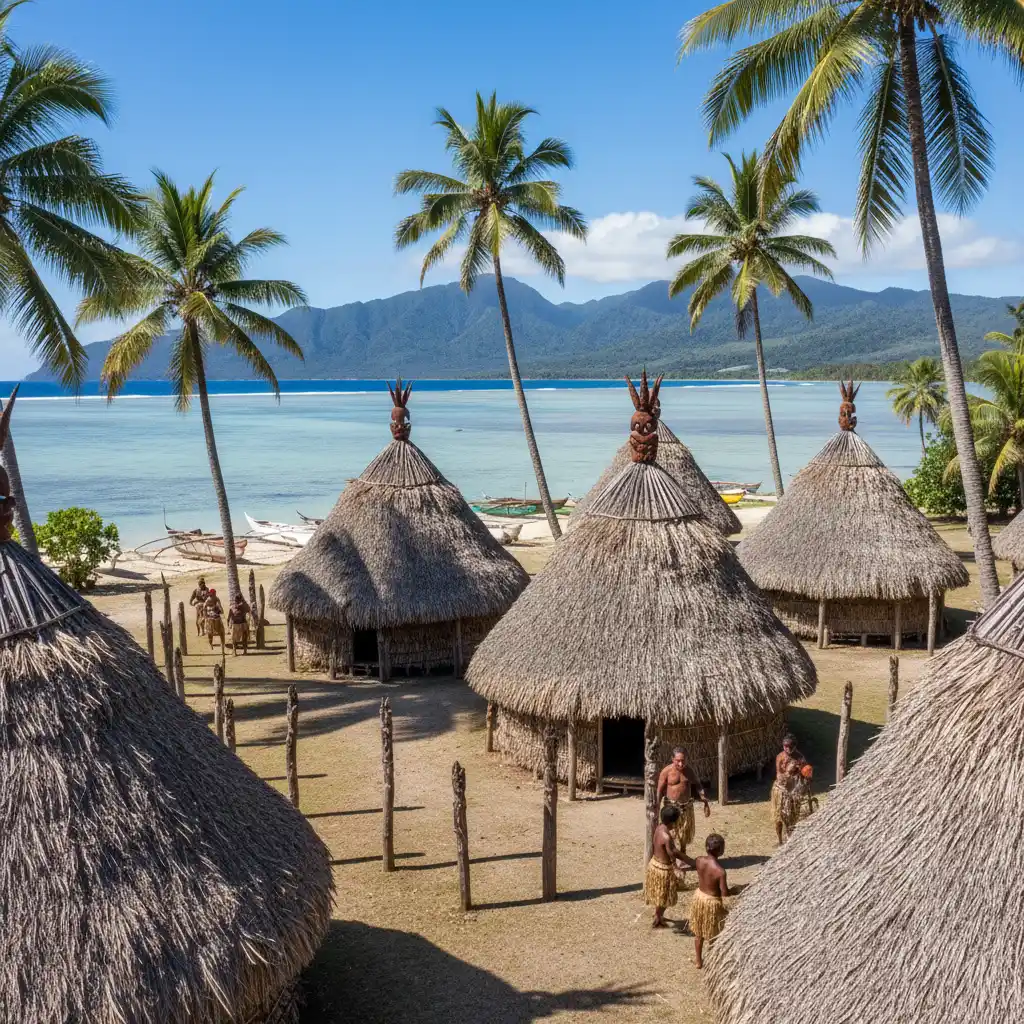
The first step upon arriving at a tribal village is to locate the chief or a spokesperson for the clan. You should never wander through a village, take photos of people, or enter a traditional dwelling without explicit permission. Once you find the appropriate person, you perform the customary gesture. It is a moment of quiet reflection; you place your gift on a table or the ground between you, speak your piece, and wait for the elder to accept. Once accepted, you are considered under the protection of the tribe, and the doors to their culture—and often their homes—are opened to you.
Practical Etiquette for 2025
In the post-pandemic travel era, Kanak communities have become more selective about tourism, prioritizing high-value, low-impact cultural exchanges. When visiting in 2025, remember to dress modestly—swimwear is strictly for the beach and should never be worn inside a village. Additionally, always ask before photographing sacred sites or cemeteries, as many areas are “tabu” (forbidden) to outsiders. If you are invited to share a meal, such as the traditional “Bougna” (a feast of root vegetables and meat cooked in banana leaves under hot stones), it is polite to accept, as sharing food is a cornerstone of Kanak hospitality.
Traditional Architecture: The Grande Case
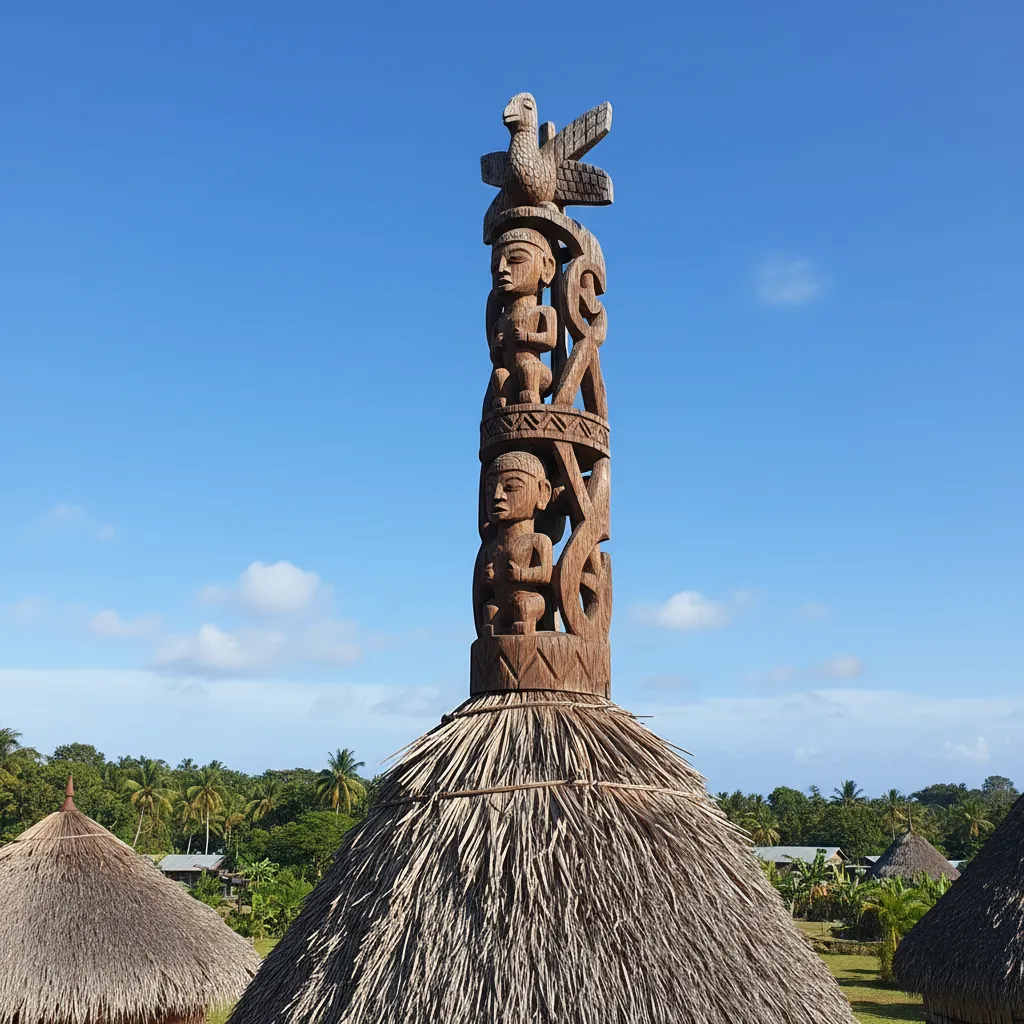
The most striking visual symbol of Kanak culture is the “Grande Case” (Great House). These towering, conical structures are architectural marvels, built entirely from natural materials like wood, bark, and thatch. However, their significance goes far beyond shelter; the Grande Case is a physical representation of the social structure of the clan.
The central pillar of the house represents the chief, the “strength” that holds the community together. The rafters radiating from the center represent the various clans and families, all supported by the central authority. At the very top of the roof sits the “Flèche Faîtière” (roof spire), a carved wooden sculpture that often incorporates ancestral figures and conch shells. This spire is so iconic that it appears on the regional flag of New Caledonia. It serves as a spiritual lightning rod, connecting the living world inside the hut with the ancestors in the sky.
Interior Symbolism
Inside a Grande Case, the layout is strictly dictated by tradition. There is typically a central hearth where a fire is kept burning, symbolizing the life of the clan. Visitors are usually seated in specific areas depending on their status. The smoky atmosphere, caused by the lack of windows, serves a practical purpose: it preserves the thatch and wood from insects and rot, allowing these structures to last for decades with proper maintenance. Entering a Grande Case is a somber, respectful experience, often accompanied by the storytelling of an elder.
The Significance of Yams and Totems
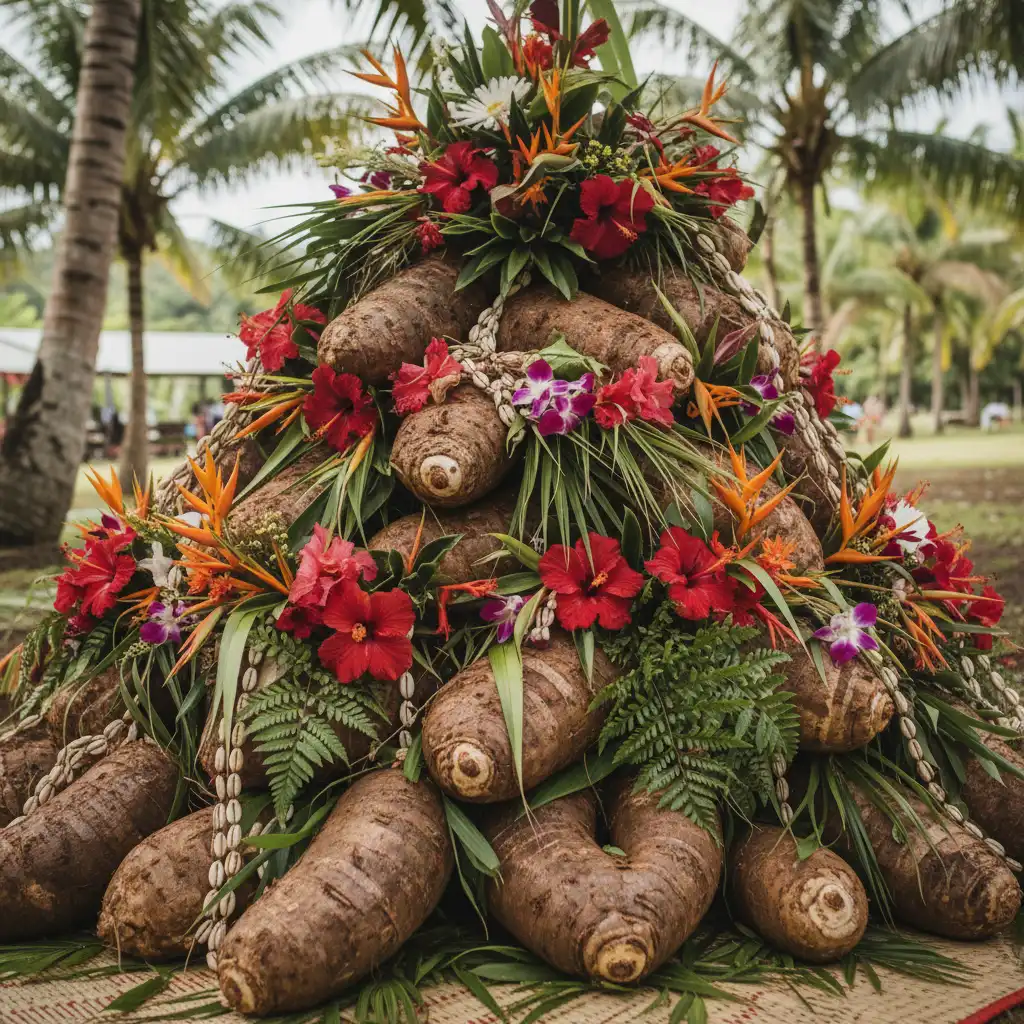
To understand the Kanak people is to understand their relationship with the land, specifically through the cultivation of the yam (igname). The yam is not merely a staple food; it is a sacred plant that dictates the Kanak calendar. The life cycle of the yam—planting, growing, and harvesting—is a metaphor for the human life cycle and the continuity of the clans.
The “New Yam Festival,” held between February and April each year, is the most important event in the Kanak calendar. The first tubers are offered to the ancestors and the chiefs before being shared with the community. This festival is a time of great rejoicing, featuring traditional dances (pilou), music, and the reaffirmation of customary ties. For a tourist, witnessing a yam ceremony is a rare and profound privilege that highlights the deep agricultural roots of Melanesian spirituality.
Totems and Ancestral Spirits
Kanak spirituality is animistic, believing that spirits inhabit the natural world. Each clan has a totem—often an animal like a shark, lizard, or bird, or a specific plant or stone. These totems are ancestral guardians. Wood carving is the primary medium through which these spirits are honored. You will see “chambranles” (carved doorposts) that guard the entrance to huts, featuring distorted, powerful faces meant to ward off evil spirits. These carvings are not “art” in the Western sense; they are functional spiritual tools designed to maintain the balance between the physical and supernatural realms.
Contemporary Kanak Art and the Tjibaou Centre
While tradition is paramount, Kanak culture is not frozen in time. In Nouméa, the Jean-Marie Tjibaou Cultural Centre stands as a testament to the fusion of ancient identity and modern vision. Designed by world-renowned architect Renzo Piano, the centre’s pavilions are inspired by the shape of traditional Kanak huts but are constructed from modern iroko wood, glass, and steel.
The centre serves as a hub for contemporary Kanak artists who use painting, sculpture, and Kaneka music (a blend of traditional rhythms with reggae and rock) to explore modern Melanesian identity. In 2025, the centre continues to host major exhibitions that bridge the gap between the tribal villages of the north and the urban lifestyle of the south, proving that La Coutume is adaptable and enduring.
Traveler Etiquette for 2025
As you plan your journey from New Zealand or Australia to New Caledonia, keep these final tips in mind to ensure a respectful and enriching experience. Always carry a few manous in your luggage if you plan to leave Nouméa. Learn a few words in the local Kanak language of the region you are visiting (there are over 28 distinct languages), though French is the lingua franca. Most importantly, approach every interaction with patience. In Kanak culture, silence is often a sign of respect, and rushing a conversation or a customary gesture is considered extremely rude. Embrace “island time” and let the depth of this ancient culture reveal itself to you slowly.
What is the customary gesture in New Caledonia?
It is a traditional act of respect involving a small gift (manou, money, or food) presented to a tribal elder to introduce oneself and request permission to enter or stay on tribal land.
Do I need to bring a gift to a Kanak tribe?
Yes, if you are visiting a tribal village outside of a pre-arranged commercial tour, bringing a gift for La Coutume is essential protocol to show respect to the local community.
What is a ‘Manou’ in Kanak culture?
A manou is a piece of fabric, usually two meters long, used as the primary vessel for the customary gift. It symbolizes the visitor’s words and intentions during the exchange.
Can tourists enter a Grande Case?
Only if invited by a member of the tribe. You should never enter these sacred structures uninvited, as they are often used for high-level customary meetings and spiritual purposes.
What is the significance of the yam harvest?
The yam is a sacred plant representing the life of the clan. Its harvest marks the most important period in the Kanak social and spiritual calendar, celebrated with festivals and rituals.
Is Kanak culture still practiced in Nouméa?
While Nouméa is a modern, Westernized city, Kanak culture remains vibrant through the Tjibaou Cultural Centre, local markets, and the many residents who maintain strong ties to their home tribes.