
The Museum of New Caledonia (Musée de Nouvelle-Calédonie), currently transforming into the MUZ, is the territory’s premier institution for Kanak art and Pacific heritage. Located in the Latin Quarter of Noumea, it anchors a rich cultural circuit that includes the Maritime History Museum, the WWII Museum, and the City of Noumea Museum, offering visitors a deep dive into the archipelago’s diverse history.
For New Zealand travelers looking to escape to the tropics, Noumea offers far more than just pristine lagoons and French pastries. It is a city layered with complex history, from ancient Kanak traditions to colonial settlements and the pivotal role the island played in the Pacific Theater of World War II. While the beaches of Anse Vata draw the crowds, the museums of Noumea provide the context necessary to truly understand our closest French-speaking neighbor.
This comprehensive guide explores the essential cultural institutions you must visit, centering on the flagship Museum of New Caledonia and expanding to the specialized galleries that preserve the memory of the Pacific.

What is the Museum of New Caledonia (MUZ)?
The Museum of New Caledonia, historically known as the Musée de Nouvelle-Calédonie, serves as the guardian of the territory’s indigenous soul. For decades, this institution has held the world’s finest collection of Kanak art, alongside significant artifacts from other Melanesian societies including Vanuatu, the Solomon Islands, and Papua New Guinea.
The Transformation into MUZ
It is vital for travelers to note that the physical site of the Museum of New Caledonia is currently undergoing a massive architectural and curatorial evolution. The project, dubbed “MUZ,” aims to create a world-class facility that better represents the living culture of the Kanak people and the shared history of the archipelago’s diverse communities.
While the main building undergoes these renovations, the spirit of the museum remains active through temporary exhibitions and partnerships with other local institutions. The goal of the new MUZ is to move beyond a static display of artifacts and create a space for dialogue—a “museum of society” rather than just an ethnographic collection.
Key Collections and Kanak Art
When fully accessible, the museum’s collection is renowned for its preservation of:
- Flèches Faîtières: The iconic rooftop spears that adorn the Great Houses (La Grande Case), symbolizing the clan’s ancestor and connection to the spiritual realm.
- Chambranles: Carved doorposts that flank the entrance of the Great House, often depicting guardian spirits.
- Jade Ceremonial Axes: Objects of immense prestige and customary exchange value within Kanak society.
For visitors from New Zealand, the artistic parallels and distinct differences between Māori Whakairo (carving) and Kanak sculpture provide a fascinating comparative study of Polynesian and Melanesian art forms.
What can you see at the Maritime History Museum?
Located in the historic port area, the Maritime History Museum (Musée Maritime de Nouvelle-Calédonie) is an absolute must-visit for anyone fascinated by the age of exploration. New Caledonia’s history is inextricably linked to the ocean, from the first Lapita voyagers to the arrival of Captain James Cook (who gave the island its name, referencing Scotland).
The Mystery of La Pérouse
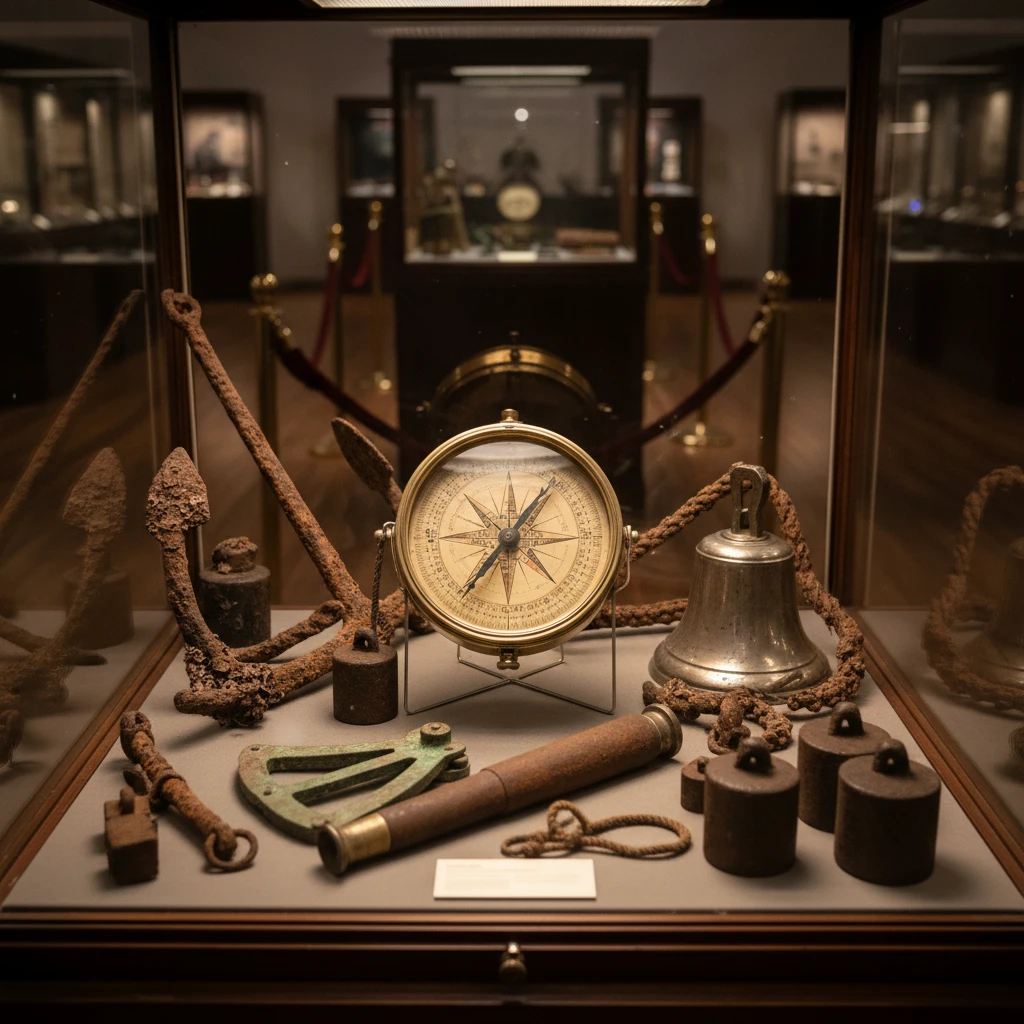
The crown jewel of this museum is the dedicated section to the expedition of Jean-François de Galaup, comte de La Pérouse. A contemporary of Cook, La Pérouse vanished in 1788. It was not until decades later that the wreckage of his ships, the Boussole and the Astrolabe, were discovered on the reefs of Vanikoro. The museum houses hundreds of artifacts recovered from these wrecks, ranging from cannons and anchors to delicate porcelain and scientific instruments. This collection solves one of the greatest maritime mysteries of the 18th century.
The Voyage of the Link
Beyond the tragic explorers, the museum details the arrival of missionaries, the sandalwood trade, and the complex history of the “Blackbirding” era, where Pacific Islanders were often coerced into labor in Australia and Fiji. The exhibits are modern, interactive, and offer excellent English translations, making it highly accessible for Kiwi tourists.
Why is there a WWII Museum in Noumea?
Many New Zealanders are unaware that during World War II, New Caledonia became a massive aircraft carrier for the Allied forces. The Museum of the Second World War (Musée de la Seconde Guerre Mondiale) tells the story of how a quiet French colony was transformed almost overnight by the arrival of over a million American troops.

The Friendly Invasion
Housed in a distinctive Nissen hut (Quonset hut) structure, the museum outlines the impact of the US presence from 1942 to 1945. Noumea served as the headquarters for Admiral Halsey and the South Pacific command. The influx of American goods, machinery, and culture (including Coca-Cola and Jazz) had a lasting modernization effect on the island.
The museum does an excellent job of detailing:
- The strategic importance of Noumea in the Battle of the Coral Sea.
- The formation of the “Bataillon du Pacifique,” where New Caledonian volunteers fought alongside Free French forces in North Africa and Europe.
- The social changes brought about by the American presence, particularly regarding the status of the Kanak population and indentured laborers.
What is the City of Noumea Museum?
For a look at the colonial era, the City of Noumea Museum (Musée de la Ville de Nouméa) is situated in a stunning colonial building facing the famous Place des Cocotiers. The building itself, formerly the Town Hall built in the late 19th century, is a piece of history.
Life in the Colony
This museum focuses on the administrative and civilian history of the capital. It covers the establishment of the penal colony (the bagne), where thousands of French convicts were sent, similar to the history of Australia. It also covers the nickel boom, which has driven the island’s economy for over a century.
Visitors can explore the basement, which has been preserved to show the conditions of early storage and holding cells. The upper floors display period clothing, photographs of early Noumea, and artifacts from the First World War.

Is the Tjibaou Cultural Centre a museum?
While technically a cultural center rather than a traditional museum, no guide to the “Museum of New Caledonia” topic is complete without mentioning the Jean-Marie Tjibaou Cultural Centre. Located about 15 minutes from the city center, it is an architectural masterpiece designed by Renzo Piano.
While the Museum of New Caledonia (MUZ) focuses on the conservation of artifacts, the Tjibaou Centre focuses on the living culture. It houses contemporary Kanak art, performance spaces, and a landscaped park that explains the Kanak myth of creation through botany. The towering structures, designed to resemble traditional Great Houses but made of steel and wood, are iconic. For travelers disappointed by the renovation closures of the main museum, the Tjibaou Centre is the essential alternative for experiencing Indigenous culture.
Practical Information for NZ Travelers
Opening Hours and Admission
Most museums in Noumea are closed on Tuesdays, unlike New Zealand where Monday is the standard closure day. However, this can vary, so checking the official websites or the Noumea Tourism Office prior to visiting is recommended.
- Cost: Admission is generally affordable, ranging from 200 to 500 CFP (approx. $3 – $7 NZD).
- The Culture Pass: Look for the “Pass Nature et Culture” which often provides discounted access to the Aquarium, the Zoo, and the major museums.
- Language: While French is the official language, the Maritime Museum and WWII Museum have excellent English signage. Audio guides are often available at the Tjibaou Centre.
Getting There
Noumea has a reliable bus system (Tanéo). The “Culture Line” or tourist explorer buses often loop specifically between these major attractions. If you are staying in the Anse Vata or Baie des Citrons hotel areas, the Maritime Museum is a short taxi ride or a pleasant walk along the marina, while the City Museum is in the heart of the downtown shopping district.
Exploring the museums of Noumea offers a profound layer of depth to your holiday. It transforms a tropical getaway into an educational journey, revealing the resilience of the Kanak people, the bravery of sailors and soldiers, and the complex tapestry of life in the South Pacific.
People Also Ask
Is the Museum of New Caledonia currently open?
The main building of the Museum of New Caledonia is currently closed for major renovations and expansion into the new MUZ project. However, the institution continues to organize off-site exhibitions, and visitors can see Kanak art at the Tjibaou Cultural Centre in the meantime.
What is the best museum to visit in Noumea?
For maritime history enthusiasts, the Maritime History Museum is world-class. For indigenous culture, the Tjibaou Cultural Centre is the top choice (especially while the main museum is renovated). For general history buffs, the WWII Museum offers a unique perspective on the Pacific War.
How much does it cost to visit museums in Noumea?
Museum entry fees in Noumea are very reasonable, typically costing between 200 and 500 XPF (roughly $3 to $7 NZD). Children and seniors often receive discounted or free entry.
Are the museums in Noumea in English?
The Maritime History Museum and the WWII Museum have excellent English signage and translations. The City Museum has some English information, and the Tjibaou Cultural Centre offers audio guides in English for international visitors.
Where can I see Kanak art in Noumea?
With the Museum of New Caledonia under renovation, the best place to view Kanak art is the Jean-Marie Tjibaou Cultural Centre. You can also find smaller displays in local art galleries and the City of Noumea Museum.
How long do you need to see the museums in Noumea?
You can comfortably visit the Maritime Museum and WWII Museum in a single morning as they are relatively close. The Tjibaou Cultural Centre requires at least half a day due to its size and location outside the city center.