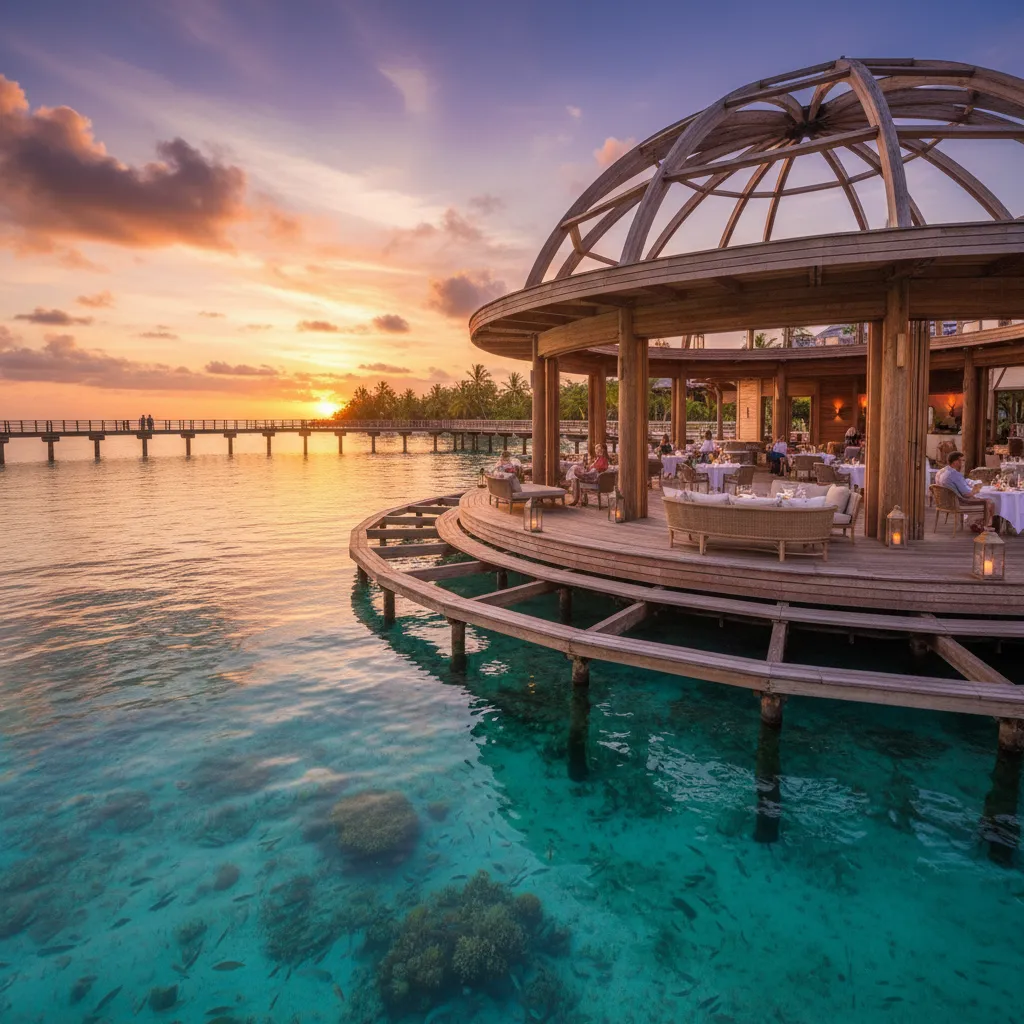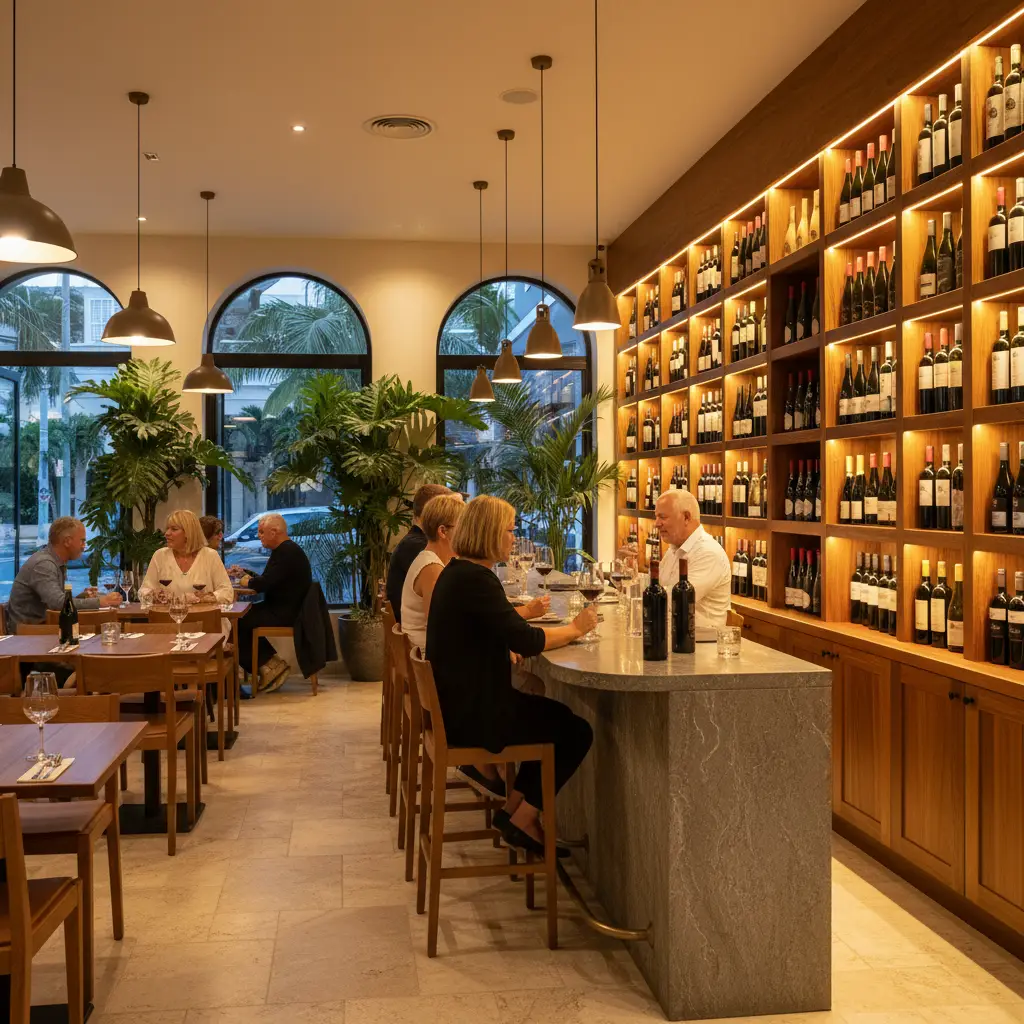
Noumea market food at Port Moselle offers a distinct fusion of French culinary technique and Melanesian tropical flavors. As the city’s premier gastronomic hub, the market features artisanal French pastries, freshly caught lagoon seafood, Vietnamese snacks, and exotic fruits. Open daily from 5:00 AM to 11:30 AM, it is the essential destination for an authentic Caledonian breakfast.
For travelers venturing from New Zealand or Australia to the heart of the Pacific, the Port Moselle Market is more than just a shopping destination; it is a sensory immersion into the soul of New Caledonia. Located beside the marina with a view of bobbing yachts, this market is where the locals shop, gossip, and, most importantly, eat. From the aroma of freshly baked pain au chocolat mingling with the scent of the ocean to the vibrant displays of dragon fruit and blue prawns, this guide covers everything you need to know about navigating the food stalls.
The Morning Rush: Best Time for Pastries
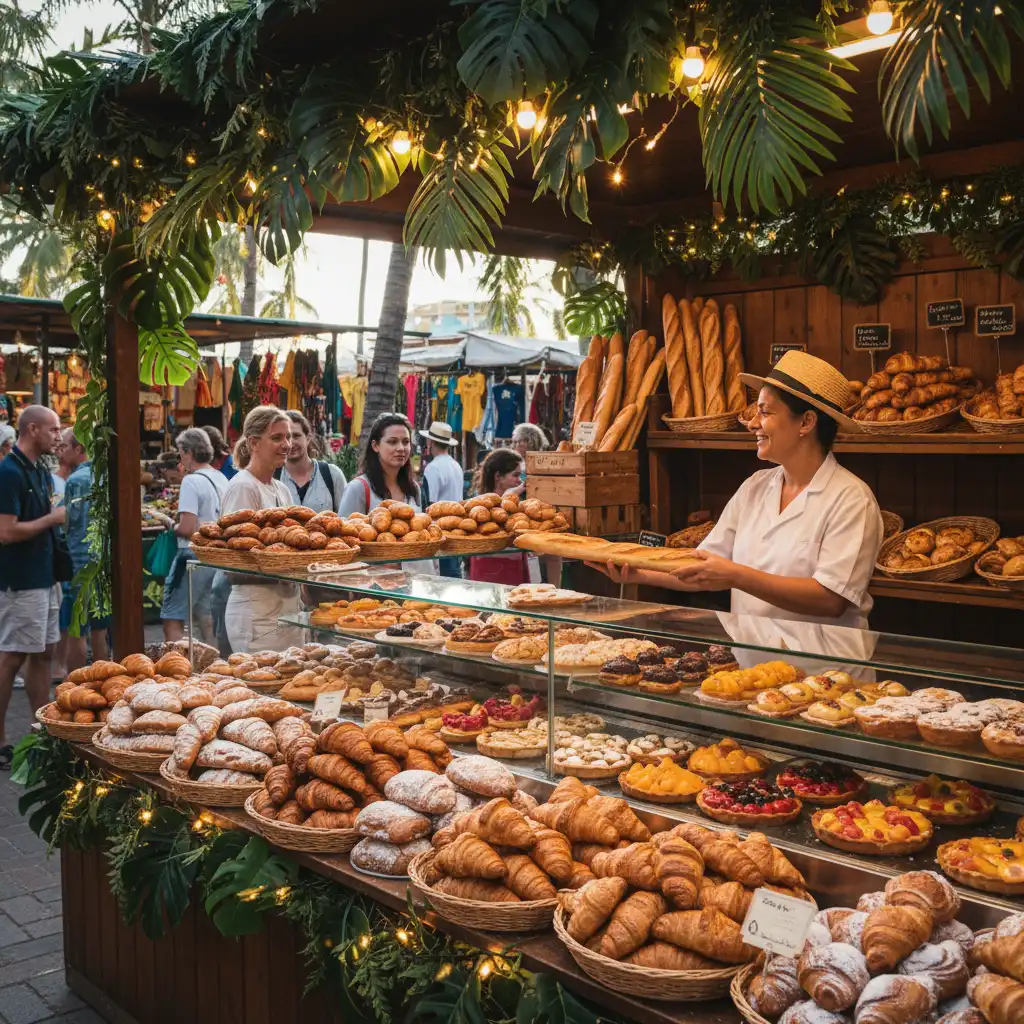
To experience the true quality of Noumea market food, one must adopt the schedule of the locals. The market technically opens at 5:00 AM, and by 6:00 AM, the bakery stalls are bustling. New Caledonia is a French overseas territory, and the standard of baking here rivals that of a Parisian arrondissement. The flour and butter are often imported directly from France, ensuring the lamination in your croissant is buttery, flaky, and authentic.
The pastry section is usually located near the center of the main covered hall. Here, you will find an array of goods that go beyond the standard croissant. Look for chaussons aux pommes (apple turnovers), pains aux raisins (raisin swirls), and the local favorite, the “Angel Cake” (a light, airy sponge cake often flavored with vanilla or coconut). For savory lovers, warm baguettes and cheese sticks are stacked high in wicker baskets.
When should you arrive for the best selection?
The golden window for pastries is between 6:00 AM and 7:30 AM. If you arrive after 9:00 AM, particularly on a Saturday or Sunday, the most popular items—specifically the almond croissants and chocolate twists—will likely be sold out. Cruise ship passengers should make this their very first stop upon disembarking to beat the mid-morning crowds.
Local Coffee Culture at the Market
Coffee in New Caledonia is a serious affair, reflecting the strong café culture of France. At the Port Moselle Market, coffee is not grabbed on the run; it is a moment to pause. There is a central café area, often referred to as “La Buvette,” situated in the middle of the market. This is the social heart of Noumea on a weekend morning.
Ordering coffee here requires knowing a bit of terminology. A standard “coffee” will get you an espresso. If you want a flat white style drink, ask for a grand crème or café au lait. The coffee served is typically strong, rich, and served in large bowls or cups, perfect for dipping your fresh croissant into—a practice that is entirely socially acceptable here.
The atmosphere at the coffee counter is vibrant. You will sit elbow-to-elbow with Kanak women in colorful Mission dresses, French expatriates reading the local paper, and yachties stocking up on supplies. It is the best place for people-watching while enjoying a caffeine fix that fuels the rest of your market exploration.
A Guide to Fresh Tropical Fruits
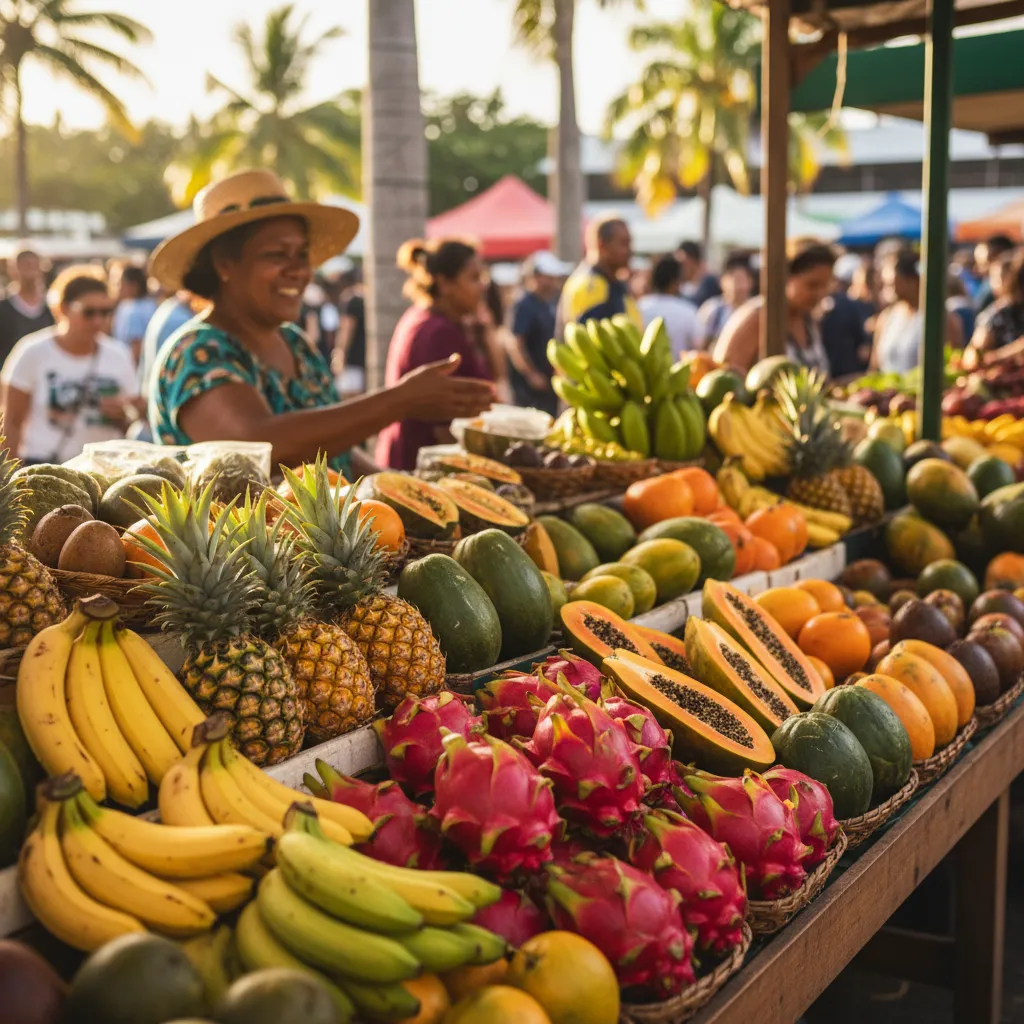
Leaving the bakery section, the vibrant colors of the fruit and vegetable stalls take over. The produce here is seasonal, grown in the rich volcanic soil of the main island (Grand Terre) or the Loyalty Islands. Unlike the uniform produce found in Western supermarkets, the fruit here is often imperfect in shape but explosive in flavor.
What native fruits should you try?
Depending on the season, keep an eye out for these local specialties:
- Pomme Liane (Passionfruit): Often larger and sweeter than varieties found in New Zealand.
- Corossol (Soursop): A large, spiky green fruit with creamy white flesh that tastes like a mix of strawberry and pineapple with sour citrus notes.
- Mangos: In the summer months (December to February), the local mangoes are small, fibrous, and incredibly sweet.
- Bananas: You will see many varieties, including the small, sweet “lady finger” bananas and large plantains meant for cooking.
Many stallholders are happy to let you sample a slice of pineapple or papaya before you buy. Prices are usually displayed by the kilogram or by the “tas” (pile). Buying by the pile is a common practice in the Pacific; you simply point to a pre-arranged heap of fruit and pay the set price.
The Seafood Pavilion and Raw Fish Salad
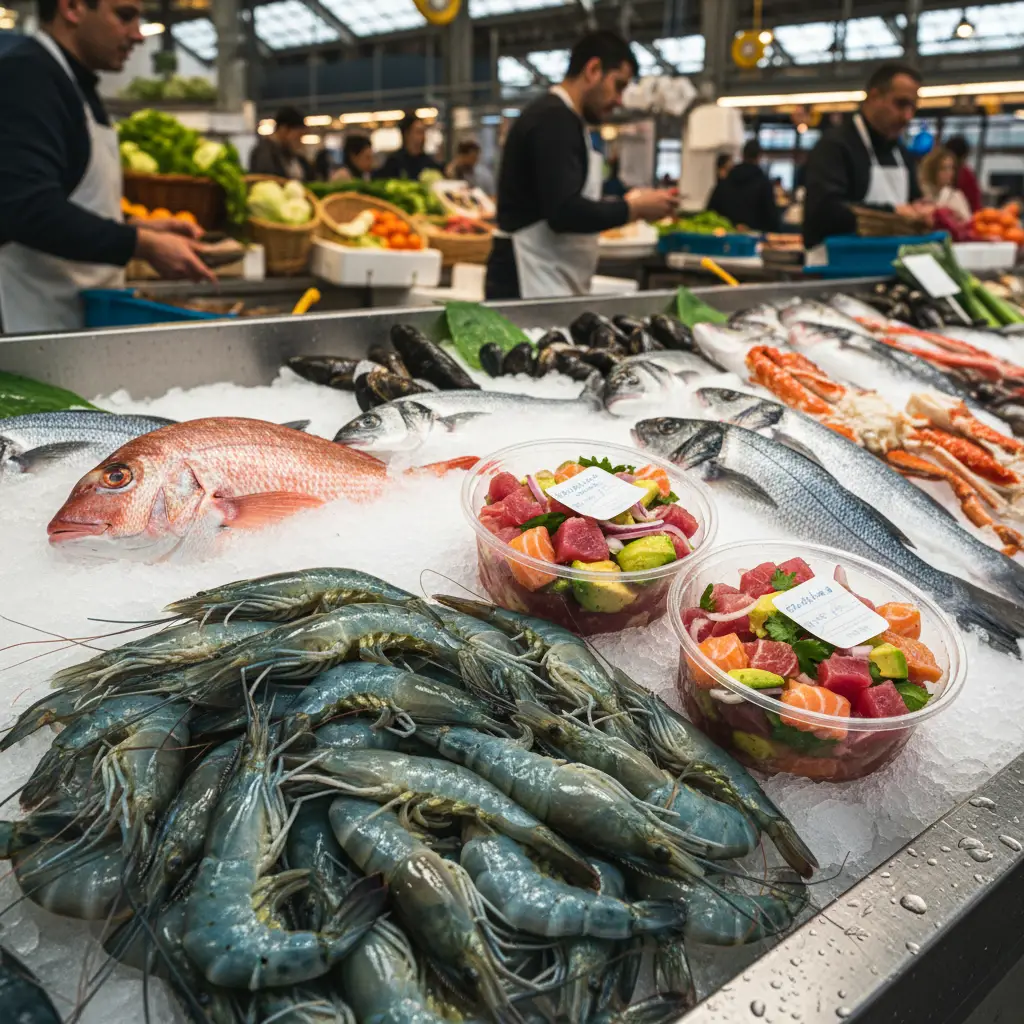
In a separate building at the back of the market lies the seafood hall. This area is a wet market, so watch your step on the slippery floors. The variety of marine life on display is staggering, showcasing the biodiversity of the New Caledonian lagoon, a UNESCO World Heritage site.
You will see whole Mahimahi, parrotfish with their beak-like mouths, yellowfin tuna, and deep-water snappers. However, the crown jewel of the seafood market is the Obsiblue Prawn (Crevette Bleue). These are unique to New Caledonia, famed for their sweet, delicate flesh and distinct blue tint when raw. They are considered a delicacy worldwide and are a must-try if you have access to a kitchen.
What is the most famous prepared seafood dish?
For tourists without cooking facilities, the essential purchase is the Salade Tahitienne. Despite the name, it is a staple of New Caledonian cuisine. It consists of raw fish (usually tuna or mahimahi) “cooked” in lime juice and mixed with coconut milk, cucumber, carrots, onions, and sometimes tomato. It is sold in plastic tubs of varying sizes at the seafood counters. It is safe, incredibly refreshing, and serves as a perfect lunch when paired with a fresh baguette.
Vietnamese and Indonesian Street Food
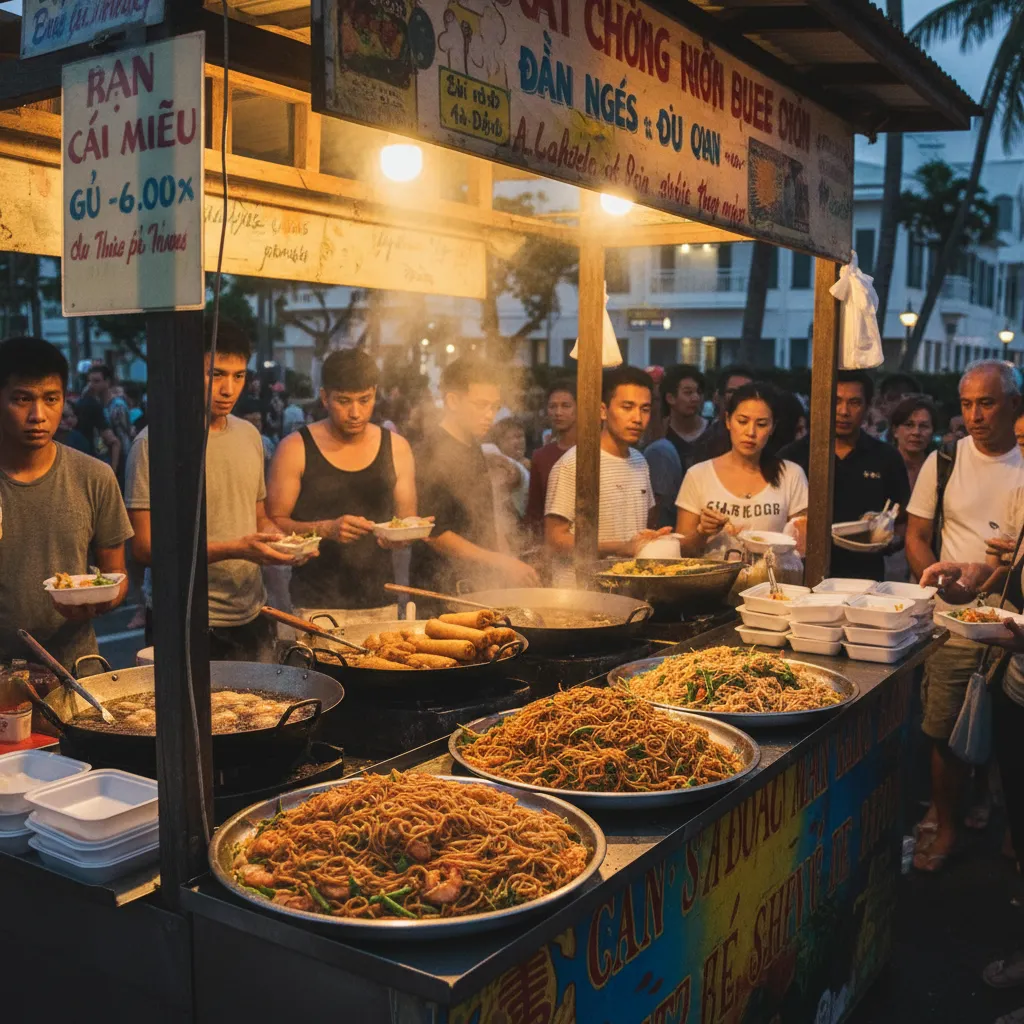
New Caledonia has a rich history of immigration, particularly from Vietnam and Indonesia, which has heavily influenced the noumea market food scene. As you wander the perimeter of the market, you will find stalls selling hot, prepared foods that offer a savory counterpoint to the French pastries.
Look for Nems (fried spring rolls), which are larger and meatier than standard spring rolls, often filled with pork, vermicelli, and wood ear mushrooms. They are typically sold with lettuce leaves and mint for wrapping. Another popular item is the Bokit, a fried dough sandwich filled with chicken, fish, or egg, originating from the Caribbean but adopted by locals.
For a heavier meal, plastic containers of Bami (Indonesian fried noodles) or venison curry are available. These stalls provide an affordable alternative to the expensive restaurants in the Baie des Citrons area, offering a generous meal for around 1000 XPF ($15 NZD).
Practical Tips for Visitors
To maximize your visit to the Port Moselle Market, preparation is key. The market operates on “island time” but adheres to strict closing hours.
What currency and payment methods are accepted?
Cash is king at the market. While some larger souvenir stalls inside the market might accept credit cards, the fruit, vegetable, and food vendors deal almost exclusively in Pacific Francs (XPF). Ensure you have small denominations (500 or 1000 franc notes) as vendors may struggle to break large bills early in the morning. There are ATMs located near the market entrance, but they often have long queues when cruise ships are in port.
What are the opening hours?
The market is open from Tuesday to Sunday, from 5:00 AM to 11:30 AM. It is technically closed on Mondays, although a few vendors might be present outside. The weekends (Saturday and Sunday) are the busiest and most vibrant days, featuring live music and a wider range of artisanal crafts alongside the food.
The Port Moselle Market is not just a place to buy food; it is a cultural bridge. Whether you are sipping a grand crème, peeling a fresh lychee, or savoring the lime-coconut tang of a raw fish salad, you are participating in the daily rhythm of Noumea. It is an unmissable gastronomic experience that perfectly encapsulates the French-Pacific lifestyle.
What is the best day to visit Noumea Market?
The best days to visit are Saturday and Sunday. On weekends, the market is at full capacity with all vendors present, often accompanied by live local music, creating a festive atmosphere that isn’t as prominent on weekdays.
Is the food at Noumea Market expensive?
Compared to dining in restaurants, the market is affordable, but prices are higher than in Southeast Asia. Expect to pay around 300-400 XPF for a pastry and 800-1200 XPF for a tub of raw fish salad. It is generally cheaper than supermarkets for fresh produce.
Can you eat at the market?
Yes, there is a central café area known as “La Buvette” with tables and chairs where you can order coffee and eat the pastries you have purchased. There are also benches outside near the marina for a picnic-style meal.
How far is the market from the cruise ship terminal?
The Port Moselle Market is very accessible for cruise passengers. It is approximately a 10-15 minute flat walk from the cruise ship terminal, or a short taxi/shuttle ride. Follow the waterfront path towards the marina.
Is tap water safe to drink in Noumea?
Yes, tap water in Noumea is generally safe to drink and meets high sanitary standards. However, at the market, most tourists prefer to buy bottled water or fresh coconut water straight from the shell.
What is the famous blue prawn in New Caledonia?
The “Crevette Bleue” (Blue Prawn) is a species unique to the lagoons of New Caledonia. They are prized by chefs worldwide for their sweet, delicate flavor and firm texture. You can buy them fresh at the market’s seafood section.