Bougna is the traditional festive dish of the Kanak people in New Caledonia, consisting of chicken, fish, or lobster wrapped in banana leaves with yams, taro, sweet potatoes, and coconut milk, then slow-cooked in a hot stone earth oven. To eat authentic Bougna in Nouméa, travelers must typically order 24 to 48 hours in advance at specialized restaurants like L’Assiette du Cagou or book a “Table d’Hôte” experience in the surrounding areas of Mont-Dore or Païta.
For New Zealanders looking to escape the unpredictable weather of Aotearoa, New Caledonia offers a tropical paradise less than three hours away. However, beyond the pristine beaches and In-Flight Dining: French Cuisine vs Kiwi Classics lies a deep, ancient culinary tradition that defines the Melanesian culture: the Bougna. Finding this dish in the bustling capital of Nouméa can be a challenge for the uninitiated, as it is traditionally a ceremonial meal rather than fast food. This guide serves as your comprehensive resource for understanding, locating, and respecting this culinary cornerstone.
What is Traditional Bougna?
Bougna (pronounced “boon-yah”) is far more than a simple stew; it is the emblem of Kanak identity. The word itself is derived from the Drehu language (lifou) word “puhnya,” meaning “bundle” or “pack.” In its purest form, it represents the marriage of the land and the sea, bound together by the coconut palm.
Unlike Western cooking methods that prioritize speed, Bougna is about patience. The flavors are distinctively earthy, sweet, and creamy. The banana leaves impart a subtle herbaceous aroma to the contents, steaming them in their own juices while protecting them from the direct heat of the stones. For a traveler coming from New Zealand, the taste profile might be reminiscent of a Hāngī, but with the rich, tropical addition of fresh coconut cream.

Ingredients and The Earth Oven Process
To truly appreciate the dish when you find where to eat Bougna in Nouméa, one must understand the components. The dish is a nutritional powerhouse of local agriculture.
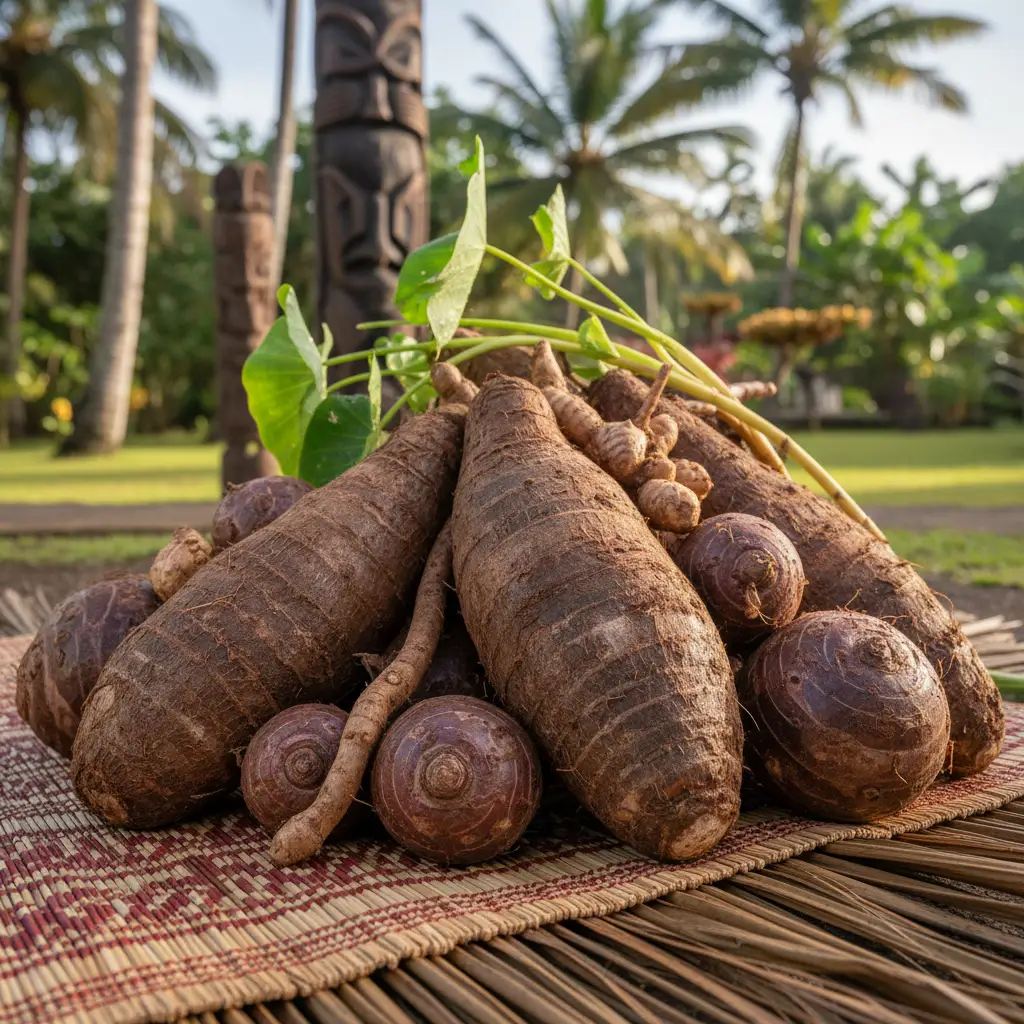
The Sacred Tubers
The foundation of any Bougna is the root vegetables, which hold significant cultural weight in Melanesian society:
- Taro (Colocasia esculenta): A staple tuber with a nutty flavor and purplish-white flesh.
- Yams (Dioscorea): The most sacred crop in Kanak culture, representing masculinity and leadership.
- Sweet Potato (Kumara): Adds a necessary sweetness to balance the savory elements.
- Manioc (Cassava): Often included for texture.
The Protein and Binding Agents
Vegetables are layered with protein. While chicken is the most common choice for tourists, traditional versions often feature fish caught from the lagoon, lobster (popinée), or Roussette (fruit bat), though the latter is a delicacy usually reserved for specific tribal customs. The entire mixture is liberally doused in freshly squeezed coconut milk, which caramelizes during the cooking process.
The Kanak Oven
The cooking method is identical to the Māori Hāngī or the Fijian Lovo. River stones are heated in a fire until they are white-hot. The prepared food, meticulously wrapped in softened banana leaves and tied with lianas (vines), is placed on the stones. It is then buried under earth and leaves to trap the heat. This method is known as the “Bougna à l’étouffée.” In modern Nouméa restaurants, you may also encounter “Bougna Marmite,” which is cooked in a heavy cast-iron pot. While delicious, the Marmite version lacks the smoky infusion of the earth oven.
Where to Eat Bougna in Nouméa: Top Locations
Finding a restaurant serving authentic Bougna in Nouméa requires planning. Because the dish takes hours to prepare and cook, you cannot simply walk into a restaurant and order it off the menu instantly. The golden rule for eating Bougna in Nouméa is to reserve at least 24 hours in advance.
1. L’Assiette du Cagou
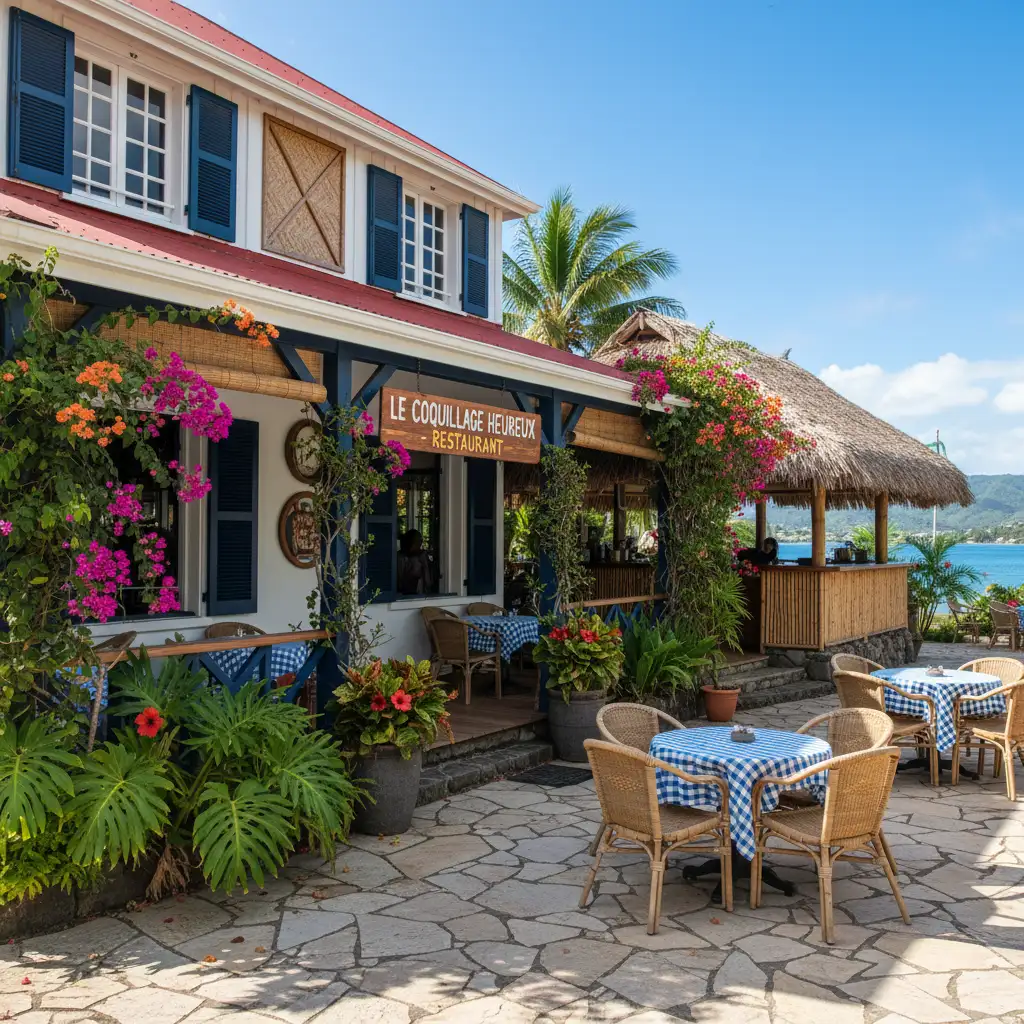
Located in the Val Plaisance district, L’Assiette du Cagou is frequently cited as one of the most reliable spots for local cuisine in the city. They specialize in French-Melanesian fusion, but their Bougna is prepared with respect to tradition. They typically offer both chicken and fish variants. It is essential to call ahead to confirm availability, as they prepare the ingredients fresh based on reservations.
2. La Marmite et Tire-Bouchon
As the name suggests, this establishment often serves the “Marmite” (pot) style of Bougna. While purists prefer the earth oven, the pot-roasted version here is exceptionally flavorful and tender. Located centrally, it is accessible for tourists staying in the Baie des Citrons or Anse Vata areas. It offers a great introduction to the flavor palette if you cannot make it out to a tribe.
3. Le Nakamal 21
While primarily a Kava bar (Nakamal), some of these establishments in the outskirts of Nouméa organize food nights. A Nakamal is a gathering place, and occasionally, Bougna is served to accompany the Kava sessions. This is a more rustic, authentic experience but requires local knowledge or a guide to navigate respectfully.
The Concept of ‘Table d’Hôte’: Dining with Locals
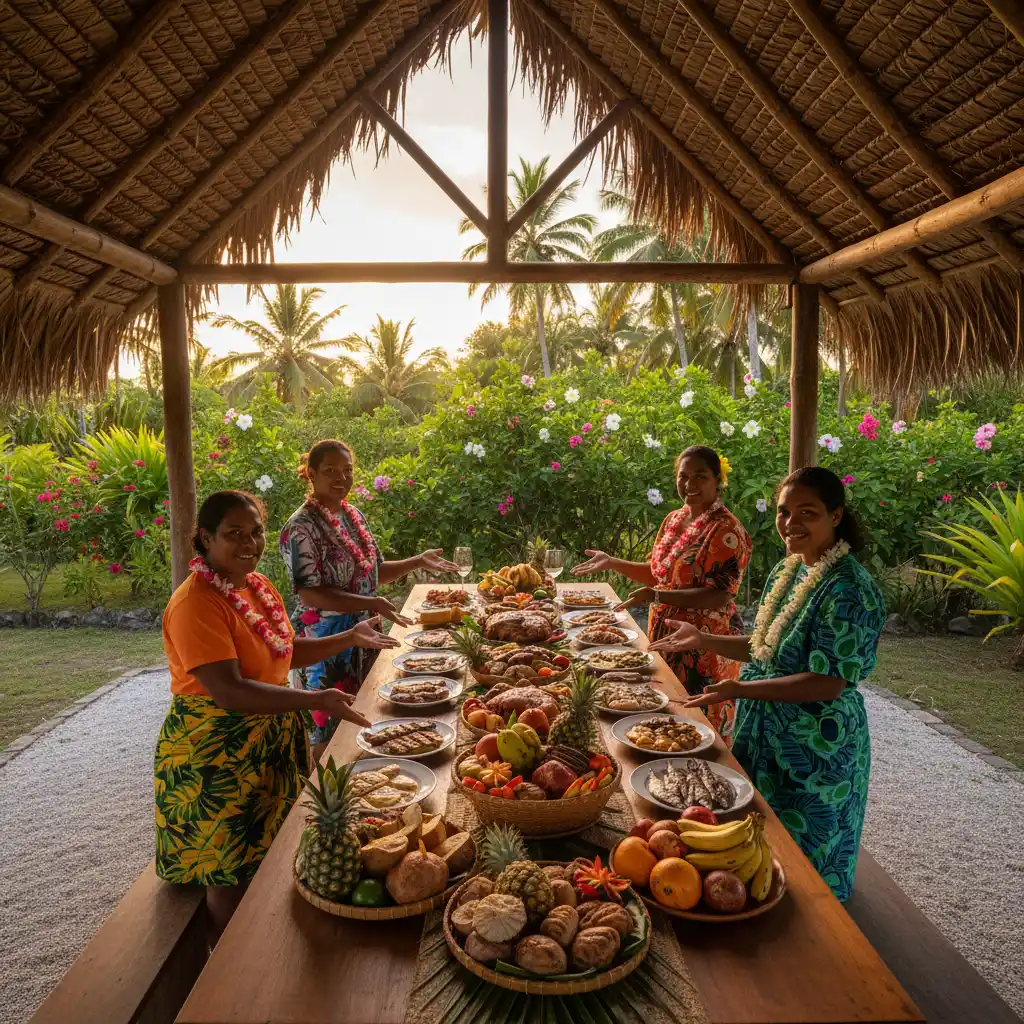
If you are searching for where to eat Bougna in Nouméa and want the most authentic experience possible, you should look beyond standard restaurants and seek out a “Table d’Hôte.” This is the French equivalent of a guest table or a hosted dinner in a private home.
In New Caledonia, many Kanak families open their homes to visitors to share their culture. This experience bridges the gap between tourism and genuine connection. You aren’t just a customer; you are a guest.
Why Choose a Table d’Hôte?
Restaurants in the city center have high overheads and often modify recipes for speed. A Table d’Hôte, often located in the “Grand Nouméa” area (like Mont-Dore, Païta, or Dumbea), will usually prepare the Bougna in a traditional earth oven in their backyard. You get to witness the unearthing of the food, a process filled with aromatic steam and anticipation.
Recommended Approach: Visit the Nouméa Tourist Office (Office de Tourisme) upon arrival. They maintain an updated list of certified Table d’Hôte hosts. Booking these experiences usually requires transportation, so consider renting a car or Arrival Logistics: Tontouta Airport to Noumea.
The Cultural Significance of Food in Kanak Society
To eat Bougna is to participate in a ritual of exchange. In Kanak custom (La Coutume), food is a language. The ingredients themselves tell a story of hierarchy and respect.
The Symbolism of the Yam
The yam is not merely a vegetable; it is the symbol of the ancestors. The agricultural calendar of the Kanak people revolves around the yam cycle. The harvest usually occurs around March or April, marked by the New Yam Festival. If you are visiting during this time, the Bougna takes on an even more sacred meaning, celebrating the renewal of the cycle of life.
The Structure of the Dish
The way a Bougna is assembled reflects the social structure. The ingredients are not tossed in randomly. They are layered carefully, wrapped tightly to preserve the “mana” (spirit/power) of the food within the leaves. When you share this meal, you are sharing the life force of the land.
Essential Tips for Kiwi Travelers
Traveling from New Zealand to New Caledonia is easy (check our guide on Stopover Options & Multi-City Itineraries), but navigating the cultural nuances ensures a better experience.
1. The “Coutume” (Customary Gesture)
If you are invited to a tribe or a Table d’Hôte in a rural area, it is polite to bring a small gift. This is known as “faire la coutume.” A piece of fabric (Manou), a small amount of money (1000-2000 CFP), or tobacco is traditionally offered to the chief or the host as a sign of respect. While not strictly required at a commercial restaurant in Nouméa, it is essential in tribal settings.
2. Language Barriers
While English is spoken in major hotels, French is the official language. Learning a few food-related phrases will endear you to the locals:
- “Je voudrais goûter le Bougna traditionnel” (I would like to taste traditional Bougna).
- “C’est délicieux” (It is delicious).
- “Merci pour l’accueil” (Thank you for the welcome).
3. Timing is Everything
Island time is real. A Bougna lunch is not a quick bite; it is an event. Plan for a 2-3 hour lunch experience. Relax, enjoy the environment, and do not rush the service.
Frequently Asked Questions
How much does a traditional Bougna cost in Nouméa?
Expect to pay between 2,500 and 4,500 CFP (approx. $35 – $65 NZD) per person. The price reflects the labor-intensive process and the high cost of local produce in New Caledonia.
Is Bougna suitable for vegetarians?
Yes, but you must request it specifically. A vegetable Bougna (Bougna Végétarien) is delicious, focusing on the yams, taro, pumpkin, and coconut milk, but standard orders usually assume chicken or fish.
What is the difference between Bougna and Hāngī?
Both use heated stones and earth ovens. However, Hāngī typically uses wire baskets and wet cloth/sacks, resulting in a steamed smoky flavor. Bougna wraps the food directly in banana leaves with coconut milk, creating a moister, creamier, and sweeter result.
Can I find Bougna at the Nouméa market?
On weekends, particularly Sunday mornings, you may find vendors at the Port Moselle Market selling portions of Bougna. Arrive very early (before 7:00 AM) as these sell out quickly to locals.
Is it safe to eat Bougna for tourists with sensitive stomachs?
Generally, yes. The food is cooked at high temperatures for long periods, which ensures it is safe. However, the richness of the fresh coconut milk can be heavy if you are not used to it.
Do I need to leave Nouméa to get the best Bougna?
For the most authentic “earth oven” experience, leaving the city center for the suburbs (Mont-Dore) or a nearby tribe is recommended. However, restaurants like L’Assiette du Cagou in the city offer a very high-quality version for those short on time.