The history of La Foa is inextricably linked to Fort Teremba, a former military stronghold and penal colony established in 1871. Originally named Fort Mason, it served as a strategic command center during the Kanak revolt of 1878 and housed convicts who built the region’s infrastructure, shaping the colonial heritage of New Caledonia’s central west coast.
The Origins of Colonial Settlement in La Foa
To understand the history of La Foa, one must look beyond the modern charm of its film festivals and sculpture parks and delve into the rugged, often turbulent 19th-century colonial expansion of New Caledonia. Located approximately 110 kilometers north of Nouméa, the La Foa region was identified early by French administrators as a prime location for agricultural development and settlement due to its fertile river valleys.
However, the establishment of the town was not a peaceful organic growth but a calculated military and penal maneuver. In the early 1870s, the French administration, seeking to solidify its hold on the Grande Terre and relieve the overcrowding of the convict population in Nouméa and Île des Pins, looked to the central west coast. The area, rich in water resources from the La Foa River, was designated as a center for colonisation pénale—settlement by convicts.
The concept was simple yet brutal: convicts (bagnards) would serve their sentences building roads and bridges—including the infrastructure that connects La Foa to the rest of the island today—and eventually be granted land concessions to farm. This policy aimed to transform criminals into settlers, thereby populating the colony. Consequently, the genealogy of many long-standing families in La Foa today can be traced back to these “liberated” convicts who chose to stay and cultivate the land after their sentences expired.
Construction and Purpose of Fort Teremba
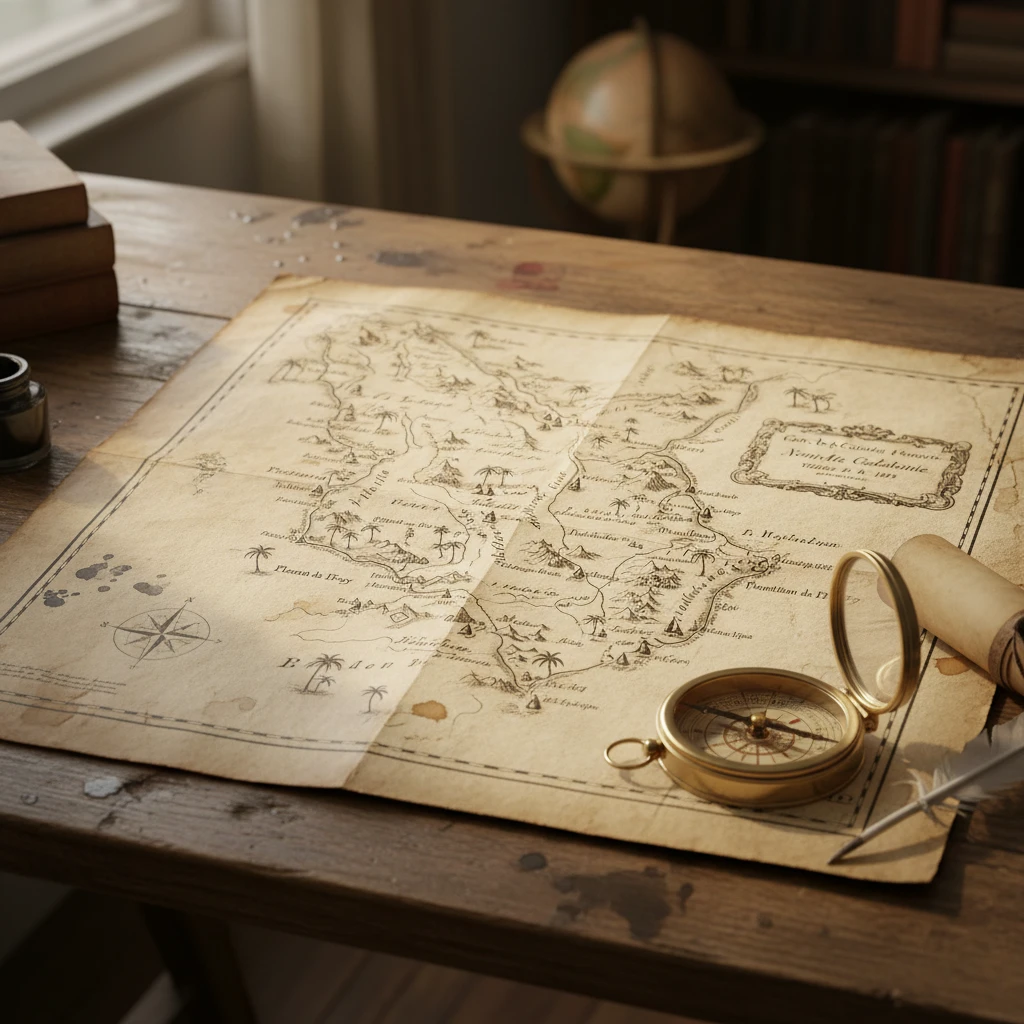
The crown jewel of this historical narrative is Fort Teremba. Situated in Moindou, just a short distance from La Foa, the fort is the physical embodiment of the region’s administrative and military history. Construction began in 1871, initially under the name Fort Mason, honoring a captain of the infantry. It was strategically positioned overlooking the bay of Teremba (Urai), serving as a critical surveillance point and a logistics hub for supplies arriving by sea from Nouméa.
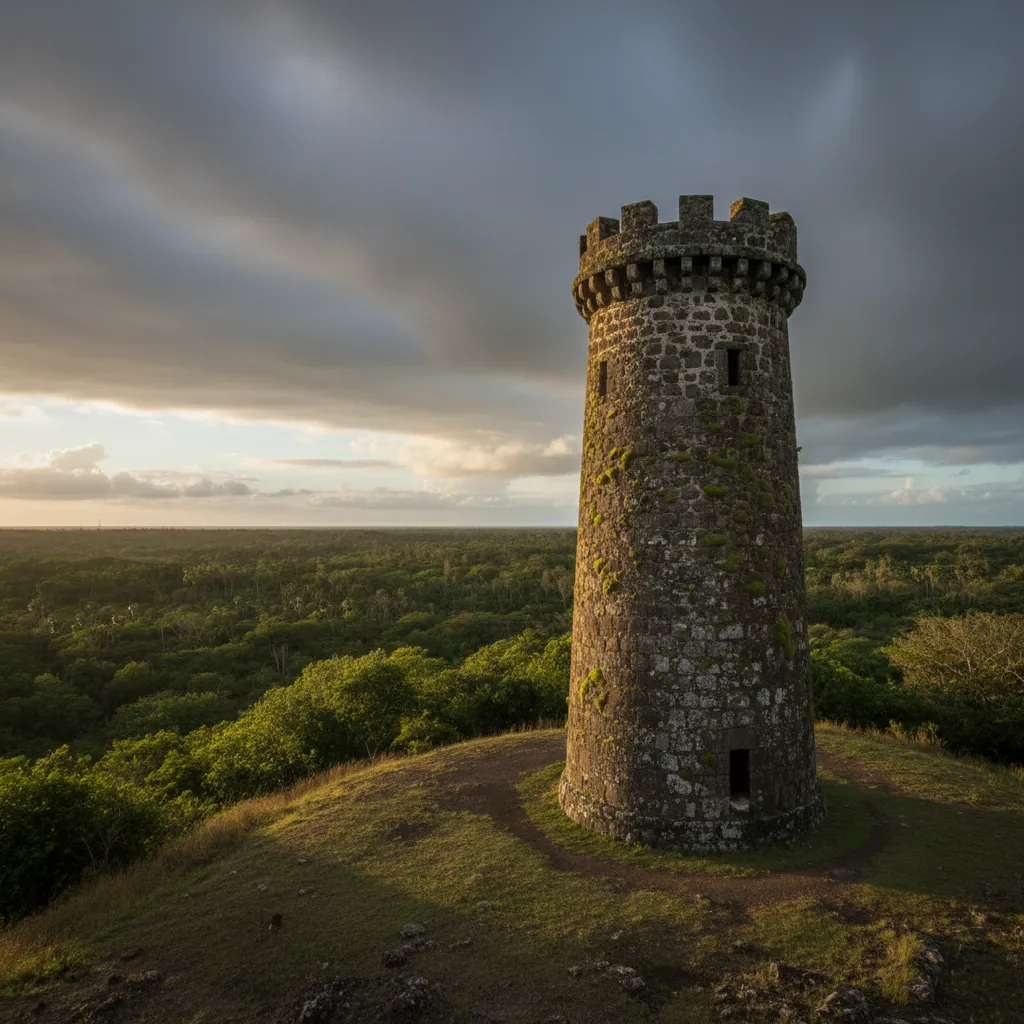
The architecture of the fort reflects the harsh realities of the era. Built by the very convicts it would later imprison, the structure utilized local stone, lime produced from burning coral, and bricks baked in on-site kilns. The complex was vast, encompassing not just the prison cells, but also administrative offices, a hospital, a bakery, a telegraph office, and barracks for the military guards.
For New Zealand history enthusiasts accustomed to the wooden colonial structures of the 19th century, the masonry and scale of Fort Teremba offer a stark contrast, resembling the heavier convict architecture found in Port Arthur, Tasmania. It was designed to be a self-sustaining fortress, capable of withstanding sieges while simultaneously managing a labor force of hundreds of prisoners.
The 1878 Kanak Revolt and Military Strategy
The history of La Foa and Fort Teremba is defined by the bloody events of 1878. As colonial cattle farming expanded, it increasingly encroached upon Kanak yam gardens and sacred sites, leading to rising tensions. This culminated in the Great Kanak Revolt, led by High Chief Atai. This was not a minor skirmish but a coordinated war that threatened to push the French entirely off the west coast.
Fort Teremba became the nerve center of the French military response. When the revolt broke out, the fort was besieged. The thick stone walls, which visitors can still touch today, were the only barrier between the terrified settlers and military personnel and the insurrection forces. The telegraph line at Teremba was crucial for calling in reinforcements from Nouméa, highlighting the fort’s technological importance at the time.
The suppression of the revolt led to significant changes in the La Foa region. Following the conflict, the military presence was reinforced, and the fort was expanded. The aftermath of the war reshaped the demographics of the area, leading to further land confiscations and the displacement of local tribes, a complex legacy that is acknowledged in modern historical interpretations of the site.
Inside the Walls: Life in the Penal Colony
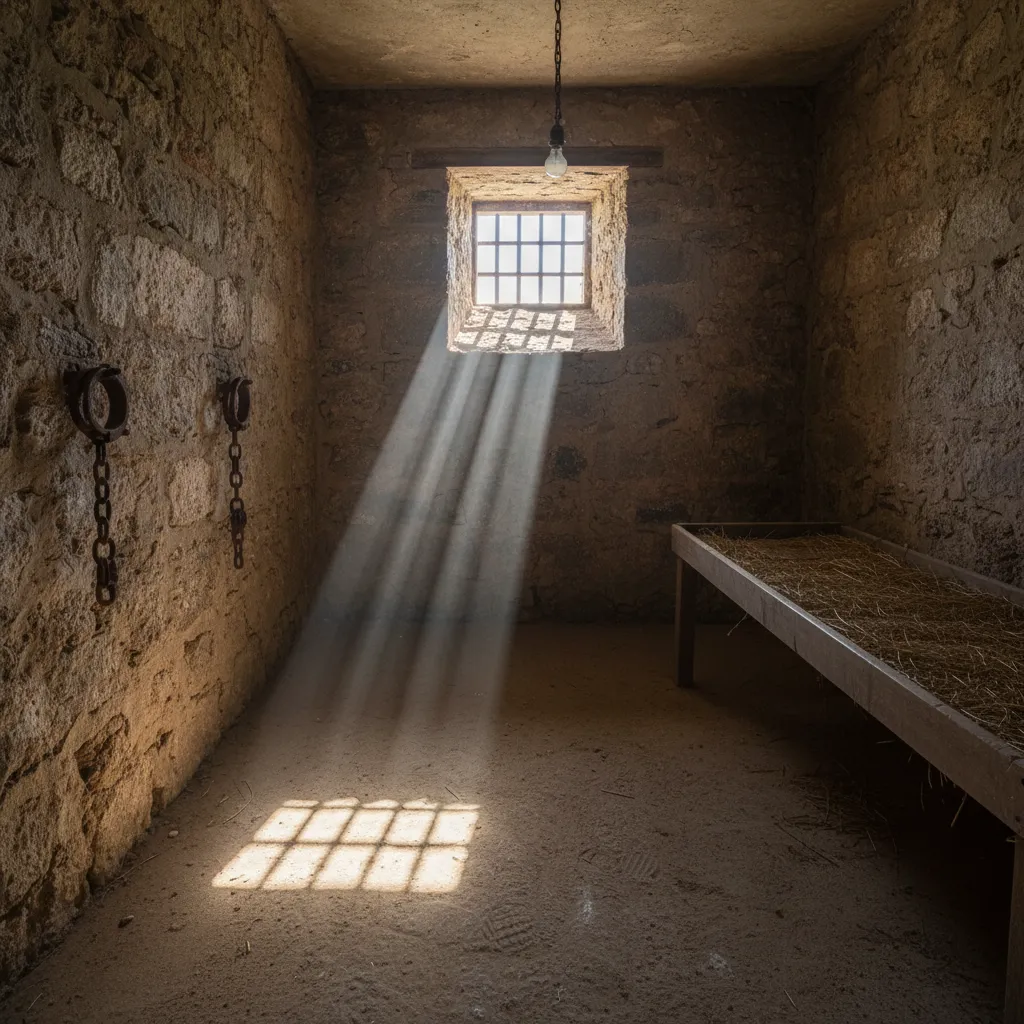
Visiting the prison cells today provides a chilling insight into the daily existence of the bagnards. The penal colony at Fort Teremba was not reserved solely for violent criminals; it also housed political prisoners, including some associated with the Paris Commune, and those convicted of minor offenses in France who were exiled to the Pacific.
Life was grueling. The prisoners were awakened before dawn to work on the road network—the very roads tourists drive on today to reach La Foa. They worked in tropical heat, often in chains, clearing dense bush and breaking stone. The hierarchy within the prison was rigid, with the “disciplinary huts” reserved for those who disobeyed orders. These solitary confinement cells, dark and airless, were feared by all.
However, the Fort was also a community of sorts. Historical records show that despite the harsh conditions, there was a functional bakery that produced hundreds of loaves of bread daily, and a library for the guards and administrative staff. The juxtaposition of brutal punishment and civilized administration is a recurring theme in the history of La Foa’s development.
From Ruins to Restoration: The Museum Experience
By the early 20th century, the penal colony system was abolished. Fort Teremba was abandoned in 1908 and fell into severe disrepair. For decades, the jungle reclaimed the site; roofs collapsed, and walls crumbled. It wasn’t until 1984 that the “Marguerite Association” was founded with the goal of saving this heritage site.
Today, the restoration work is nothing short of miraculous. The site serves as a comprehensive open-air museum. Visitors can walk through the restored Commandant’s house, the prison cells, and the watchtowers. The museum creates an immersive experience, using mannequins, authentic artifacts, and detailed storyboards (often available in English for NZ and Australian visitors) to narrate the history of La Foa.
Key highlights of the museum include:
- The Wall of the Disappeared: Tributes to those who died during the construction and operation of the fort.
- The Guillotine Courtyard: A somber reminder of the ultimate justice dispensed within the penal system.
- The Telegraph Station: Restored to show how communications were managed during the 1878 revolt.
The Spectacle of History: Sound and Light Shows
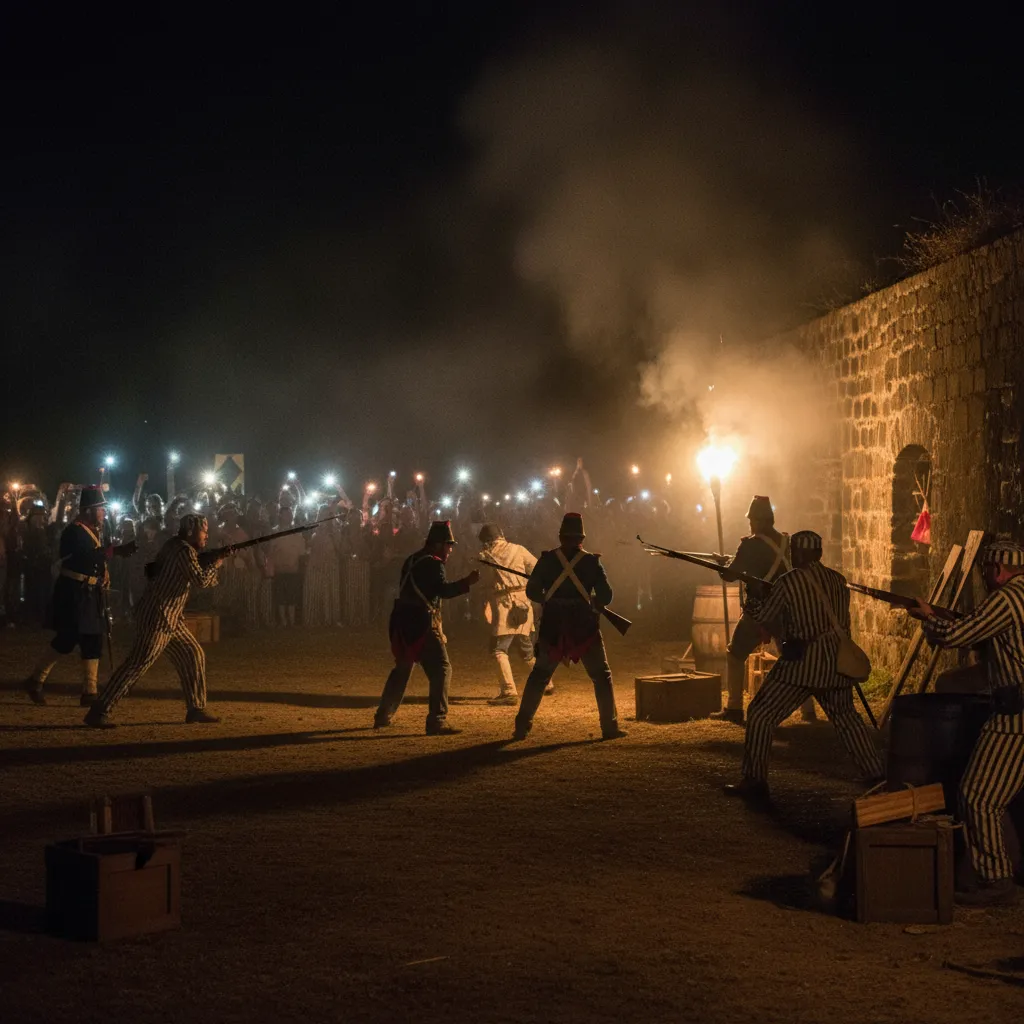
For travelers planning their trip to New Caledonia, timing a visit to coincide with the Fort Teremba “Son et Lumière” (Sound and Light) show is highly recommended. Usually held once a year (often around October or November), this is one of the island’s most significant cultural events.
The show is a massive community effort involving hundreds of volunteers from La Foa, Moindou, and surrounding villages. It is not merely a laser show; it is a live-action historical reenactment. Actors in period costumes—playing convicts, soldiers, settlers, and Kanak warriors—bring the history of La Foa to life. The performance covers the arrival of the French, the daily life of the penal colony, and the tragic events of the 1878 revolt.
The atmosphere during these shows is electric. The fort is illuminated against the night sky, and the sound of cannons, horses, and dialogue echoes off the old stone walls. For a New Zealand tourist, it offers a way to visualize the history that is far more impactful than reading a plaque. It transforms the static ruins into a living theater of memory.
Visiting La Foa: Practical Information for NZ Travelers
While Fort Teremba is the historical anchor, the town of La Foa itself is a delightful stop on any New Caledonia road trip. Located just over an hour’s drive from La Tontouta International Airport, it serves as the gateway to the Great South and the bush.
What else to see in La Foa?
The history of La Foa extends into the town center. The Passerelle Marguerite is a must-see engineering marvel. Designed by the workshops of Gustave Eiffel (famous for the Eiffel Tower), this bridge was opened in 1909 to cross the La Foa River. It stands as a testament to the post-penal colony development of the region, marking the transition from a military outpost to a civilian agricultural hub.
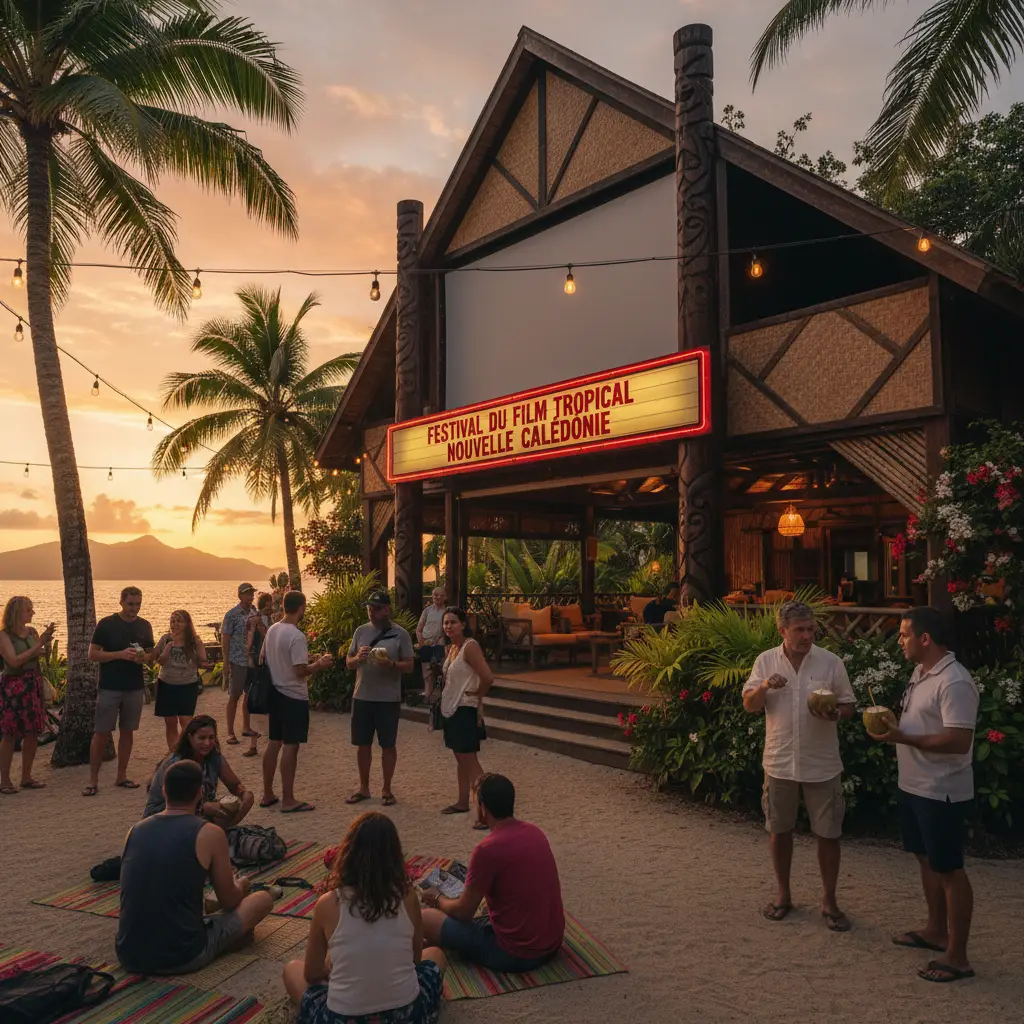
Additionally, the town is famous for its large sculptures placed in public parks, a result of annual woodcarving festivals, blending the colonial past with modern artistic expression. The connection to the arts is further cemented by the annual La Foa Film Festival, which draws cinema enthusiasts from across the Pacific.
Travel Tips
- Getting There: Rent a car from Nouméa. The drive on the RT1 is smooth and scenic. Remember, in New Caledonia, you drive on the right-hand side of the road—the opposite of New Zealand.
- Best Time to Visit: The cool season (May to October) is ideal for walking around the open-air museum of Fort Teremba without the intense tropical heat.
- Language: While English is spoken in major hotels, having a translation app or a few basic French phrases is helpful in rural areas like La Foa.
The history of La Foa is a tapestry woven with threads of hardship, conflict, and resilience. From the stone cells of Fort Teremba to the steel curves of the Marguerite Bridge, the region offers a profound glimpse into how New Caledonia was forged. For the modern traveler, it is an essential pilgrimage to understand the depth and complexity of this Pacific neighbor.
What is the main historical significance of La Foa?
La Foa is historically significant as a center of French penal colonization and a strategic military point during the 1878 Kanak revolt. It served as a hub for convicts who built the region’s infrastructure, including roads and bridges, shaping the development of New Caledonia’s west coast.
Can you visit the prison cells at Fort Teremba?
Yes, visitors can explore the restored prison cells at Fort Teremba. The site operates as an open-air museum where you can enter the cells, administrative buildings, and watchtowers to experience the conditions of the 19th-century penal colony.
How far is Fort Teremba from Nouméa?
Fort Teremba is located in Moindou, near La Foa, approximately 120 kilometers north of Nouméa. It takes about 1 hour and 30 minutes to drive there via the RT1 highway, making it an accessible day trip or overnight stop.
Who was Chief Atai and why is he important to La Foa’s history?
Chief Atai was the leader of the 1878 Great Kanak Revolt against French colonial land confiscation. He is a pivotal historical figure because his resistance forces besieged Fort Teremba, and his leadership defined the conflict that reshaped the region’s demographics and colonial policy.
When is the Sound and Light show at Fort Teremba?
The Sound and Light show (Son et Lumière) is a seasonal event, typically held once a year around October or November. Exact dates vary annually, so it is recommended to check the local tourism calendar or the Fort Teremba association website before booking.
Is the Marguerite Bridge in La Foa related to the Eiffel Tower?
Yes, the Passerelle Marguerite in La Foa was designed by the disciples of Gustave Eiffel, the engineer behind the Eiffel Tower. Opened in 1909, the bridge features the riveted steel lattice construction characteristic of Eiffel’s engineering style.