
Lifou Island is the largest and most dynamic of the Loyalty Islands in New Caledonia, renowned for its pristine marine biodiversity, dramatic coral cliffs, and rich Kanak culture. A premier destination for eco-tourism, it offers world-class snorkeling at Jinek Bay, extensive organic vanilla plantations, and secluded white-sand beaches like Luengoni.
Why is Lifou Island a Must-Visit Destination?
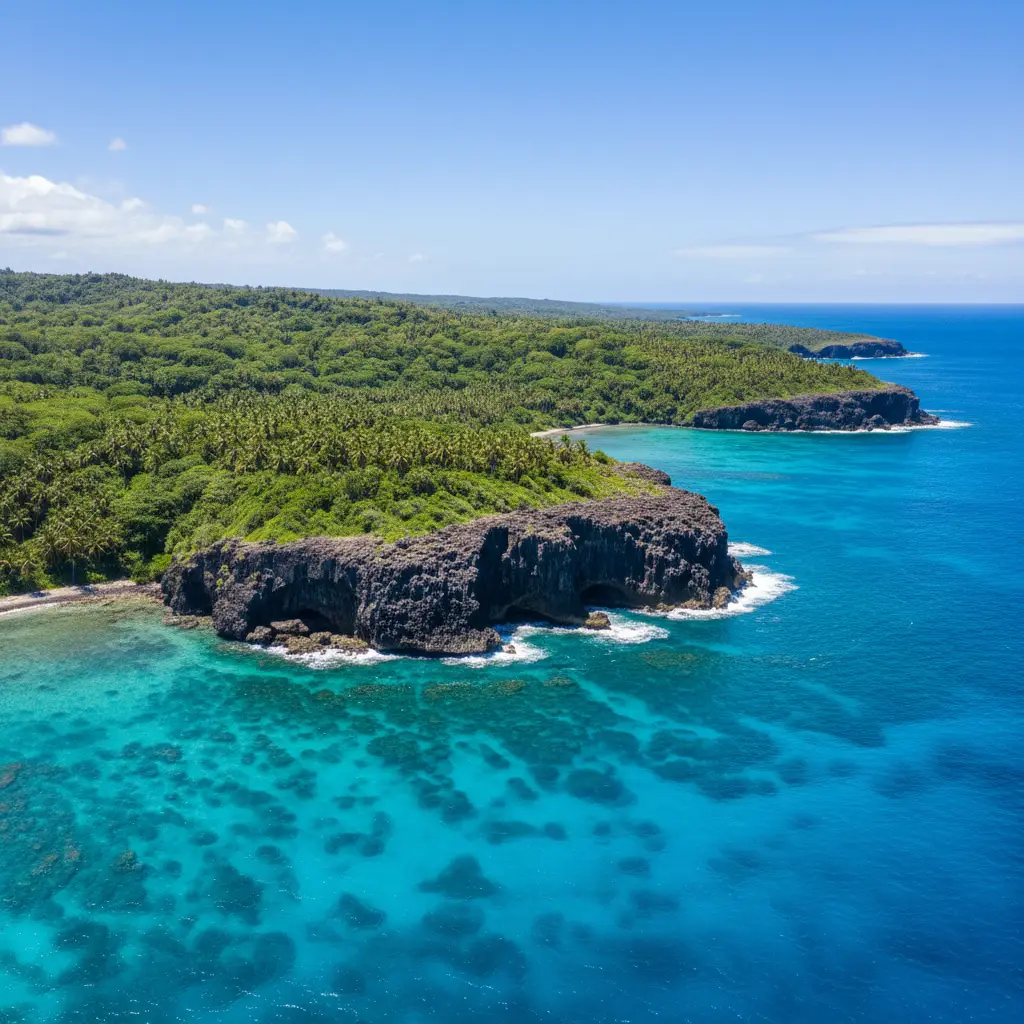
Lifou Island (Drehu in the local language) stands as the centerpiece of the Loyalty Islands province. Unlike the mountainous terrain of New Caledonia’s main island, Grande Terre, Lifou is an immense raised coral atoll. This geological distinction creates a landscape of flat plateaus, steep coastal cliffs, and arguably some of the clearest waters in the South Pacific.
For travelers arriving from New Zealand or Australia, Lifou represents an accessible yet exotic escape. It strikes a rare balance between developed tourism infrastructure and authentic tribal life. Visitors can enjoy comfortable resorts while also engaging deeply with the Kanak people through customary gestures and village stays. As we move through 2024 and into 2025, Lifou continues to refine its sustainable tourism practices, ensuring that its “brown gold” (vanilla) and “blue gold” (the lagoon) remain preserved for future generations.
What Makes Jinek Bay the Best Snorkeling Spot?
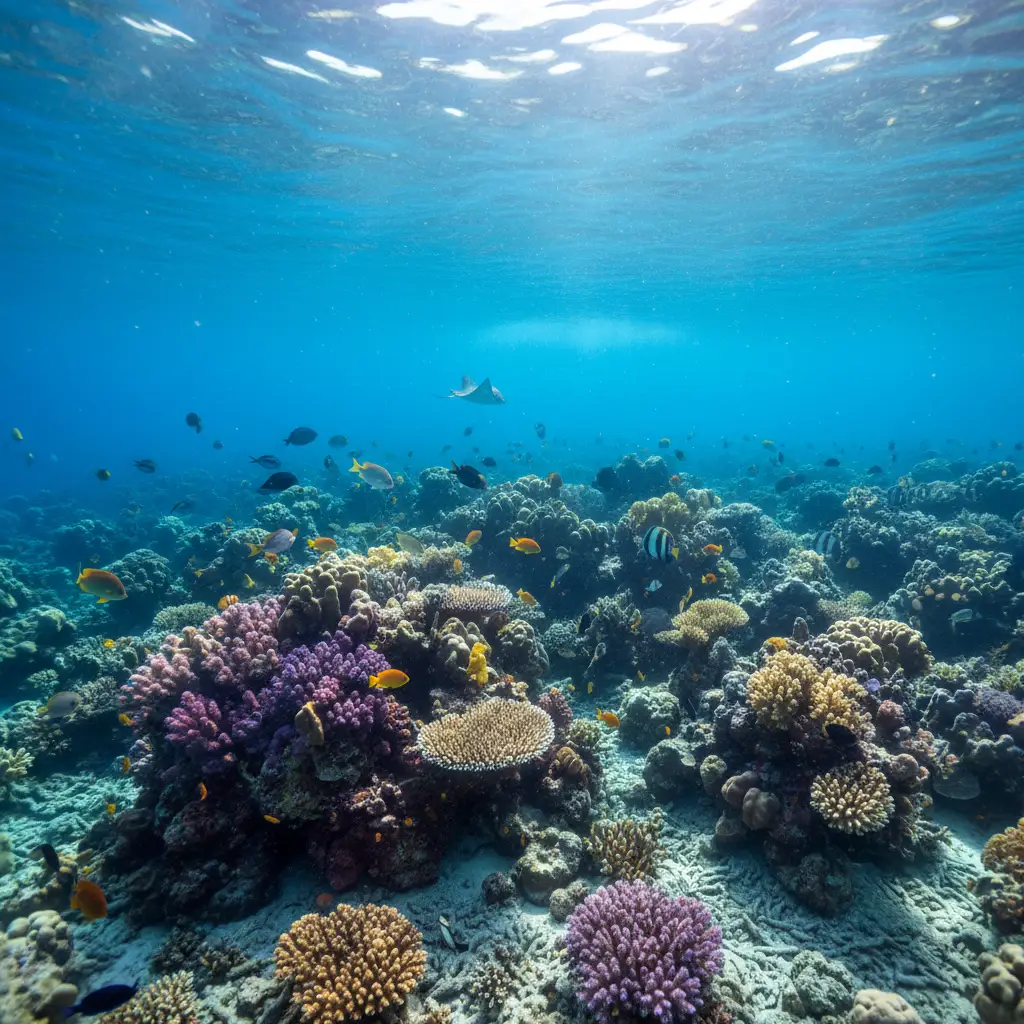
Jinek Bay is frequently cited as one of the premier snorkeling locations in the world, not just in New Caledonia. Located near the village of Easo on the northwest coast, this marine reserve is a natural aquarium teeming with biodiversity.
The Marine Reserve Experience
The bay is a protected marine sanctuary. To preserve the delicate coral ecosystems, access is regulated. Visitors typically purchase a pass (approx. 1500 XPF) which grants access to the water via purpose-built wooden staircases. This infrastructure prevents tourists from walking on the reef flats, protecting the coral from damage.
Once in the water, the visibility often exceeds 30 meters. Snorkelers can expect to see:
- Vibrant Coral Gardens: Massive heads of brain coral, staghorn coral, and soft corals in purple and gold hues.
- Tropical Fish: Schools of parrotfish, butterflyfish, clownfish, and the occasional turtle or reef shark.
- Underwater Topography: The drop-offs and coral structures create a maze-like environment that is safe for beginners yet fascinating for advanced freedivers.
Pro Tip for 2025: Due to increased conservation efforts, the number of simultaneous swimmers is strictly capped. If you are arriving via a cruise ship tender or a busy flight, head to Jinek Bay early in the morning to secure your spot.
How to Experience Lifou’s Vanilla Plantations
Lifou is known as the “Vanilla Island.” The production of vanilla is not just an agricultural activity here; it is a cultural art form. The vanilla produced in the Loyalty Islands is 100% natural and organic, grown in the undergrowth of the tropical forest rather than in open fields.
Visiting a Vanilla Farm
One of the most popular activities is visiting a plantation, such as the ones in the Mukaweng or Jozip districts. Guided tours typically walk visitors through the labor-intensive process of vanilla cultivation:
- Pollination: Since the Melipona bee (native to Mexico) is not present in New Caledonia, every single vanilla orchid must be hand-pollinated. This delicate procedure usually takes place between September and December.
- Harvesting: The green pods are harvested roughly nine months after pollination.
- Curing: The beans undergo a scalding process, followed by sweating in blankets and slow drying in the sun to develop their signature aroma and dark color.
Visitors can purchase vanilla pods, extract, and vanilla-infused coffee directly from the producers. This is the ultimate souvenir, supporting the local tribal economy directly.
What to Expect at the Cliffs of Jokin
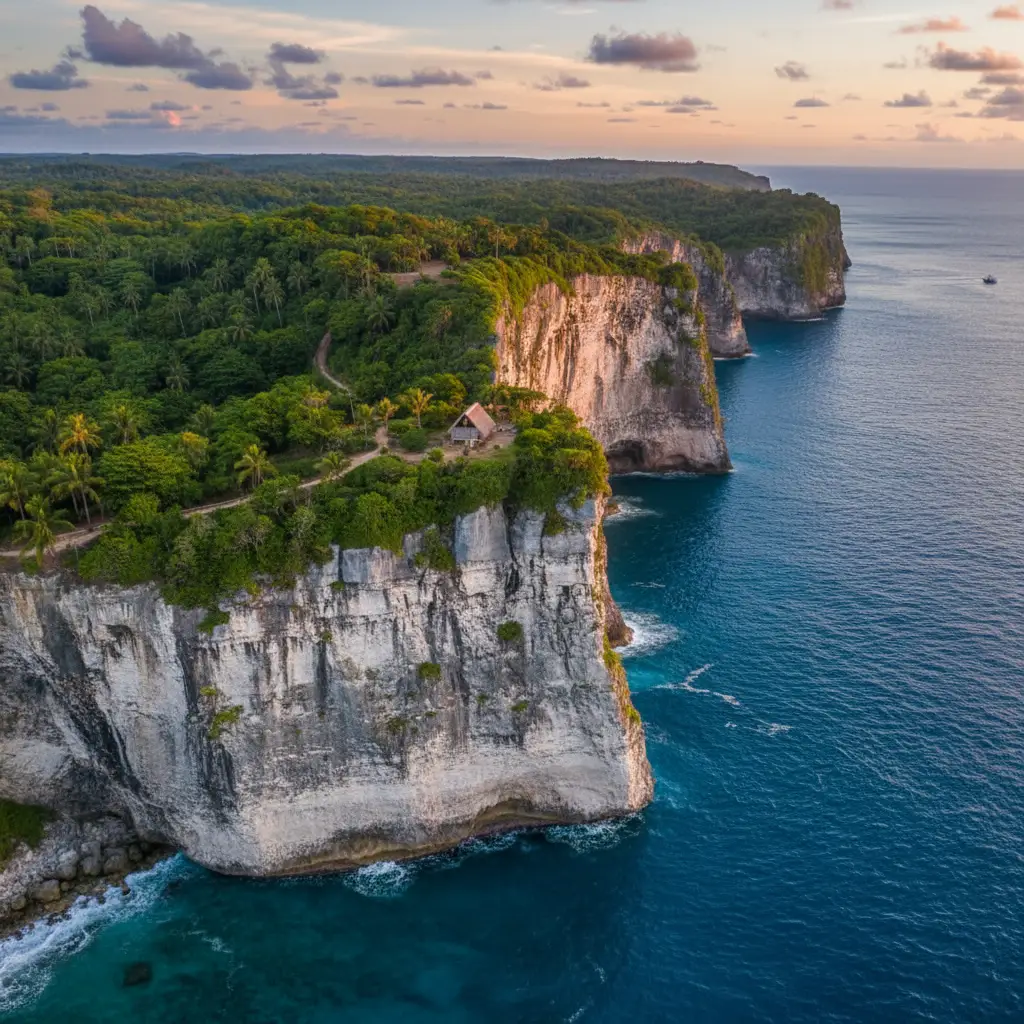
On the northern tip of the island lies Jokin (pronounced “Zho-keen”), home to spectacular limestone cliffs that drop 40 meters vertically into the deep blue ocean. This geological formation reveals the island’s history as a raised coral atoll.
The view from the top is breathtaking, offering a panoramic vista of the endless Pacific. However, the true magic lies at the base. A staircase carved into the cliffside allows visitors to descend to the water level. Unlike the sandy beaches found elsewhere, Jokin offers a rugged, wild beauty.
Snorkeling here is possible for strong swimmers when the sea is calm. The water is deeper and darker blue than at Jinek, and the coral formations on the cliff walls are massive. It is also a prime spot for spotting larger pelagic fish passing by the point.
Exploring Luengoni Beach and the Hidden Caves
While Jinek attracts snorkelers and Jokin attracts sightseers, Luengoni Beach is the paradise for sun-seekers. Located on the southeast coast, Luengoni boasts some of the whitest, finest sand in the world, flanked by electric blue water.
The Jewels of Luengoni
Beyond the beach, Luengoni is famous for its underwater caves, often referred to as the “Jewels of Luengoni.” These are freshwater sinkholes (cenotes) hidden within the forest, connected to the ocean via underground tunnels.
To visit these caves, you must hire a local guide. The experience involves a short hike through the bush followed by a swim in crystal-clear fresh water in near-total darkness, illuminated only by flashlights. The water is so clear that it is often invisible until you touch it. This is a must-do for adventurous travelers.
Where to Stay on Lifou Island
Lifou offers accommodation options ranging from comfortable hotels to immersive tribal homestays. Booking in advance is highly recommended, especially during the peak seasons (July-August and December-January).
Hotels and Resorts
- InterContinental Lifou Wadra Bay Resort (New for 2024/2025): The newest luxury addition to the island, located in the south. It offers 5-star amenities, villas, and direct access to Wadra Bay, catering to the high-end market previously underserved on the outer islands.
- Hotel Oasis de Kiamu: Located in Jozip, nestled within a coconut grove beneath the cliffs. It offers apartments and bungalows with a pool and excellent restaurant.
- Drehu Village Hotel: Situated on the magnificent Chateaubriand Beach in Wé (the island’s administrative center). It features bungalows right on the water and is convenient for accessing amenities like banks and supermarkets.
Accueil en Tribu (Tribal Homestays)
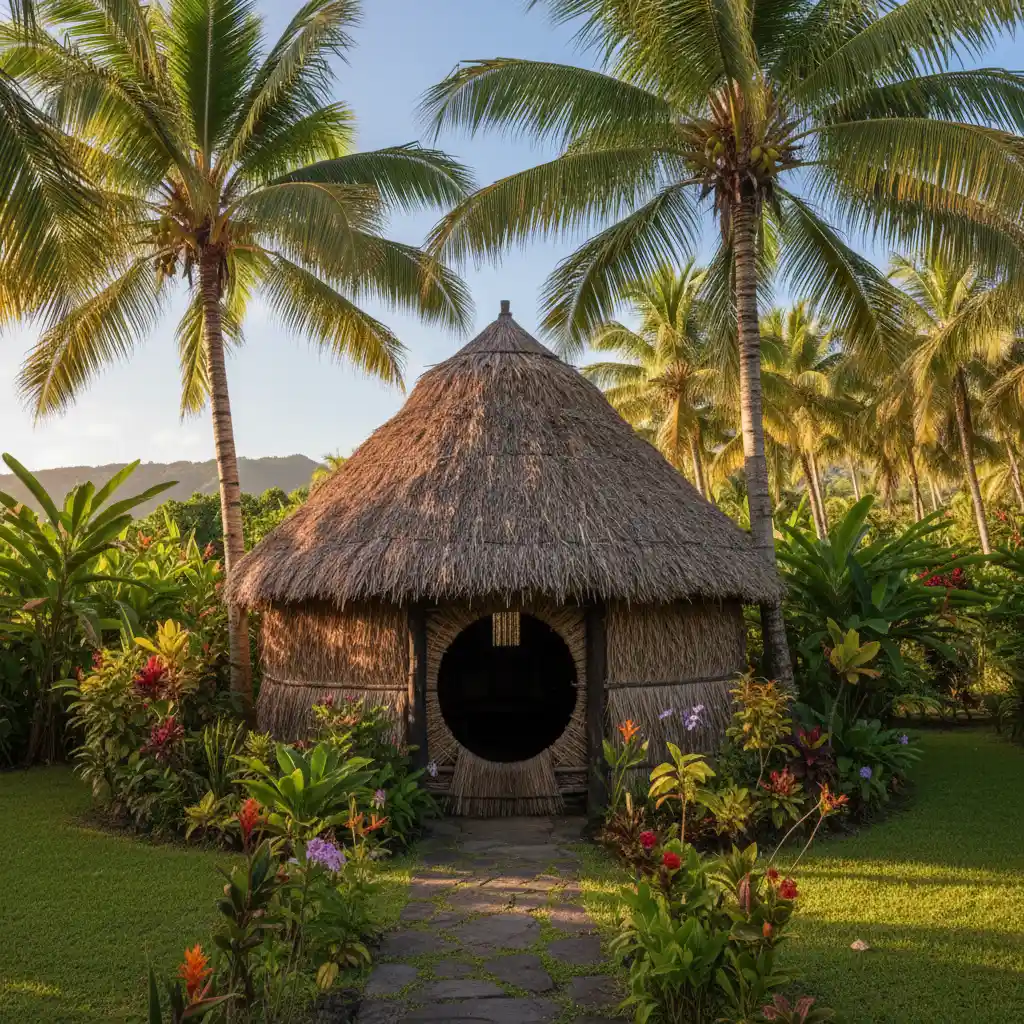
For an authentic experience, consider a “Gîte” or tribal stay. You will stay in a traditional thatched hut (Case) or a simple bungalow within a local village. This offers a unique opportunity to share meals with a Kanak family and understand their customs. Popular options include Lila in the north or Hnathalo.
How to Get to Lifou from New Zealand
Traveling to Lifou requires a connection through Nouméa, the capital of New Caledonia.
Step 1: New Zealand to Nouméa
Air New Zealand and Aircalin operate regular flights from Auckland (AKL) to Nouméa-La Tontouta International Airport (NOU). The flight time is approximately 3 hours. As of late 2024, schedules have stabilized following regional disruptions, but always check current flight status.
Step 2: Nouméa to Lifou
From La Tontouta, you must transfer to the domestic airport, Magenta (GEA), located about 45 minutes away by shuttle bus or taxi. From Magenta, Air Calédonie offers multiple daily flights to Lifou (Wanaham Airport). The flight takes just 40 minutes and offers spectacular views of the lagoon.
Alternative: The Betico Ferry
For those with more time, the Betico high-speed catamaran sails from Nouméa to Lifou. The journey takes roughly 5 hours. It is more affordable than flying and allows for more luggage, but sea conditions can be rough.
Currency and Connectivity
The currency is the Pacific Franc (XPF). While the resorts accept credit cards, cash is essential for tribal stays, small shops, and market stalls. Internet connectivity has improved with 4G available across most of the island, though remote spots may still have limited coverage.
Is Lifou Island safe for tourists?
Yes, Lifou is generally very safe for tourists. The crime rate is low, and the local population is welcoming. However, it is important to respect local customs (La Coutume) and ask permission before entering tribal lands or taking photos of people. Always check current travel advisories regarding New Caledonia before booking.
What is the best time of year to visit Lifou?
The best time to visit is during the shoulder seasons of September to November and April to May. These months offer pleasant temperatures (20°C – 28°C) and less rainfall. The vanilla harvest season (June to August) is cooler but culturally significant. February and March are typically the hottest and wettest months.
Do I need a visa for New Caledonia?
Passport holders from New Zealand, Australia, the USA, and the EU generally do not need a visa for short tourist stays (up to 90 days). However, ensure your passport has at least 6 months of validity remaining from your date of arrival.
Can you drink the tap water on Lifou?
Tap water in the main villages and resorts is generally safe to drink, as it comes from freshwater lenses within the coral. However, in more remote tribal stays or if you have a sensitive stomach, bottled water is recommended.
How do I get around Lifou Island?
Renting a car is the most practical way to explore Lifou, as the island is large (larger than Tahiti). Rentals can be arranged at Wanaham Airport or through your accommodation. There is limited public bus service, and taxis can be expensive for long distances.
What is “La Coutume”?
“La Coutume” refers to the customary gesture of exchange and respect in Kanak culture. When arriving at a tribal homestay or visiting a specific site on tribal land, it is polite to offer a small gift (a piece of fabric, a 500 XPF note, or tobacco) to the chief or host as a sign of respect and to ask for their hospitality.