Comparing P&O shore excursions vs local tours reveals a distinct trade-off between guaranteed convenience and authentic value. While P&O offers the security of guaranteed ship return and seamless ticketing, local operators in New Caledonia typically provide smaller group sizes, customizable itineraries, and significant cost savings of 30% to 50% for New Zealand travellers.
For many Kiwi cruisers heading to the tropical waters of New Caledonia, the excitement of booking a P&O cruise is often followed by the sticker shock of the official shore excursions. Whether you are docking in the bustling capital of Noumea, the pristine Isle of Pines, or the coral-rich Lifou, the dilemma remains the same: Do you pay the premium for the cruise line’s “peace of mind,” or do you venture out with local operators to save money and escape the crowds?
This comprehensive guide breaks down the financial, logistical, and experiential differences to help you decide where to spend your hard-earned New Zealand dollars.
What are the main differences between P&O excursions and local tours?
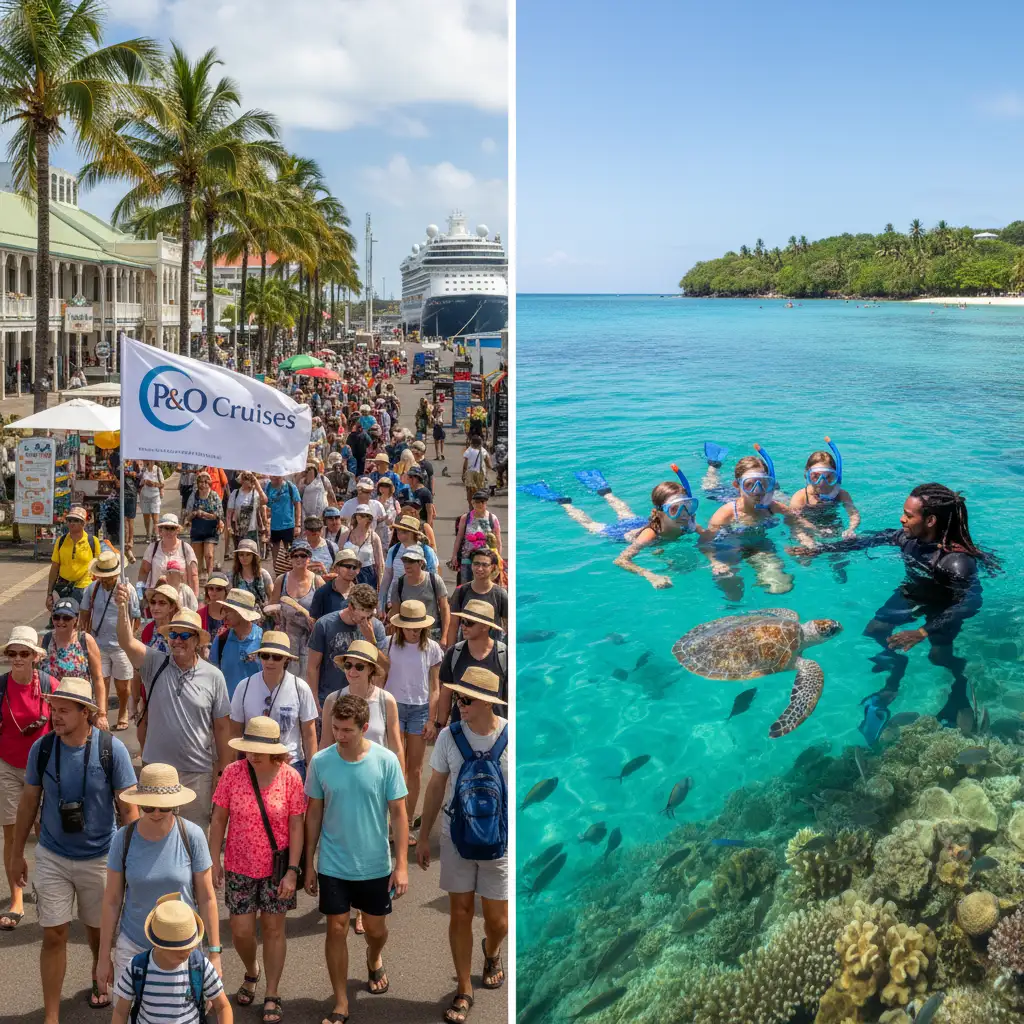
When you compare P&O shore excursions vs local tours, you are essentially choosing between a managed ecosystem and an independent adventure. P&O Pacific cruises cater heavily to the Australian and New Zealand market, and their shore excursions are designed to handle hundreds of passengers simultaneously. This mass-market approach ensures efficiency but often sacrifices intimacy.
The P&O Shore Excursion Experience
P&O acts as an aggregator. They do not own the buses or the boats in New Caledonia; they contract local operators, add a significant markup for their service and liability coverage, and sell the package to you. The primary selling point is the “Guarantee.” If a P&O tour runs late, the ship will wait. If the weather cancels the tour, the refund is automatic to your onboard account.
The Local Tour Experience
Booking locally involves engaging directly with New Caledonian businesses. In ports like Noumea, this is incredibly easy as tourism infrastructure is developed. In Lifou and Isle of Pines, it often means negotiating with locals at the wharf or booking online beforehand. The experience is generally more authentic, the groups are smaller (often minivans vs. 50-seater coaches), and the money goes directly into the local economy rather than being filtered through the cruise line.
How much can you save by booking locally?
For New Zealanders watching the exchange rate between the NZD and the Pacific Franc (XPF), cost is a major factor. Generally, P&O excursions are priced at a premium. Below is a comparative analysis of popular activities across the three main New Caledonian ports. Note: Prices are estimates based on average current exchange rates and seasonal fluctuations.
| Activity / Location | P&O Excursion (Approx NZD) | Local Operator (Approx NZD) | Potential Savings |
|---|---|---|---|
| Noumea: Tchou Tchou Train | $75 – $90 pp | $35 – $45 pp | ~50% |
| Isle of Pines: Natural Pool Snorkel | $120 – $150 pp | $40 (Transfer) + $5 (Entry) | ~65% |
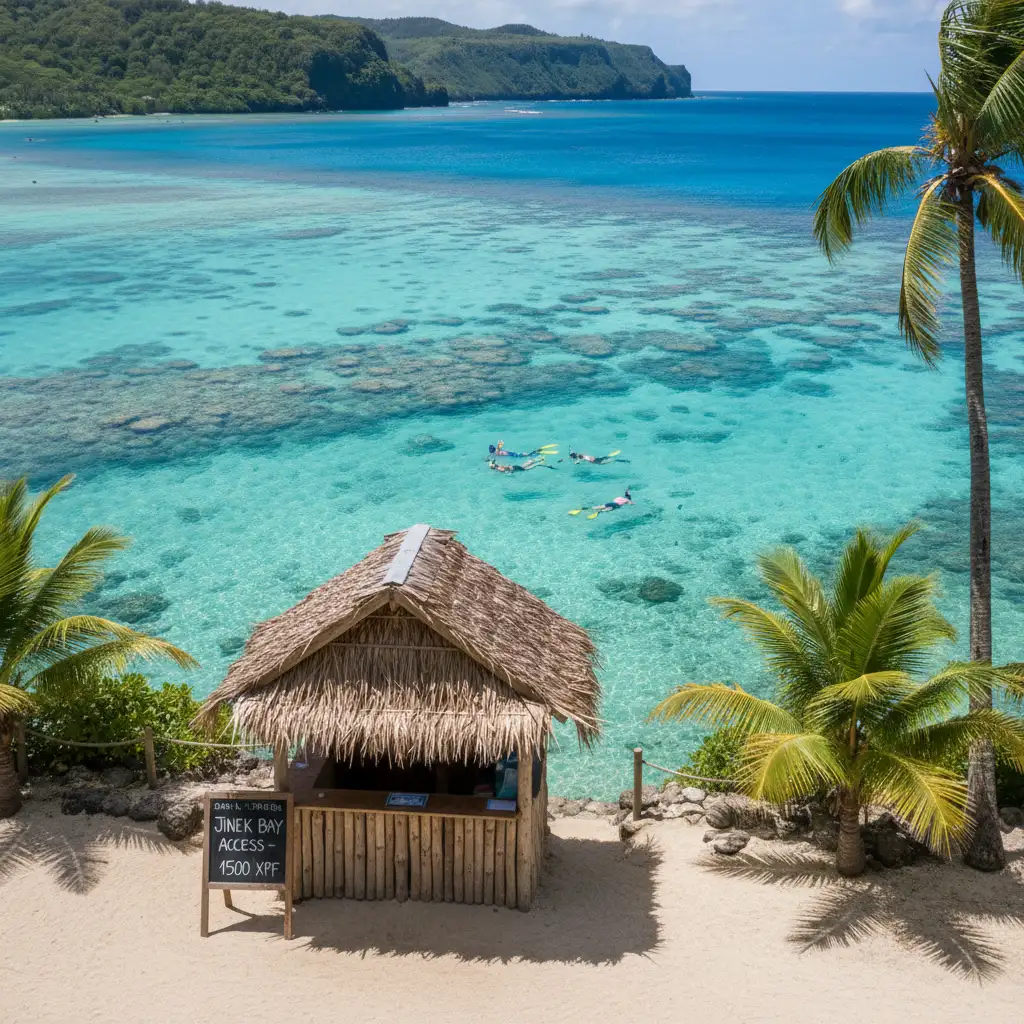
| Lifou: Jinek Bay Marine Pass | $45 (Guided) | $20 (Entry only at site) | ~55% |
| Amedee Island Day Trip | $250+ pp | $180 – $200 pp | ~20% |
As the table demonstrates, a family of four can save hundreds of dollars by opting for local transport or direct bookings. In Noumea, for instance, the “Hop-on Hop-off” buses and local taxis are readily available at the cruise terminal, offering transport to Lemon Bay or Anse Vata Beach for a fraction of the cost of a cruise transfer.
Are local operators reliable and safe?
The most common scare tactic used by cruise lines is the fear of being left behind. While this is a theoretical risk, in reality, it is extremely rare for established local operators in New Caledonia to cause passengers to miss the ship. Their entire business model depends on the cruise industry; one missed departure would ruin their reputation on TripAdvisor and Cruise Critic instantly.
Infrastructure Quality
Noumea: As a French territory, the infrastructure in Noumea is comparable to mainland France or New Zealand. Vehicles are subject to safety checks, and roads are paved and well-maintained. Taxis use meters or fixed rates.
Isle of Pines & Lifou: These are more rural. Transport here is often in the form of tribal minivans. While they may not be luxury coaches, they are generally reliable. However, “island time” is real. If you book locally here, ensure you schedule your return to the wharf at least 90 minutes before the ship’s departure time, rather than the standard 30 minutes, just to be safe.
The “Ship Won’t Wait” Reality
If you are on a P&O tour and the bus breaks down, the ship waits. If you are on a local tour and the bus breaks down, the ship leaves without you. You are then responsible for the cost of flying to the next port (or back to Auckland) and catching up with the vessel. For this reason, we recommend P&O excursions for trips that venture more than 45 minutes away from the port, but local tours for anything within the immediate vicinity.
Who are the top local tour operators for cruisers?
To ensure safety and quality, stick to operators that have high ratings from fellow Kiwi and Aussie travellers. Avoid unmarked vehicles soliciting business aggressively outside the secure port zones.
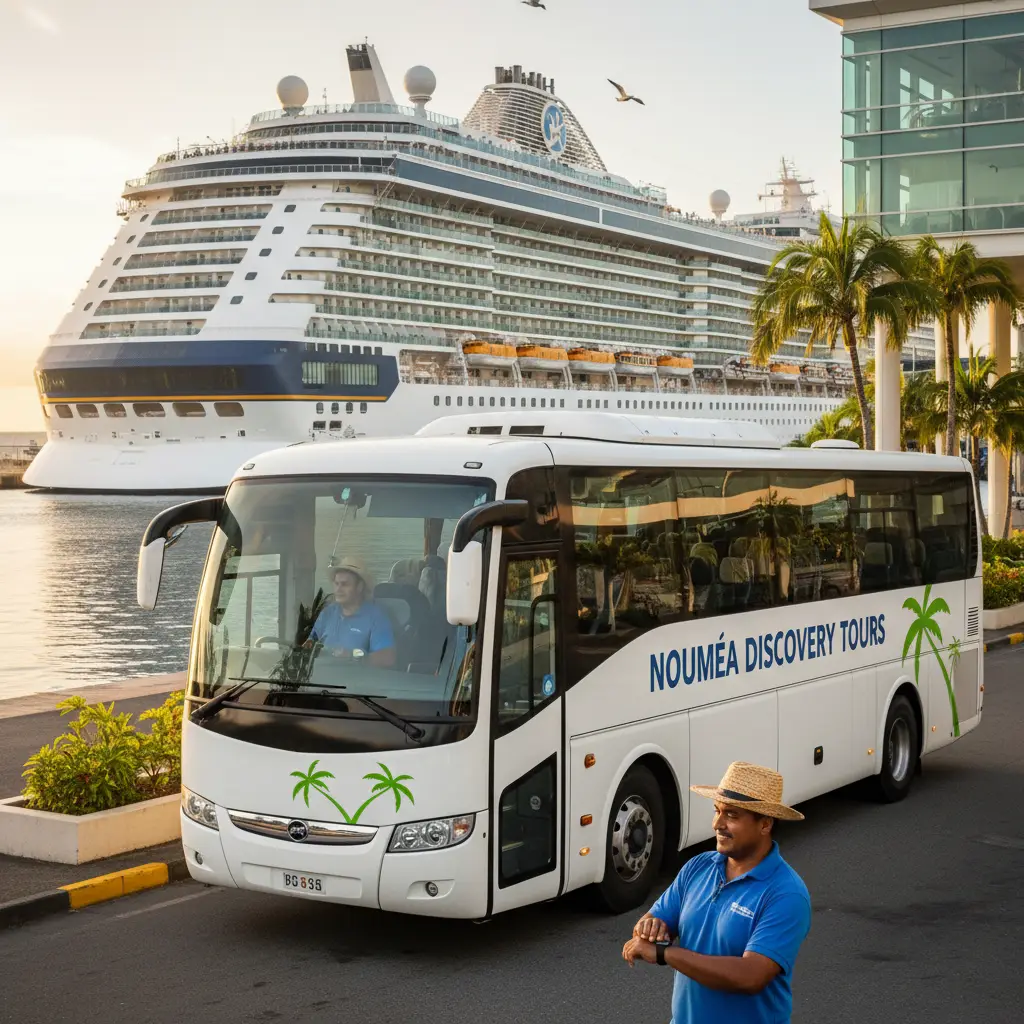
Noumea Discovery
A reputable operator offering city tours, cultural excursions, and transfers to Duck Island. They are accustomed to cruise ship schedules and have a service desk often located inside the terminal building.
Mary D Enterprises (Amedee Lighthouse)
While P&O sells this tour, you can often book directly with Mary D. They run the large ferries to Amedee Island. It is a professional operation with strict timetables.
Local Tribal Associations (Lifou & Isle of Pines)
On the islands, transport is regulated by local tribes. In Lifou, for example, once you tender ashore, there is a dispatch area where you pay a fixed price for a ride to the cliffs of Jokin or the vanilla plantations. These are not “companies” in the western sense but are the official, reliable transport providers of the island.
How do cancellation policies compare?
Flexibility is vital, especially given the tropical weather patterns in the Pacific.
P&O Cancellation Policy
P&O generally allows you to cancel shore excursions up to 24-48 hours prior to arrival without penalty. If the ship fails to dock due to high winds (common in Mystery Island or Lifou), or if the weather makes the tour unsafe, P&O automatically refunds the cost to your onboard account. This is the “hassle-free” factor.
Local Operator Policies
This varies significantly.
- Pre-booked Online: Many reputable Viator or TripAdvisor operators offer 24-hour cancellation policies. However, getting a refund might take days to process back to your credit card.
- Walk-ups: This is the most flexible option. If it’s raining in Noumea, you simply don’t get off the ship or don’t buy the ticket. You haven’t lost any money. The downside is that popular tours (like the Tchou Tchou train) might be sold out if you wait until arrival.
How to avoid the crowds using local strategies?
One of the biggest complaints about P&O excursions is the “herd” feeling. Being stuck on bus #4 of a 10-bus convoy is not the relaxing island escape most Kiwis envision.
The Reverse Schedule Strategy
Most cruise ship passengers rush off the ship between 8:00 AM and 10:00 AM. Local operators allow you to customize your timing. Consider staying on the ship for a late breakfast and heading out at 11:00 AM. You will often miss the initial rush at the main attractions.
Access to Smaller Vehicles
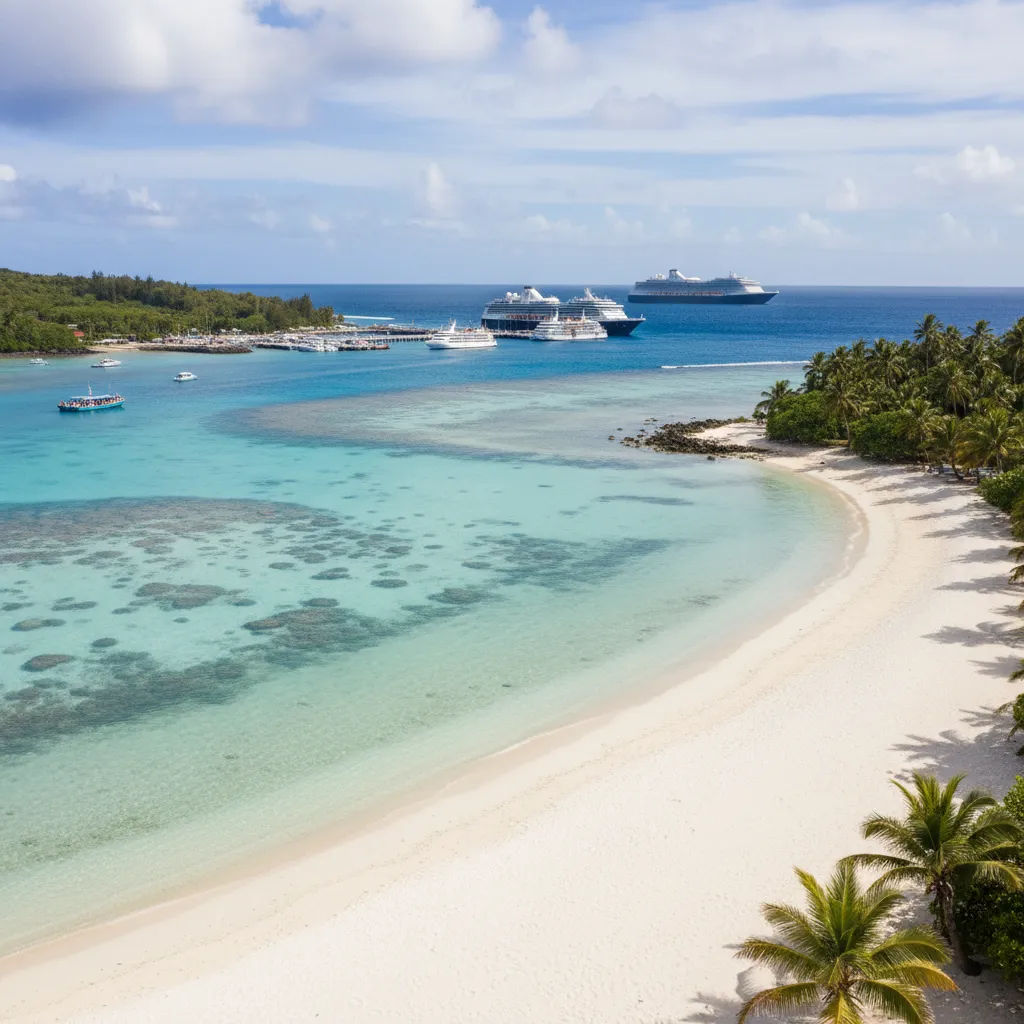
P&O utilizes large coaches that can only stick to main roads. Local guides with minivans or 4WDs can take you to secluded beaches or viewpoints in Noumea that big buses cannot reach. In Isle of Pines, walking 15 minutes past the main drop-off point at Kuto Bay often rewards you with an empty stretch of white sand, while 2,000 other passengers crowd the area nearest the tender wharf.
The Final Verdict: Which should you choose?
Choose P&O Shore Excursions if:
- You are a first-time cruiser nervous about logistics.
- You have mobility issues and require guaranteed accessible transport.
- You are travelling far from the port (e.g., a 1-hour drive into the mountains).
- You have substantial onboard credit to spend.
Choose Local Tours if:
- You want to save 30-50% on costs.
- You prefer small groups or private experiences.
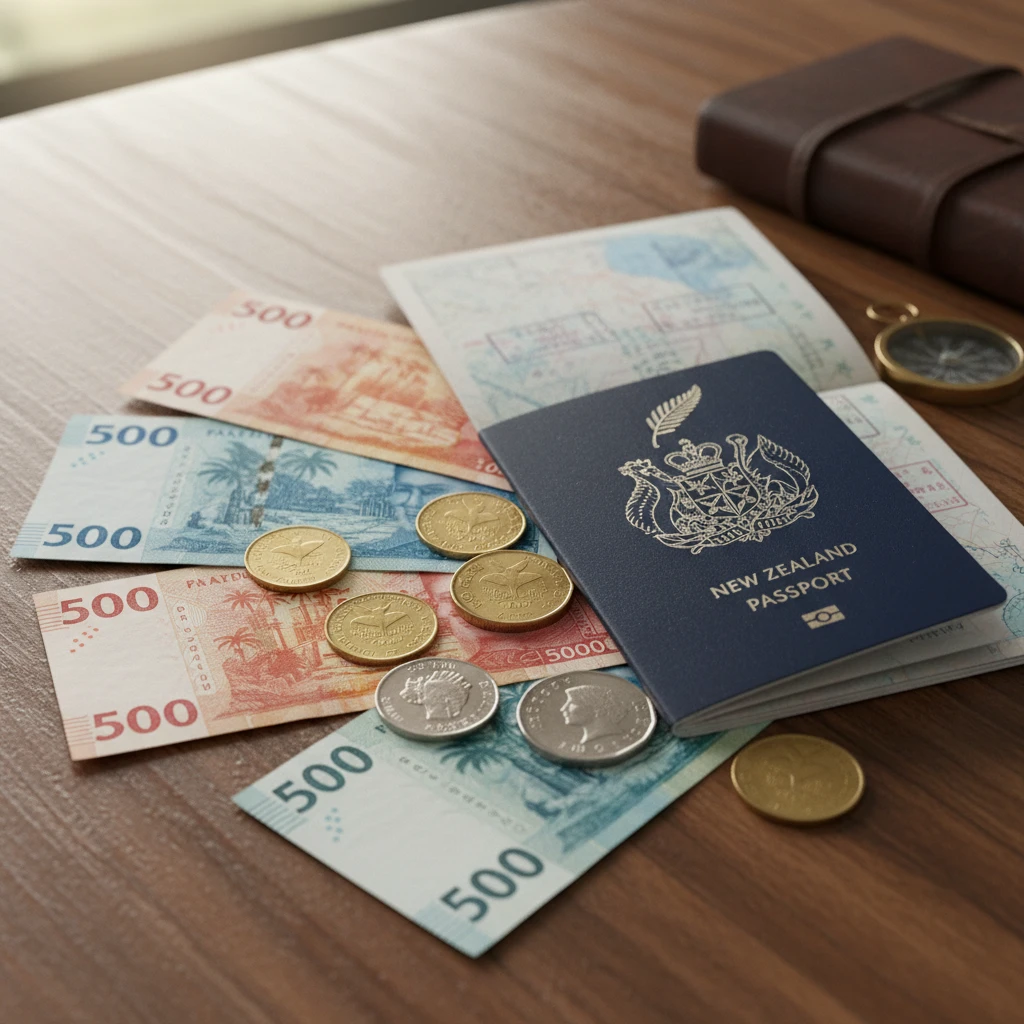
- You are comfortable with basic negotiation or using local currency (XPF).
- You want to support the local community directly.
For the average New Zealand traveller, a mix is often best. Book the complex, long-distance adventure through P&O for safety, but grab a local taxi or snorkel pass for the beach days to save money.
Do local tour operators in New Caledonia accept New Zealand Dollars?
Generally, no. While some market vendors might accept AUD, NZD is rarely accepted directly. You should exchange money for Pacific Francs (XPF) before you go, or use ATMs in Noumea. Some larger operators accept credit cards, but cash is king on the islands of Lifou and Isle of Pines.
Is it safe to take a taxi in Noumea from the cruise terminal?
Yes, taxis in Noumea are safe, regulated, and reliable. However, they can be expensive. Ensure the meter is running or agree on a fixed price before departing. There is usually a taxi rank immediately available at the cruise terminal.
Do I need to speak French to book local tours?
In Noumea, most tourism operators speak passable to excellent English. In the outer islands like Lifou and Maré, English proficiency may be lower, but the locals are accustomed to tourists, and basic communication is rarely an issue for standard transactions.
What happens if a local tour makes me miss the ship?
If you miss the ship due to a local tour delay, you are responsible for all costs associated with rejoining the ship at the next port or returning home. This includes flights, accommodation, and transfers. Travel insurance is essential.
Are P&O shore excursions refundable if I get sick?
Usually, yes, provided you visit the ship’s medical centre and get a doctor’s certificate confirming you are unfit to tour. Without this, standard cancellation penalties apply (usually 100% fee if cancelled within 24 hours).
Can I book local tours in advance or should I wait until I arrive?
For popular activities like the Tchou Tchou Train or Amedee Island, pre-booking online is recommended as they sell out. For general beach transfers or island tours in Lifou, you can usually arrange these upon arrival at the wharf.