
Maré Island, known locally as Nengone, is the wildest and highest of New Caledonia’s Loyalty Islands, renowned for its dramatic raised coral cliffs, dark forests, and pristine turquoise lagoons. It offers travelers an authentic immersion into Kanak culture, spectacular geological formations like the Warrior’s Leap, and some of the Pacific’s most secluded beaches.
For travelers seeking a destination that balances raw, untamed beauty with deep-rooted cultural traditions, Maré Island in New Caledonia stands unrivaled. Often overshadowed by its sister islands, Lifou and Isle of Pines, Maré remains a sanctuary for those looking to escape the commercial tourist trail. From the rugged basalt coastline to the soft white sands of Yejele, this guide explores everything you need to know about visiting this Pacific gem.
What is Maré Island?
Maré Island is the second largest of the Loyalty Islands, located to the northeast of Grande Terre, New Caledonia’s main island. Geologically, it is a raised coral atoll, which accounts for its unique topography. Unlike the sloping hills of the mainland, Maré is characterized by steep limestone cliffs that drop vertically into the churning ocean, fossilized coral rock formations, and a central plateau covered in lush vegetation.
The island is locally known as Nengone. It is a place where time seems to move at the pace of the tides. The atmosphere is undeniably mysterious and wild; the coastline is jagged and imposing, yet it hides pockets of serene beauty such as natural aquariums and bone-white sand beaches. For tourists arriving from New Zealand, Maré offers a stark contrast to the polished resorts of Nouméa. It is a destination that demands respect for its nature and its customs, offering a profound connection to the land in return.

How to Get to Maré Island from Nouméa?
Reaching Maré Island requires a transit through Nouméa, the capital of New Caledonia. For travelers coming from Auckland, the journey begins with a flight to La Tontouta International Airport. From there, you have two primary options to reach the wild beauty of Maré.
By Air: Air Calédonie
The most efficient way to travel is by plane. Air Calédonie operates daily flights from Nouméa-Magenta Airport (located within the city, not the international airport) to Maré. The flight takes approximately 40 minutes. It is a scenic short hop that offers breathtaking aerial views of the lagoon and the coral reefs surrounding the Loyalty Islands. Booking in advance is highly recommended, especially during school holidays and festival seasons.
By Sea: The Betico Ferry
For those with more time or a desire for a maritime adventure, the Betico 2 high-speed ferry services the Loyalty Islands. The voyage from Nouméa to Maré generally takes around four hours. While longer than flying, it is significantly cheaper and allows for a higher luggage allowance. However, the open ocean crossing can sometimes be rough, so sea-sickness medication is advisable for sensitive travelers.
The Warrior’s Leap (Saut du Guerrier)
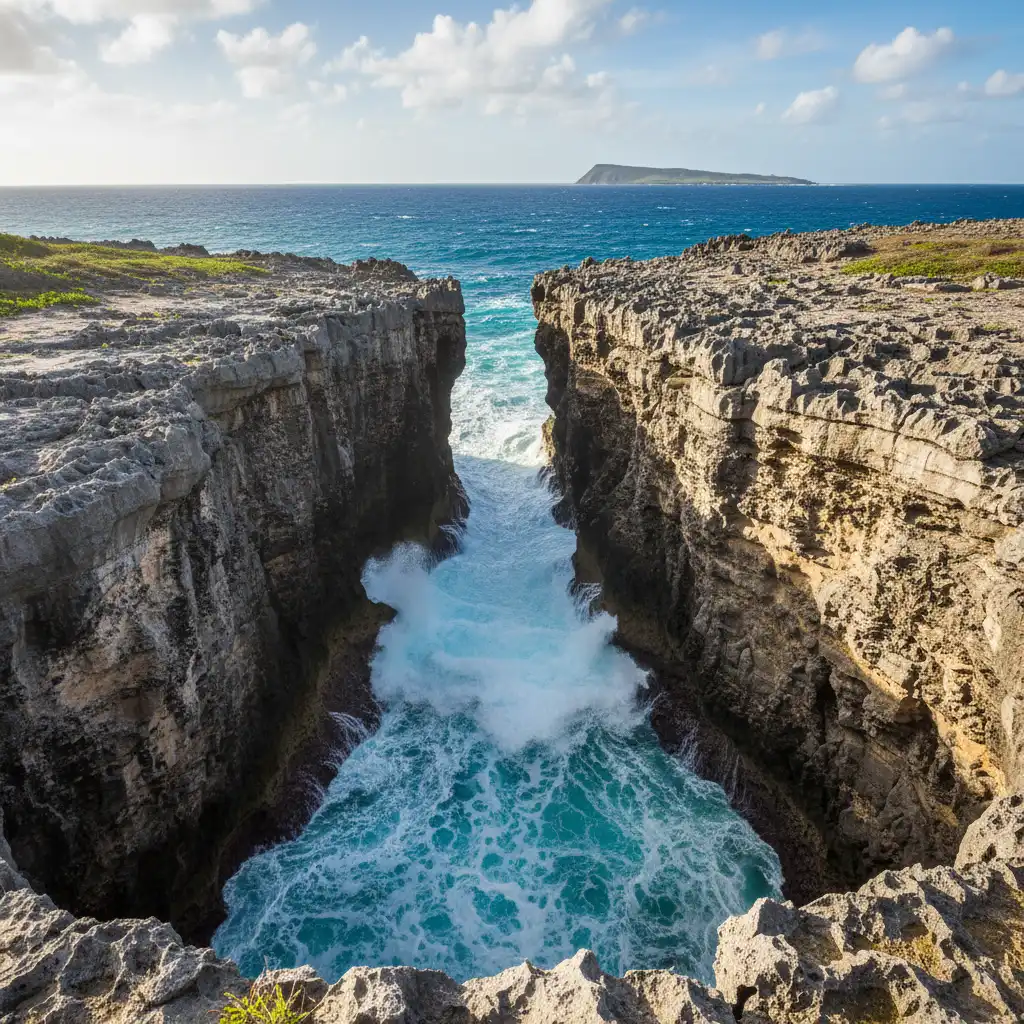
One of the most iconic and photographed landmarks on Maré is the Saut du Guerrier, or the Warrior’s Leap. Located near the village of Wakone, this geological marvel consists of a narrow, deep fissure in the towering coral cliffs. The gap is situated directly above the pounding waves of the Pacific Ocean, creating a dramatic and somewhat vertigo-inducing sight.
The Legend Behind the Leap
The site is named after a legendary warrior from the Hnawayace tribe. According to local oral history, the warrior was being pursued by enemies from a rival tribe. Cornered against the cliff edge with nowhere to run, he performed a superhuman feat by leaping across the chasm—a distance of roughly 7 meters (23 feet)—to safety on the other side. His pursuers, unable to replicate the jump, were forced to abandon the chase.
Today, the site is secured for visitors, allowing you to gaze down into the abyss where the ocean surges violently against the rock walls. It serves as a powerful reminder of the island’s history of tribal warfare and the resilience of its people. When visiting, it is crucial to respect the site and stay within the designated viewing areas.
Relaxing at Yejele Beach
If the Warrior’s Leap represents Maré’s rugged intensity, Yejele Beach (Plage de Yejele) represents its serene tenderness. Often cited as one of the most beautiful beaches in the entire South Pacific, Yejele is located on the southwest coast of the island near the Tadine district.
The beach features a long stretch of powdery white sand that feels like flour between your toes. The water is a kaleidoscope of blues, ranging from translucent aquamarine in the shallows to deep sapphire further out. Because it is protected by a coral reef, the water is calm and crystal clear, making it the premier spot on the island for swimming and snorkeling.
Yejele is a popular stop for cruise ship passengers, so it can get busy on days when a liner is in port. However, on most days, it remains a tranquil paradise. Local vendors often set up small stalls under the shade of the columnar pine trees and coconut palms, selling fresh coconuts, grilled fish, and local crafts. It is the perfect location to unwind after a morning of hiking the cliffs.

The Avocado Festival (May)
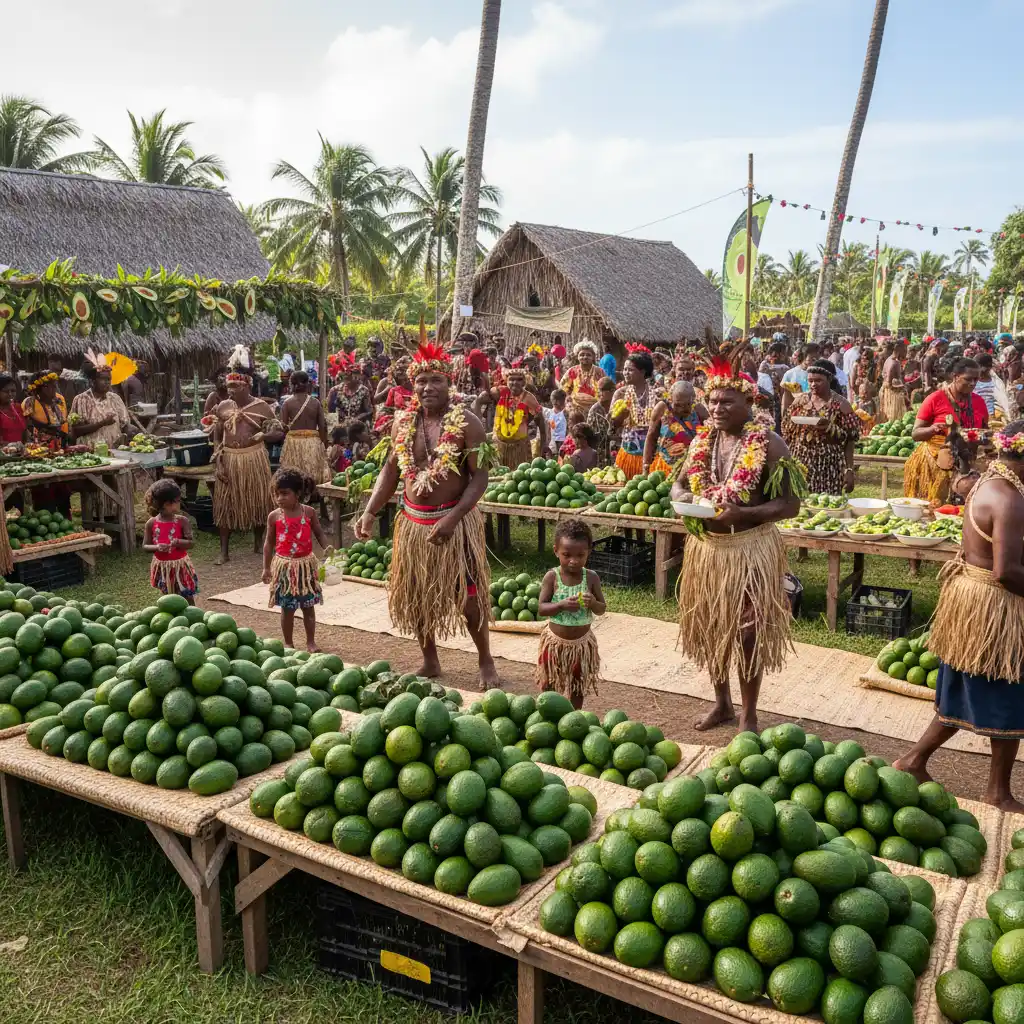
Maré is known as the “market garden” of the Loyalty Islands due to its fertile soil, and nothing celebrates this agricultural abundance better than the Avocado Festival (Fête de l’Avocat). Held annually in May, usually during the Pentecost weekend, this event is a major cultural highlight and a fantastic time to visit.
Why Visit During the Festival?
The festival takes place in the Nece tribe and celebrates the harvest of the island’s giant, buttery avocados. However, it is much more than a produce market. It is a vibrant showcase of Kanak culture.
- Cultural Immersion: Visitors can witness traditional dances, music performances, and weaving demonstrations.
- Gastronomy: You can taste a variety of avocado-based dishes, as well as the famous Bougna—a traditional Melanesian dish of chicken, lobster, or fish wrapped in banana leaves and slow-cooked over hot stones.
- Homestays: The festival encourages “Accueil en Tribu” (tribal homestays), allowing visitors to sleep in traditional huts and share meals with local families.
For travelers from New Zealand, the Avocado Festival offers a rare opportunity to engage directly with the local community in a festive, welcoming environment. It transforms the island into a bustling hub of activity and color, contrasting with its usual quiet demeanor.
Getting Off the Beaten Track
While the main attractions are stunning, the true spirit of Maré lies in its hidden corners. This is an island that rewards the curious and the adventurous. “Getting off the beaten track” here means exploring the wild interior and the less-visited coastlines.
The Natural Aquarium
Located south of Tadine, the Natural Aquarium is a large pool of seawater enclosed by coral rocks. It is connected to the sea via underground tunnels. The water is incredibly clear, and from the observation deck, you can see a multitude of fish and turtles swimming in the protected basin. Note that swimming is strictly prohibited here to protect the ecosystem, which preserves the pristine clarity for viewing.
Pethoen and Medu Caves
Maré is honeycombed with freshwater caves and grottos. The Pethoen Cave is surrounded by a mini-forest of banyan trees and lush ferns. Looking down into the cave, you can see deep, fresh water piercing through the limestone. These sites often have spiritual significance to the local tribes, so visiting with a guide is recommended to understand the legends associated with them.
Shingapu Cliffs
For a hiking experience that rivals any coastal walk in New Zealand, head to the Shingapu Cliffs in the north. The landscape here is raw and jagged, with waves crashing violently against ancient coral walls. The trails are often unmarked, winding through pandanus forests and rocky outcrops. It is the ultimate expression of Maré’s “wild beauty.”
Practical Travel Tips for New Zealanders
Traveling to Maré requires a bit more planning than a standard resort holiday. Here is what you need to know to ensure a smooth trip.
Respecting “La Coutume”
In New Caledonia, and particularly in the Loyalty Islands, it is customary to present a small gift when entering a tribal area or visiting a specific site managed by a tribe. This gesture is called faire la coutume. It usually involves offering a piece of “Manou” (colorful fabric) and a small amount of money (500 to 1000 XPF) to the chief or the landowner. It signifies respect and asks for permission to be on their land.
Currency and Cash
The currency is the Pacific Franc (XPF). While some larger businesses in Nouméa accept credit cards, Maré is largely a cash economy. There are very few ATMs on the island (mostly in Tadine), and they can sometimes be out of service. Ensure you withdraw sufficient cash in Nouméa before departing for the islands to cover accommodation, transport, and food.
Language
The official language is French, and the local language is Nengone. English is not widely spoken outside of major tourist interactions. Learning a few basic phrases in French will go a long way. A simple “Bonjour” (Hello) and “Merci” (Thank you) are essential courtesies.
Transport on the Island
There is no public bus system on Maré. To get around, you must rent a car or arrange transfers with your accommodation. Hitchhiking is common among locals, but for a reliable itinerary, a rental car is best. Be aware that roads can be narrow and winding.
People Also Ask
What is the best time to visit Maré Island?
The best time to visit Maré Island is during the cooler, drier months from May to October. May is particularly popular due to the Avocado Festival. The warm season (November to March) can be hot and humid, with a higher chance of tropical rain.
How many days should I spend on Maré Island?
To truly appreciate the wild beauty and relax, a stay of 3 to 4 nights is recommended. This allows enough time to visit the Warrior’s Leap, swim at Yejele Beach, explore the caves, and experience tribal life without rushing.
Is Maré Island safe for tourists?
Yes, Maré Island is generally very safe for tourists. The crime rate is low. However, visitors should respect local customs and tribal lands. Always ask for permission before entering private property or taking photos of locals.
Can you swim at the Warrior’s Leap?
No, swimming is not possible or safe at the Warrior’s Leap. The site is a high cliff overlooking rough, open ocean water with strong currents and waves crashing against the rocks. It is a viewing point only.
What should I pack for a trip to Maré?
Pack reef-safe sunscreen, insect repellent, sturdy walking shoes for the cliffs, swimwear, and a snorkeling mask. Also, bring cash (XPF), a small medical kit, and modest clothing for visiting villages.
Are there luxury hotels on Maré Island?
Maré offers limited accommodation options compared to Nouméa. There is one main hotel, the Hotel Nengone Village, which offers comfortable bungalows. However, many visitors prefer the authentic experience of “Accueil en Tribu” (tribal homestays) or small guesthouses.