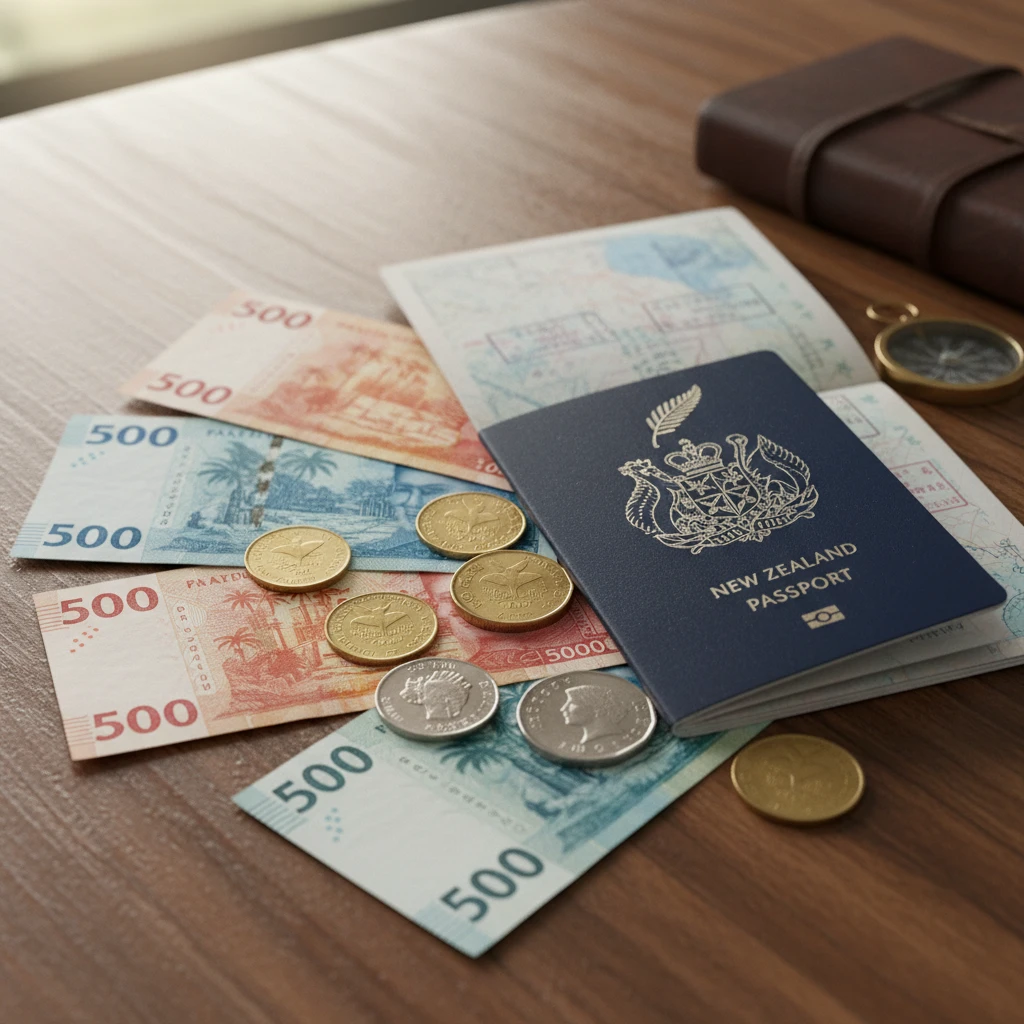
Travel insurance for New Caledonia from NZ is essential for covering high medical evacuation costs, which can exceed $50,000 due to limited local specialist care. Comprehensive policies also protect against rental car excess, cyclone-related cancellations, and adventure sports risks like scuba diving and surfing, ensuring financial safety for Kiwi travellers.
New Caledonia offers a slice of the French Riviera right in the Pacific, making it a top destination for New Zealanders seeking baguettes, beaches, and coral reefs. However, despite its proximity—just a three-hour flight from Auckland—it presents unique risks that differ from a trip to Australia or the Cook Islands. Specifically, the lack of a Reciprocal Health Agreement between New Zealand and New Caledonia means Kiwis are liable for 100% of their medical costs.
From navigating the roads in a rental car on the right-hand side to diving in the world’s largest lagoon, securing the right travel insurance New Caledonia NZ policy is not just a precaution; it is a financial necessity. This guide breaks down exactly what you need to look for in a policy to ensure your tropical getaway doesn’t turn into a financial nightmare.

Why is Medical Evacuation Coverage Critical?
The most significant financial risk for New Zealanders travelling to New Caledonia is the cost of medical repatriation. While Noumea has adequate hospital facilities (such as the Médipôle de Koutio), they are part of the French healthcare system, which charges non-residents premium rates. More importantly, highly specialized care for severe trauma, complex surgeries, or specific tropical diseases often requires evacuation back to New Zealand or sometimes Australia.
The Cost of Air Ambulances
An air ambulance from Noumea to Auckland is not merely a commercial flight with a nurse. It involves a specialized aircraft, a full medical team, and ICU-level equipment. The costs for such a transfer typically start at $50,000 NZD and can easily climb higher depending on the patient’s condition and the urgency required.
Without travel insurance, these costs fall entirely on the traveller. The New Zealand Government (MFAT) explicitly states that they will not pay for medical bills or evacuation for Kiwis overseas. Therefore, when comparing policies, you must ensure your provider offers unlimited medical evacuation cover.
No Reciprocal Health Agreement
Many Kiwis mistakenly believe that because New Caledonia is a near neighbour, there might be shared health benefits similar to the arrangement with Australia. This is incorrect. New Zealand has no reciprocal health agreement with New Caledonia (or France for its overseas territories). Whether you break a leg hiking in the Blue River Park or contract Dengue fever, you will be paying full price for treatment immediately unless your insurer guarantees payment to the hospital.
How Does Rental Car Excess Cover Work in New Caledonia?
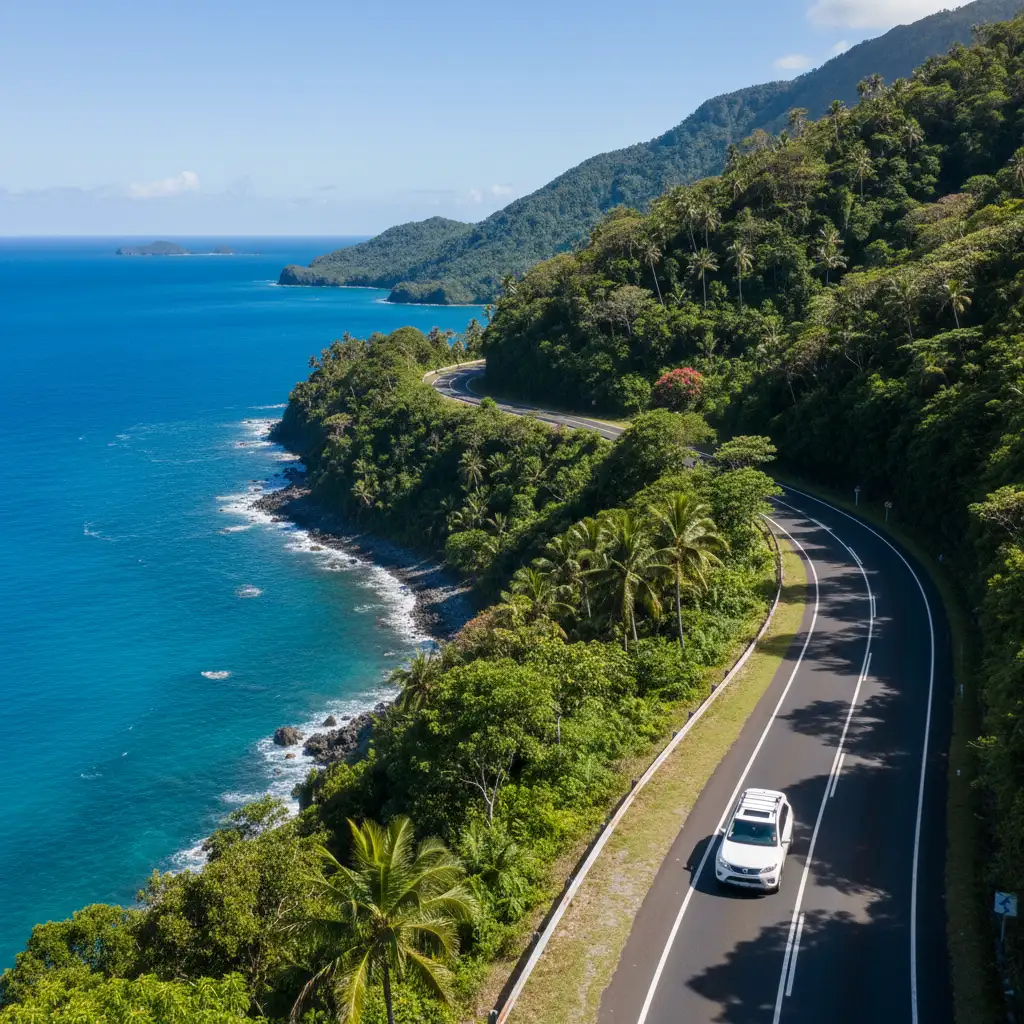
Exploring the main island, Grande Terre, by car is one of the best ways to see the diverse landscapes. However, driving conditions can be challenging for tourists. You must drive on the right-hand side of the road—a significant adjustment for many Kiwis. Furthermore, roads outside of Noumea can be narrow, winding, and sometimes unsealed.
Understanding the Excess
Rental agencies in New Caledonia often impose high standard excess fees (the amount you pay if the car is damaged), sometimes ranging from $2,000 to $4,000 NZD. While rental desks will push their own expensive daily excess reduction insurance, a comprehensive travel insurance policy purchased in NZ often includes Rental Car Excess Cover.
This benefit reimburses you for the excess charged by the rental company if you have an accident. Key things to check in your policy wording include:
- Cap Limits: Ensure the policy covers the full excess amount (e.g., up to $5,000 or $10,000).
- Vehicle Types: Check if campers or 4WDs are covered if you plan to go off-road.
- Violation Clauses: Insurance will not cover you if you were breaking local traffic laws (e.g., speeding or drink driving) at the time of the incident.
Does Standard Insurance Cover Surfing and Diving?
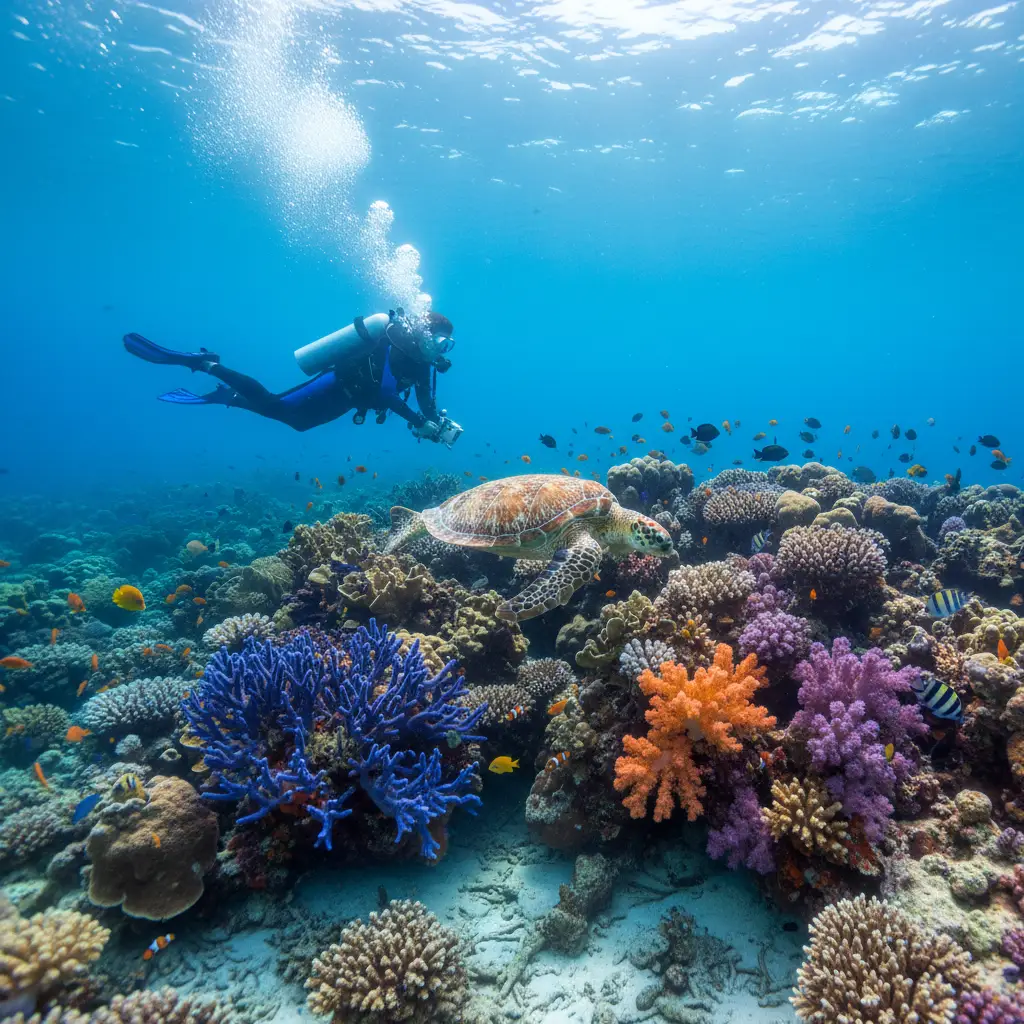
New Caledonia is an adventure playground. The lagoon surrounding the islands is a UNESCO World Heritage site, attracting scuba divers and snorkelers, while the reef breaks attract surfers. However, these activities carry inherent risks, and not all “standard” travel insurance policies cover them automatically.
Scuba Diving Coverage
Most NZ insurers will cover scuba diving, but usually with strict conditions:
- You must hold an open water diving license (e.g., PADI or SSI) or be diving under the direct supervision of a qualified instructor.
- There are often depth limits, typically 30 meters. If you plan on deep diving or wreck diving beyond this limit, you may need to purchase an “Adventure” add-on pack.
Surfing and Kitesurfing
Surfing is generally covered under standard leisure activities, but personal liability can be a grey area if you injure someone else with your board. Kitesurfing, which is popular in Noumea’s trade winds, is frequently categorized as a higher-risk activity. You must declare this to your insurer. If you are injured while participating in an activity that is excluded from your policy, your medical claims—and that expensive evacuation—will be declined.
What Happens if a Cyclone Cancels My Trip?
New Caledonia lies in the South Pacific cyclone belt. The cyclone season typically runs from November to April, with the highest risk between January and March. For Kiwis booking holidays during this period, travel insurance is vital for protecting non-refundable deposits.
The “Known Event” Rule
This is the most critical aspect of weather-related insurance. You are only covered for cancellation or disruption if you bought your policy before the cyclone became a “known event.” Once a tropical depression is named or publicized in the media, you can no longer buy insurance to cover it.
If you purchase a policy well in advance, and a cyclone subsequently causes your flights to be cancelled or your accommodation to be made uninhabitable, comprehensive policies will generally cover:
- Lost deposits for accommodation and tours.
- Reasonable additional travel expenses to return home or get to a safe location.
- Food and accommodation costs if you are stranded in Noumea due to airport closures.
Comparing Southern Cross vs. Other NZ Insurers
When searching for “travel insurance New Caledonia NZ,” you will likely encounter major players like Southern Cross Travel Insurance (SCTI), Tower, Cover-More, and 1Cover. Here is a professional comparison of what to look for when choosing between them.
Southern Cross Travel Insurance (SCTI)
SCTI is a popular choice for Kiwis due to their brand recognition. Their policies are known for:
- Unlimited Medical: Standard on their comprehensive TravelCare policy.
- Working Holidays: They often have flexible options for longer stays.
- Member Discounts: If you are already a Southern Cross health insurance member, you may receive a discount on travel policies.
Cover-More & 1Cover
These providers often specialize in travel insurance specifically and may offer more granular options for adventure sports.
- Adventure Packs: They frequently allow you to customize your level of adventure cover (e.g., adding a specific pack for motorcycle riding or extreme sports).
- Pre-existing Conditions: These insurers often have sophisticated online medical screening tools that might cover conditions others won’t, albeit for an extra premium.
Credit Card Insurance
Many premium NZ credit cards (Platinum or Black cards from ANZ, Westpac, BNZ) offer complimentary travel insurance. While convenient, be cautious:
- Activation: You usually must pay for a portion of your trip (flights/accommodation) with the card to activate cover.
- Limits: The medical and cancellation limits may be lower than standalone policies.
- Age Limits: Coverage often reduces significantly or ceases for travellers over 75 or 80.

Managing Pre-Existing Medical Conditions
Honesty is the only policy when it comes to medical history. A pre-existing medical condition generally includes any illness or injury that you have received treatment for, take medication for, or have had symptoms of in the last few years.
If you fail to declare a condition—for example, high blood pressure or asthma—and you suffer a related medical event in New Caledonia, your claim will be voided. This could leave you owing hundreds of thousands of dollars.
Most NZ insurers now offer online screening tools. You answer a series of questions, and they will tell you instantly if they can cover the condition and if an additional premium is required. If your condition is complex, you may need to call them for a phone assessment. Never assume “it’s just a minor thing” and leave it off the declaration.
Protecting Valuables and Personal Liability
While New Caledonia is generally safe, petty theft can occur, particularly in tourist hubs like Noumea or on crowded beaches. Travel insurance provides a safety net for your electronics, cameras, and passports.
The “Unattended” Clause
Be aware of the “unattended” clause found in almost all policies. If you leave your bag on the beach while you go for a swim and it gets stolen, insurance will likely not pay out because you left the items unsupervised in a public place. Always use hotel safes and keep valuables on your person.
Personal Liability
Personal liability cover protects you if you accidentally injure someone else or damage their property. For example, if you accidentally knock over an expensive vase in a boutique shop in Noumea, or cause a collision on a rented jet ski. This coverage usually extends up to $1 million or more, providing crucial legal and financial protection.
Final Checklist for Kiwis Travelling to New Caledonia
Before you board your flight to La Tontouta International Airport, ensure you have:
- Purchased Insurance Early: Buy it as soon as you book your flights to lock in cancellation cover.
- Read the PDS: The Product Disclosure Statement contains the fine print. Read it.
- Saved Emergency Numbers: Save the insurer’s 24/7 emergency assistance number in your phone.
- Declared Everything: Ensure all pre-existing conditions and high-risk activities are listed on your Certificate of Insurance.
People Also Ask
Is travel insurance mandatory for New Caledonia?
While travel insurance is not a legal entry requirement for New Caledonia for New Zealand passport holders (tourists), it is highly recommended. Medical costs are high for non-residents, and there is no reciprocal health agreement with NZ. Without insurance, you are personally liable for all medical and evacuation costs.
Does NZ have a reciprocal health agreement with New Caledonia?
No, New Zealand does not have a reciprocal health agreement with New Caledonia or France. New Zealanders must pay for all medical treatments upfront or through their travel insurance provider. This differs from the agreement NZ has with Australia.
How much does travel insurance cost for New Caledonia from NZ?
The cost varies based on age, trip duration, and pre-existing conditions. Generally, for a healthy individual on a one-week trip, a comprehensive policy might range between $60 and $120 NZD. Adding cover for pre-existing conditions or removing excess will increase the premium.
Does travel insurance cover cancelled flights to New Caledonia?
Yes, comprehensive travel insurance typically covers flight cancellations due to unforeseen events like severe weather (cyclones), strikes, or illness. However, it does not cover “change of mind” or cancellations due to events that were known when the policy was purchased.
Are shark attacks covered by travel insurance in New Caledonia?
Yes, medical treatment resulting from a shark attack is covered under the medical section of standard travel insurance policies, provided you were not engaging in an excluded activity (like reckless behaviour) or swimming in a prohibited area. Always check local warnings.
Can I buy travel insurance after leaving New Zealand?
Most insurers require you to be in New Zealand when you purchase the policy. However, some providers (like 1Cover or World Nomads) may offer “already overseas” policies, though these often come with a waiting period (e.g., 48-72 hours) before coverage begins, to prevent fraud.