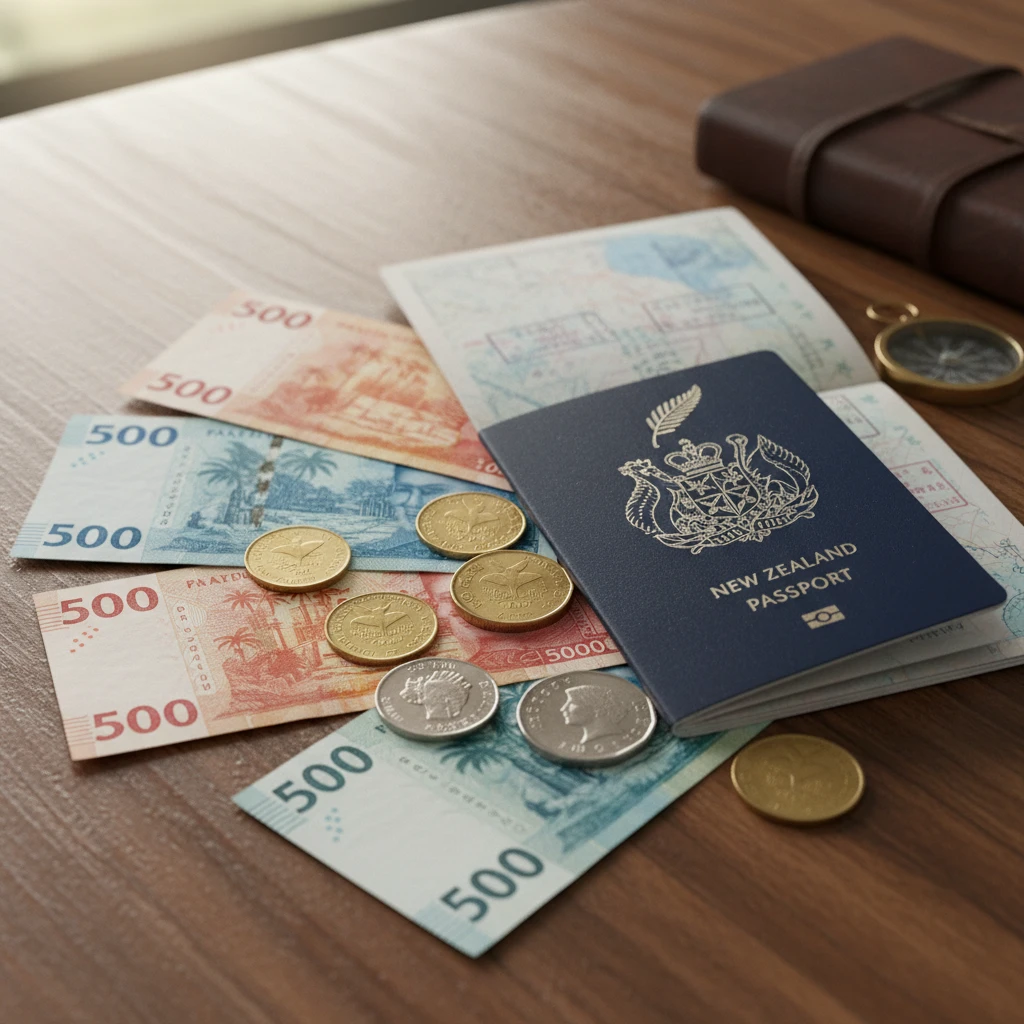
The cost of food in New Caledonia in 2024 remains significantly higher than in New Zealand, primarily due to import taxes on non-EU goods. Travelers should budget approximately 20% to 40% more for groceries than at home. A standard baguette costs around 110 XPF ($1.60 NZD), while a liter of milk averages 180 XPF ($2.70 NZD). To save money, buy French brands rather than imported New Zealand products.
Understanding the Cost of Living in Noumea
For New Zealanders planning a tropical getaway to our closest Pacific neighbor, the cost of food in New Caledonia in 2024 is often the biggest shock factor. Unlike parts of Southeast Asia where your dollar stretches indefinitely, New Caledonia operates on a price structure more akin to Europe, often surpassing Auckland or Wellington prices.
The currency used is the Pacific Franc (XPF). As of 2024, the exchange rate generally hovers around 1 NZD = 65 to 70 XPF. For quick mental math while browsing supermarket aisles, dividing the XPF price by 65 will give you a rough New Zealand Dollar equivalent.
Why is food so expensive here? The economy relies heavily on imports. While many goods come from France, a significant amount is imported from Australia and New Zealand. However, goods from outside the EU often attract higher import duties. Furthermore, the local tax system (TGC – Taxe Générale sur la Consommation) adds to the shelf price. Understanding this landscape is crucial for budgeting your self-catering holiday effectively.
Price Breakdown: Staples in XPF vs NZD
To help you construct a realistic daily budget, we have compiled a list of common grocery staples. Prices can fluctuate based on the specific supermarket chain (Casino vs. Leader Price) and current promotions, but these 2024 averages serve as a reliable baseline.
Note: Prices for fresh produce can vary wildly depending on the season and whether the item is locally grown or flown in.
Bakery and Pantry
- French Baguette (Tradition): 110 – 140 XPF ($1.60 – $2.10 NZD). This is your cheapest and most delicious staple.
- Sliced Loaf of Bread (Pain de mie): 400 – 600 XPF ($6.00 – $9.00 NZD). Much more expensive than baguettes.
- Pasta (500g): 150 – 250 XPF ($2.30 – $3.80 NZD).
- Rice (1kg): 200 – 300 XPF ($3.00 – $4.60 NZD).
Dairy and Fridge
- UHT Milk (1 Liter): 160 – 200 XPF ($2.40 – $3.00 NZD). Fresh milk is rare and expensive; UHT is the norm.
- Butter (250g French brand): 350 – 500 XPF ($5.30 – $7.60 NZD).
- Eggs (Dozen): 600 – 800 XPF ($9.00 – $12.00 NZD). Eggs are surprisingly pricey.
- Camembert/Brie Cheese: 300 – 600 XPF ($4.60 – $9.00 NZD). Excellent value compared to NZ prices.
- Imported Cheddar (NZ Brands): 900+ XPF ($13.50+ NZD). Avoid this; it carries heavy import taxes.
Meat and Produce
- Chicken Breast (1kg): 1,500 – 2,200 XPF ($23.00 – $33.00 NZD).
- Ground Beef (1kg): 1,200 – 1,800 XPF ($18.00 – $27.00 NZD).
- Local Bananas (kg): 300 – 500 XPF ($4.60 – $7.60 NZD).
- Imported Apples (kg): 400 – 700 XPF ($6.00 – $10.00 NZD).
Best Supermarkets in Noumea for Travelers
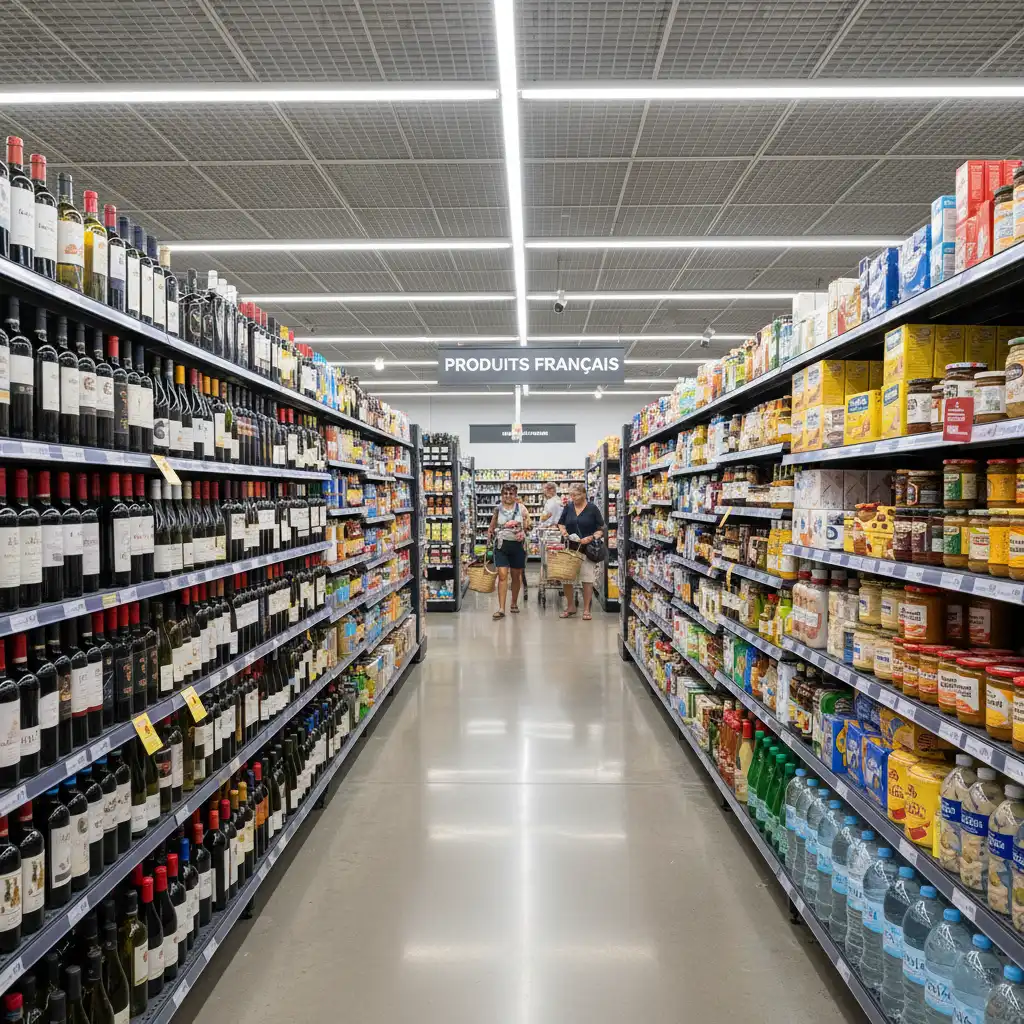
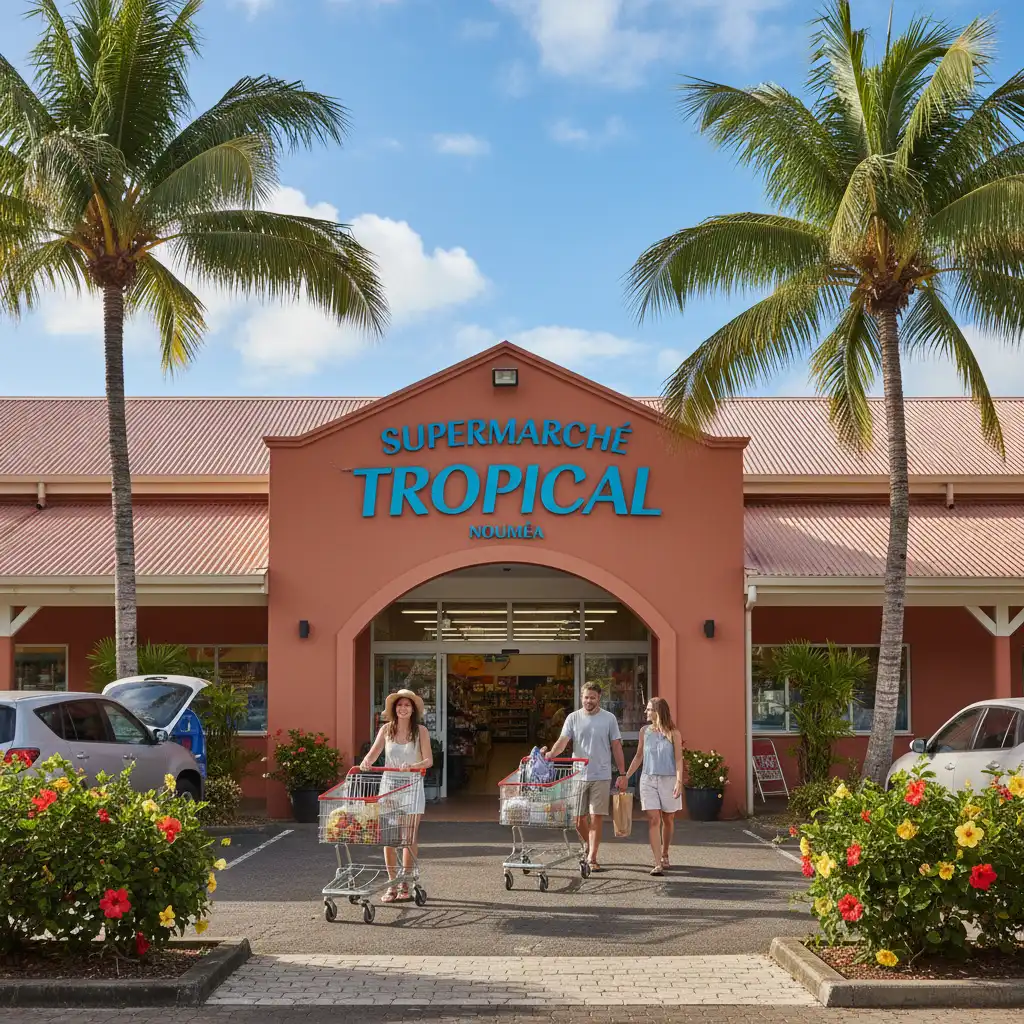
Knowing where to shop can save you hundreds of dollars over a week-long trip. The supermarket landscape in Noumea is dominated by large French chains. Convenience stores (often called ‘Magasins’) in tourist areas like Anse Vata are significantly more expensive than the large hypermarkets.
Carrefour (Kenu-In and Dumbea)
These are massive hypermarkets located on the outskirts of Noumea. If you have a rental car, a trip to Carrefour Kenu-In (near the domestic airport) is highly recommended at the start of your trip. They have the widest range of products, a massive deli section, and generally lower prices than the city center stores.
Géant Casino / Casino Supermarkets
You will find a large Casino supermarket at Port Plaisance (near the Baie des Citrons and Anse Vata tourist hubs) and the Johnston Supermarket near the ferry terminal. While convenient, the Port Plaisance location commands a “tourist premium.” It is excellent for grabbing quick dinner supplies but pricey for a full weekly shop.
Leader Price
For the budget-conscious Kiwi, Leader Price is the holy grail. These are discount supermarkets (similar to Aldi in Europe or a stripped-back Pak’nSave). There is one located in the Faubourg Blanchot area. You won’t find many name brands here, but the generic French products are high quality and significantly cheaper.
Port Moselle Market: The Fresh Food Alternative
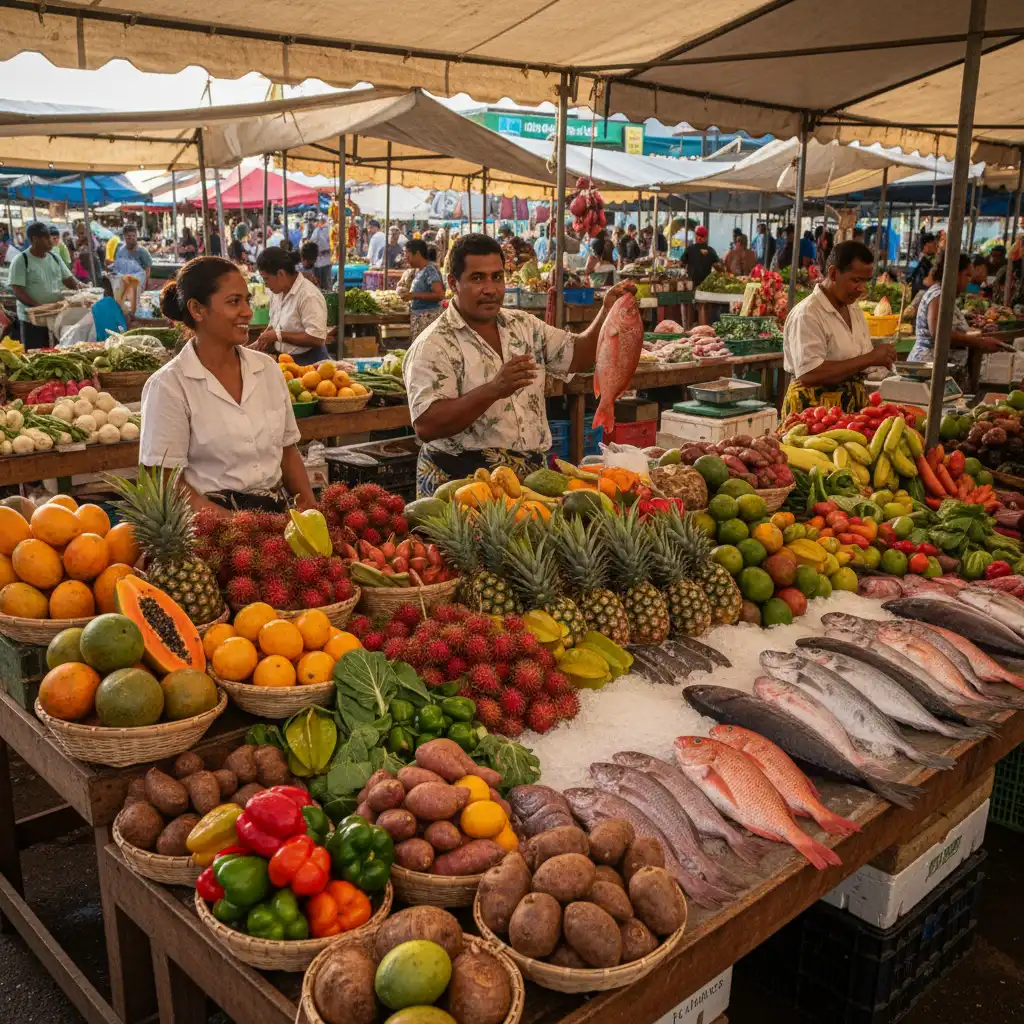
For the freshest produce and seafood, bypass the supermarket and head to the Marché de Moselle (Port Moselle Market). Located by the marina, this is the beating heart of Noumea’s food scene.
The market is open daily from 5:00 AM to 11:30 AM, but Monday is usually very quiet (many stalls are closed). The best days to visit are Friday, Saturday, and Sunday.
Seafood (La Halle aux Poissons)
In a separate building at the back of the market, you will find the fish market. Here, you can buy whole Tuna, Mahi-Mahi, and Blue Prawns (Crevettes Bleues) caught locally. The Blue Prawns are a national delicacy and are sweet, tender, and perfect for a BBQ. Prices here are generally better than supermarkets, and the quality is superior.
Fruit and Vegetables
This is the best place to buy local staples like Yam (Igname), Taro, Sweet Potato, and seasonal tropical fruits like Lychees, Mangoes, and Passionfruit. Be aware that prices are usually displayed per kilogram or per “tas” (pile). A “tas” of bananas might cost 300 XPF.
Alcohol Prices and Buying Regulations
Alcohol is a complex topic in New Caledonia due to strict government regulations aimed at curbing public intoxication. For New Zealanders used to buying wine at the supermarket anytime, the rules can be confusing.
When Can You Buy Alcohol?
The “Vente d’alcool” (sale of alcohol) is strictly regulated. Generally, you cannot buy takeaway alcohol from supermarkets or bottle shops on Wednesday, Friday, Saturday, and Sunday afternoons, nor on public holidays or the days preceding them. These laws can change, but a safe rule of thumb is to buy your alcohol in the morning (before 12:00 PM) to avoid the “rayons fermés” (closed aisles) tape blocking off the wine section.
The Cost of Drinking
- Wine: This is the good news. Because New Caledonia is a French territory, you can find decent French table wine for 800 – 1,200 XPF ($12 – $18 NZD). It is often cheaper and better than wine in NZ.
- Beer: Local beer (Number 1 or Havannah) is relatively affordable, around 1,500 XPF ($23 NZD) for a 6-pack. Imported beer (Heineken, Corona) is very expensive.
- Spirits: Hard liquor attracts massive taxes. A bottle of standard gin or whiskey can easily cost 4,000 – 6,000 XPF ($60 – $90 NZD).
Pro Tip: Maximize your Duty-Free allowance at Auckland Airport before you fly. You are allowed 2 liters of spirits or 2 liters of wine per adult.
Self-Catering Tips for Kiwi Travelers
Successfully sticking to a budget in New Caledonia requires adapting your eating habits. If you try to replicate your New Zealand diet exactly, you will pay a premium. Here is how to eat like a king on a pauper’s budget:
1. The “French Picnic” Strategy
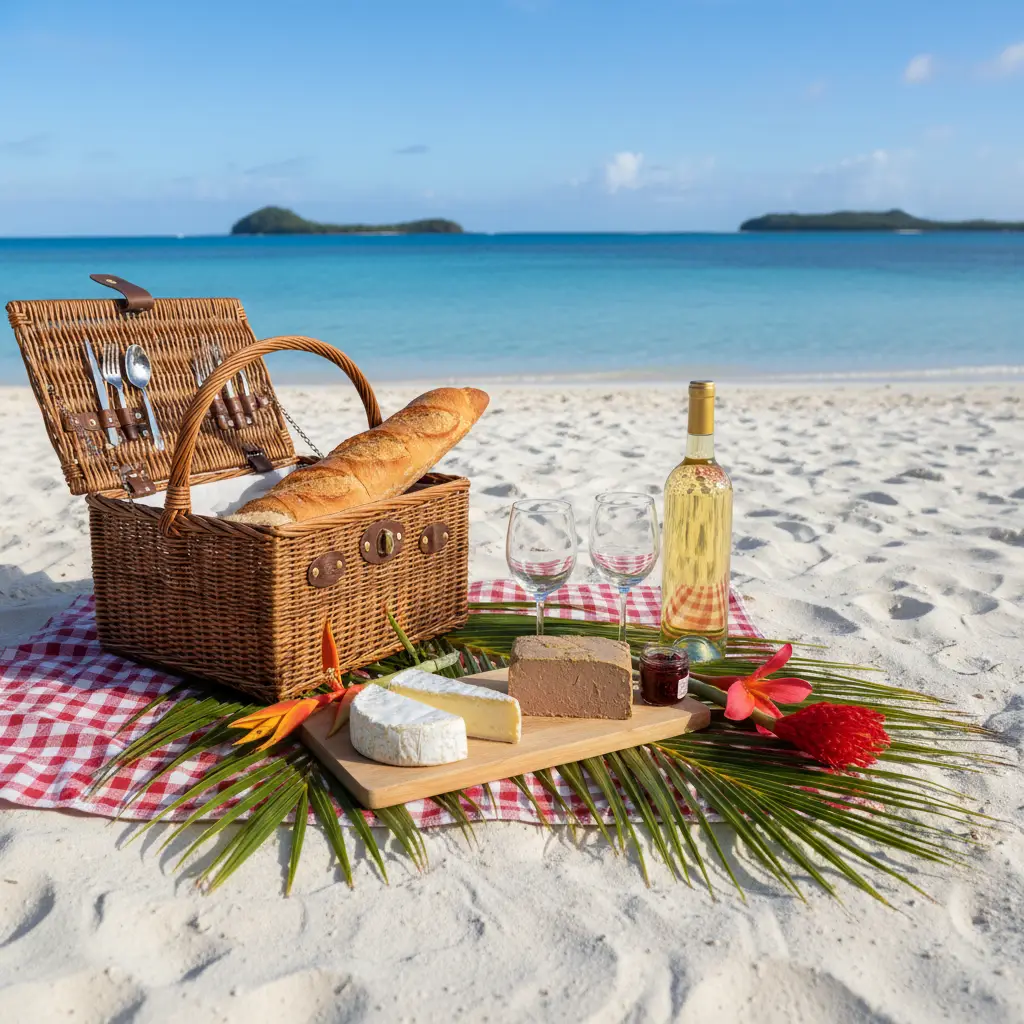
This is the ultimate lunch hack. Buy a fresh baguette (110 XPF), a block of generic French pâté (200 XPF), a wheel of Camembert (400 XPF), and some tomatoes. For under $15 NZD, you can feed a family of four a delicious, authentic lunch. Head to the beach, find a palm tree, and enjoy.
2. Avoid NZ Brands
It is tempting to grab the Anchor butter, the Wattie’s sauce, or the Whittaker’s chocolate because it looks familiar. Resist the urge! These products have been shipped from NZ to Noumea and taxed heavily. Always look for the French equivalent. For example, buy “Reflets de France” or “Casino” brand products.
3. Drink Tap Water
Is the water safe to drink in Noumea? Yes, the tap water in Noumea is treated and safe to drink. It meets EU standards. Buying bottled water daily adds up quickly (and creates plastic waste), so bring a reusable bottle and fill up at your hotel.
Dining Out vs. Cooking In
While self-catering helps manage costs, you will likely want to dine out occasionally. Restaurant prices in Noumea are comparable to high-end dining in Auckland.
- Lunch: Many French restaurants offer a “Plat du Jour” (Dish of the Day) for a set price, usually around 1,500 – 2,500 XPF ($23 – $38 NZD). This is often the best value way to experience restaurant food.
- Dinner: Expect to pay 3,000 – 4,500 XPF ($45 – $70 NZD) for a main course at a nice restaurant in Baie des Citrons.
- Snacks: Look for “Snacks” or “Roulottes” (food trucks). They serve Paninis, Burgers, and Tahitian fish salad for much lower prices than sit-down restaurants.
People Also Ask
Is food expensive in New Caledonia for tourists?
Yes, food is generally more expensive than in New Zealand or Australia. Expect to pay 20-40% more for groceries and dining out, largely due to high import taxes. However, French staples like wine, baguettes, and certain cheeses can be cheaper than in NZ.
What is the price of a beer in Noumea?
In a supermarket, a 6-pack of local beer costs around 1,500 XPF ($23 NZD). In a bar or restaurant, a pint (500ml) of tap beer typically costs between 1,000 and 1,400 XPF ($15 – $21 NZD), making it quite pricey compared to NZ happy hours.
Can you drink the tap water in New Caledonia?
Yes, tap water in Noumea and the main island (Grande Terre) is generally safe to drink and meets European health standards. However, on the smaller Loyalty Islands (Lifou, Mare, Isle of Pines), it is often recommended to drink bottled water or boil tap water first.
What food can I bring into New Caledonia from NZ?
New Caledonia has strict biosecurity laws. You generally cannot bring fresh fruit, vegetables, honey, or seeds. However, commercially packaged and processed foods (like biscuits, crackers, or confectionery) are usually permitted if declared. Always check the latest customs forms before flying.
Are supermarkets open on Sundays in Noumea?
Most large supermarkets (like Carrefour and Casino) are open on Sunday mornings, usually until 12:00 PM or 1:00 PM. They typically close for the rest of the day. Small convenience stores (Magasins) may stay open later but charge higher prices.
Do I need to tip in New Caledonia restaurants?
No, tipping is not a standard practice in New Caledonia and is not expected. Service charges are included in the price. However, if you receive exceptional service, a small tip is appreciated but never mandatory.