A comprehensive New Caledonia self drive itinerary for the West Coast typically spans 7 days, covering approximately 600 kilometres along the RT1. This route takes travelers from the capital of Noumea through the cowboy country of Bourail, to the UNESCO-listed lagoon at Poé, and north to the Heart of Voh and Koumac caves, offering a perfect blend of French culture and rugged adventure.
Planning Your New Caledonia Self Drive Itinerary
For New Zealanders looking for a Pacific escape that offers more than just resort pools, the “Grande Terre” (main island) of New Caledonia provides a rugged, adventurous, and distinctly French experience. Unlike the compact islands of Rarotonga or Tahiti, New Caledonia is vast. The West Coast, often referred to as the “Far West,” is a land of cattle ranches, niaouli plains, and sweeping coastlines that rival the best road trips in the world.
Embarking on a New Caledonia self drive itinerary is the most effective way to see the country. The infrastructure is excellent, the roads are generally wide and sealed, and the freedom of a vehicle allows you to explore hidden bays and Kanak villages that tour buses simply cannot reach. This 7-day guide focuses on the West Coast, heading north from Noumea towards the wilder, less populated regions.
Day 1-2: Noumea and Surrounds
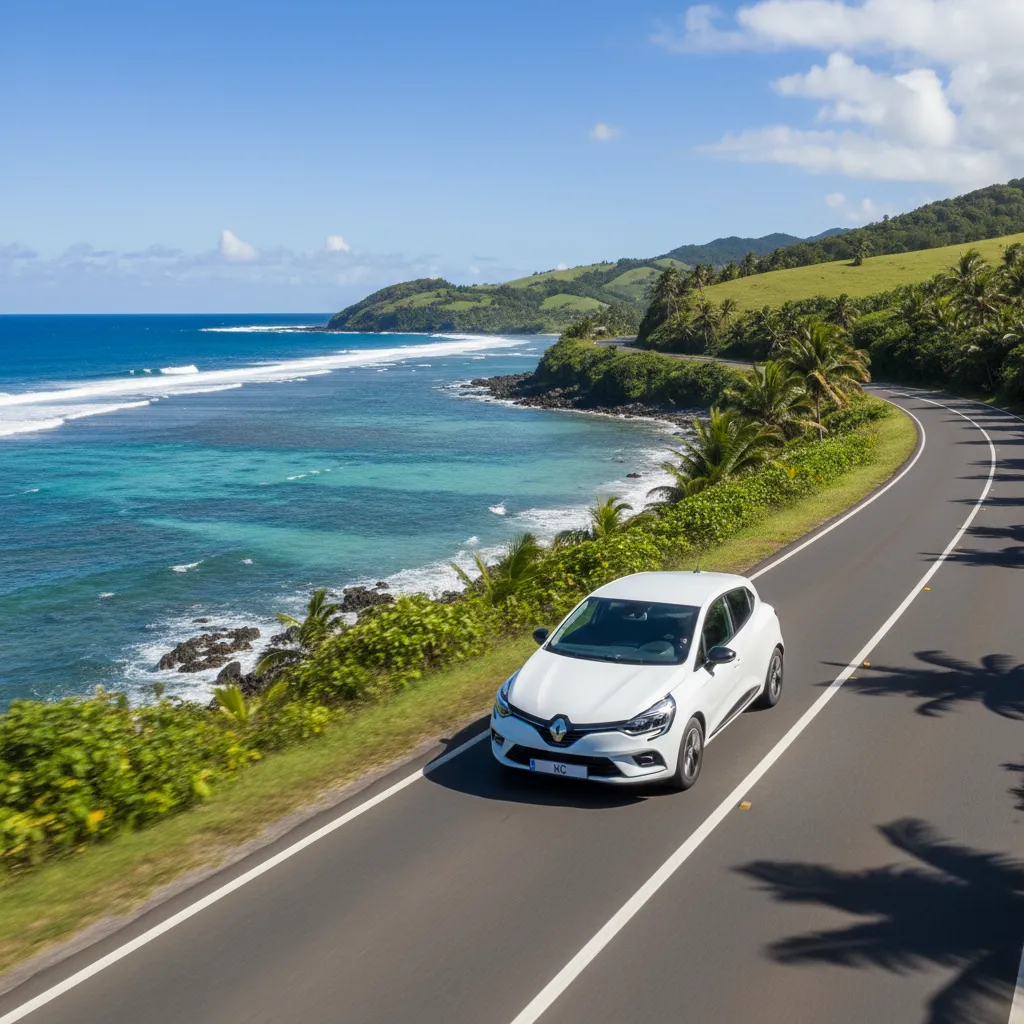
Your journey begins at La Tontouta International Airport, located about 45 minutes north of Noumea. For Kiwis arriving on the short flight from Auckland, picking up a rental car at the airport is the most streamlined option. Ensure you book an automatic vehicle if you are not comfortable with manual transmission, as driving will be on the right-hand side of the road.
Exploring the French Riviera of the Pacific
Spend your first two days acclimatizing in the cosmopolitan capital, Noumea. This city is a unique fusion of Melanesian tradition and French sophistication. Before heading into the “bush” (the local term for the countryside), stock up on supplies at a local supermarket like Carrefour or Casino—baguettes, French cheeses, and pâté make for excellent roadside picnics later in the week.
Key Highlights in Noumea:
- The Tjibaou Cultural Centre: Designed by Renzo Piano, this architectural masterpiece is essential for understanding Kanak culture before you travel further north.
- Baie des Citrons & Anse Vata: These are the primary tourist beaches. Enjoy a swim in the calm waters or dine at one of the many overwater restaurants.
- Port Moselle Market: Visit early in the morning (closed Mondays) to see fresh seafood, tropical fruits, and local crafts. It is a sensory overload of colours and smells.
- Ouen Toro Lookout: Drive to the top for a panoramic view of the lagoon and the surrounding islets.
Day 3-4: Bourail and Poé Beach
On Day 3, leave the bustle of Noumea behind and join the RT1 heading northwest. The drive to Bourail takes approximately 2.5 hours (160km), but the scenery changes dramatically. The lush tropical vegetation gives way to dry savannahs and rolling hills dotted with cattle, reminiscent of the American West but set in the South Pacific.
What makes Bourail the highlight of the West Coast?
Bourail is the agricultural heart of New Caledonia and home to the famous Foire de Bourail (agricultural fair). However, for the traveler, the real jewel is the Deva Domain and the coastline at Poé.
The Lagoon of Poé: This area is a UNESCO World Heritage site. The lagoon here is shallow, translucent, and stretches for kilometres. It is arguably the best location on the mainland for snorkeling and kayaking.
Activities in Bourail:
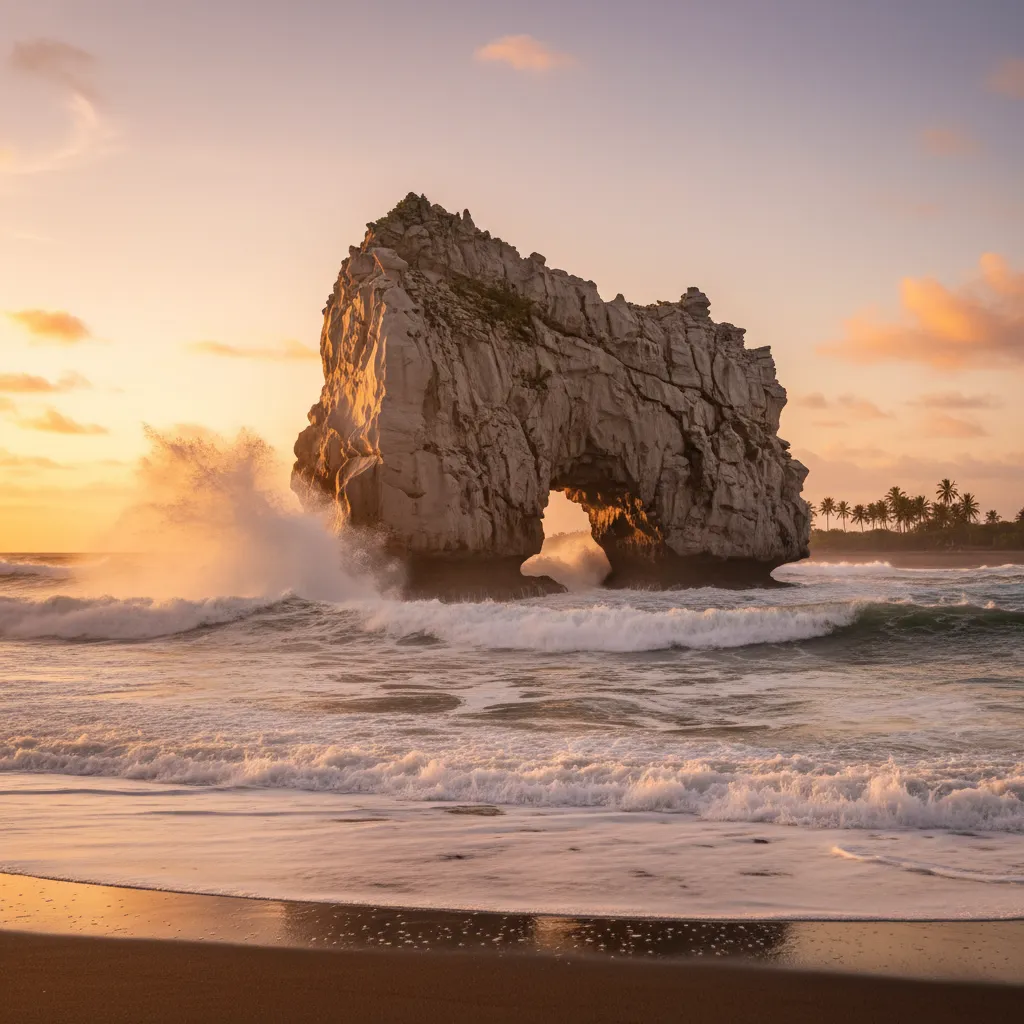
- The Three Bay Trail (Sentier des Trois Baies): A stunning coastal hike that connects Roche Percée, Baie des Tortues (Turtle Bay), and Baie des Amoureux (Lovers’ Bay). You will see the famous “Bonhomme de Bourail,” a quartz monolith shaped by wind and waves.
- Glass Bottom Boat Tours: Depart from Poé Beach to see the coral reef barrier and the resident turtle population.
- Deva Domain: A massive protected natural area offering mountain biking trails, hiking paths, and bird watching.
Day 5: Koné and the Heart of Voh
Continue north on the RT1 for another hour (approx. 60km) to reach Koné, the capital of the Northern Province. The landscape becomes redder and more mineral-rich, signaling the nickel-rich earth that drives the island’s economy.
How do you see the Heart of Voh?
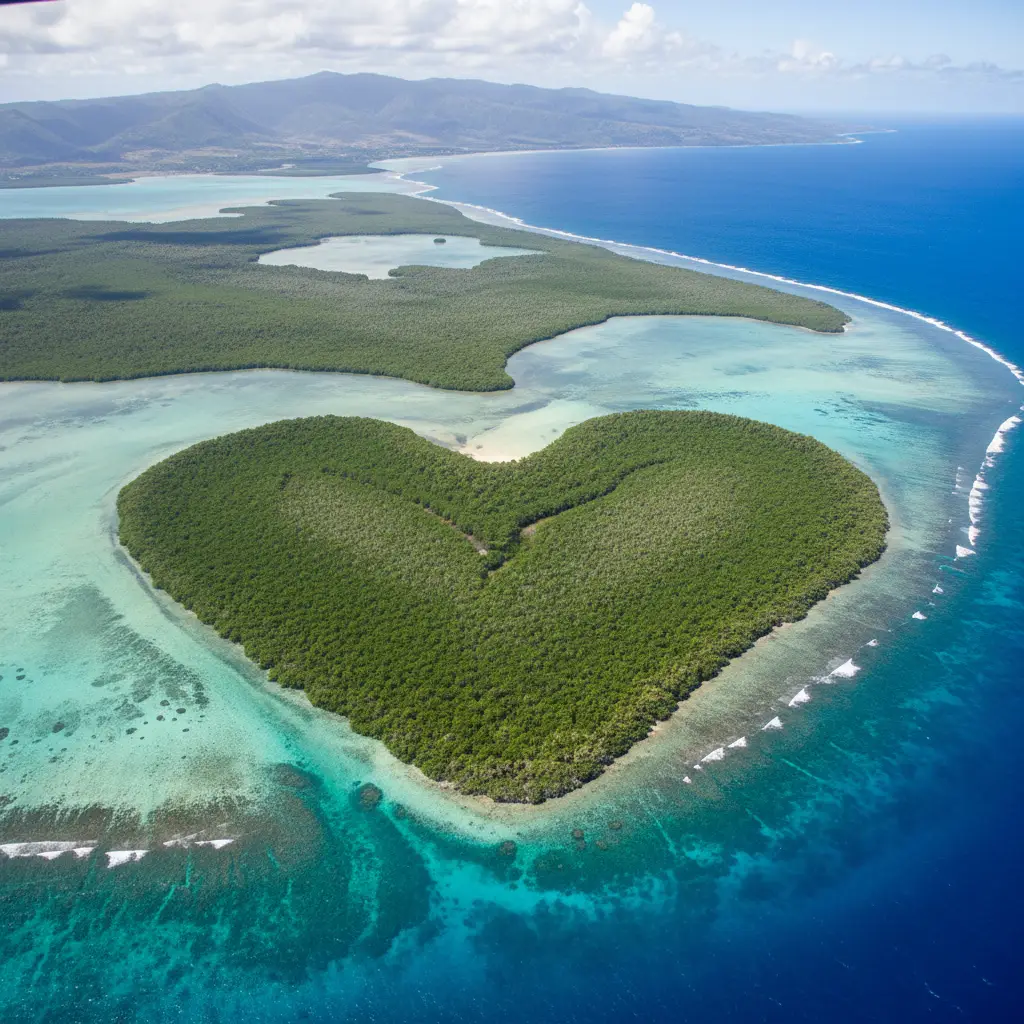
The Heart of Voh (Cœur de Voh) is a natural formation of mangroves that formed a perfect heart shape, made famous by photographer Yann Arthus-Bertrand. It is the iconic image of New Caledonia.
There are two ways to view this spectacle:
- By 4×4 and Hike: You can drive up the slopes of Mount Kathépaïk (requires a 4WD vehicle or a guided tour) and then hike to a viewing platform. While rewarding, the angle is oblique.
- By Ultralight Flight (Recommended): To truly appreciate the geometry of the Heart of Voh, book a flight from the Koné airfield. Seeing the contrast of the green mangroves against the ochre earth and the blue lagoon from the air is a once-in-a-lifetime experience for Kiwi travelers.
After your excursion, explore the town of Voh itself, known for its coffee heritage. Visit the Ecomuseum of Coffee to learn about the Arabica varieties grown in this region.
Day 6-7: Koumac Caves and The Return Journey
Drive further north to Koumac (approx. 1 hour from Koné). This is often the turnaround point for a 7-day itinerary, though the road does continue to the very tip at Poum.
Exploring the Underground
Koumac is famous for its extensive cave systems located just a few kilometres from the town centre. The “Grottes de Koumac” are accessible to the public. The Small Cave (Petite Grotte) is easy to explore, while the Big Cave (Grande Grotte) extends for kilometres underground. Bring a strong torch and sturdy shoes, as the interior is dark, damp, and rocky.
The Drive South
On Day 7, you will begin the journey back to Noumea/Tontouta. The drive from Koumac to the international airport is approximately 3.5 to 4 hours without stops. However, to break up the journey, consider stopping at:
- La Foa: A charming town with historic colonial buildings and the famous Passerelle Marguerite (a bridge designed by Eiffel’s disciples).
- Farino: The smallest commune in New Caledonia, nestled in the mountains, offering a cool respite and lush rainforest scenery at the Parc des Grandes Fougères (Giant Fern Park).
Accommodation Stops Along the Route
For a seamless New Caledonia self drive itinerary, booking accommodation in advance is highly recommended, especially during French school holidays.
Noumea (Day 1-2):
Luxury: Chateau Royal Beach Resort & Spa.
Mid-range: Hotel Beaurivage on Baie des Citrons.
Bourail/Poé (Day 3-4):
Luxury: Sheraton New Caledonia Deva Spa & Golf Resort. This is a standout property for Kiwis, offering 5-star luxury in the middle of the bush.
Budget/Authentic: Poé Côté Lagon or various Gîtes (homestays) in the area for a self-catering option.
Koné (Day 5):
Mid-range: Hotel Hibiscus or Hotel Koniambo. Options here are more functional, catering to business travelers and tourists alike.
Koumac (Day 6):
Standard: Hotel Monitel. A reliable spot with a pool and restaurant, convenient for cave explorers.
Driving Tips for New Zealanders
Driving in New Caledonia is generally stress-free, but there are specific nuances for Kiwi drivers to be aware of to ensure safety and compliance.
Right-Hand Side Traffic
The most critical adjustment is driving on the right side of the road. Roundabouts operate anti-clockwise. Give way to the left on roundabouts, but at uncontrolled intersections, the “Priority to the Right” (Priorité à droite) rule applies unless signed otherwise.
Road Conditions and Hazards
The RT1 is a sealed, two-lane highway in good condition. However, once you leave the main road, surfaces can change to gravel or red earth. Be vigilant for:
- Cattle and Horses: The West Coast is ranch country. Livestock frequently wanders onto the road, especially at dawn and dusk. Drive cautiously during these times.
- Speed Limits: Generally 110km/h on open roads outside Noumea, but this drops frequently passing through tribes (tribus) and villages. Speed cameras are common.
- Fuel: Petrol stations are frequent along the RT1, but rare on side roads. Stations are usually full-service; an attendant will fill the car for you. Tipping is not expected.
Licensing and Navigation
A full New Zealand driver’s license is valid in New Caledonia. An International Driving Permit (IDP) is not strictly required for short stays if your license is in English, but it is often recommended by car rental agencies for peace of mind. For navigation, download offline maps on Google Maps before you leave Wi-Fi zones, as mobile data coverage can be patchy in remote valleys.
By following this 7-day West Coast itinerary, you will experience the raw beauty of New Caledonia beyond the resort walls. It is a journey of red earth, blue lagoons, and warm hospitality that is perfectly suited for the adventurous Kiwi spirit.
Do I need a 4WD for this itinerary?
Not necessarily. The main RT1 road and access to Poé Beach and Koumac town are all sealed. However, if you plan to drive up to the Heart of Voh lookout or explore remote tracks in the Deva Domain, a vehicle with higher clearance or 4WD is recommended.
What is the best time of year to drive the West Coast?
The best time is during the cooler, drier months from May to October. This avoids the hot, humid cyclone season (January to March) and ensures better visibility for snorkeling and hiking.
Is it safe to drive in New Caledonia?
Yes, it is generally very safe. The roads are well-maintained compared to many Pacific nations. The main risks are stray livestock and fatigue on long straight stretches. Avoid driving at night in rural areas due to the lack of street lighting and animals on the road.
How much does petrol cost in New Caledonia?
Fuel prices are government-regulated and are the same at every service station across the island. It is generally comparable to or slightly higher than New Zealand prices. Budget accordingly for around 600-800km of travel.
Can I camp along the West Coast?
Yes, camping is popular, particularly at Poé Beach which has excellent facilities. However, “freedom camping” as known in NZ is not always permitted; you should camp in designated sites or ask permission from local tribes if venturing onto customary land.
Do I need to speak French?
While English is spoken in major hotels and tourist hubs in Noumea, it is less common in rural areas like Koné and Koumac. Learning a few basic phrases (Bonjour, Merci, L’addition s’il vous plaît) goes a long way, and having a translation app is helpful.