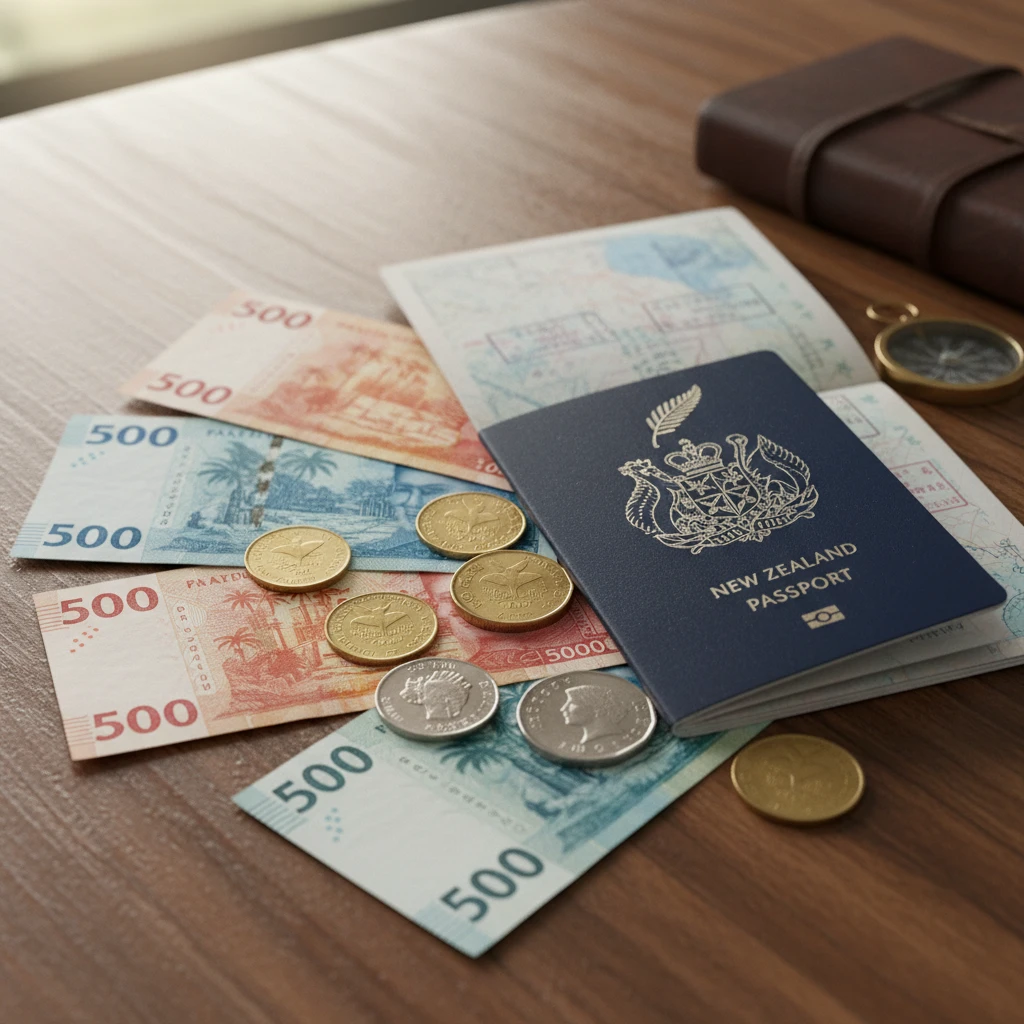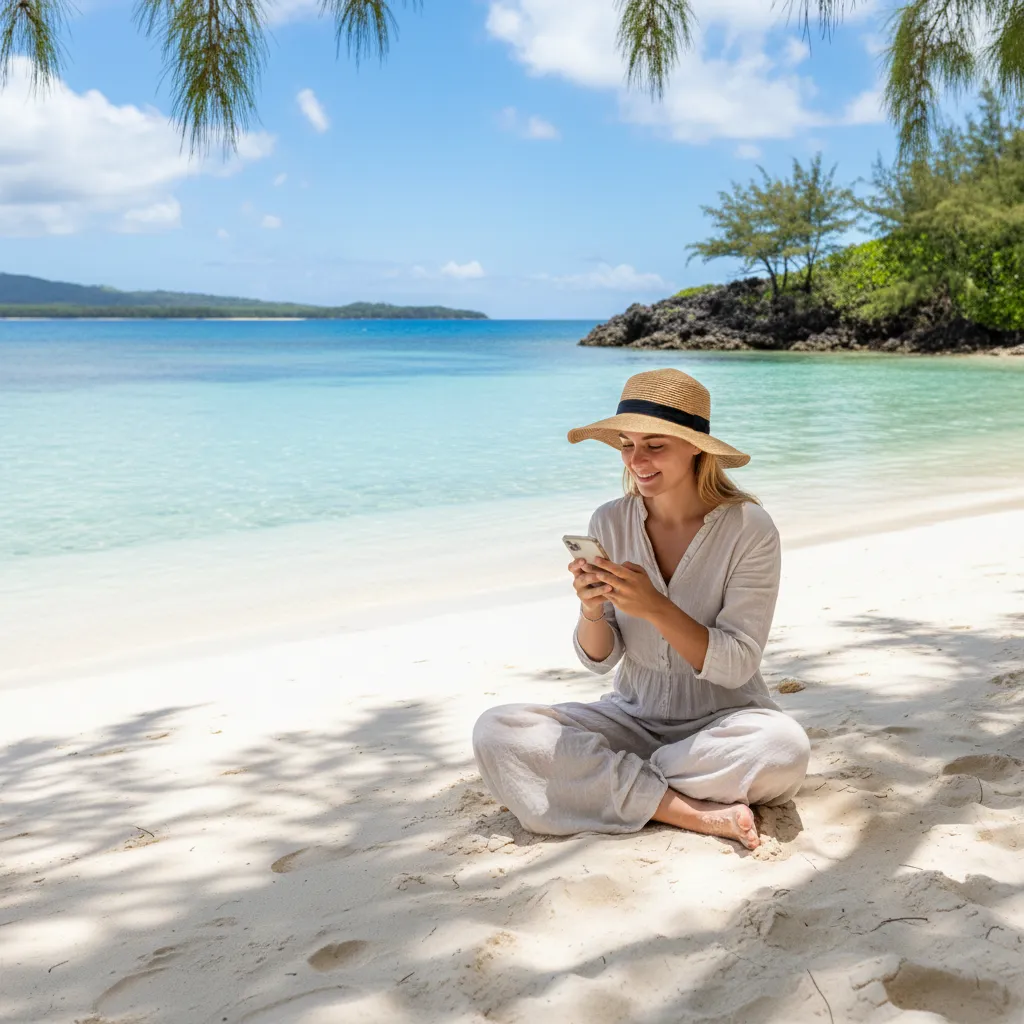
Camping in New Caledonia offers a unique blend of experiences ranging from well-equipped municipal campsites near UNESCO World Heritage lagoons to immersive tribal homestays on customary land. While freedom camping is generally restricted and requires explicit permission, the designated infrastructure provides safe, affordable, and culturally enriching options for travelers seeking an authentic Pacific outdoor adventure.
For New Zealanders accustomed to the Department of Conservation (DOC) hut system and freedom camping culture, New Caledonia presents a familiar yet distinctly tropical outdoor experience. Just a short flight from Auckland, “Le Caillou” offers a camping environment that marries French infrastructure with Melanesian hospitality. However, navigating the rules of the land—specifically the distinction between public domain and tribal land—is essential for a respectful and enjoyable trip.
The Landscape of Camping: Designated vs. Wild
Understanding the legal and cultural framework of land ownership is the first step in planning a camping New Caledonia guide itinerary. Unlike the vast public lands in New Zealand where freedom camping is permitted in designated zones, New Caledonia operates under a different set of rules driven by Kanak custom and French law.
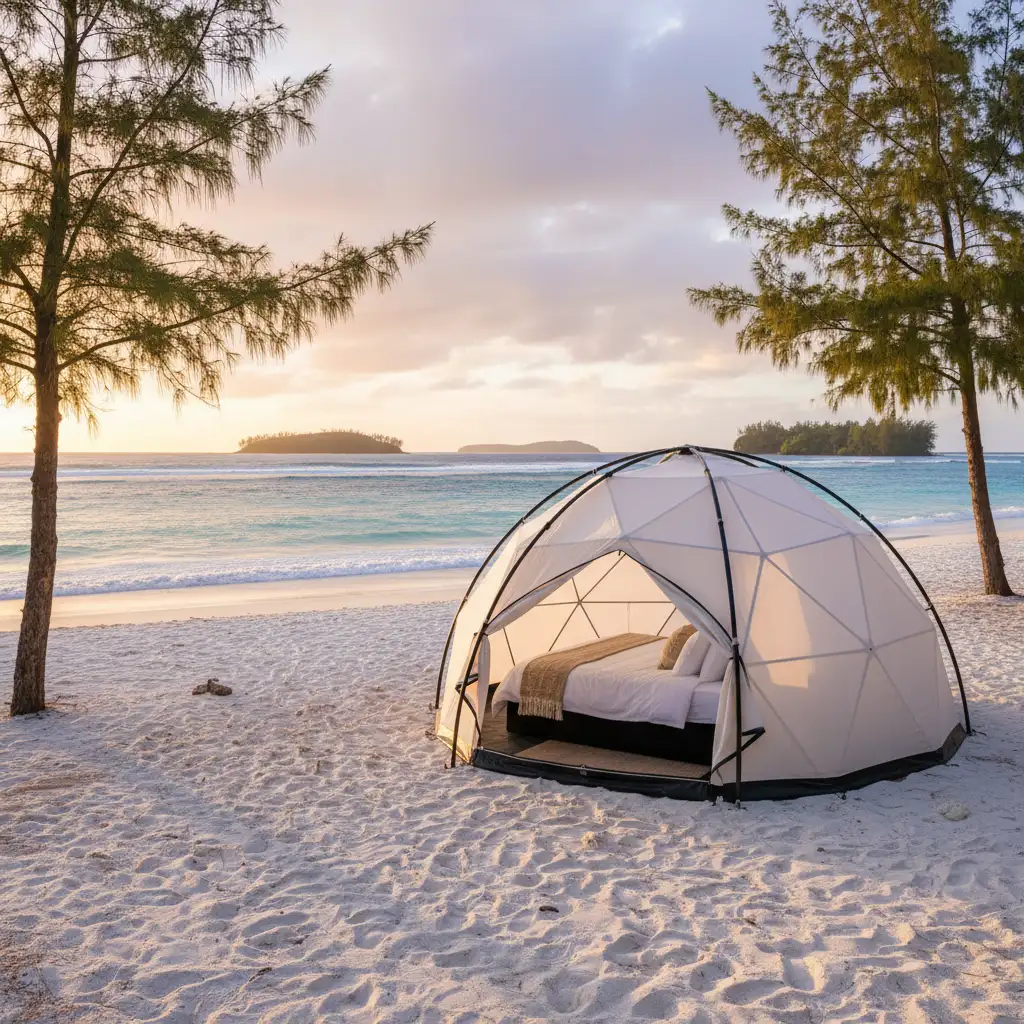
Is Freedom Camping Legal in New Caledonia?
Strictly speaking, wild camping (camping sauvage) is prohibited in most public areas. This includes roadside stops, public parks, and beaches near urban centers like Nouméa. The concept of “freedom camping” as understood in New Zealand does not translate directly here. New Caledonia is divided into three provinces, and land is often either private, state-owned (public domain), or Customary Land (owned by Kanak tribes).
On Customary Land, you cannot simply pitch a tent. However, it is often possible to camp if you ask for permission from the local tribe. This is not a right, but a privilege granted through courtesy. If granted, you will likely be directed to a specific spot. Attempting to camp without asking is considered a serious breach of etiquette and can lead to uncomfortable confrontations.
The Designated Campsite Network
Fortunately, the official network of campsites is extensive. These generally fall into three categories:
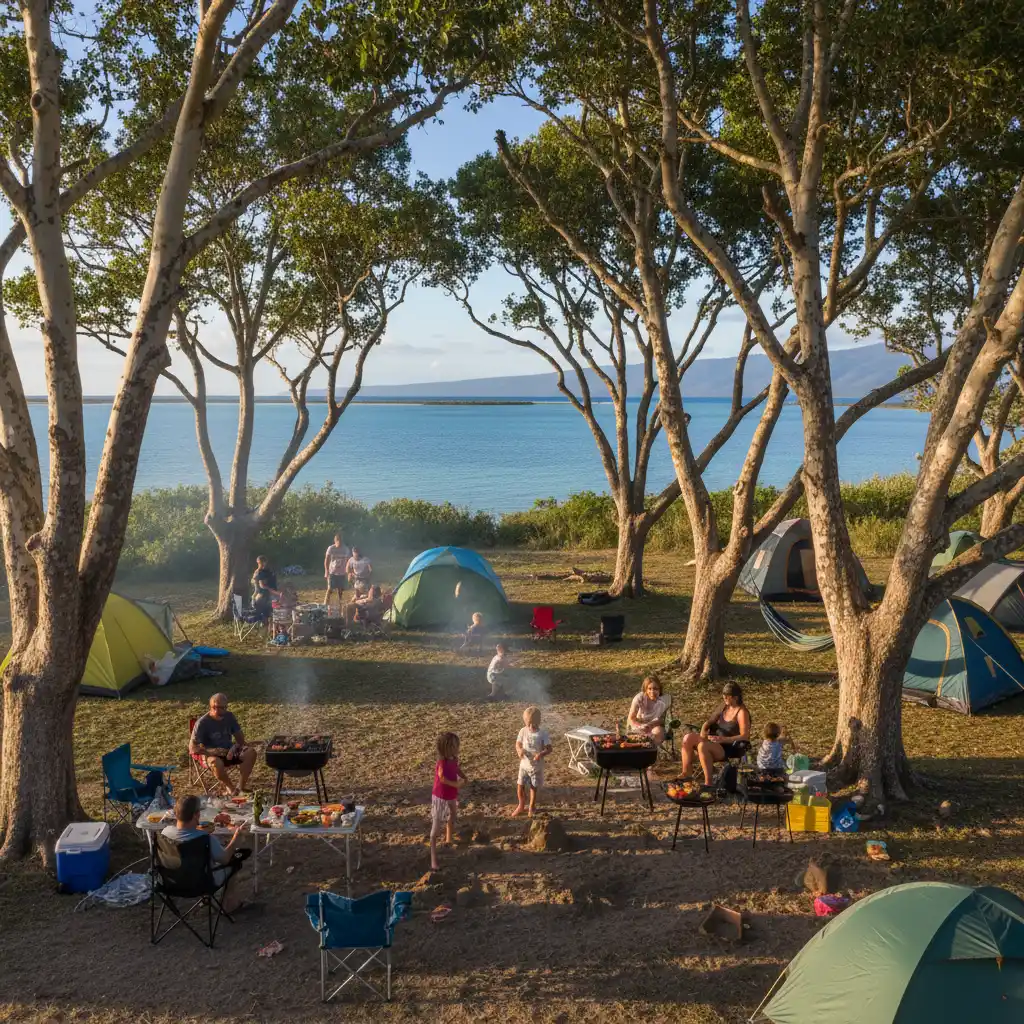
- Municipal Campsites: Run by local councils (Mairie), these are often located near prime beaches (like Poé) and offer standard amenities including showers, toilets, and BBQ areas.
- Private Campgrounds: Often attached to hotels or guesthouses (gîtes), offering a budget-friendly way to use resort facilities.
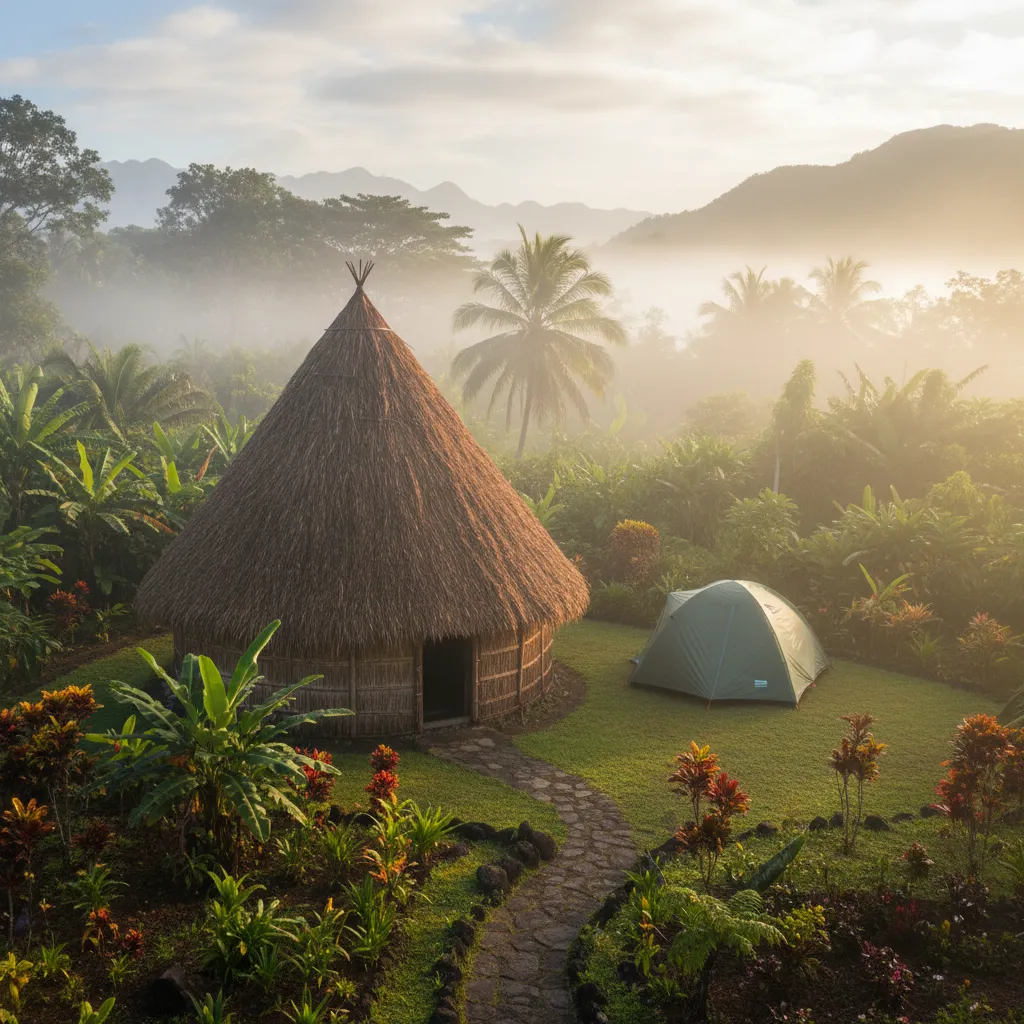
- Accueil en Tribu (Tribal Homestays): The most authentic option, where families designate a portion of their land for campers. Facilities are rustic, but the cultural connection is unparalleled.
West Coast Gems: The Cowboy Country
The West Coast, often referred to as the “Far West” due to its cattle ranches and dry savannah landscape, is the most popular region for campers. It is accessible via good roads and offers proximity to the UNESCO World Heritage lagoon.
Camping at Poé Beach (Bourail)
Poé Beach is the crown jewel of West Coast camping. Located in the Bourail district, roughly two hours north of Nouméa, it is a haven for Kiwis who love water sports. The lagoon here is shallow, crystal clear, and protected by a reef located about 2km offshore.
The Top Pick: Camping de Poé
This is a large, well-managed municipal site. It is essential to book in advance during school holidays (both NC and NZ holidays), as it fills up with local families.
- Amenities: Clean shower blocks (cold water is common, solar hot water available in some blocks), sheltered BBQ tables, and designated fire pits.
- Activities: Snorkeling, kayaking, and glass-bottom boat tours. The nearby Deva Domain offers extensive hiking and mountain biking trails.
- Cost: Expect to pay around 1,500 to 2,000 XPF (approx. $22-$30 NZD) per tent per night.
La Foa and Farino
Slightly inland, the regions of La Foa and Farino offer a greener, rainforest experience. Parc des Grandes Fougères (Park of the Great Ferns) is a must-visit for trampers. While camping inside the park is restricted to specific events, nearby gîtes often allow camping on their grounds. This area provides a cool respite from the coastal heat and is excellent for birdwatching, including spotting the endemic Cagou.
East Coast & The Islands: Tribal Homestays
Crossing the central mountain chain (La Chaîne) to the East Coast reveals a different world. The landscape transforms into lush, tropical vegetation with waterfalls and black limestone cliffs. Here, the camping experience is defined by Accueil en Tribu.
Understanding “La Coutume” (Custom)
When staying on tribal land, even at a paid campsite, it is respectful to understand the basics of Kanak custom. While tourists are not always expected to perform the full ceremony, showing respect is vital.
- The Gesture: If you are inviting yourself onto non-commercial tribal land, you present a small gift (a piece of “Manou” cloth and tobacco or a small amount of money) to the chief or the head of the family.
- At Commercial Tribal Campsites: The fee covers the “permission,” but a polite attitude and asking permission before taking photos of people is mandatory.
Top Tribal Camping Spots
Hienghène: Famous for its Sphinx-shaped rock formations and the Lindéralique cliffs. Several tribes offer camping spots right by the river or the sea. The facilities here are basic (often cold showers), but the scenery is dramatic.
Yambé: Located further north, offering secluded spots near waterfalls. This is for the traveler who wants to disconnect completely.
Isle of Pines (Île des Pins): Known as the “closest island to paradise.” Camping here is significantly cheaper than the luxury resorts. The Camping d’Atchu is a popular choice, offering direct beach access and a natural swimming pool. The ground can be coral-based, so a sturdy sleeping mat is recommended.
The Great South: Red Earth Adventures
The Grand Sud (Great South) is characterized by iron-rich red soil, scrubland, and vast lakes. It looks like Mars meeting the Pacific Ocean.
Parc Provincial de la Rivière Bleue
This is the premier eco-tourism destination in the south. Camping is allowed at designated sites like Camping des Kaoris. You must bring all your own supplies, as there are no shops nearby.
Port Boisé (Yaté)
Located at the southern tip, campsites here offer access to the Kanumera Bay area. The contrast between the red earth, the green Araucaria pines, and the blue ocean is stunning. Facilities in the south are generally well-maintained, catering to the adventurous weekend crowd from Nouméa.
Facilities, Gear, and Practicalities
For New Zealanders planning a camping New Caledonia guide trip, there are logistical differences to be aware of compared to camping at home.
Power and Electrical
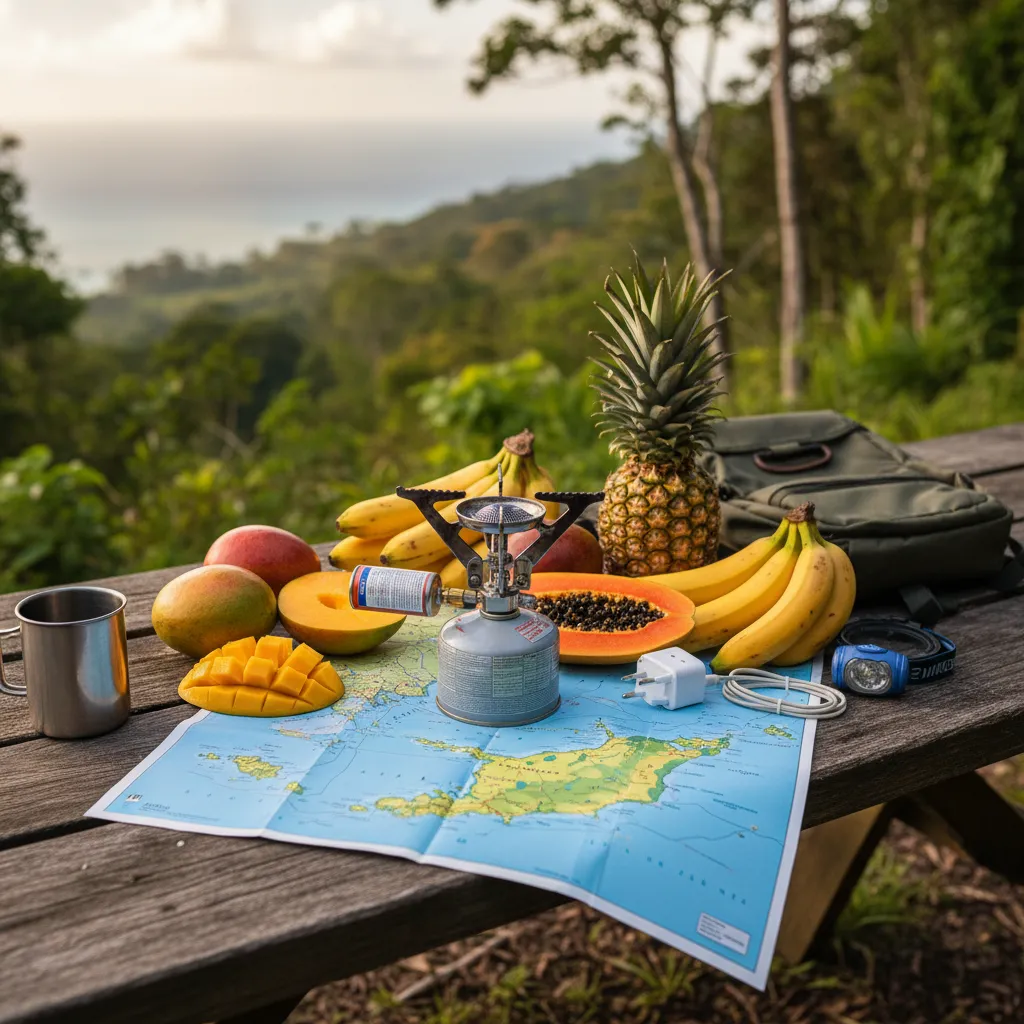
New Caledonia uses the European 2-pin plug (Type E/F) and operates on 220V. New Zealand devices will need an adapter. Most established campsites offer powered sites (emplacement électrique), but you will often need a long extension cord with a European male end. It is advisable to buy a cheap extension lead at a local hardware store (Quincaillerie) or supermarket (Carrefour/Casino) upon arrival if you plan to power a campervan or recharge devices at your tent.
Gas and Cooking
You cannot fly with gas canisters. Upon arrival, you will find that the gas connections may differ from NZ standards.
- Campingaz: The blue “click-on” or puncture-style canisters are the most common in New Caledonia (French standard).
- Screw-on canisters: The standard threaded canisters used for Jetboils and MSR stoves in NZ are becoming more common in outdoor stores in Nouméa (like Decathlon), but can be hard to find in rural areas.
- Recommendation: Bring your multi-fuel stove if you have one, or plan to buy a cheap stove locally. Most campsites have communal BBQ areas, but charcoal is usually required.
Water Quality
Tap water is generally safe to drink in Nouméa and major towns. However, in rural tribal areas and campsites, it is safer to boil water or use purification tablets, especially after heavy rain. Buying large 5L jugs of water is a common practice for campers.
Supermarkets vs. Markets
Food in New Caledonia can be expensive. To keep costs down:
- Shop at major supermarkets (Carrefour, Géant, Casino) in Nouméa before heading north.
- Utilize roadside fruit stalls for bananas, papayas, and seasonal produce—bring small change (Pacific Francs).
- Alcohol sales are restricted on certain days (often Wednesday, Friday afternoons, and weekends) in varying municipalities. Plan your beer and wine purchases in advance.
Safety, Wildlife, and Etiquette
New Caledonia is generally a very safe destination, but environmental awareness is key.
Wildlife Concerns
Unlike Australia, New Caledonia has no dangerous land snakes or lethal spiders. However, there are marine risks:
- Mosquitoes: Dengue fever is a risk. Use strong repellent (tropical strength) and burn coils in the evenings.
- Marine Life: Stonefish, cone shells, and sea snakes (Tricot Rayé) are present. The Tricot Rayé is venomous but extremely docile and rarely bites. Do not touch them.
- Sharks: There have been shark incidents in New Caledonia. Adhere strictly to swimming bans. In protected lagoons like Poé, swimming is generally considered safer, but always check local alerts. Avoid swimming at dusk or dawn, or near river mouths.
Campground Security
Theft is rare but can happen. Do not leave valuables visible in your tent or car. In tribal homestays, security is usually excellent due to the community nature of the location. When wild camping (with permission), you are on your own, so ensure you have notified someone of your location.
Language Barrier
While English is spoken in major hotels, it is less common in rural campsites. Downloading an offline French dictionary or Google Translate is highly recommended. A simple “Bonjour” (Hello) and “Merci” (Thank you) goes a long way in establishing rapport with campsite hosts.
Frequently Asked Questions
Can you rent camping gear in New Caledonia?
Yes, there are several companies in Nouméa that rent camping equipment, including tents, sleeping mats, and cooking gear. This is a great option for travelers flying with carry-on only. However, for a long trip, it might be cheaper to bring your own lightweight gear from NZ or purchase basic items at Decathlon in Nouméa.
How much does camping cost in New Caledonia?
Camping is very affordable compared to hotels. Municipal sites and tribal homestays typically charge between 1,000 and 2,000 XPF (approx. $15 – $30 NZD) per tent, per night. Some charge per person rather than per tent, so always check the rate card.
Do I need to book campsites in advance?
For popular spots like Poé Beach or during French school holidays and long weekends, booking is essential. For remote tribal homestays, it is polite to call ahead (in French) to ensure they are accepting guests, though many will accommodate drop-ins if space allows.
Is it safe to drink the water at campsites?
In established municipal campsites, the water is usually treated and safe. However, in remote tribal areas or basic campsites, it is recommended to boil water or use a filter. Bottled water is widely available if you prefer to be cautious.
Are campervans available for hire in New Caledonia?
Yes, campervan hire is available but the fleet is much smaller than in New Zealand. Companies like Point Rouge and campers.nc offer vehicles. Be aware that manual transmission is standard, and driving is on the right-hand side of the road.
What is the best time of year to camp in New Caledonia?
The best time to camp is during the cooler, drier months from May to October. The hot season (November to March) can be very humid with a higher risk of cyclones and mosquitoes, making tent camping less comfortable.