New Caledonia is generally considered a very safe destination for families and children, offering high standards of hygiene and healthcare comparable to France and New Zealand. The territory features calm, lagoon-protected beaches ideal for toddlers, low crime rates in tourist zones, and tap water that is safe to drink in Nouméa, making it a stress-free tropical getaway.
For New Zealand families looking for a tropical escape that doesn’t compromise on safety or modern conveniences, New Caledonia presents a compelling option. Located just a three-hour flight from Auckland, this French Pacific territory blends Melanesian tradition with European infrastructure. The question, “Is it safe for kids in New Caledonia?” is one of the most common queries for Kiwi parents planning their holidays. The short answer is a resounding yes, but understanding the specific nuances of health, water safety, and local activities will ensure your family holiday is as relaxing as it is memorable.
Unlike some remote island destinations where medical facilities might be basic, New Caledonia boasts a state-of-the-art hospital system and strict European safety regulations. From the sheltered bays of Nouméa to the educational wonders of the local aquarium, the environment is curated to be family-friendly. However, like any travel destination, being informed about sun safety, marine life, and local customs is key to a hiccup-free experience.
Is New Caledonia Safe for Families?
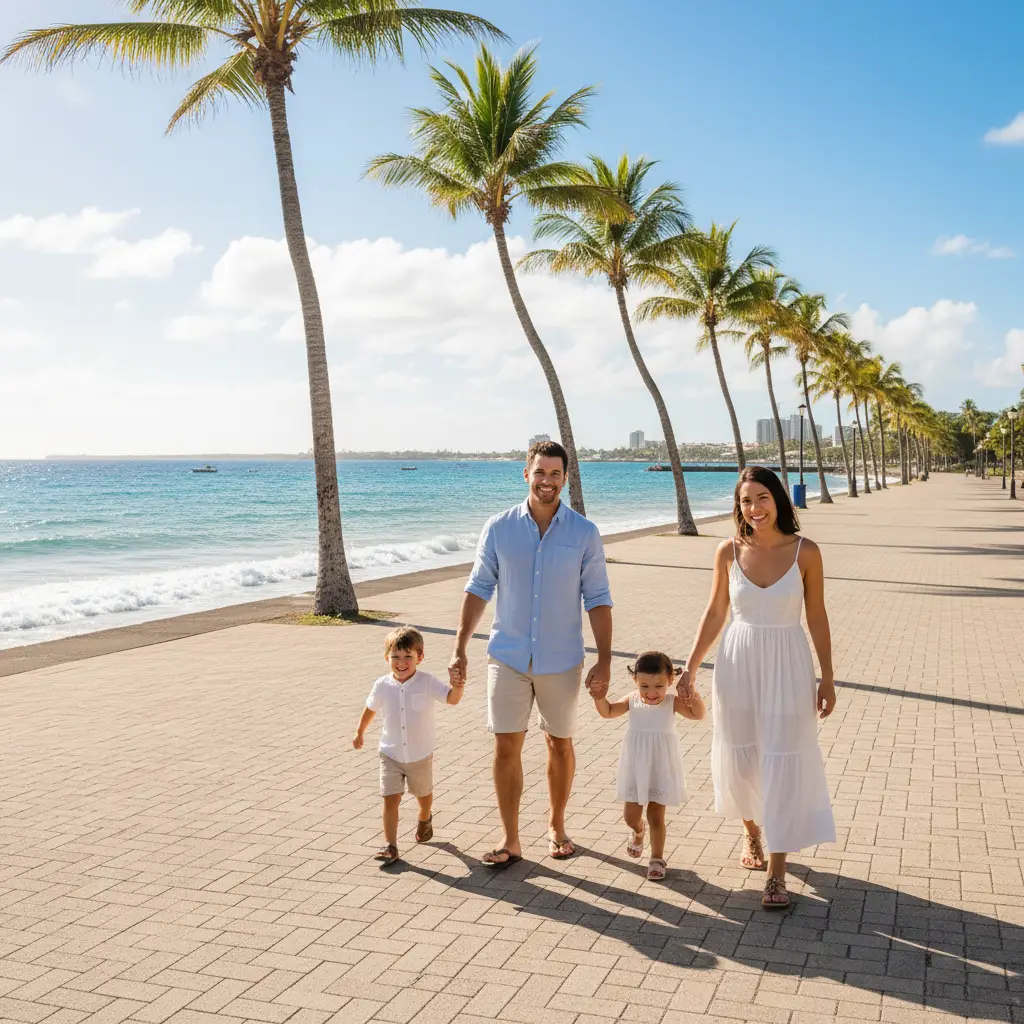
When evaluating the safety of a destination for children, parents typically look at three main pillars: crime rates, infrastructure reliability, and political stability. New Caledonia scores highly across these metrics, particularly for tourists staying in the main hubs of Nouméa, Isle of Pines, and the Loyalty Islands.
Violent crime against tourists is extremely rare. The territory is a collectivity of France, meaning it adheres to French laws and policing standards. While petty theft can occur—as it does in any major city globally—common sense precautions such as not leaving valuables unattended on the beach or in unlocked rental cars are usually sufficient to avoid issues. For Kiwi families used to the relatively safe environment of New Zealand, the atmosphere in New Caledonia feels familiar and secure.
Furthermore, the infrastructure is robust. Roads are generally well-maintained, especially on the main island of Grande Terre, making self-drive holidays a viable and safe option for families who want to explore beyond the resort. Car rental agencies offer international standard child seats, though it is always recommended to book these in advance to guarantee availability.
Health Standards and Medical Facilities
One of the biggest reassurances for parents traveling to New Caledonia is the quality of healthcare. The Médipôle de Koutio, located just outside Nouméa, is a world-class hospital facility that rivals what you would find in Auckland or Sydney. In the event of an illness or accident, families have access to high-level emergency care, pediatric specialists, and modern diagnostic equipment.
Pharmacies are widespread in Nouméa and are marked by a green neon cross. They are well-stocked with French pharmaceutical brands. If your child requires specific medication, it is advisable to bring a supply from home, but standard supplies like paracetamol (often sold as Doliprane), ibuprofen, and first-aid kits are readily available. The pharmacists are highly trained, and many speak enough English to assist with basic needs.
Safe Swimming Beaches for Toddlers
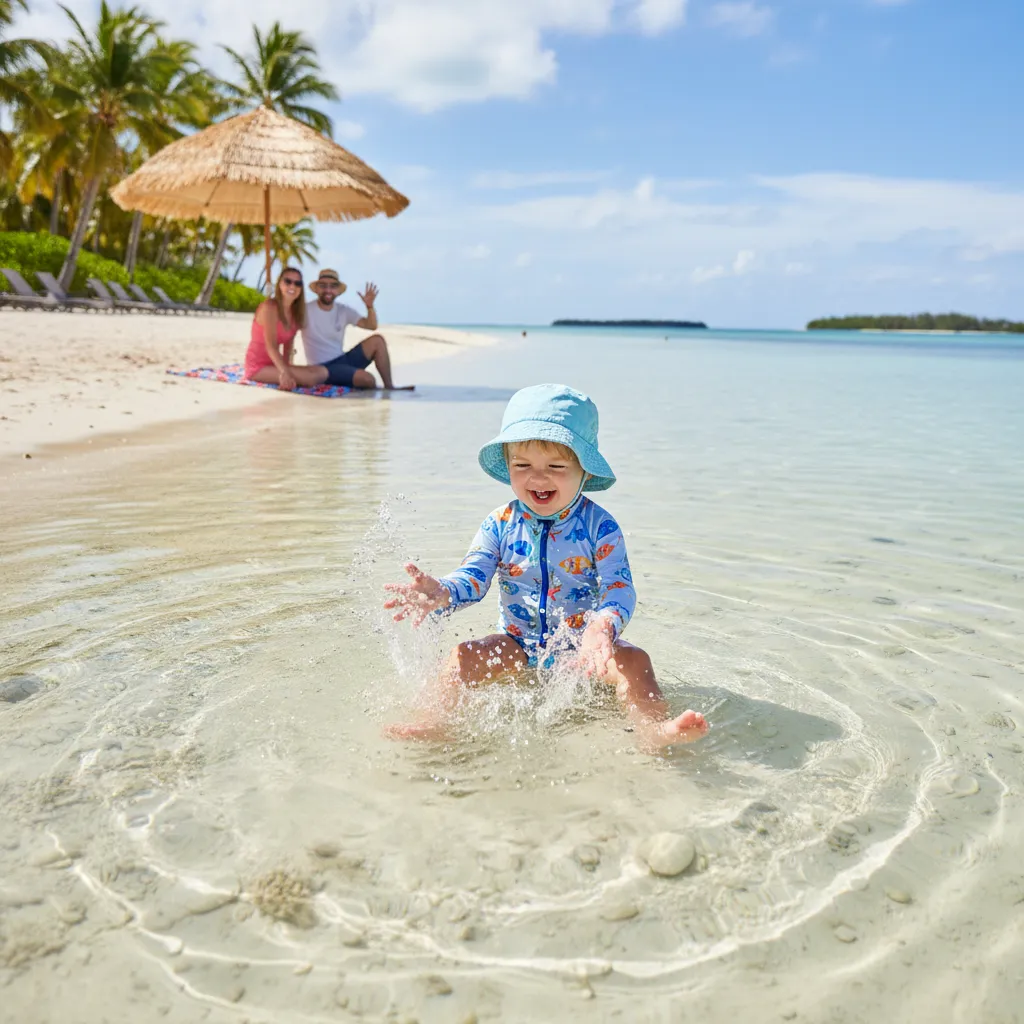
Water safety is a top priority for any island holiday. New Caledonia is surrounded by the world’s largest enclosed lagoon, which acts as a natural barrier against rough ocean swells. This geography creates exceptionally calm, swimming-pool-like conditions in many areas, which is perfect for toddlers and young children building their water confidence.
Baie des Citrons (Lemon Bay)
Baie des Citrons is arguably the safest beach for families in Nouméa. It is sheltered from the prevailing trade winds, resulting in water that is often completely flat. The slope into the water is gentle, allowing small children to play in the shallows without fear of sudden drop-offs. The beach is also patrolled by lifeguards during peak times, and there is a shark net installed for absolute peace of mind, although shark attacks on swimmers in these bays are historically non-existent.
Anse Vata
Just around the corner from Lemon Bay is Anse Vata. While it can be slightly windier (making it popular for windsurfers), the swimming areas are safe and designated. It is a long stretch of beach with plenty of grass and shade, ideal for picnics. The proximity to hotels and shops means you are never far from amenities, hydration, or a bathroom break.
Aquarium des Lagons: A Must-Visit
When considering safe activities that get kids out of the sun, the Aquarium des Lagons is a top recommendation. Located in Anse Vata, this facility is not just a tourist attraction but a center for research and conservation. It provides a controlled, safe environment for children to interact with marine life without the risks associated with open ocean snorkeling.
The aquarium is fully accessible for strollers, featuring wide ramps and air-conditioned viewing galleries—a welcome respite from the midday tropical heat. The exhibits are designed to be educational, showcasing the diverse ecosystems of the New Caledonian lagoon.
Highlights for Kids:
- The Fluorescent Corals: A dark room where corals glow under UV light, which is magical for children.
- The Turtle Pool: An outdoor area where rescued sea turtles are rehabilitated.
- Touch Pool: Under supervision, kids can gently touch starfish and sea cucumbers, learning respect for marine creatures in a safe setting.
Taking the Tchou Tchou Train
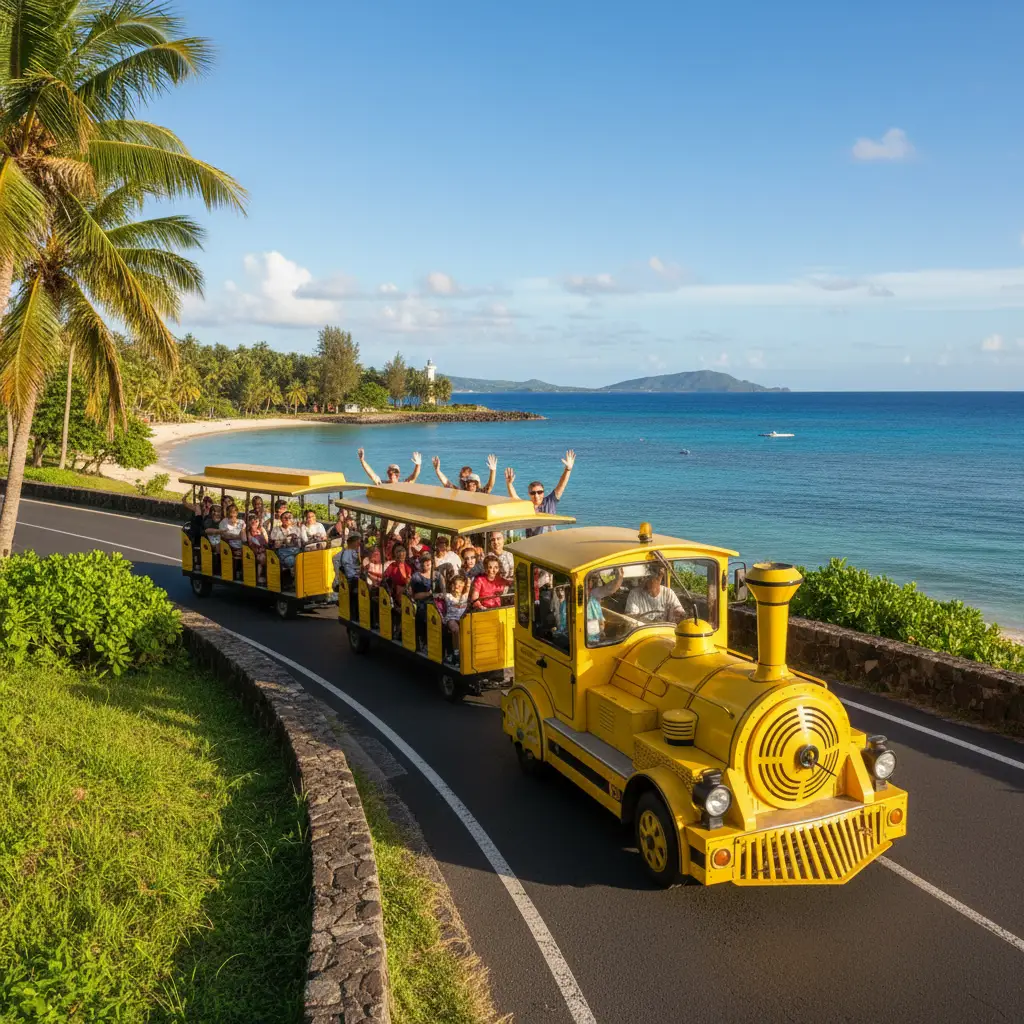
Navigating a new city with tired children can be a safety challenge in itself. Walking long distances in the heat often leads to exhaustion and dehydration. The “Tchou Tchou Train” (Le Petit Train) offers a safe, contained, and entertaining way to tour Nouméa.
This trackless train winds through the city’s key districts, including the Zoological and Forest Park, the city center, and the beaches. It is an open-air vehicle, providing a breeze while keeping the family seated and secure. For parents, it eliminates the stress of navigating traffic or managing kids on busy sidewalks. The commentary is available in English, providing educational context about the history and culture of the island, making it a passive learning experience for older children.
Educational Fun: French Language Workshops for Kids
Safety extends to cultural safety and confidence. Engaging children in the local culture can reduce anxiety about being in a foreign place. New Caledonia offers a unique opportunity for Kiwi kids to learn French in an immersive environment. Several institutions, such as CREIPAC (Centre de Rencontres et d’Échanges Internationaux du Pacifique), offer language workshops tailored for children.
These workshops are conducted in secure, educational settings by certified teachers. They often combine language learning with activities like cooking (making crêpes) or art. This is a fantastic way for children to interact with other kids in a structured environment, breaking down language barriers and making the destination feel more welcoming and less “foreign” to them.
Food and Water Safety
A primary concern for any parent traveling to the tropics is “Can we drink the water?” In Nouméa, the tap water is treated and is safe to drink, meeting European health standards. This is a significant convenience for families, as you don’t need to constantly buy bottled water for brushing teeth or filling sippy cups. However, in rural areas or on smaller outer islands, sticking to bottled water is a prudent precaution.
Regarding food, the hygiene standards in restaurants and supermarkets are high, adhering to French regulations. Supermarkets like Casino and Johnston are stocked with familiar international brands as well as high-quality French produce. You can easily find baby formula, nappies, and pouch food. The abundance of fresh baguettes, cheese, and fruit means that even picky eaters usually find plenty to enjoy. Street food is generally safe, but as with any destination, ensure hot food is served piping hot.
Environmental Safety: Sun and Sea
While New Caledonia is safe, the environment poses specific natural hazards that New Zealanders will be familiar with, though they require vigilance.
Sun Exposure
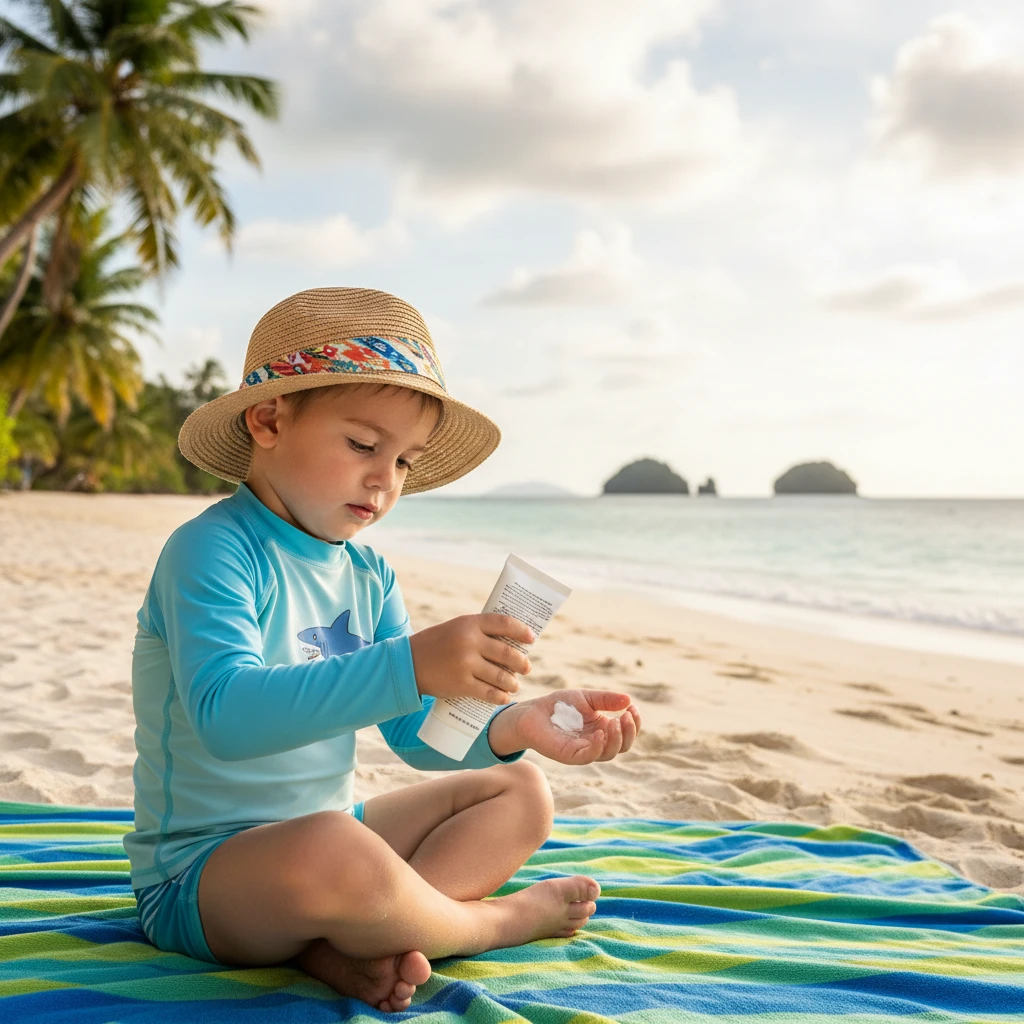
The tropical sun is intense. Sunburn can happen much faster here than in parts of New Zealand. High SPF sunscreen (50+), hats, and rash shirts (swim shirts) are non-negotiable for children. Plan outdoor activities for the morning or late afternoon to avoid the peak UV hours between 11:00 AM and 3:00 PM.
Mosquitoes
Mosquitoes in New Caledonia can carry Dengue fever. There is no malaria, but Dengue is a risk, particularly during the rainy season (roughly January to March). Safety measures include:
- Using child-safe insect repellent containing DEET or Picaridin.
- Dressing children in light-colored, long-sleeved clothing in the evenings.
- Using plug-in mosquito repellents in your accommodation (often provided by hotels).
Marine Life
While the lagoon is safe, it is a living ecosystem. Coral cuts can become infected easily in tropical climates. It is highly recommended that children wear reef shoes when swimming to protect their feet from sharp coral and stonefish, which are rare but present in the Pacific. Teach children the “look but don’t touch” rule for all marine life.
Conclusion
Is it safe for kids in New Caledonia? Absolutely. With its combination of French infrastructure, high-quality medical care, and naturally protected swimming areas, it stands out as one of the safest destinations in the Pacific for families. By taking standard precautions against the sun and mosquitoes, and by leveraging the safe, family-oriented activities like the Aquarium and the Tchou Tchou train, New Zealand families can enjoy a stress-free, culturally enriching holiday just a short flight from home.
People Also Ask
Do I need vaccinations for New Caledonia from NZ?
Generally, no special vaccinations are required for travelers from New Zealand beyond the routine schedule (Tetanus, MMR, etc.). However, it is always recommended to consult with a travel doctor before departure. Hepatitis A and Typhoid vaccines are sometimes suggested for those venturing into very remote areas or staying for extended periods.
Is the tap water safe to drink in New Caledonia?
Yes, the tap water in Nouméa is treated and safe to drink, meeting French and European standards. It is generally fine for children and toddlers. In remote rural areas or on smaller islands like the Loyalty Islands, it is recommended to drink bottled water as a precaution against stomach upsets.
Are there sharks in New Caledonia swimming areas?
Like all Pacific islands, sharks inhabit the ocean waters. However, the popular swimming bays in Nouméa, such as Baie des Citrons and Anse Vata, are monitored. Baie des Citrons has previously installed shark nets for added safety. Attacks on swimmers in designated tourist zones are extremely rare, and lifeguards patrol these areas diligently.
Is New Caledonia expensive for families?
New Caledonia can be more expensive than destinations like Fiji or Bali, comparable to prices in New Zealand or France. To manage costs, families often shop at supermarkets for breakfast and lunch supplies (baguettes and cheese) and dine out for dinner. Many activities, like swimming at the beach or hiking, are free.
What is the best time of year to visit with kids?
The best time to visit is during the shoulder seasons: April to May and September to November. During these months, the temperature is pleasant (not too hot), there is less rain, and fewer mosquitoes compared to the hot, wet season of January to March. The water is also warm enough for swimming.
Do I need to speak French to visit New Caledonia?
While French is the official language, English is widely spoken in hotels, tourist attractions, and restaurants in Nouméa. Knowing a few basic phrases like “Bonjour” (Hello) and “Merci” (Thank you) is appreciated by locals and is a fun learning activity for kids, but you can navigate a family holiday easily with English.