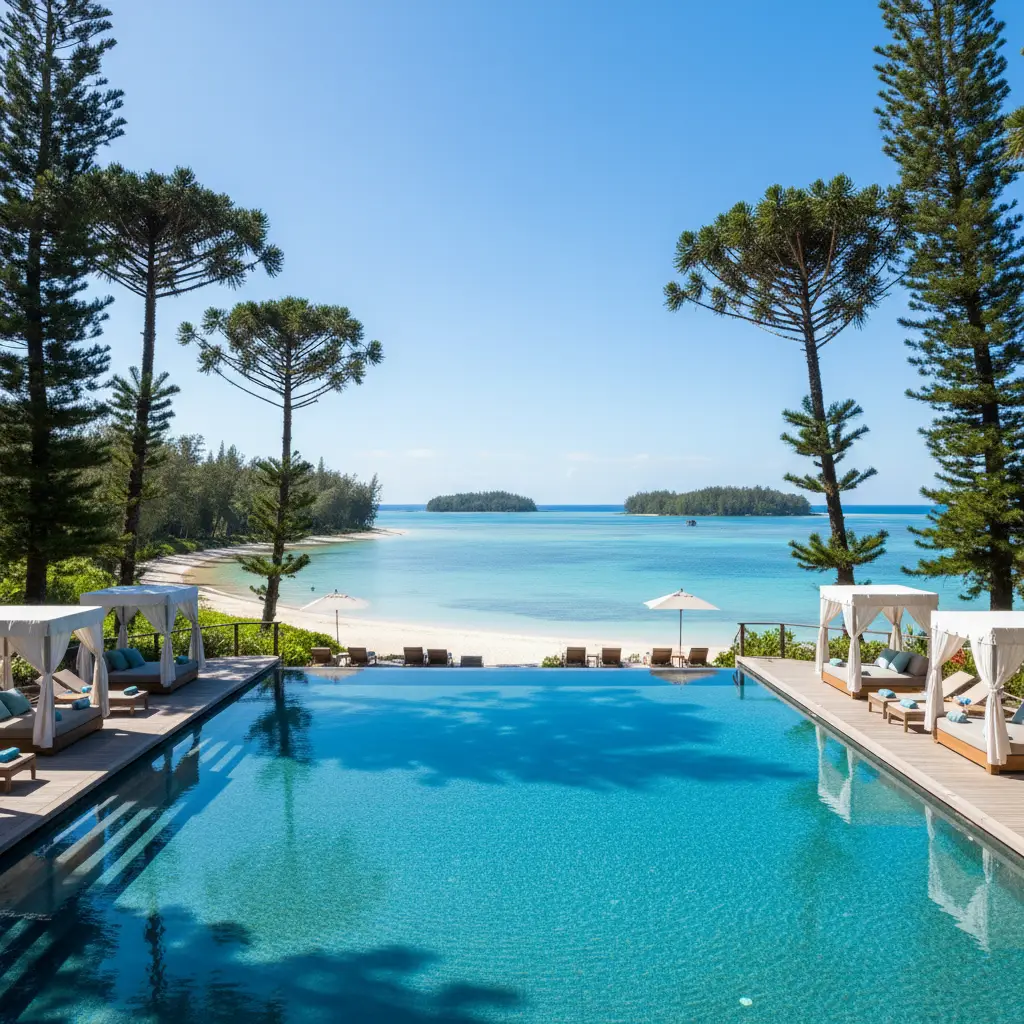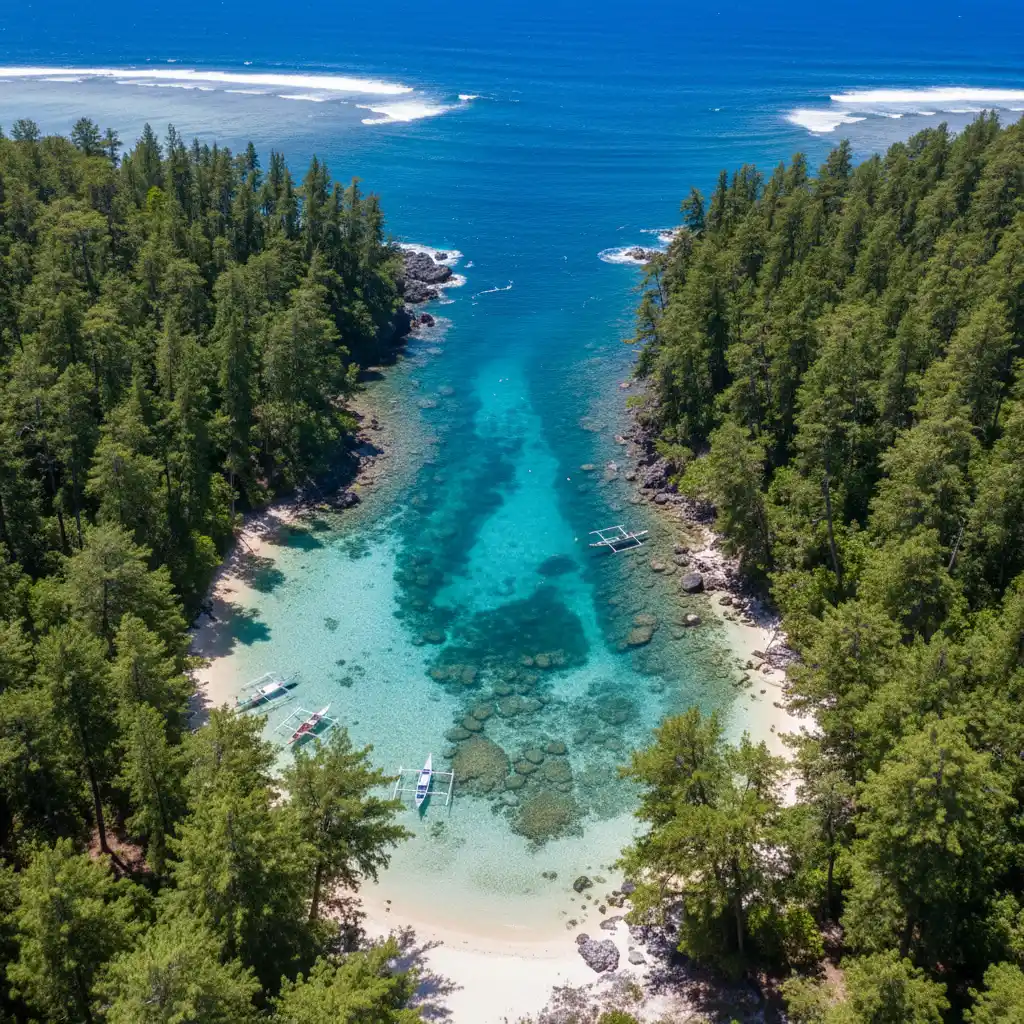
Scuba Diving Isle of Pines: Unveiling the Jewel of New Caledonia
Scuba diving Isle of Pines offers an unparalleled immersion into one of the South Pacific’s most pristine marine environments, renowned for its crystal-clear visibility, vibrant coral gardens, and diverse megafauna encounters, making it a premier destination for discerning New Zealand divers.
Introduction to Diving the Isle of Pines: A Pacific Paradise
The Isle of Pines (L’Île des Pins), or Kuto in the local language, sits just south of the main island of New Caledonia. For travellers originating from New Zealand, this destination represents an accessible yet exotic escape, offering world-class diving often compared favorably to more crowded South Pacific hotspots. The water temperatures are consistently warm, averaging 24°C in winter and peaking near 28°C in summer, making it comfortable for year-round exploration. The sheer isolation and stringent environmental protection mean the reef systems remain spectacularly healthy, delivering visibility that frequently exceeds 30 meters.
The commercial appeal of scuba diving Isle of Pines lies in its duality: it provides gentle, shallow reefs perfect for new divers while simultaneously offering dramatic drop-offs and cavern systems that challenge seasoned technical explorers. This guide is tailored specifically for the New Zealand market, focusing on logistics, operator reliability, and the unique marine spectacles awaiting you.
The Unforgettable Marine Life Encounters
What truly sets the diving here apart is the sheer abundance and diversity of the marine fauna. Unlike some overfished areas, the large pelagic life thrives, often providing reliable sightings of iconic species.
Turtles, Sharks, and Rays: The Big Three
The primary draw for many international divers, especially those accustomed to the marine life around New Zealand’s Poor Knights or the Kermadecs, is the reliable congregation of larger species. The nutrient-rich currents flowing around the island support robust populations of these magnificent animals.
Sea Turtles: Gentle Giants of the Reefs
Green Sea Turtles (Chelonia mydas) and Hawksbill Turtles (Eretmochelys imbricata) are common residents. Divers often find them resting near cleaning stations or gracefully cruising the shallow sandy bottoms between bommies. The interaction is typically passive and respectful, allowing for excellent photographic opportunities.
Sharks: Apex Predators in Protected Waters
While the thought of sharks can deter some, the species encountered here are generally less aggressive and are vital indicators of a healthy ecosystem. Blacktip Reef Sharks (Carcharhinus melanopterus) are frequently seen patrolling the reef edges, particularly around the passes. More excitingly, Grey Reef Sharks (Carcharhinus amblyrhynchos) are sometimes spotted in deeper channels. Local dive operators are highly trained in safe interaction protocols, ensuring diver safety remains paramount.
Rays: Majestic Gliders
Eagle Rays are a highlight. Spotted Eagle Rays (Aetobatus nareek) are often seen gliding in small schools over sandy patches, their wing spans creating an impressive silhouette against the bright seabed. Southern Stingrays also frequent the warmer, shallower bays.
Vibrant Coral Ecosystems and Macro Life
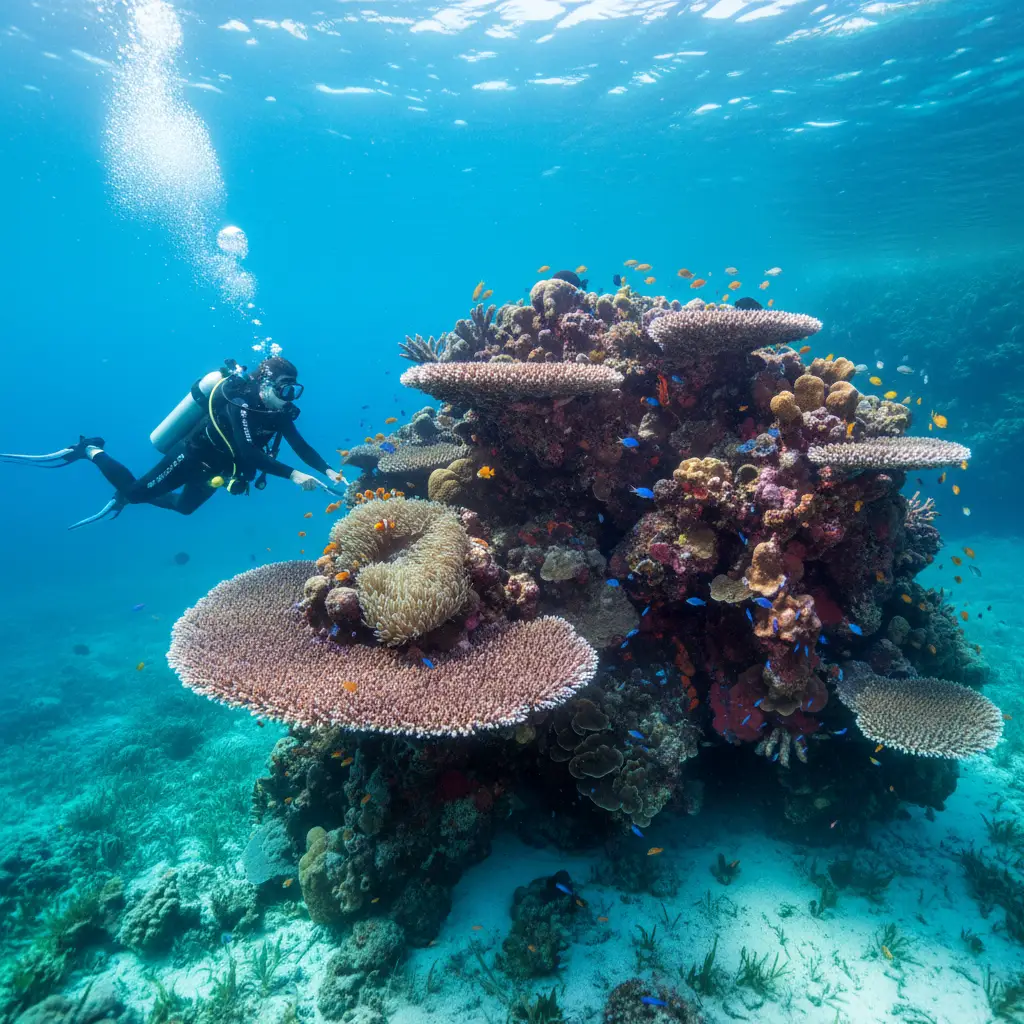
Beyond the megafauna, the hard and soft corals form intricate, colourful cities. The reefs are dominated by massive formations of brain coral and staghorn coral, providing shelter for countless smaller organisms.
- Hard Corals: Massive Porites colonies form the backbone of the reef structure, creating canyons and overhangs.
- Soft Corals and Gorgonians: These add bursts of colour, especially in areas with moderate current flow, attracting smaller invertebrates.
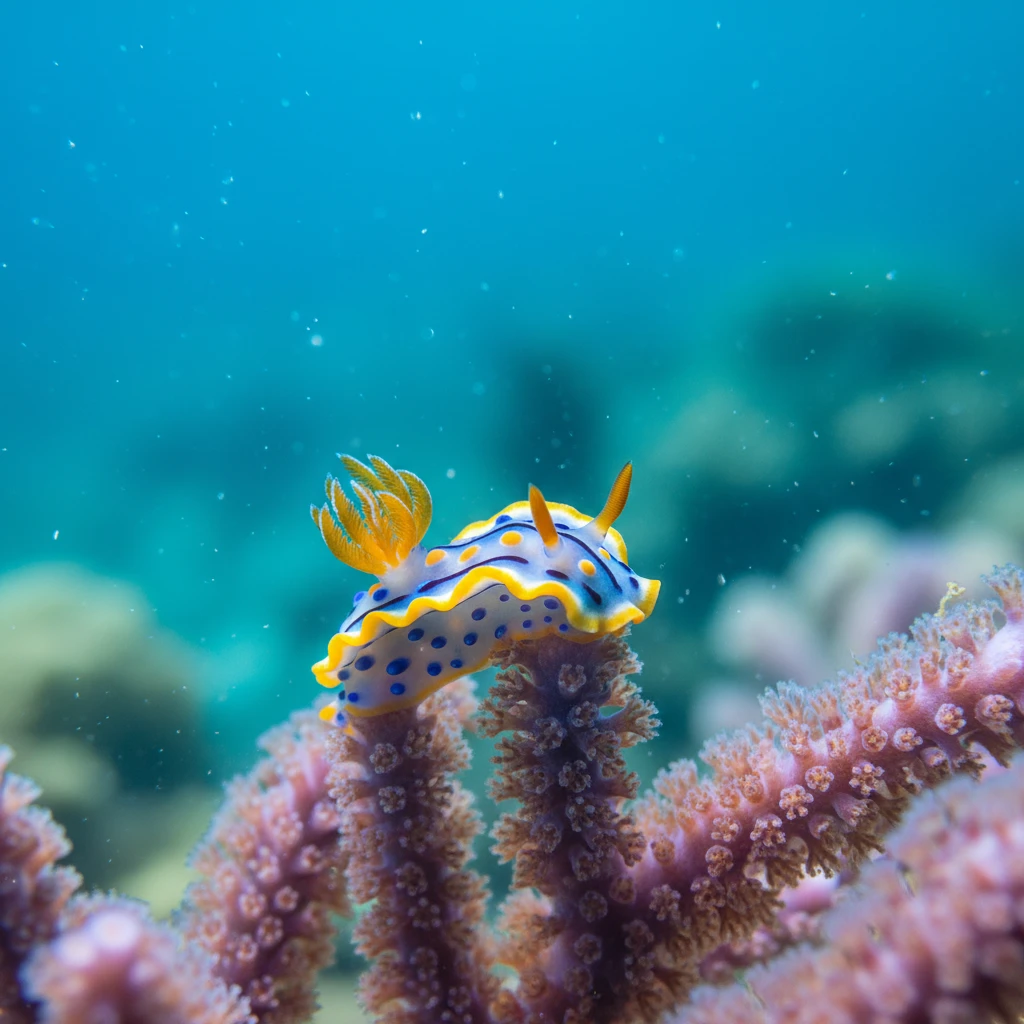
- Macro Life: Look closely for nudibranchs, cleaner shrimp colonies, and various species of cryptic scorpionfish and pipefish, rewarding the patient underwater photographer.
Matching Dive Sites to Your Skill Level
The variety of topography around the Isle of Pines means that operators can tailor the day’s itinerary to the experience level of the booked group, a crucial factor for NZ travellers planning a holiday dive trip.
Best Sites for Beginner Scuba Divers
New divers, or those returning after a long break, will appreciate the protected, shallow sites that offer excellent marine exposure without challenging conditions.
Le Jardin d’Eden (The Garden of Eden)
This site, often accessible even in moderate surface chop, is a shallow reef plateau, typically ranging from 5 to 15 meters. Visibility is usually superb. It acts as a fantastic training ground for buoyancy control and familiarity with the local reef structure. Expect colourful parrotfish, butterflyfish, and juvenile reef sharks.
Baie de Kanumera (Kanumera Bay)
While primarily known for snorkeling (see below), the sheltered bay offers very calm conditions for introductory dives or refresher courses. The depth gradient is very gradual, making descent and ascent management easy.
Advanced and Deep Dive Adventures
For certified Advanced Open Water divers and above, the true drama of the island’s geology is revealed in the deeper walls and channels.
Le Lagon Bleu (The Blue Lagoon)
While the lagoon itself is famous for its turquoise surface beauty, the outer edges and connecting channels offer deeper dives (20-35m). Here, the currents are stronger, attracting larger pelagics, and the wall structures plunge dramatically, providing that thrilling sense of depth that many advanced divers seek.
The Pass Sites
Dive sites located near the channels connecting the lagoon to the open ocean are magnets for larger marine life. These sites often require good buoyancy control due to potential down-currents or surge, but the payoff is the potential to see schooling jacks, large groupers, and pelagic sharks mentioned previously. Dive planning here is critical and relies heavily on local tide and current knowledge.
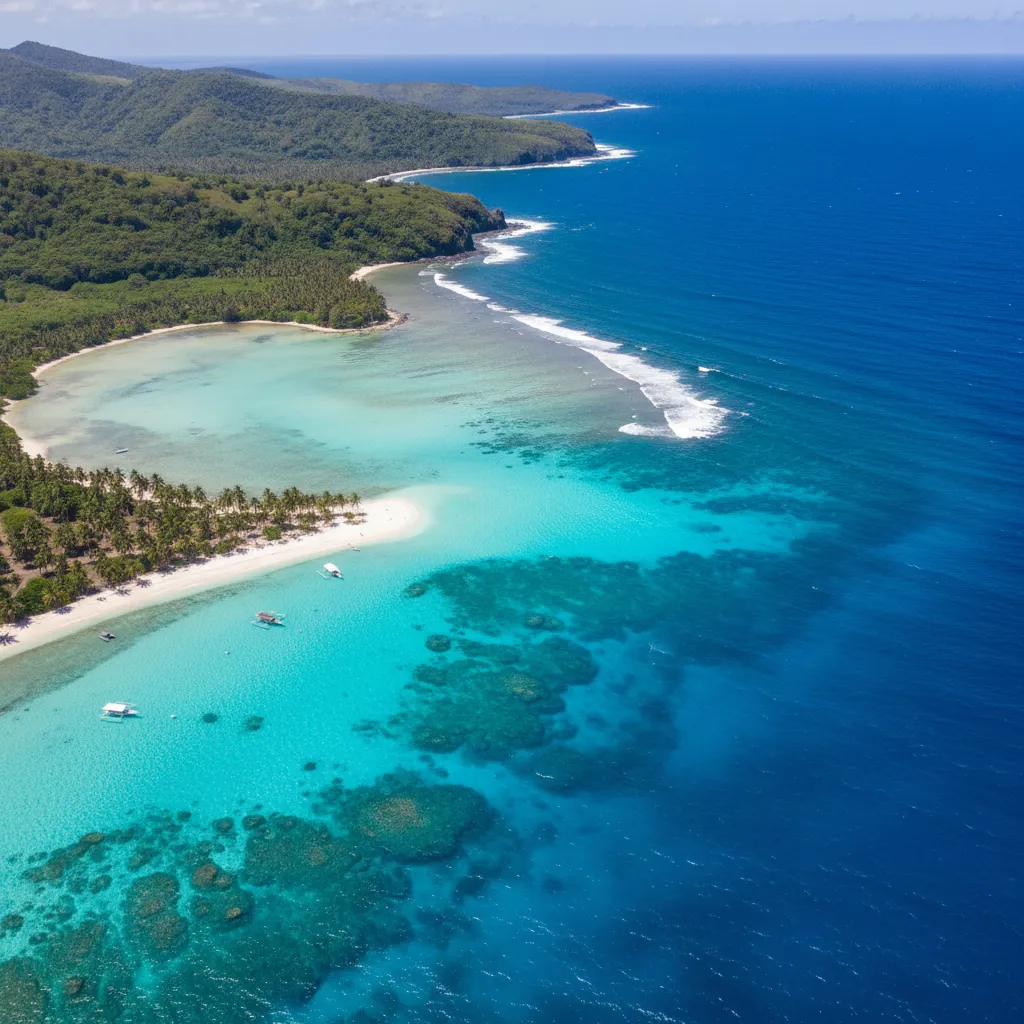
Expert Local Operators: Kunie Scuba Centre Review
Selecting a reliable, professional dive operator is the single most important decision for a successful trip. For travellers coming from New Zealand, who often expect high standards of safety and customer service, the local expertise provided by established centres is invaluable.
Kunie Scuba Centre Review: A Local Benchmark
Kunie Scuba Centre (often associated with the main resort areas) consistently receives positive feedback from international visitors, including those from the Australasian region. They are often the primary connection point for many visiting divers.
Safety and Equipment Standards
A major point of assurance for New Zealand divers is adherence to recognized international safety standards (e.g., PADI, SSI affiliation). Kunie Scuba Centre generally maintains modern, well-serviced rental gear, including high-quality BCDs, regulators, and dive computers. They typically operate modern dive boats capable of safely navigating the local conditions and reaching the outer reef sites efficiently.
Local Knowledge and Guiding Quality
The strength of any tropical dive operator lies in their local knowledge. Guides employed by reputable centres are often native to the area or have lived and dived there for decades. They possess intimate knowledge of where specific creatures are likely to be found, the best times to visit specific spots based on tides, and how to manage the variable light conditions found within the caverns and overhangs.
Customer Service Tailored for International Visitors
Communication is key. Operators catering to the NZ/Australian market generally ensure clear pre-trip communication, often offering multilingual staff or staff fluent in English. Booking flexibility, especially when coordinating dives around cruise ship schedules (a common factor on the island), is a significant operational advantage.
For the best experience, book your dive packages in advance, especially during peak New Zealand holiday periods, as the dive boats have capacity limits to maintain a high guide-to-diver ratio.
Snorkeling Alternatives at Kanumera Bay
Not every member of the travel party will be certified or wish to dive every day. Fortunately, the Isle of Pines offers world-class snorkeling that rivals many dedicated dive sites globally, particularly around the main bays.
The Magic of Kanumera Bay Snorkeling
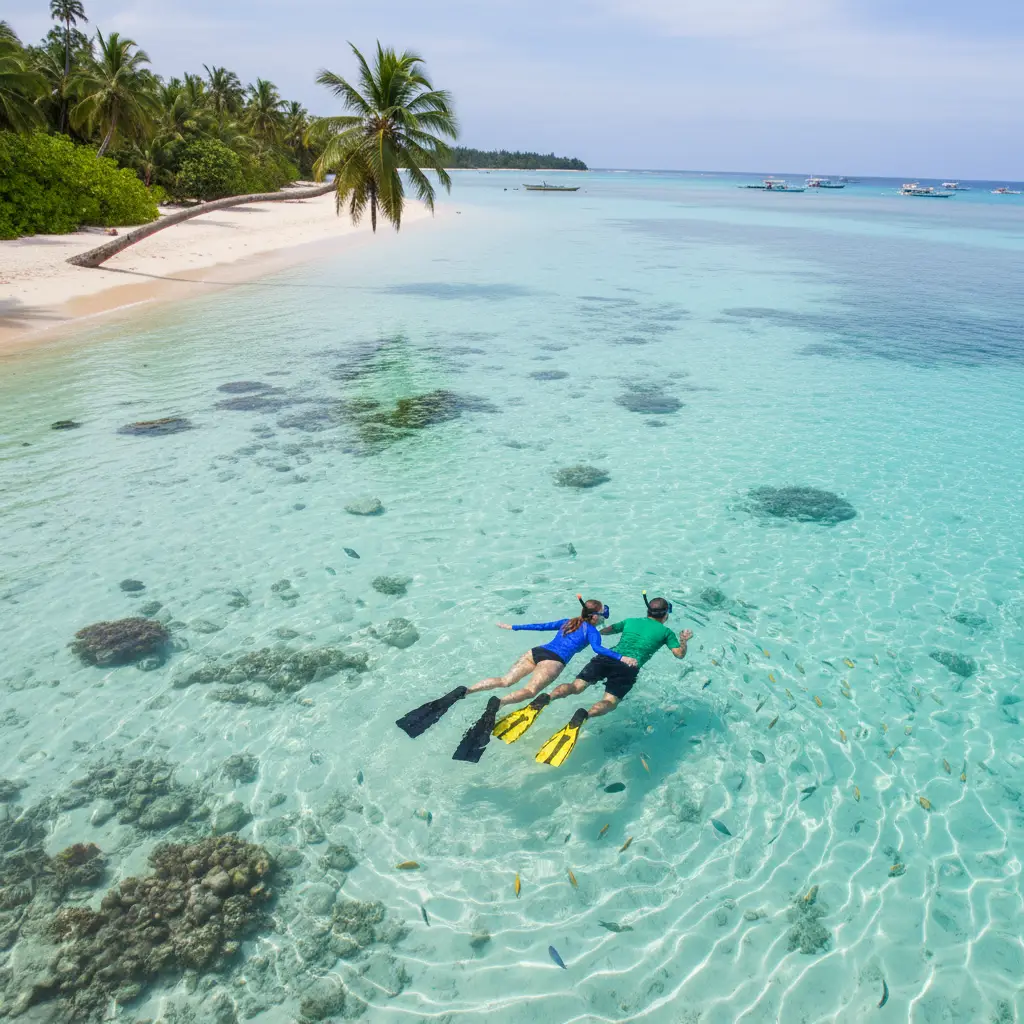
Kanumera Bay is famous for its iconic, leaning palm tree and its calm, shallow, crystal-clear waters. This location is exceptionally family-friendly and perfect for surface exploration.
Accessibility and Reef Health
The reef edge in Kanumera starts very close to the shore. Snorkelers can easily swim out to see staghorn corals, schools of colourful reef fish (including butterflyfish and angelfish), and often encounter juvenile turtles in the seagrass beds. Because the bay is protected from the main ocean swell, the water is almost always calm, offering fantastic visibility even from the surface.
Piscine Naturelle (Natural Pool)
For a slightly more adventurous surface experience, the Piscine Naturelle, accessible via a short walk or boat ride, is a natural rock pool protected from the open ocean. This area features deeper water than Kanumera Bay, allowing snorkelers to observe larger schools of fish and sometimes larger rays that venture into the calmer waters.
Planning Your Scuba Diving Expedition from NZ
Successfully integrating a trip to the Isle of Pines into a New Zealand travel itinerary requires attention to logistics, especially regarding flights and surface intervals.
Logistics and Access
Direct flights to the Isle of Pines (Vato) are infrequent and usually connect via Nouméa (La Tontouta International Airport – NRT). New Zealand travellers will typically fly from Auckland (AKL) to NRT, clear customs, and then take a domestic flight (operated by Air Calédonie) to the Isle of Pines. Given the limited flight schedules, planning for at least one night in Nouméa on arrival or departure is highly recommended.
Maximizing Dive Time Safely
For divers planning multiple days of diving, remember the standard recommendation for minimizing decompression risk: avoid flying within 18-24 hours after your last dive. If your itinerary includes a short stay, ensure your final dive day allows ample surface interval before catching the domestic flight back to Nouméa, and subsequently, the international flight back to New Zealand.
Best Time to Visit for Diving
While diving is possible year-round, the shoulder seasons often provide the best balance of weather, water temperature, and diver traffic:
- April to June: Post-cyclone season, waters are warm, and visibility is often excellent as plankton levels decrease.
- September to November: Excellent visibility as water temperatures remain high, just before the peak summer heat.
Essential Gear Considerations for the Tropical Diver
While operators provide tanks and weights, New Zealand divers should bring their own essential personal gear to ensure comfort and fit:
- Mask and Snorkel: Familiarity reduces issues on day one.
- Wetsuit: A 3mm full suit is usually sufficient, though some prefer a shorty or skin for warmer months.
- Dive Computer: Essential for tracking your own no-fly time and depth profile.
The overall experience of scuba diving Isle of Pines delivers on its promise of pristine South Pacific exploration. Its combination of accessible reefs, abundant large marine life, and professional local operators makes it a compelling and highly recommended addition to any serious diver’s travel log, especially for those seeking an alternative to the well-trodden paths of the Great Barrier Reef or Fiji.
Conclusion: Your Next Dive Adventure Awaits
The Isle of Pines is more than just a stopover; it is a destination in its own right for underwater enthusiasts. From the gentle exploration of Kanumera Bay snorkeling to challenging deep dives alongside apex predators, the island offers a complete spectrum of aquatic activities. By leveraging local expertise like that found at Kunie Scuba Centre, New Zealand travellers can ensure their journey to this New Caledonian gem is safe, seamless, and utterly unforgettable.
People Also Ask (PAA)
Is scuba diving in Isle of Pines expensive compared to other South Pacific destinations?
Generally, prices for multi-day dive packages on the Isle of Pines are competitive with, or slightly higher than, locations like Fiji or Vanuatu, primarily due to the specialized logistics required to support the remote location. However, the quality of visibility and the pristine nature of the reefs often provide superior value for money.
What is the best time of year to visit Isle of Pines for diving visibility?
The best visibility tends to occur during the drier, cooler months, generally from May through October. During this period, there is less rainfall runoff into the lagoon systems, resulting in water clarity often exceeding 30 meters. Water temperatures are still very comfortable during this time.
Do I need a visa to travel to Isle of Pines from New Zealand?
New Zealand passport holders do not require a visa for tourist stays of up to three months in New Caledonia, which includes the Isle of Pines. However, you must possess a passport valid for at least six months beyond your intended date of departure.
Are there dive sites in Isle of Pines suitable for underwater photography?
Absolutely. The combination of high visibility, abundant colour from soft corals, and reliable sightings of larger subjects like turtles and rays makes it an exceptional location for underwater photography. Shallower sites offer excellent natural light penetration for wide-angle shots.
How long does it take to get from New Zealand to the Isle of Pines?
The journey involves flying from Auckland (AKL) to Nouméa (NRT), which takes approximately 4 hours. Following arrival in Nouméa, you must take a domestic flight to the Isle of Pines (Vato Airport, USL), which is a short flight of about 20-30 minutes. Allow a full travel day.
Are there strong currents on the dive sites around the Isle of Pines?
Currents vary significantly by site. Sheltered bays like Kanumera are generally calm. However, the outer reef walls and channels connecting the lagoon to the open sea can experience moderate to strong currents, especially during tidal changes. Advanced dive sites are specifically chosen for these conditions, requiring experienced divers and good buoyancy control.