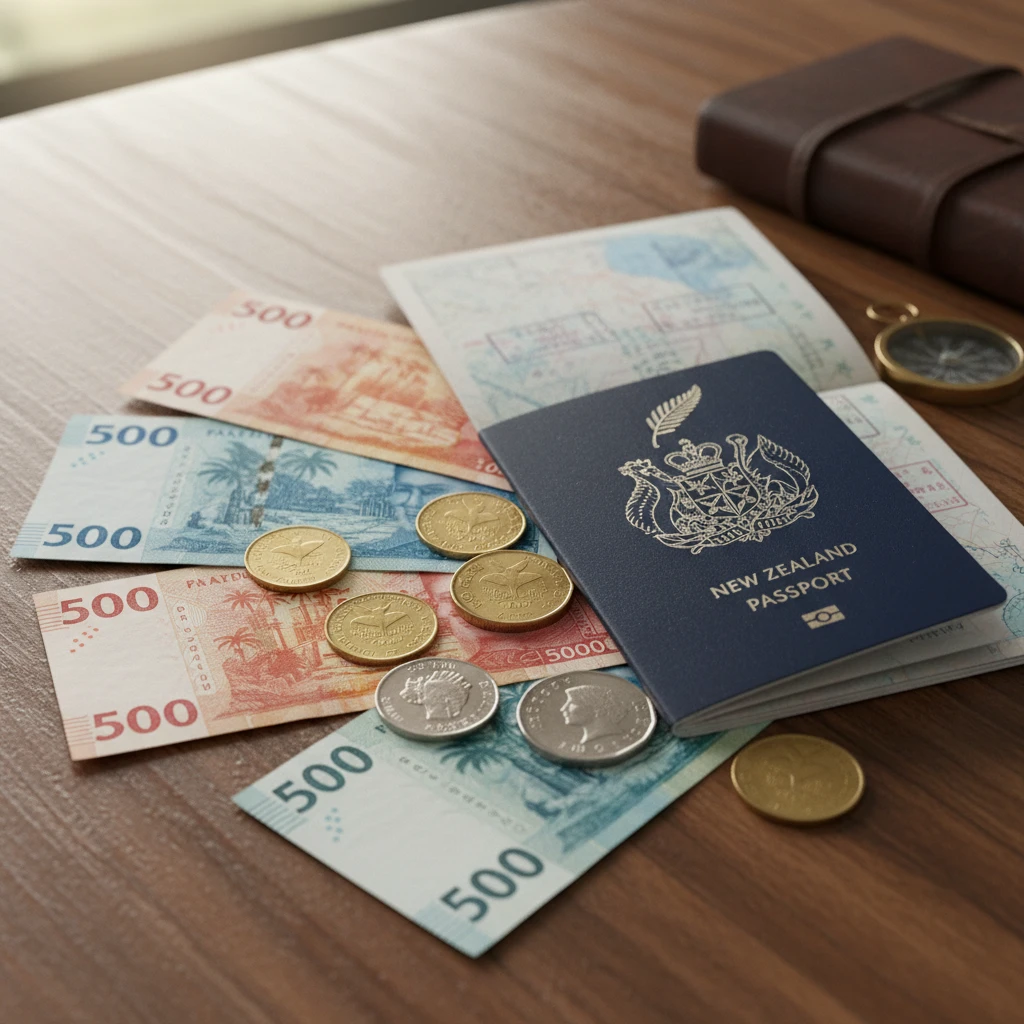
Bringing fishing gear to New Caledonia requires strict adherence to airline baggage policies and biosecurity regulations. Travelers must pack fishing rods in protective tubes (typically under 2-3 meters depending on the carrier), declare all outdoor equipment at La Tontouta International Airport, and ensure gear is completely free of organic matter to pass quarantine inspections.
For New Zealand anglers, New Caledonia represents the ultimate nearby tropical fishery. From the bonefish flats of the Grand Lagoon to the Giant Trevally (GT) prowling the outer reef, the potential is world-class. However, the logistics of transporting high-value, fragile, and oversized fishing equipment across the Pacific can be daunting. A broken rod tip or a confiscated tackle box can ruin a trip before it begins.
This guide provides a comprehensive breakdown of the logistics involved in transporting your angling equipment from Auckland to Noumea, navigating customs, and managing your gear on the ground.
Airline Logistics: Air NZ vs. Aircalin
The first hurdle in your expedition is getting your rod tubes and tackle bags onto the plane without incurring exorbitant fees or sustaining damage. The route between Auckland (AKL) and Noumea (NOU) is serviced primarily by Air New Zealand and Aircalin. Their policies regarding “Sports Equipment” differ significantly, and understanding these nuances can save you hundreds of dollars.

Air New Zealand Oversized Baggage Fees
Air New Zealand generally treats sporting items as part of your standard checked baggage allowance, provided they meet specific weight and length criteria. However, for serious anglers carrying one-piece or two-piece popping rods, the length restriction is the primary concern.
- Length Limits: Items up to 2 meters (approx. 6.5 feet) in length can usually be packed as part of your standard bag allowance. If your rod tube exceeds 2 meters but is under 2.5 meters, it may still be accepted but often requires prior notification and may incur an oversized item handling fee depending on your fare class.
- Weight Limits: Your rod tube counts as one “piece.” If you have a “Seat + Bag” fare, the tube is your bag. If you need a suitcase for clothes and a tube for rods, you must purchase a prepaid extra bag. Prepaid bags are significantly cheaper than paying at the airport.
- Packing Requirement: Air NZ requires fishing rods to be packed in a PVC cylinder with screw ends, a PVC pipe, or a commercial hard-shell rod case. Soft cases are generally not accepted without signing a limited release tag (waiving damage liability).
Aircalin Sports Equipment Policy
Aircalin, the international airline of New Caledonia, is often more accommodating to water sports enthusiasts, given the destination’s reputation for lagoon activities.
- Generous Allowance: Aircalin often provides an additional baggage allowance specifically for sports equipment (including fishing gear) on top of your standard baggage allowance, depending on current promotions and ticket classes. Always check your specific e-ticket conditions.
- Dimensions: They typically accept longer items than standard narrow-body carriers, often accommodating surfboards and rod tubes up to 3 meters. This makes Aircalin the preferred choice for anglers bringing long popping rods that do not break down into three pieces.
- Pre-Approval: Despite the generous policy, you must contact Aircalin at least 48 hours before departure to book the space for your oversized equipment. The cargo hold has limited space for “long” items, and turning up without a reservation can result in your gear being left behind.
Protective Packing Strategies for Long-Haul Travel
Once you have selected your carrier, the physical safety of your gear is paramount. Baggage handlers are notoriously rough, and a “Fragile” sticker offers little protection against a 20kg suitcase dropping on your carbon fiber rods.
The Rod Tube Architecture
Never rely on the thin tubes that rods are sold in. Invest in a dedicated travel bazooka (like those from Plano or Flambeau) that can telescope to fit your longest rod. If you are on a budget, a DIY schedule-40 PVC pipe from a hardware store is virtually indestructible. Drill holes in the end caps for locking pins and padlocks (TSA approved).
Internal Padding: The rods should not touch the walls of the tube or each other. Use bubble wrap around the guides (the most fragile part) and rubber bands to bundle the rods together. Stuff the top and bottom of the tube with foam or socks to prevent the rods from sliding up and down like a piston during takeoff and landing.
Reels and Terminal Tackle
Do not pack reels in the rod tube; they are heavy and can crush the rod blanks. Pack reels in your checked suitcase, nestled deep within your clothing for padding. Remove the handles to prevent bending. Expensive reels (like Stellas or Saltigas) should ideally be carried in your carry-on luggage to prevent theft, provided they do not have line on them (though policies on fishing line in cabins vary, so check with aviation security).
Biosecurity: Cleaning Gear Before Entry
New Caledonia maintains strict biosecurity measures to protect its unique biodiversity and massive lagoon ecosystem. Just as New Zealand is paranoid about Didymo, New Caledonia is vigilant about introduced aquatic pests, algae, and diseases.
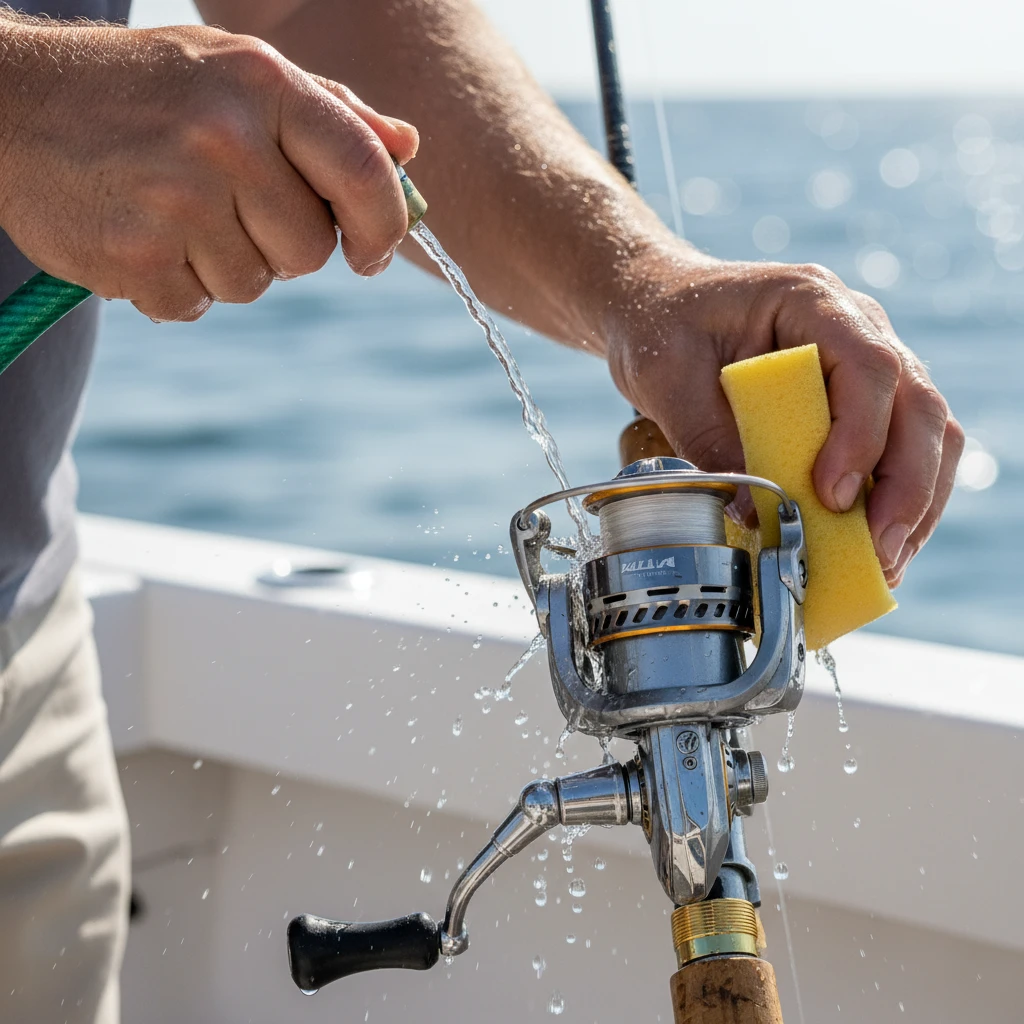
The “Check, Clean, Dry” Protocol
Before you pack your gear in New Zealand, you must ensure it is pristine. Customs officers at La Tontouta are trained to look for organic matter.
- Saltwater Gear: Rinse all rods, reels, and lures with fresh water to remove salt crystals. Ensure there is no dried bait residue on hooks or in tackle boxes. Rusty hooks should be discarded or cleaned, as they attract attention.
- Freshwater Gear: If you are bringing gear previously used in NZ freshwater (for bass or trout), you must be hyper-vigilant. Didymo (Rock Snot) is a major concern. Soak felt-soled wading boots in detergent or freeze them. Ideally, bring rubber-soled boots instead of felt, as felt is often flagged or confiscated due to its ability to harbor microscopic organisms.
- Camping Gear: If you are bringing tents or camping chairs for a remote expedition, ensure all soil and seeds are brushed off the pegs and canvas.
The Declaration Process
On your arrival card, you will be asked if you are carrying “equipment used for outdoor activities” or similar phrasing. Always tick “Yes”.
Failing to declare fishing gear can result in an instant fine (often starting around 20,000 XPF) and confiscation of your equipment. When you declare, you will be directed to the biosecurity line. The officer will likely ask to see the soles of your shoes and may ask to open your rod tube. If your gear is clean, the process takes 5 minutes. If it is dirty, they will take it away for decontamination (at your cost) or destroy it.
Ground Transport: Airport to Hotel
La Tontouta International Airport (NOU) is located about 45-50 minutes north of Noumea. Transporting a 2.5-meter rod tube is not as simple as hopping in a standard taxi.
Rental Cars: If you plan to rent a car, ensure you book a vehicle large enough. A compact hatchback will not fit a GT rod tube unless you strap it to the roof (bring your own tie-downs, as rental agencies rarely provide them). A double-cab ute or SUV is recommended.
Shuttle Services: Most shuttle buses (Arc en Ciel, etc.) are accustomed to tourists with surfboards and dive gear. However, you must notify them in advance about oversized luggage. There is usually a small surcharge per oversized item. If you arrive without a booking, you may find yourself waiting for a larger van while standard shuttles depart without you.
Where to Buy Tackle in Noumea
Despite your best packing efforts, lines snap, lures are lost to the reef, and rods break. Fortunately, Noumea has a robust fishing culture, and you can find high-quality replacements, though prices can be higher than in New Zealand due to import taxes.
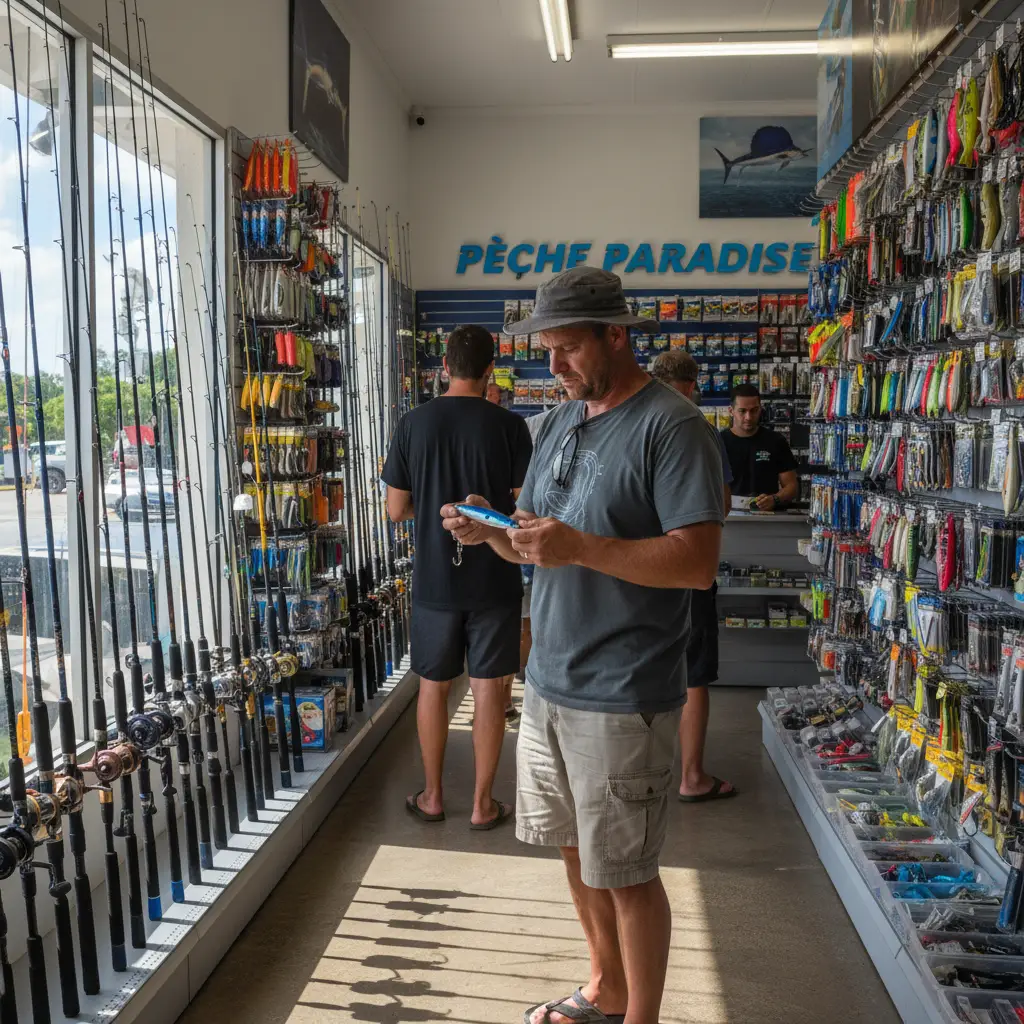
Marine Corail
Located in the heart of the maritime industrial zone, Marine Corail is the premier destination for serious anglers. They stock high-end brands familiar to Kiwis, such as Shimano, Daiwa, and Penn. They are particularly well-stocked for big game and lagoon fishing.
- Best for: Heavy tackle, trolling lures, high-quality terminal tackle, and spearfishing gear.
- Note: Staff are knowledgeable, but knowing a little French helps.
Decathlon
For basic supplies or emergency backups, the Decathlon in Dumbéa (outskirts of Noumea) is excellent. While they may not carry top-tier GT popping rods, they have a solid selection of reliable mid-range gear, hooks, weights, and braided lines.
- Best for: Terminal tackle, cooler bags, clothing, and beginner-to-intermediate rods.
Local Gas Stations and Convenience Stores
In rural areas (the “Brousse”), specialized tackle shops are non-existent. However, many gas stations (Mobil, Shell) along the main roads stock a surprising amount of basic fishing gear—hooks, sinkers, and frozen bait (squid/pilchards). It won’t be high-performance gear, but it will keep you fishing.
Repair Shops and Broken Gear
Breaking a guide on a $1,000 rod is a nightmare scenario. New Caledonia does not have a wide network of specialized “rod building” shops like you might find in Auckland, but there are solutions.
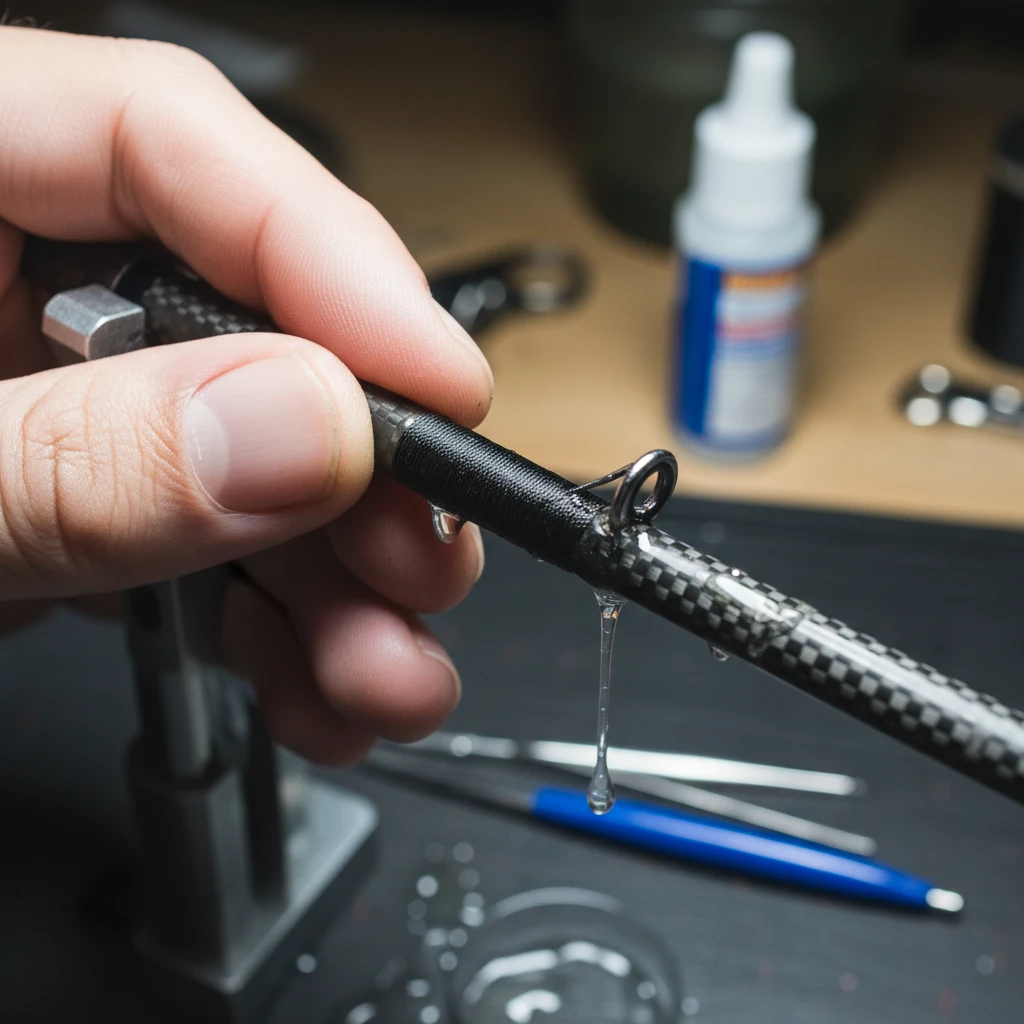
DIY is Your Best Defense
The most reliable repair shop is the one you bring with you. It is highly recommended to pack a small emergency repair kit containing:
- Hot melt glue stick (for tip replacements).
- Spare tip guides (various sizes).
- Super glue and baking soda (for temporary ceramic fixes).
- Electrical tape (for binding reels if seats fail).
Professional Repairs
If a major repair is needed, inquire at Marine Corail. They often have contacts for local rod builders or mechanics who can perform repairs. For reel issues, marine mechanics in the Nouville marina area can sometimes assist, as the mechanics of a reel share principles with the marine engines they service, though this is a last resort.
People Also Ask
Do I need a fishing license in New Caledonia?
Generally, recreational fishing in the ocean does not require a license for tourists. However, specific marine reserves are strictly no-take zones. Always check local charts or ask your hotel concierge about protected areas. Freshwater fishing regulations can vary by province, so local inquiry is essential.
Can I bring my own bait from New Zealand?
No. Bringing frozen bait, berley, or organic chum from New Zealand is strictly prohibited due to biosecurity risks. You must buy bait locally in New Caledonia. Squid and pilchards are widely available at supermarkets and gas stations.
What is the maximum rod tube length for Aircalin?
Aircalin typically accepts sports equipment up to 3 meters in length. However, aircraft types can change, so it is critical to confirm this at the time of booking and register your oversized bag at least 48 hours in advance.
Is it better to rent fishing gear in Noumea?
If you are booking a guided charter, high-quality gear is almost always provided (and recommended, as if it breaks, it’s on them). For DIY shore fishing, rental options are scarce. It is significantly better to bring your own travel rods (4-piece travel rods are excellent) than to try and find rentals.
What happens if I don’t declare my fishing gear?
If customs officers find undeclared outdoor equipment, you face immediate fines starting around 20,000 XPF (approx. $300 NZD) and potential confiscation of the gear. It is never worth the risk; always declare.
Can I bring spearfishing guns to New Caledonia?
Yes, but they must be checked in as sports equipment and cannot be carried in the cabin. The spear tips should be removed or safely covered. Note that spearfishing is strictly regulated in New Caledonia with many prohibited zones and species restrictions.