Fishing lodges in New Caledonia range from remote luxury resorts on the Isle of Pines to specialized self-catering bungalows in the Northern Province. Designed specifically for anglers targeting Giant Trevally and bonefish, these accommodations prioritize proximity to the UNESCO World Heritage lagoon, often featuring private jetties, boat charters, and integrated guiding packages for a seamless sportfishing experience.
Remote Luxury: Staying Near the Flats
For the discerning angler traveling from New Zealand, time on the water is the ultimate currency. New Caledonia offers a unique proposition: the ability to wake up within casting distance of some of the world’s most productive saltwater flats. Unlike other Pacific destinations where long boat rides are mandatory, the luxury lodges in New Caledonia are often situated directly on the water’s edge of the world’s largest enclosed lagoon.
The concept of “barefoot luxury” is perfectly executed in regions like the Isle of Pines and the Deva Domain. Here, high-end accommodation does not merely mean high thread counts; it means strategic positioning. Lodges such as the Sheraton New Caledonia Deva Spa & Golf Resort offer direct access to the reef pass, a critical feature for those targeting Giant Trevally (GTs). Staying at a premium lodge ensures that after a grueling day of battling 40kg fish under the tropical sun, anglers can retreat to world-class amenities.
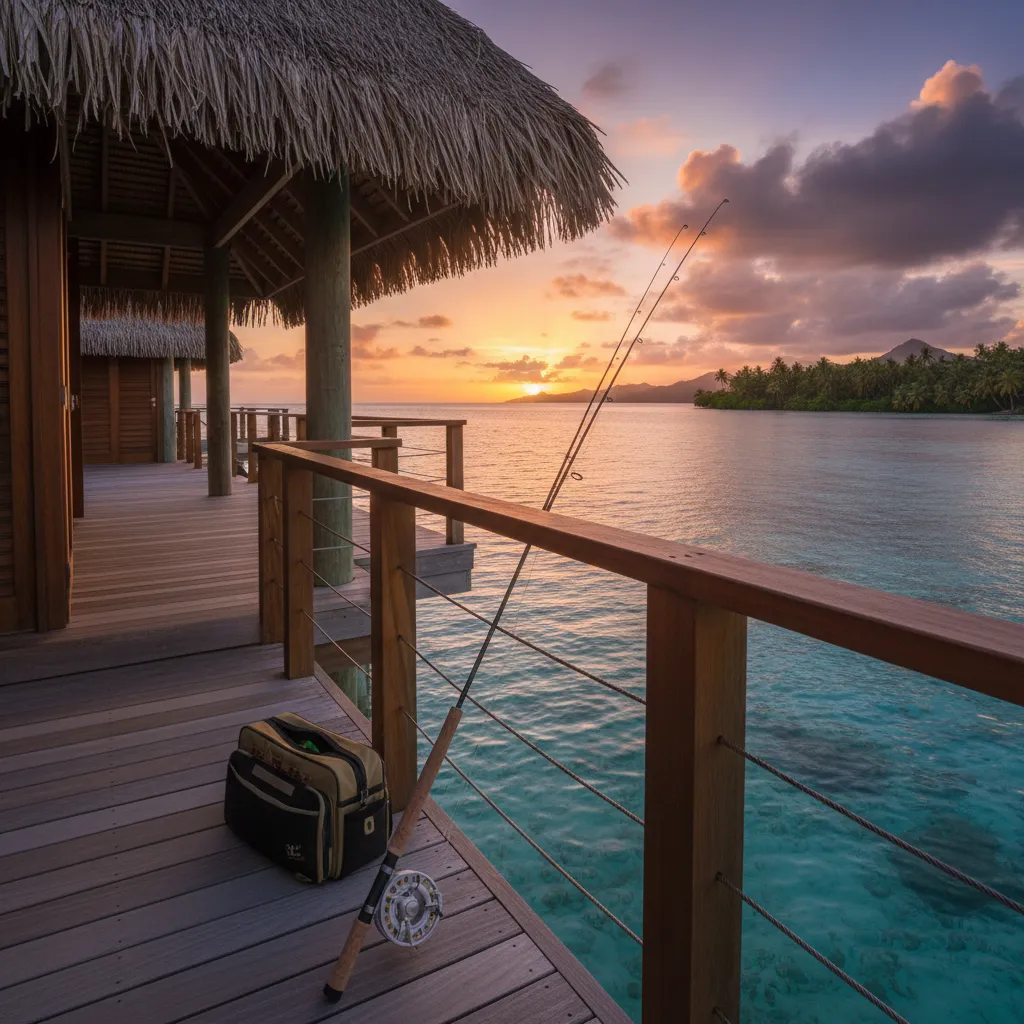
These establishments understand the specific rhythm of a fishing trip. Breakfasts are available before dawn, and packed lunches are chef-prepared rather than an afterthought. Furthermore, for anglers traveling with non-fishing partners, these luxury options are essential. While you are stalking bonefish on the flats of Ouvéa, your partner can enjoy spa treatments or glass-bottom boat tours, making it a viable holiday for couples. The juxtaposition of rugged sportfishing and refined French hospitality creates an experience unrivaled in the South Pacific.
Top-Tier Amenities for the Traveling Angler
When booking luxury fishing lodges in New Caledonia, look for specific amenities that cater to the sport:
- Rod Rooms: Secure storage areas with fresh water wash-down facilities to remove salt from expensive reels and rods.
- Concierge Fishing Services: Staff who can coordinate tide charts, weather reports, and immediate boat bookings.
- Culinary Flexibility: Kitchens willing to cook your legal catch (catch-and-release is encouraged for game fish, but pelagics are fair game) in the traditional French-Melanesian style.
Self-Catering Options for Anglers
Not every fishing expedition requires five-star service. For many Kiwi anglers, the “DIY” (Do It Yourself) ethic is strong. Self-catering options, locally known as “Gites” or bungalows, provide a cost-effective and flexible alternative that is particularly popular in the Northern Province (Province Nord). This region is the frontier of New Caledonian fishing, offering raw, unpressured waters that are best explored on your own schedule.
Self-catering lodges allow anglers to dictate their own hours. There is no need to adhere to a resort’s dining schedule. If the tide is right at 5:00 AM, you can be on the water. If the bite is hot at dusk, you aren’t rushing back for a buffet. These accommodations usually feature fully equipped kitchenettes, allowing you to stock up on French cheeses, baguettes, and local produce at the nearest village market.
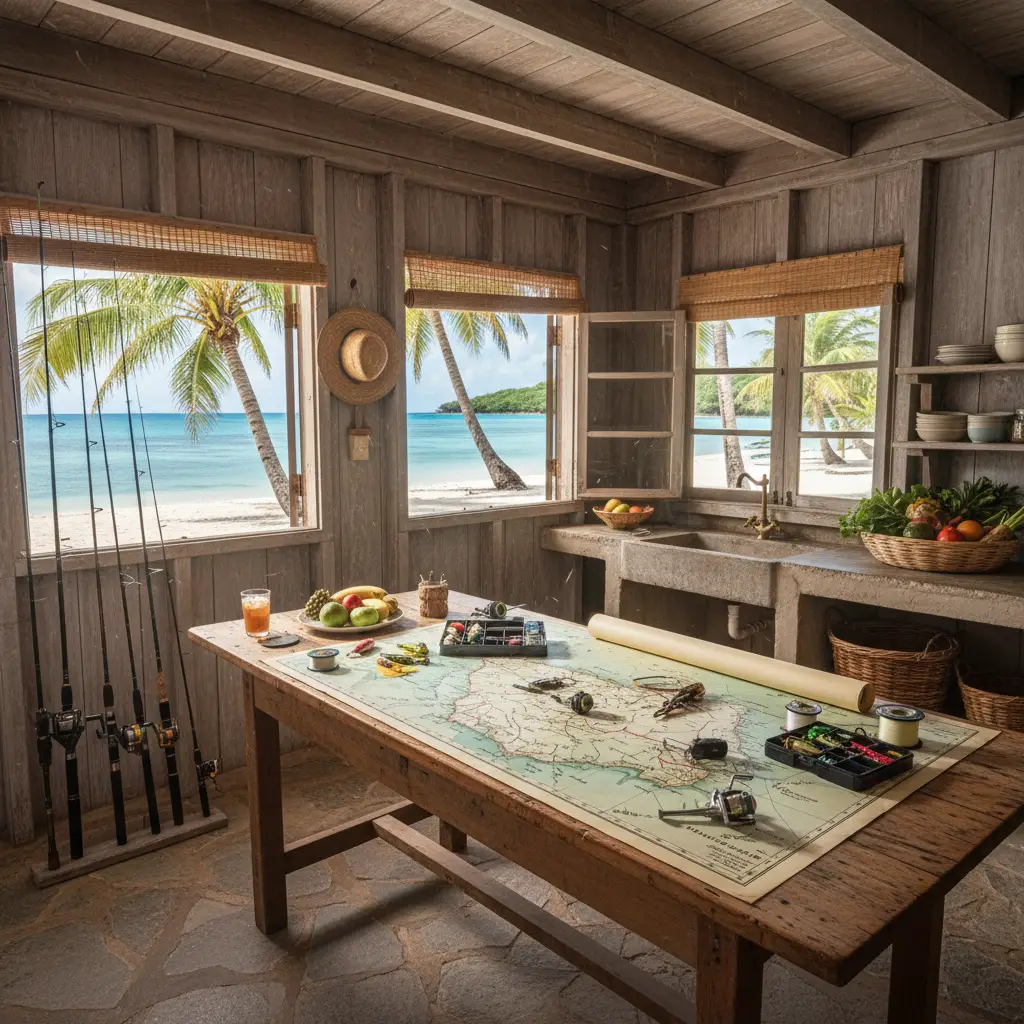
Locations like Poingam and Koumac are hotspots for this type of accommodation. The structures are often traditional Melanesian huts updated with modern conveniences (AC, refrigeration, and Wi-Fi). The primary advantage here is the proximity to the “Grand Terre” northern flats, where the fishing pressure is virtually non-existent. For a group of mates traveling from Auckland, renting a multi-room bungalow offers camaraderie and significant cost savings, leaving more budget for boat fuel and guides.
Essential Features of DIY Lodges
When selecting a self-catering lodge, verify the following to ensure it meets angling needs:
- Freezer Space: Essential for storing bait or fillets if you are reef fishing for dinner.
- Security: Safe areas to store gear overnight.
- Proximity to Supplies: Ensure you are within driving distance of a supermarket or fuel station, as the North can be remote.
Boat Access and Private Jetties
In the world of saltwater fly fishing and popping, logistics can make or break a trip. The most coveted feature of any fishing lodge in New Caledonia is a private jetty or immediate beach launch capability. The lagoon is tidal; in some areas, a low tide can mean a long walk over exposed coral or mud flats to reach navigable water. Lodges with deep-water access or private docks eliminate this hassle, maximizing your fishing time.
For anglers bringing their own gear or hiring boats, a private jetty offers a secure place to rig up. It allows for a seamless transition from breakfast to the boat. In areas like Hienghène or the Loyalty Islands, where the coastline can be rugged, a lodge with a well-maintained maritime infrastructure is worth the premium. It also simplifies the process of loading heavy gear—popping rods, tackle boxes, and coolers—without wading through the surf.
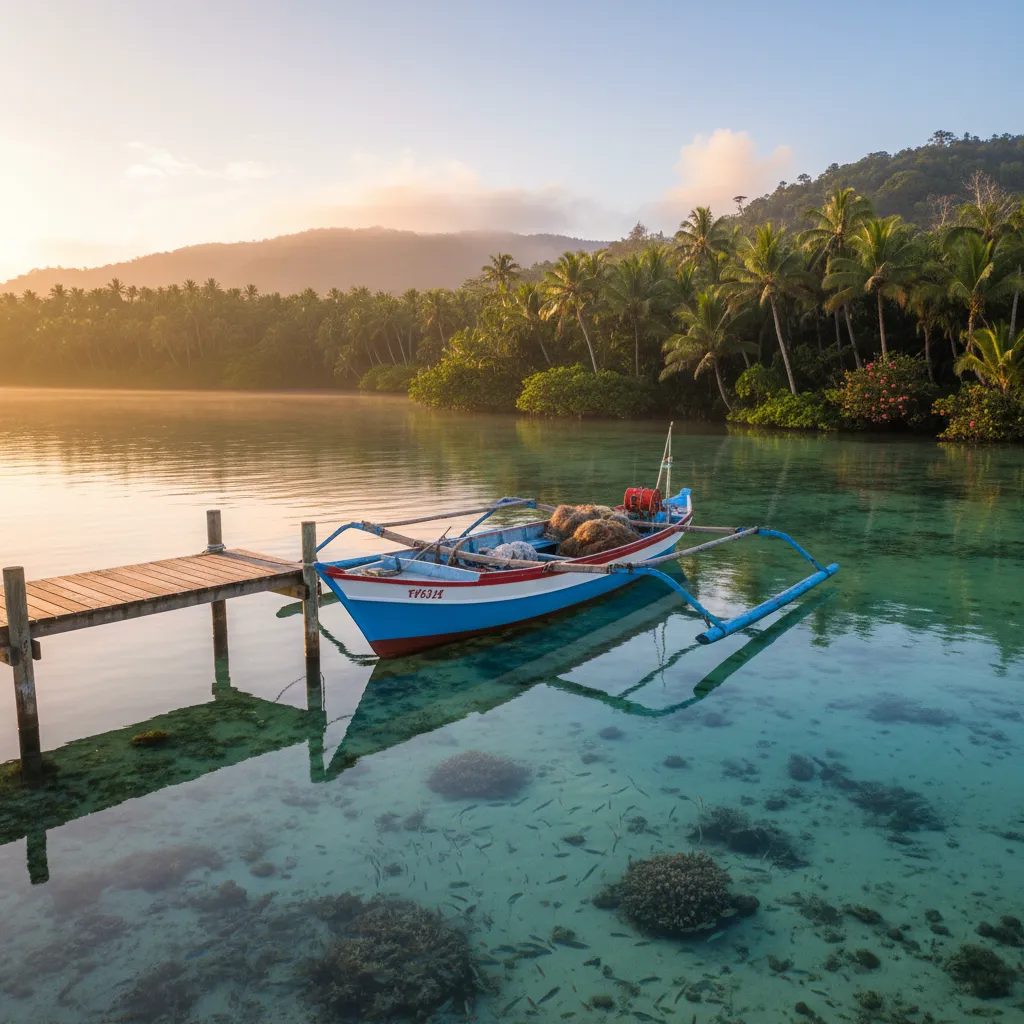
Furthermore, lodges with their own marine access often have established relationships with the best local skippers. In New Caledonia, local knowledge is paramount. The lagoon is vast, and navigating the coral heads requires experience. Lodges that operate their own vessels or have exclusive rights to a jetty often provide a safer and more efficient gateway to the outer reef.
Package Deals: Accommodation + Guiding
For the commercial traveler looking for efficiency and results, all-inclusive fishing packages are the gold standard. These packages bundle accommodation, meals, airport transfers, and, most importantly, professional guiding. In New Caledonia, the guiding community is small but elite, often comprised of French and local experts who know the migration patterns of bonefish and the hunting grounds of GTs intimately.
Booking a package deal through a specialized lodge removes the uncertainty of the trip. You are paying for the guarantee that a guide and a suitable boat will be waiting for you. This is particularly crucial in the peak season (October to April) when independent guides may be fully booked months in advance. Lodges in the far North, such as those near the Boat Pass, offer packages that include full days on the flats where you might not see another boat for the entire duration of your stay.
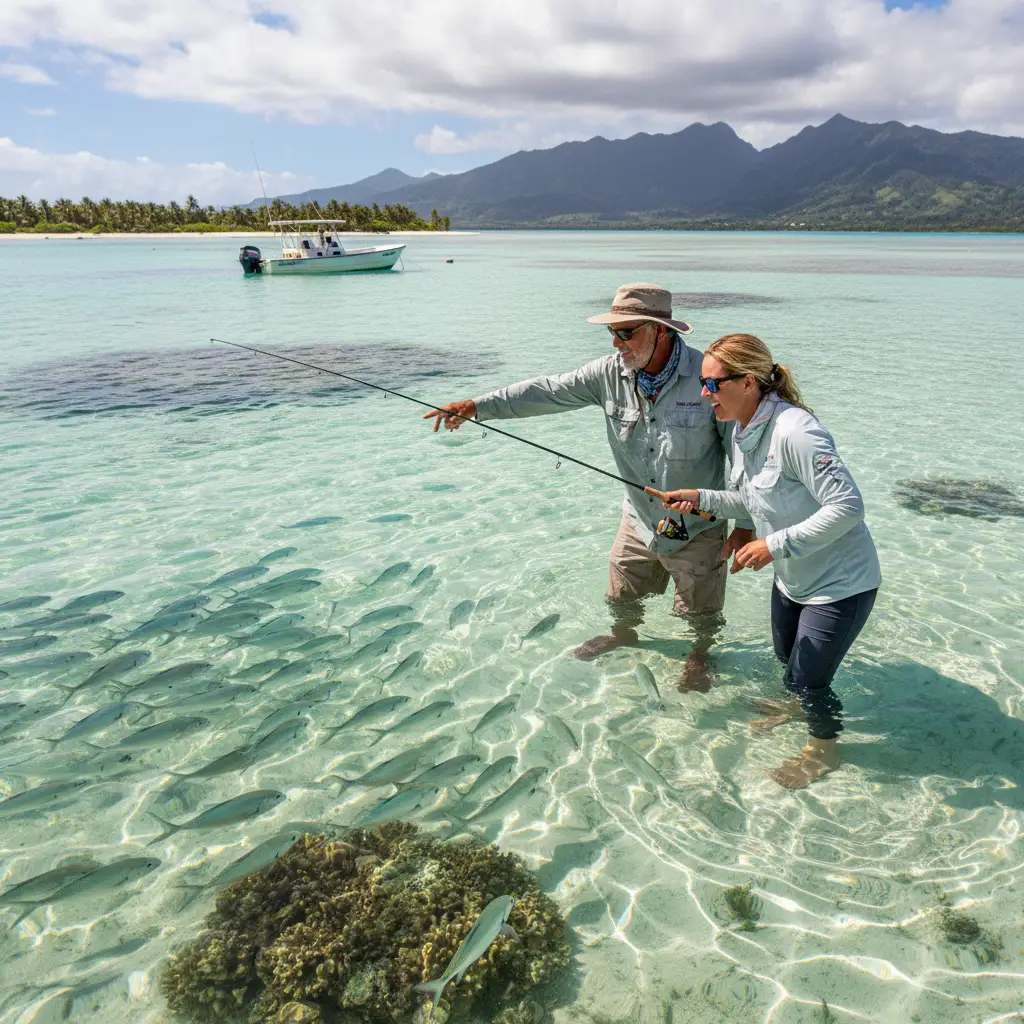
These packages are tailored to the target species. A “Grand Slam” package might focus on the flats of St. Phalle for bonefish in the morning and the reef drop-offs for GTs in the afternoon. The logistical synergy between the lodge staff and the guides ensures that your lunch is packed, your gear is rinsed, and your schedule is optimized for the tides. For the NZ market, where time is limited, these turnkey solutions provide the highest return on investment.
Logistics for NZ Anglers
Traveling from New Zealand to New Caledonia is remarkably convenient, with flights from Auckland to Nouméa taking just under three hours. However, the logistics of moving from La Tontouta International Airport to your fishing lodge require planning. If you are heading to the North Province or remote lodges, a rental car is almost mandatory. The roads are generally good, but distances can be deceptive.
Domestic flights via Air Calédonie are necessary for reaching the Loyalty Islands (Lifou, Ouvéa, Maré) or the Isle of Pines. Anglers must be mindful of baggage allowances, especially when carrying rod tubes. It is highly recommended to book “Sporting Equipment” allowances in advance. Most fishing lodges can assist with these transfers as part of their concierge service.
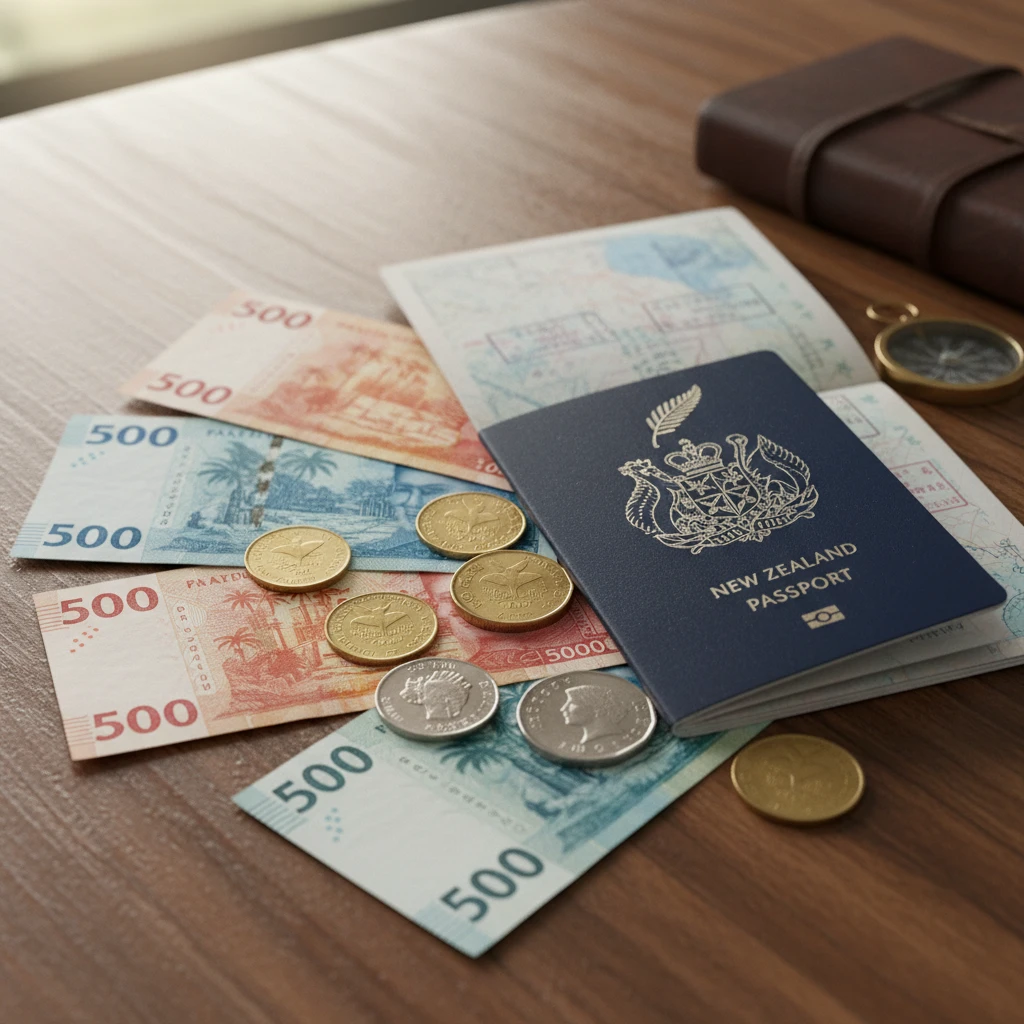
Currency is the Pacific Franc (XPF). While credit cards are accepted at major resorts, cash is king in the remote Gites and for tipping guides. Language can be a barrier as French is the official language; however, most high-end fishing lodges have English-speaking staff. Learning a few basic phrases regarding fishing and navigation goes a long way in building rapport with local skippers.
Frequently Asked Questions
What is the best time of year to fish in New Caledonia?
The prime season for Giant Trevally and bonefish is generally from October to April when the water is warmer. However, New Caledonia is a year-round fishery, with larger GTs often caught in the cooler months, though wind can be a factor.
Do I need a fishing license in New Caledonia?
Generally, recreational fishing does not require a license for tourists, but strict regulations apply regarding marine reserves, protected species, and catch limits. Always check with your lodge or guide, as rules can vary by province.
Can I bring my own fishing gear from New Zealand?
Absolutely. In fact, it is recommended. While some luxury lodges offer gear rental, serious anglers prefer their own setups. Ensure you have a sturdy rod tube and check airline policies for sporting equipment dimensions.
Are there saltwater fly fishing specific lodges?
Yes, several lodges, particularly in the North and on the outer islands, specialize in fly fishing. They understand the need for poling skiffs and casting platforms, though they are fewer in number compared to general sportfishing resorts.
Is New Caledonia suitable for a family holiday combined with fishing?
Yes, New Caledonia is excellent for families. Resorts in Nouméa, Bourail, and the Isle of Pines offer extensive activities for non-anglers, including snorkeling, hiking, and cultural tours, making it an ideal compromise.
What species can I target from these lodges?
The lagoon is famous for bonefish (some of the largest in the world), Giant Trevally (GT), Bluefin Trevally, Napoleon Wrasse, Spanish Mackerel, and various grouper species. Offshore lodges also target Marlin, Tuna, and Mahi Mahi.