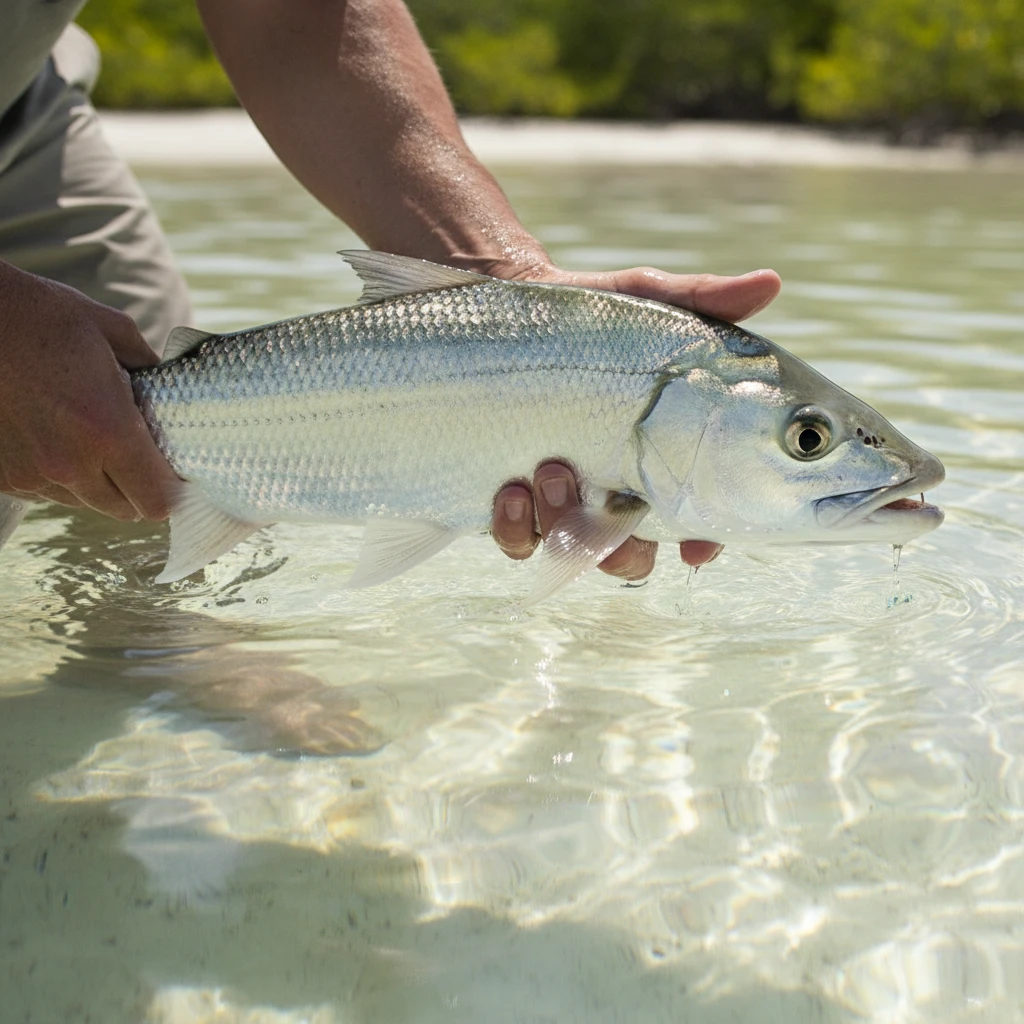
The best time to fish for bonefish in New Caledonia is generally from September to April, with the absolute peak season occurring between October and December. During these months, warming water temperatures increase fish metabolism, bringing large schools onto the flats. While winter (June to August) offers opportunities for trophy-sized solitary fish, the summer months provide the most consistent action and favorable wind conditions for fly anglers.
For New Zealand anglers, New Caledonia represents one of the closest and most prolific tropical fly-fishing destinations. Just a short flight from Auckland, this French territory offers a diverse range of saltwater fly fishing opportunities, specifically targeting the “Grey Ghost of the Flats.” Understanding the seasonal nuances, however, is the difference between a good trip and a world-class expedition. This guide breaks down everything you need to know about timing your trip to the lagoon.
Peak Season: The Golden Window (September to April)
When discussing the best time to fish for bonefish in New Caledonia, the conversation almost always centers on the Southern Hemisphere’s spring and summer. Unlike the Caribbean, where fishing can be year-round but dictated by hurricanes, New Caledonia’s seasonality is driven by water temperature and the trade winds (Alizés).
Why October to December is Unbeatable
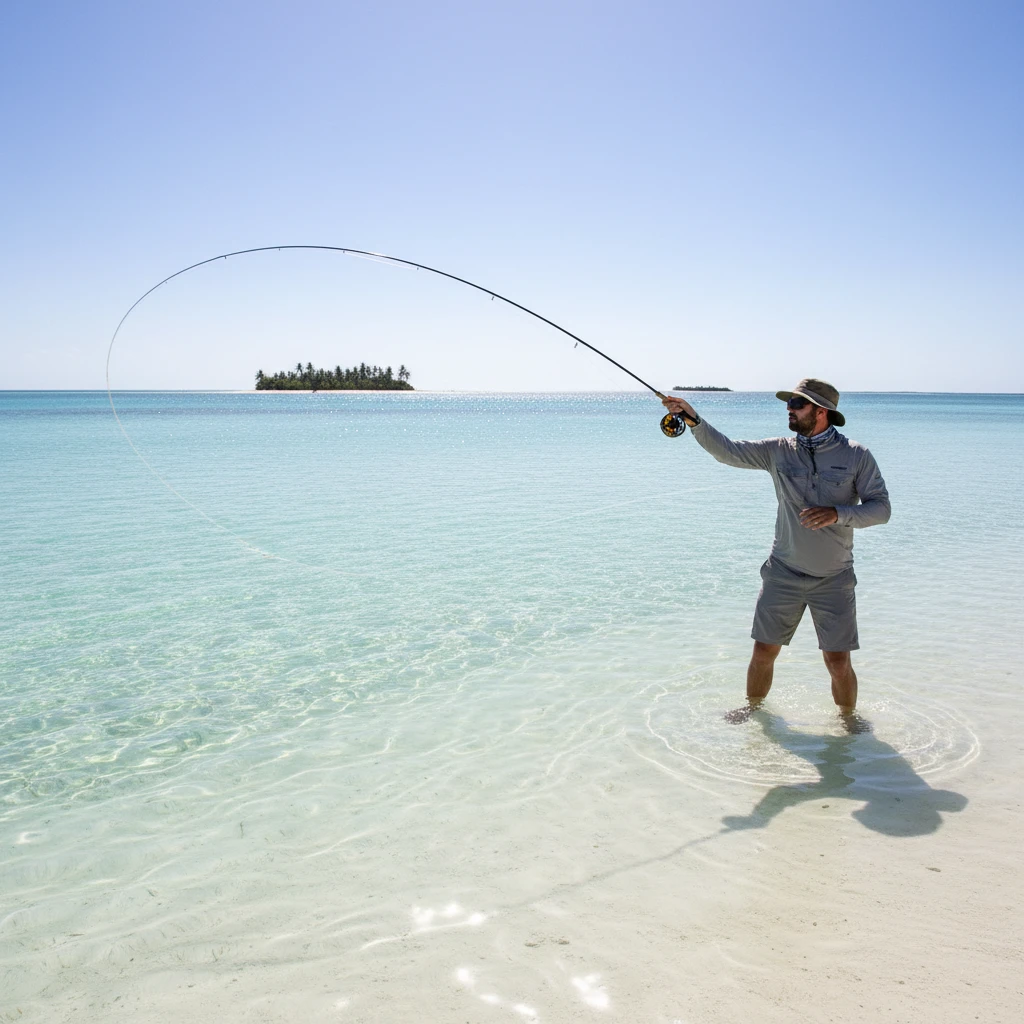
For the highest volume of fish and the most aggressive feeding behavior, the window from late October through December is unrivaled. As the water temperature rises above 24°C (75°F), bonefish move from the deeper channels onto the shallow flats in significant numbers to feed on crustaceans. During this period, it is not uncommon for competent anglers to land double-digit numbers of fish in a single session.
The weather during this pre-cyclone season is typically stable. The trade winds are present—they are a constant in New Caledonia—but they are generally manageable for an intermediate caster (10-15 knots). This period also coincides with the spawning aggregations for various lagoon species, meaning the ecosystem is highly active.
The Late Summer: January to April
Continuing into the heart of summer, fishing remains excellent, though the heat can be intense. February and March are prime months, but anglers must be aware of the cyclone season. While a direct hit is statistically rare for any given week, tropical depressions can bring cloud cover and rain, which makes sight-fishing challenging. However, the water remains warm, and the bonefish are incredibly active. If you can dodge the low-pressure systems, the fishing is spectacular.
Winter Fishing: Pros and Cons (June to August)
Many Kiwi anglers look to the Pacific Islands to escape the New Zealand winter. However, it is crucial to understand that New Caledonia is sub-tropical, not equatorial. It has a distinct winter season, and this affects the fishery.
The Challenge: Cooler Water and Wind
From June to August, air temperatures can drop to 20°C (68°F), and water temperatures on the flats can dip significantly. Bonefish are cold-blooded; when the water cools, their metabolism slows, and they feed less aggressively. They tend to stay in slightly deeper water (drop-offs) rather than cruising the skinny water, making them harder to spot and target on foot.
Furthermore, the trade winds are often at their strongest during the winter months. Casting a light fly into a stiff 20-knot breeze requires technical proficiency that can frustrate beginner to intermediate anglers.
The Reward: Trophy Hunters Only
Despite the challenges, winter has a cult following among expert anglers. Why? Because the fish that do venture onto the flats in winter are usually the giants. If your goal is to catch a 10lb+ bonefish (a true trophy in the world of fly fishing), winter can be productive. These large, solitary fish are spooky and demanding, but landing one is the achievement of a lifetime. If you are planning a family holiday where fishing is secondary, winter is fine. If fishing is the primary purpose, stick to the warmer months.
Tides, Moon Phases, and Solunar Activity
Regardless of the month you choose, the specific weeks you book should be dictated by the tides. In New Caledonia, the tidal variance can be significant, dramatically altering the accessibility of the flats.
The Ideal Tide Cycle
The best fishing generally occurs on the incoming push. As the tide rises, cool, oxygenated water floods the flats, bringing crabs and shrimp out of their burrows. Bonefish ride this tide in, often swimming in water barely deep enough to cover their dorsal fins. The first three hours of the incoming tide are often the most productive.
Low tide is excellent for wading to the edges of the reefs and drop-offs to target Giant Trevally (GTs) or waiting for the bonefish to start their return. Avoid weeks with minimal tidal movement (neap tides) if possible, as the lack of water movement often results in lethargic fish.
Moon Phases: Visibility vs. Stealth
- New Moon: Generally preferred for flats fishing. The tides are stronger (spring tides), flushing more food across the flats. Furthermore, the nights are dark, meaning predators are less active at night and hungrier during the day.
- Full Moon: While the tides are also strong, the bright nights allow fish to feed nocturnally. This can sometimes lead to fish being less aggressive during the daylight hours. However, for wading anglers, a full moon tide often brings higher water levels, allowing access to flats that might otherwise be too shallow.
Top Bonefish Locations: Poingam vs. Ouvéa
New Caledonia offers two distinct experiences for the bonefish angler: the northern tip of the main island (Grande Terre) and the Loyalty Islands.
Poingam (Boat-Based Flats)
Located at the extreme north of Grande Terre, roughly a 5-6 hour drive from Nouméa, Poingam offers vast flat systems. This area is typically fished via boat (skiffs). The advantage here is mobility; guides can move you quickly between flats to find feeding fish. The fish here are known for their size and power. The backdrop is rugged and raw, offering a true “outback” New Caledonia feel.
Ouvéa Atoll (The Wading Paradise)
For the purist who prefers wading, Ouvéa is arguably the finest location. A short 40-minute flight from Nouméa, Ouvéa is a UNESCO World Heritage site often called the “closest island to paradise.” The lagoon is massive, with endless miles of hard white sand flats that are easily wadeable.
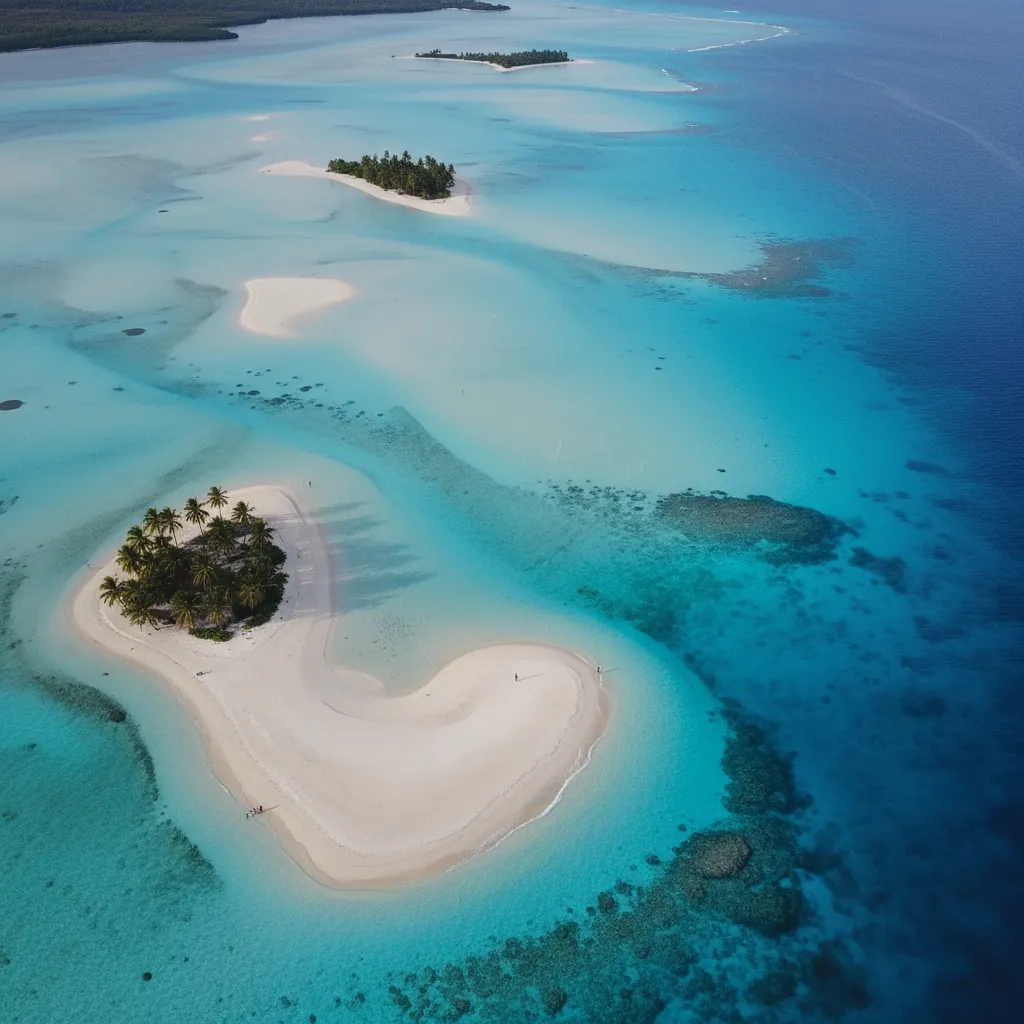
Ouvéa is famous for its “moucheté” (spangled emperor) and vast schools of bonefish. While the average size might be slightly smaller than the monsters of the north, the sheer number of fish and the beauty of the wading environment make it a favorite for New Zealand anglers. The best time to fish for bonefish in New Caledonia specifically for Ouvéa remains September through April to maximize the wading comfort and visibility.
Essential Gear for the New Caledonia Flats
New Zealand trout anglers will find their gear needs to be upgraded for the salt. The power of a 6lb bonefish far exceeds that of a 6lb trout.
Rod and Reel Selection
A fast-action 8-weight or 9-weight rod is the standard. You need the backbone to punch a fly into the wind and the lifting power to keep fish away from coral heads. The reel is critical; it must have a sealed drag system capable of handling blistering runs. Saltwater corrosion will destroy a standard freshwater trout reel in days.
Lines and Leaders
Floating tropical lines are mandatory. Cold-water lines used in NZ rivers will turn to sticky spaghetti in the tropical heat, refusing to shoot through the guides. Leaders should be 9-12 feet long, tapering to a 12lb or 16lb fluorocarbon tippet. Bonefish in New Caledonia are not as leader-shy as their Florida counterparts, but fluorocarbon is essential for abrasion resistance against the coral.
The Fly Box
You don’t need hundreds of patterns, but you need the right weights. The depth of the water and the speed of the current dictate the fly choice more than the pattern itself.
- Crazy Charlies: Tan, white, and pink (sizes 4-8).
- Gotchas: The universal bonefish fly.
- Clouser Minnows: For deeper water or when targeting other species like Trevally.
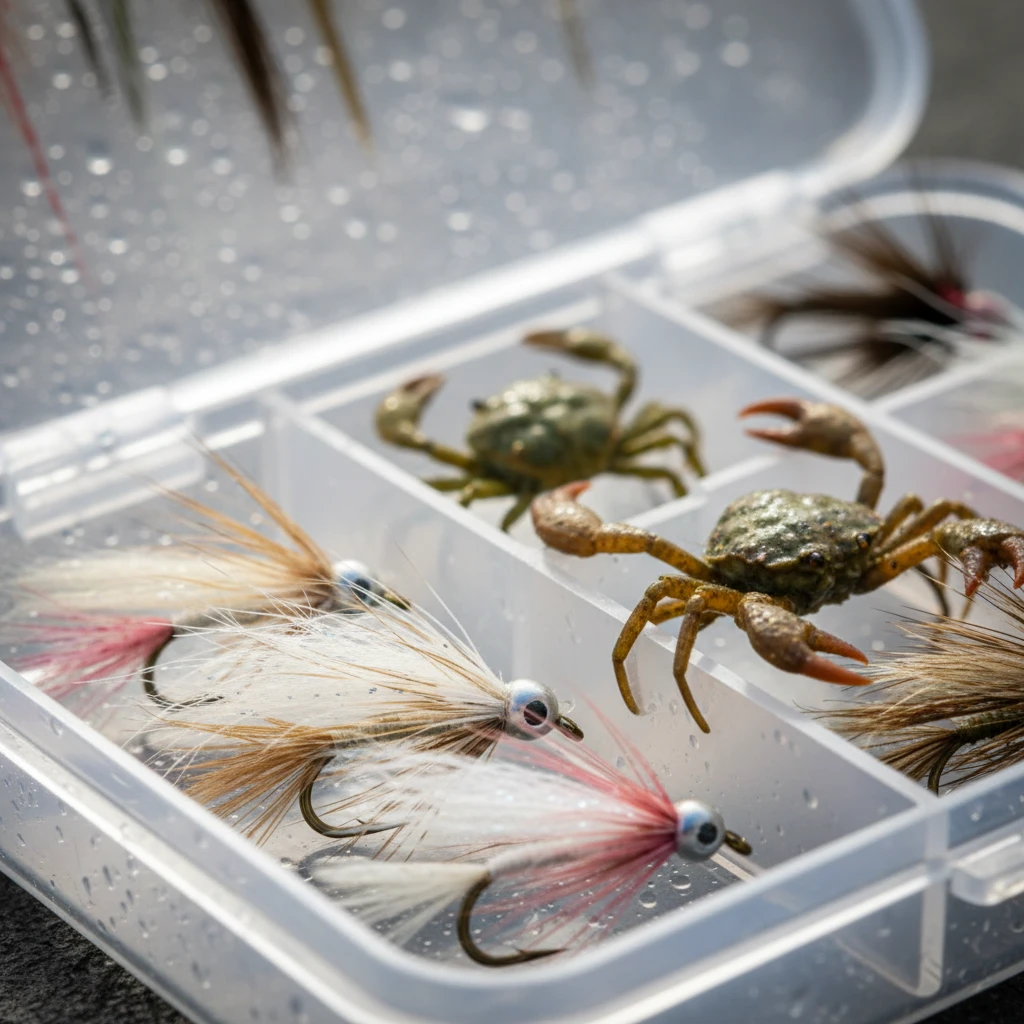
- Crab Patterns: Essential for tailing fish in shallow water.
Travel Logistics for Kiwi Anglers
New Caledonia appeals to the NZ market because of accessibility. Aircalin and Air New Zealand operate regular flights from Auckland to Nouméa (approx. 3 hours). From Tontouta International Airport, you will either transfer to a domestic flight (Air Calédonie) for the islands like Ouvéa or rent a car/arrange transfer for the drive north.
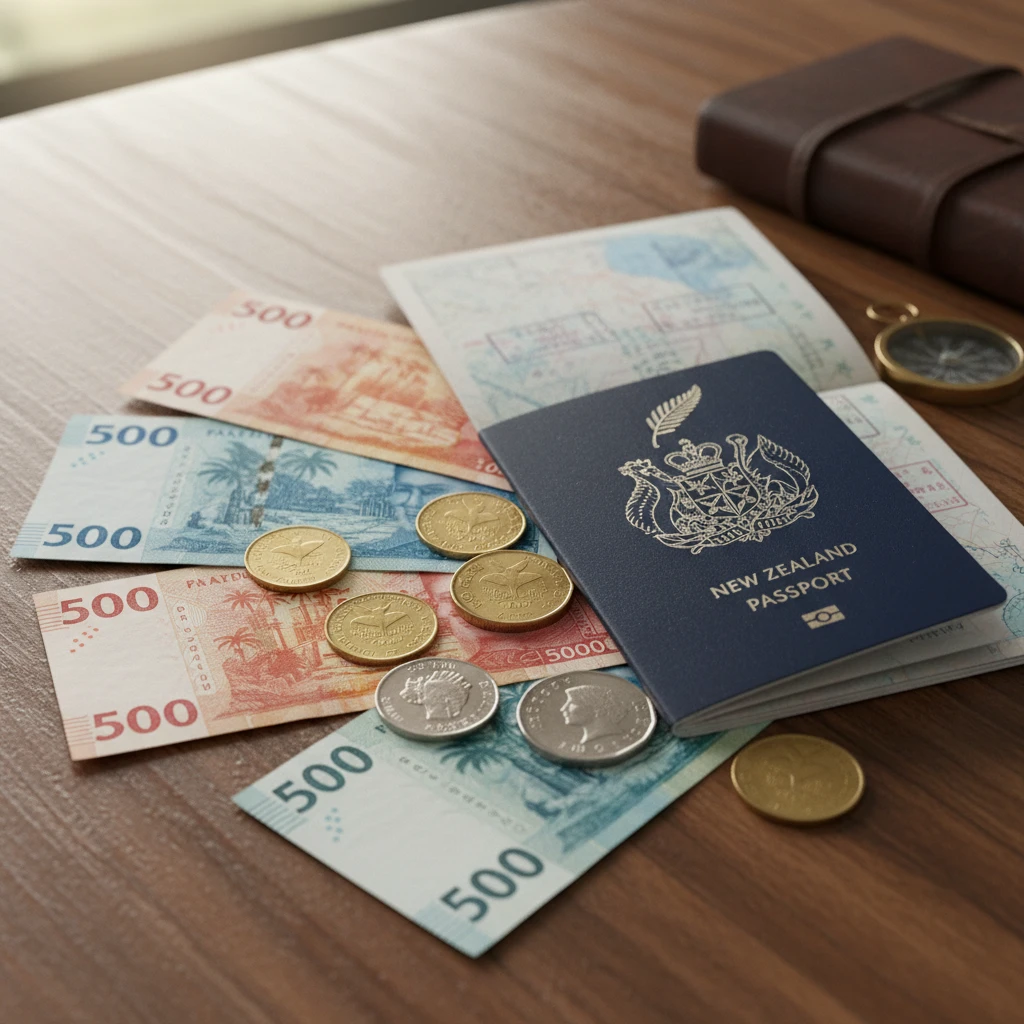
Currency: The currency is the Pacific Franc (XPF). While credit cards are accepted in hotels, cash is necessary for local guides and small shops in remote areas.
Language: French is the official language. While hotel staff usually speak English, many local fishing guides have limited English proficiency. Learning a few basic fishing terms in French (left, right, cast, wait) can be very helpful.
People Also Ask
Do I need a fishing license in New Caledonia?
Generally, recreational fishing in the sea does not require a license for tourists, but specific regulations apply to marine reserves and protected areas. Always check with your lodge or guide, as local tribal customs (Coutume) may require permission to access certain flats, particularly in the Loyalty Islands.
Can I DIY fish for bonefish in New Caledonia?
Yes, DIY fishing is possible, particularly on Ouvéa where flats are accessible from the road. However, hiring a local guide is highly recommended for at least the first few days to understand the tides, specific access points, and safety regarding currents and coral.
What other fish can I catch besides bonefish?
The New Caledonia lagoon is a multi-species fishery. Aside from bonefish, you can target Giant Trevally (GT), Bluefin Trevally, Golden Trevally, Triggerfish, Spangled Emperor, and Coral Trout. Always have a 10 or 12-weight rod ready for GTs.
What is the water temperature in New Caledonia for fishing?
In the peak summer season (Dec-Mar), water temps range from 25°C to 29°C (77°F-84°F). In winter (July-Aug), it can drop to 20°C-22°C (68°F-71°F), which can slow down bonefish activity.
Is wading safe in New Caledonia?
Wading is generally safe, but sturdy wading boots are mandatory due to sharp coral, stonefish, and cone shells. Rays are also common, so doing the “stingray shuffle” when walking is advised to avoid stepping on them.
How much does a fishing trip to New Caledonia cost from NZ?
Costs vary, but a 7-day trip including flights, accommodation, and guided fishing typically ranges from $3,500 to $6,000 NZD per person, depending on the level of luxury and the number of guided days booked.