Top-rated fly fishing guides in New Caledonia specialize in stalking trophy bonefish and elusive permit on the crystalline flats of the Northern Province. The best reviews consistently highlight guides operating near Poingam and Boat Pass who offer English-speaking services, heavy-duty skiffs, and intimate knowledge of tidal movements for successful sight-fishing expeditions.
For New Zealand anglers, the allure of New Caledonia is undeniable. Just a short flight from Auckland, this French territory offers some of the most pristine, unpressured saltwater fly fishing in the Pacific. Unlike the smaller schooling fish found in other tropical destinations, New Caledonia is renowned for its “trophy” class bonefish—often exceeding double digits in weight. However, the technical nature of this fishery makes hiring an experienced professional essential. Navigating the vast lagoons, interpreting the tides, and spotting ghost-like fish over coral substrates requires local mastery.
Evaluating Fly Fishing Guides in New Caledonia: Reviews and Standards
When searching for “fly fishing guides New Caledonia reviews,” you are essentially looking for validation of competence in a highly challenging environment. The flats of New Caledonia are not a numbers game; they are a quality game. Consequently, the criteria for a five-star guide here differ significantly from other destinations like Christmas Island or the Bahamas.
The Importance of Local Knowledge
The primary value proposition of a New Caledonian guide is their understanding of the lagoon’s complex geography. The lagoon surrounding the main island, Grande Terre, is the largest enclosed lagoon in the world. Reviews of top-tier guides frequently mention their ability to navigate the labyrinth of coral heads and sandbars safely. More importantly, successful guides understand how wind direction and tidal flow impact water clarity. In a sight-fishing fishery, visibility is everything. A guide who knows which flat remains clear during a 15-knot trade wind is worth their weight in gold.
Service Orientation and Boat Quality
Commercial intent analysis suggests that anglers are willing to pay a premium for comfort and reliability. When reading reviews or booking a charter, pay close attention to the description of the vessel. The best operations utilize specialized flats skiffs or modified pangas with casting platforms. Stability is crucial when you are standing on the bow scanning for fish. Furthermore, look for mentions of “full-day” commitments. The tides in New Caledonia can be significant, and the best fishing often occurs in specific tidal windows that may not align with a standard 9-to-5 schedule. The most recommended guides are those willing to adjust their start times to match the feeding behavior of the bonefish.
Best Guides for Bonefish and Permit: Regional Breakdown
While you can find fish throughout the archipelago, the commercial guiding industry is concentrated in specific areas known for accessible flats and high concentrations of large fish.
The Northern Province (Boat Pass & Poingam)
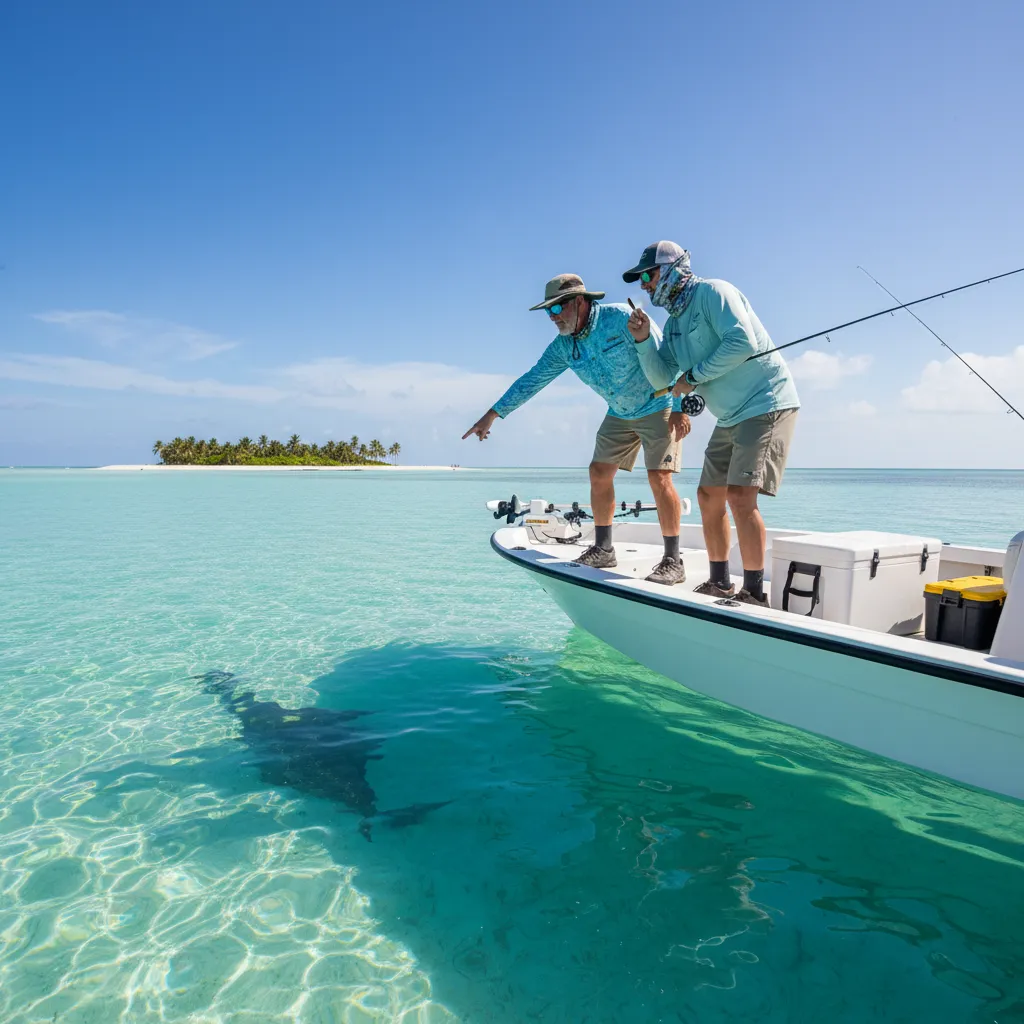
The extreme north of Grande Terre is the holy grail of New Caledonian fly fishing. This area, particularly around Boat Pass (the channel separating the mainland from the Belep Islands), is legendary. Guides here focus on the vast white sand flats that hold massive bonefish. Reviews for operations in the Northern Province often highlight the remoteness and the feeling of solitude. You are unlikely to see another boat all day. Guides in this region are experts at spotting the “green torpedoes”—large bonefish that blend perfectly with the turtle grass and sand.
The West Coast Lagoons
Closer to Nouméa, there are guiding options that focus on the reef edges and lagoon flats. While the average size of bonefish might be slightly smaller than the monsters of the north, the variety of species is often higher. Guides here often target Giant Trevally (GTs) along the barrier reef and Bluefin Trevally on the coral heads. If you are looking for a mixed bag and shorter travel times from the international airport, the West Coast guides are often the preferred choice.
Stalking the Flats: What to Expect
New Caledonia offers a technical fishery that rewards patience and precision. Understanding the environment is the first step to success.
The “Trophy” Bonefish Factor
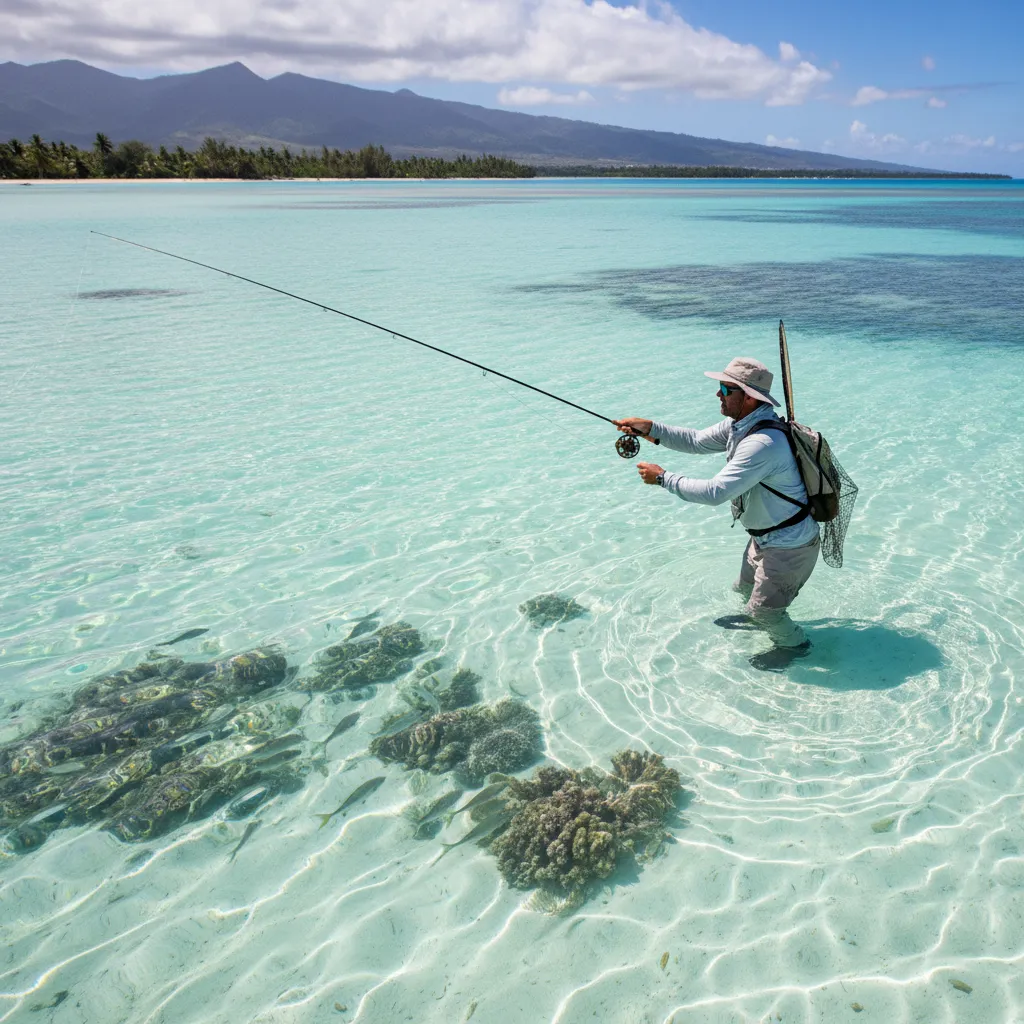
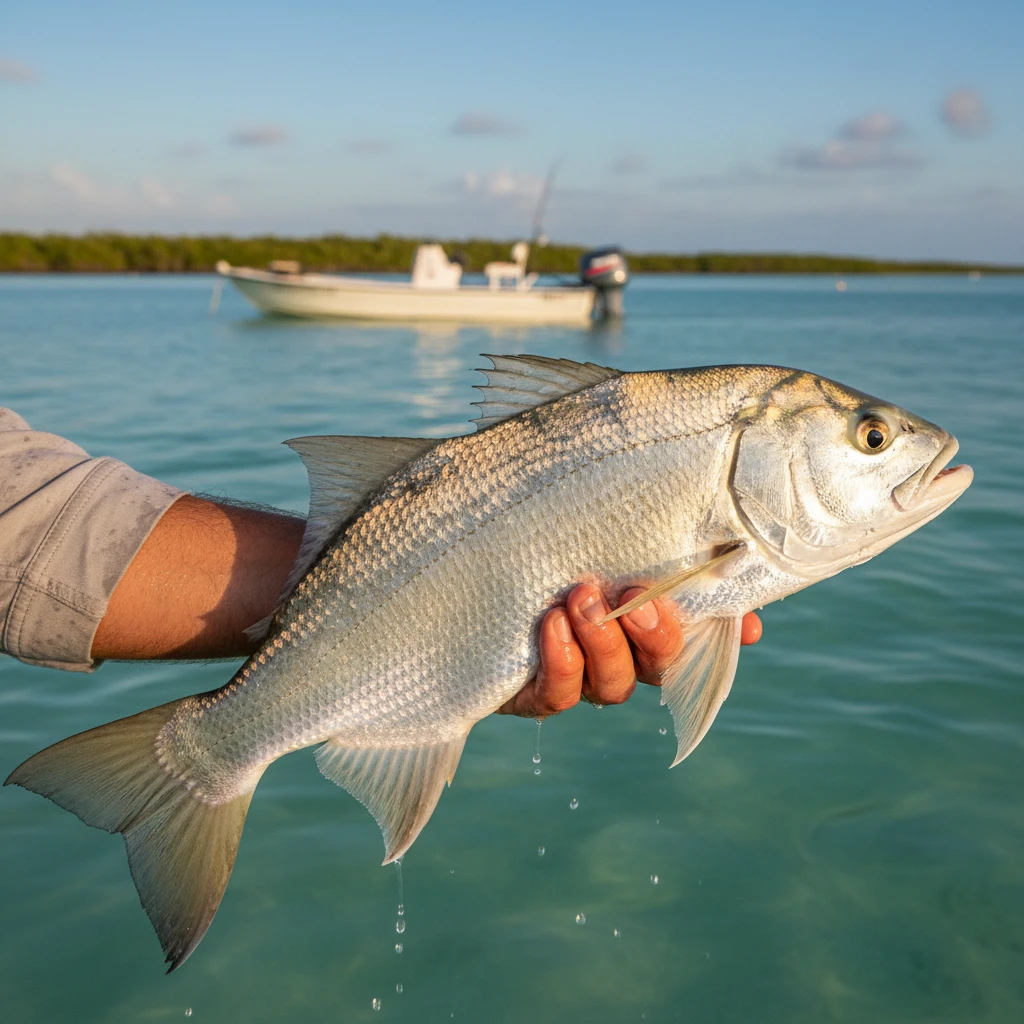
It is crucial to manage expectations regarding catch rates. In many bonefish destinations, catching 20 to 30 fish a day is common. In New Caledonia, a successful day might yield three to five fish, but the average size will be significantly larger—often in the 6lb to 9lb range, with 10lb+ fish being a real possibility. These fish are old, smart, and easily spooked. Your guide will emphasize stealth. You will likely be wading rather than fishing from the boat to minimize noise and profile.
Wind and Visibility
The trade winds are a constant feature of the Pacific. Expect to cast in 15 to 20 knots of wind. This is where the guide’s positioning of the boat or the angler becomes critical. A professional guide will position you so that the wind is on your non-casting shoulder, aiding your cast rather than hindering it. Visibility can be challenging when clouds obscure the sun. Trust your guide’s eyes; they have spent years training their vision to spot the subtle nervous water or the grey shadow of a cruising fish long before you will see it.
Recommended Gear for NC Flats
Given the size of the fish and the windy conditions, your gear needs to be heavier than what you might use in the Caribbean.
Rod and Reel Selection
Leave the 7-weights at home. For New Caledonia bonefish, a fast-action 9-weight rod is the standard. This provides the backbone needed to punch heavy flies through the wind and the lifting power to turn a large fish before it reaches the coral. For GTs, a 12-weight is mandatory.
Your reel must have a sealed drag system impervious to saltwater and a large arbor for rapid line retrieval. Most importantly, it must hold at least 200 yards of 30lb gel-spun backing. A big New Caledonian bonefish can strip 100 yards of line in its first run effortlessly.
Essential Flies and Terminal Tackle
- Leaders: Use 9-12ft tapered leaders finishing in 16lb or 20lb fluorocarbon. These fish are not leader shy, and the coral requires abrasion resistance.
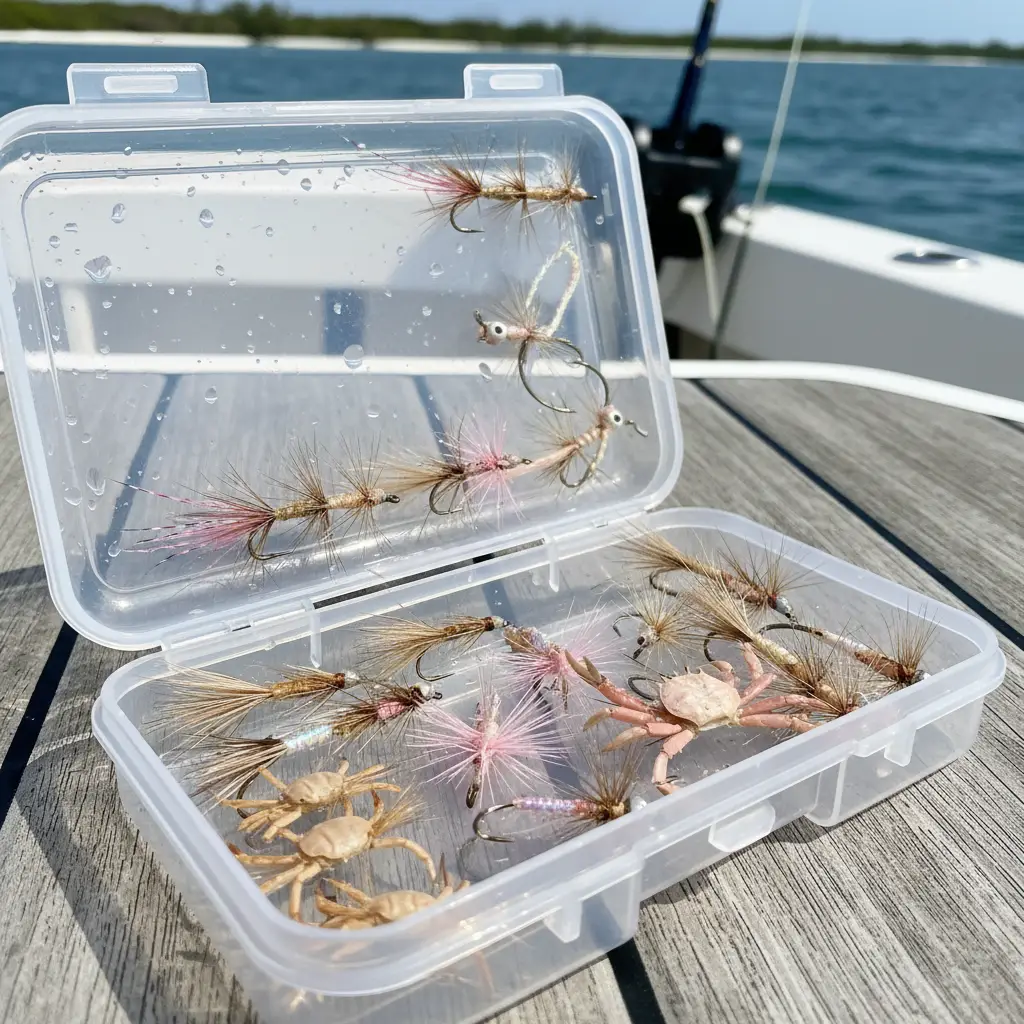
- Flies: Weighted flies are essential to get down quickly in the current. Top patterns include:
- Crazy Charlies (Tan, White, Pink) – Sizes 2 and 4
- Gotchas (weighted) – Sizes 2 and 4
- Puff flies for sandy bottoms
- Crab patterns (Alphlexo Crab) for Permit and large Bonefish
Wading Gear and Apparel
The flats in New Caledonia are a mix of sand, turtle grass, and sharp coral. Barefoot wading or flimsy booties are dangerous. Invest in high-quality, flats-specific wading boots with a thick sole. Neoprene socks will prevent chafing during long days of walking. Polarized sunglasses are non-negotiable; copper or amber lenses are generally best for the variable contrast of the flats.
Language Barriers: English Speaking Guides
New Caledonia is a French territory, and French is the primary language. For Kiwi anglers, this can present a communication hurdle. However, the professional guiding community is accustomed to international tourism.
Finding English-Speaking Guides
When reviewing guide profiles or contacting lodges, explicitly ask about English proficiency. Most top-tier guides speak “fishing English” fluently—they know the clock positions (12 o’clock, 9 o’clock), distances (40 feet), and commands (strip, stop, set). This is usually sufficient for the act of fishing. However, for logistics and social interaction, the level of fluency varies. Booking through specialized fly fishing travel agents in New Zealand or Australia can ensure you are paired with a guide who bridges the language gap effectively.
Planning Your Trip from New Zealand
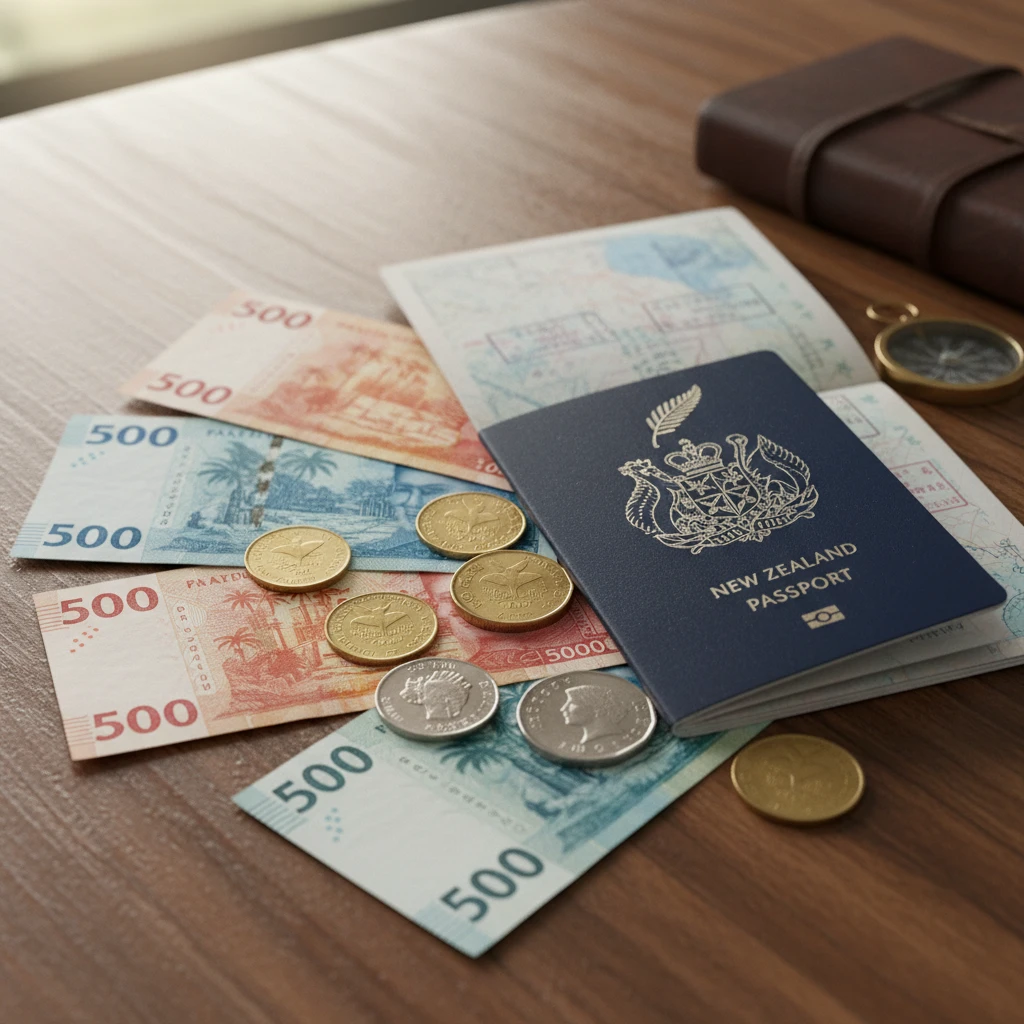
For the NZ market, New Caledonia is an accessible tropical paradise. Flights from Auckland to Nouméa (La Tontouta International Airport) take approximately three hours.
Best Time of Year to Visit
Fly fishing in New Caledonia is a year-round possibility, but seasons dictate comfort and species behavior.
- September to December: Generally considered the prime season. Waters are warming, and bonefish are active on the flats. This is pre-cyclone season, so weather is usually stable.
- January to March: The warmest months, but also the wet season with a higher risk of cyclones. However, the fishing can be spectacular between weather systems.
- April to August: The cooler months. While bonefish are still present, the trade winds can be stronger. This is often a good time for larger predatory species like GTs.
Booking guides well in advance is critical, especially for the prime September-December window, as the number of qualified guides is limited and demand from international anglers is high.
People Also Ask
What is the best month to fly fish in New Caledonia?
The best months for fly fishing in New Caledonia are typically from September to December. During this period, the trade winds are generally lighter, the water temperature is optimal for bonefish activity on the flats, and the risk of cyclones is lower than in the peak summer months of January to March.
Do I need a fishing license in New Caledonia?
Generally, recreational fishing in the sea does not require a license for tourists. However, specific protected marine reserves have strict no-fishing zones or regulations. If you are fishing with a licensed guide, they will ensure you are fishing in legal waters and adhering to all local conservation rules.
Are there English-speaking fishing guides in New Caledonia?
Yes, many professional fishing guides in New Caledonia, particularly those catering to international tourists in the Northern Province and around Nouméa, speak English. While French is the official language, guides are accustomed to English-speaking clients and possess the necessary vocabulary for effective communication on the water.
What size fly rod is best for New Caledonia bonefish?
A 9-weight fly rod is the ideal all-around choice for New Caledonia bonefish. The fish here are larger and stronger than average, and a 9-weight helps punch flies through the prevalent trade winds and provides the lifting power needed to control heavy fish near coral structures.
Can you catch Giant Trevally (GT) in New Caledonia?
Yes, New Caledonia is a world-class destination for Giant Trevally (GT). They can be found patrolling the barrier reefs and lagoon drop-offs. Anglers targeting GTs should bring heavy gear, typically 11-weight or 12-weight rods, and large poppers or brush flies.
How much does a fishing guide cost in New Caledonia?
The cost varies by region and operation, but you can expect to pay between $600 to $900 USD (approx. 1,000 to 1,500 NZD) per day for a professional guide with a boat. This usually includes fuel, guidance, and sometimes lunch/drinks. Remote expeditions in the north may have higher package rates including accommodation.