New Caledonia currently presents a mixed safety profile for tourists. While the major civil unrest of mid-2024 has stabilized, a high degree of caution is required in the Greater Nouméa area due to sporadic roadblocks and security operations. Conversely, the Loyalty Islands and Isle of Pines remain largely peaceful, though logistical disruptions to domestic travel pose a significant risk. Always consult SafeTravel.govt.nz before departure.
Current Situation in Nouméa and Grand Terre
The security landscape in New Caledonia, particularly on the main island of Grand Terre, has undergone significant shifts following the civil unrest that began in May 2024. For New Zealand travelers considering a holiday to our closest Pacific neighbor, understanding the nuance between “calm” and “safe” is critical.
As of late 2024 and moving into 2025, the intense, widespread violence has largely subsided. However, the political tension surrounding voting reforms remains a volatile undercurrent. The capital, Nouméa, is functioning, but it is not business as usual. The heavy police and gendarmerie presence, reinforced by personnel from metropolitan France, is visible throughout the city. While this provides a layer of security, it also serves as a stark reminder of the underlying instability.
The Curfew and Daily Life
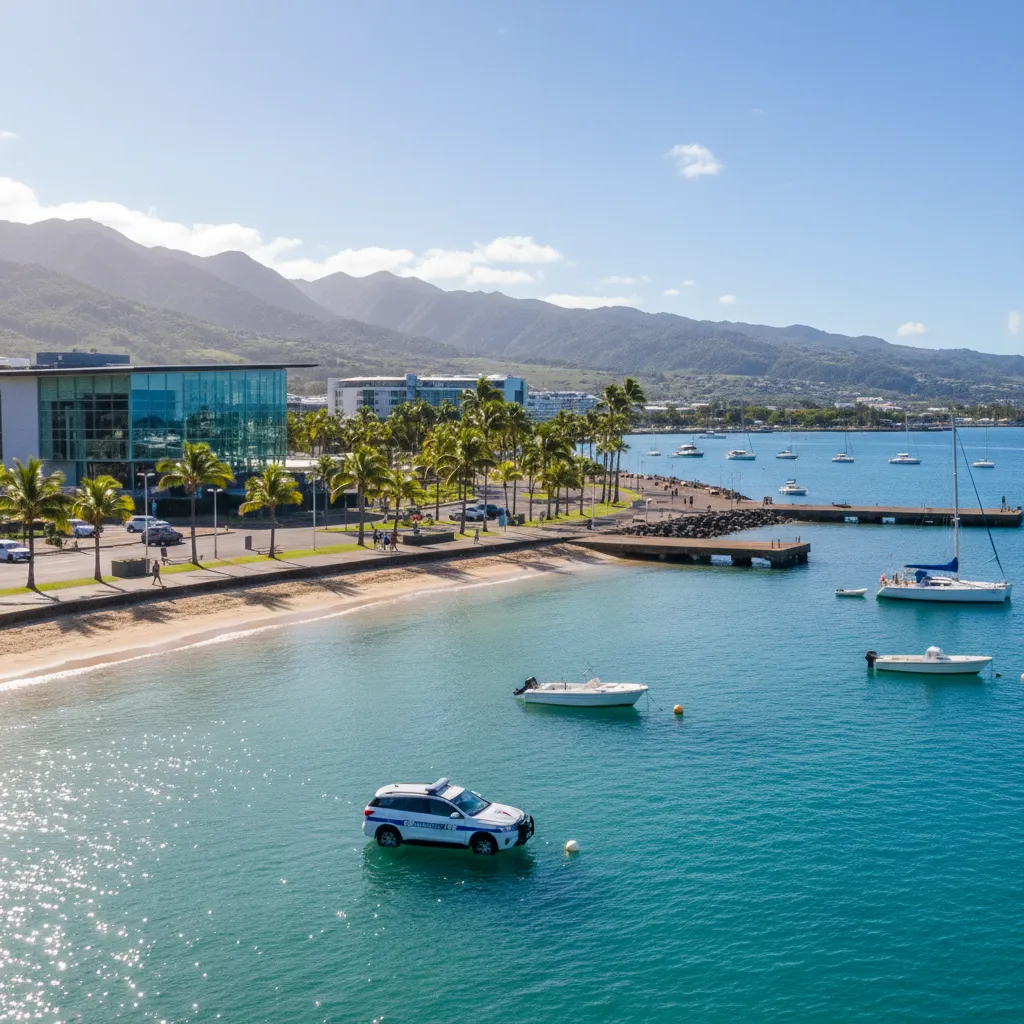
Tourists must be aware that curfews have been a fluid measure implemented by the High Commission. While hours may be relaxed depending on the immediate threat level, night-time movement is often restricted. For a tourist, this means the vibrant nightlife usually associated with Baie des Citrons or Anse Vata is currently muted. Restaurants often close early to allow staff to return home safely before curfew.
Grand Terre Road Network
Travel outside of Nouméa on Grand Terre requires meticulous planning. The main arterial roads, particularly the RT1, have been subject to roadblocks (barrages) erected by protestors. While security forces work to clear these, they can reappear rapidly. This makes renting a car and touring the “Grande Boucle” (the loop around the island) risky. The unpredictability of road access can lead to tourists being stranded in rural towns without access to fuel or supplies, as supply chains to the north are occasionally disrupted.
Safety in Isle of Pines and Loyalty Islands
A distinct dichotomy exists between the mainland (Grand Terre) and the outer islands. If your itinerary focuses solely on the Isle of Pines (Île des Pins), Lifou, Maré, or Ouvéa, the safety profile changes dramatically.
The Sanctuary of the Islands
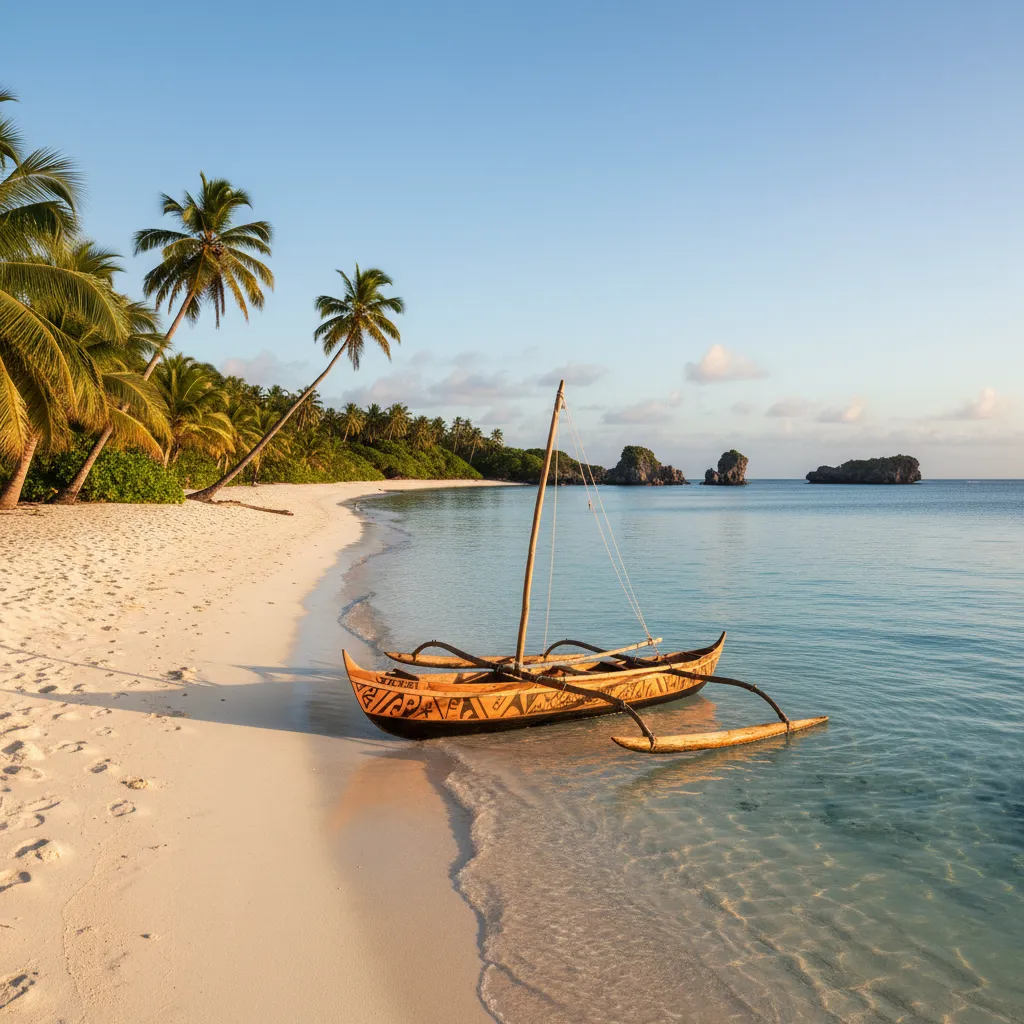
The Loyalty Islands and the Isle of Pines have remained largely insulated from the violent unrest seen in the capital. The local custom (Coutume) remains strong here, and the atmosphere is generally peaceful and welcoming to visitors. The pristine beaches and resorts are open, and the local population is often eager to see the return of tourism, which is a vital economic lifeline.
The Logistical Bottleneck
However, safety is not just about physical security; it is about logistics. The primary risk for tourists heading to these islands is transit. To reach the Loyalty Islands or Isle of Pines, you typically must transit through Nouméa (Magenta Airport for domestic flights or the ferry terminal).
- Air Calédonie: Domestic flights have faced cancellations and schedule changes due to strikes, fuel shortages, or security alerts at Magenta Airport.
- Betico Ferry: The ferry service is generally reliable but can be cancelled due to weather or if the maritime access to Nouméa is compromised.
Therefore, while the destination is safe, the journey carries a risk of disruption. New Zealanders are advised to allow ample buffer time between domestic connections and international flights.
Areas to Avoid: Specific Neighborhoods Guide
If you find yourself in Nouméa, situational awareness is paramount. Unlike previous years where wandering the city was encouraged, strict boundaries should now be observed.
High-Risk Zones
The following areas have seen the highest concentration of clashes and infrastructure damage. Tourists should avoid these areas completely:
- Saint-Louis (Mont-Dore): This is arguably the most critical flashpoint. The RP1 road passing through Saint-Louis is frequently closed due to carjackings and stone-throwing. Travelers trying to reach the South (Yaté, Blue River Park) often cannot pass through here. A dedicated ferry service has sometimes been deployed to bypass this road, but it is not a guaranteed tourist option.
- Vallée-du-Tir and Ducos: These are industrial and residential zones that were heavily impacted by arson and looting. There is no tourism value here, and the risk remains high.
- Rivière-Salée: Another northern suburb of Nouméa that has experienced significant unrest.
Safe Zones (With Caution)
The “Tourist Zones” remain the safest parts of the city:
- Anse Vata & Baie des Citrons: These areas are heavily patrolled and generally safe during the day. Most hotels here are operational. However, avoid walking alone late at night, even if the curfew is lifted.
- Port Moselle: Generally safe during market hours (morning), but exercise caution in the surrounding streets in the afternoon.
Transportation Risks: The Road to Tontouta
For Kiwi travelers, the most anxiety-inducing part of the trip is often the transfer between La Tontouta International Airport and Nouméa hotels. The airport is located 50km north of the city.
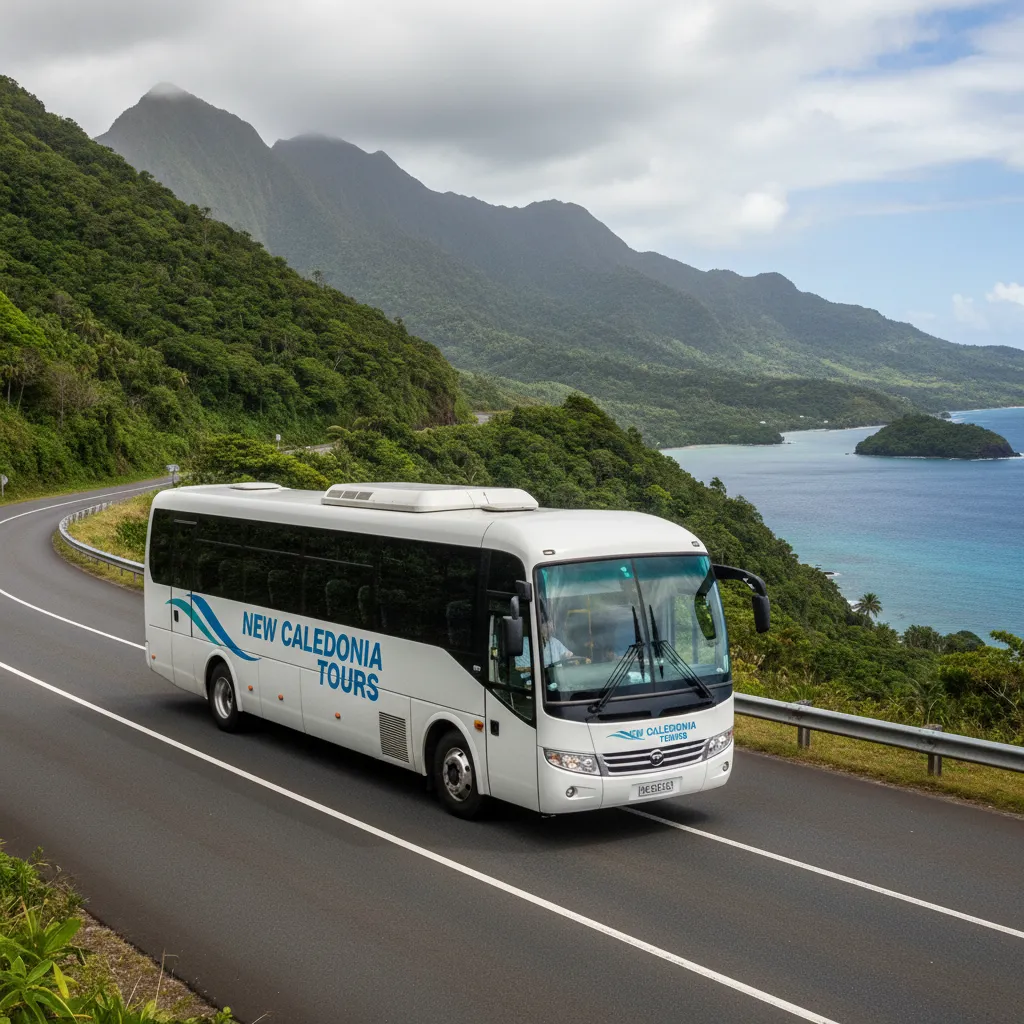
During the peak of the crisis, this road (RT1) was impassable. Currently, the road is open and policed, but it remains vulnerable. Authorities sometimes organize convoys for secure passage, though this requirement has lessened recently.
Recommendation: Do not rent a car immediately upon arrival for the purpose of driving into the city if you are unfamiliar with the current checkpoints. Utilize official shuttle services (Arc en Ciel, etc.) or hotel transfers. These drivers are in constant communication with authorities regarding road status. If the road is blocked, you may be stuck at the airport for hours or overnight.
Tourist Feedback: Recent Kiwi Experiences
Feedback from New Zealanders who have traveled to New Caledonia in late 2024 highlights a “tale of two trips.” Understanding these experiences can help set realistic expectations.
The “Resort Bubble” Experience
Travelers who booked package deals transferring directly to the Sheraton Deva (Bourail) or flew immediately to Le Méridien on Isle of Pines report a fantastic, peaceful holiday. They describe empty beaches, attentive staff grateful for the business, and a total absence of the tension seen on the news. For these tourists, New Caledonia remains a paradise, provided they stay within the resort enclave.
The “Independent Traveler” Struggle
Conversely, independent travelers attempting to backpack or drive around Grand Terre have reported high stress. Reports include:
- Being turned back at police checkpoints.
- Difficulty finding open supermarkets or restaurants operating normal hours.
- Unease regarding the visible burned-out structures in the suburbs of Nouméa.
- Challenges withdrawing cash as some ATMs were damaged or not restocked.
Key Takeaway: The consensus among recent Kiwi visitors is that structured, resort-based tourism is viable, but free-roaming exploration is currently ill-advised.
Travel Insurance and MFAT Advice
Before booking, you must consult the New Zealand Ministry of Foreign Affairs and Trade (MFAT) advice on SafeTravel.govt.nz. As of this writing, advice levels may vary by region (e.g., “Avoid Non-Essential Travel” for Nouméa vs. “Exercise Increased Caution” for islands).
The “Civil Unrest” Exclusion
This is the most critical financial detail for your trip. Most standard travel insurance policies contain exclusions for “civil commotion,” “riots,” or “acts of war.”
- If you book now: Since the unrest is a “known event,” you likely will not be covered for cancellations or disruptions related to the riots. If the airport closes due to protestors, your insurance may not pay out.
- Medical Cover: Medical coverage usually remains valid for accidents (e.g., slipping by the pool), but if you are injured in a protest, coverage is void.
Actionable Advice: Read the PDS (Product Disclosure Statement) of your insurer specifically regarding “Known Events” and New Caledonia. Some premium policies may offer “Cancel for Any Reason” add-ons, which are highly recommended for this destination right now.
People Also Ask
Is it safe to travel to Nouméa right now?
Travel to Nouméa requires high vigilance. While the city center and tourist bays (Anse Vata) are generally secure during the day, the risk of civil unrest, roadblocks, and crime is higher than usual. Nighttime curfews may apply, and movement outside tourist zones should be avoided.
Are flights to New Caledonia cancelled?
International flights to La Tontouta (via Aircalin and Air New Zealand) are operating, though schedules are reduced compared to pre-2024 levels. Domestic flights are more prone to disruption. Always check flight status 24 hours prior to departure.
Is the Isle of Pines affected by the riots?
Physically, the Isle of Pines has remained peaceful and is not affected by the riots seen in Nouméa. However, the island relies on supplies and transport from the mainland, so visitors may experience logistical delays or shortages of certain imported goods.
What does the NZ government say about New Caledonia travel?
The NZ Government, via SafeTravel, advises New Zealanders to exercise increased caution. Specific zones may have higher warnings. They strongly advise registering your travel details with MFAT so you can be contacted in an emergency.
Will travel insurance cover riots in New Caledonia?
Generally, no. Most insurers view the current situation as a “known event.” Claims related to cancellations or delays caused by the civil unrest will likely be declined. Check your policy wording carefully for “civil commotion” exclusions.
Are hotels and resorts open in New Caledonia?
Yes, major hotels in Nouméa and the resorts on the islands are open and eager for guests. However, some smaller businesses, restaurants, and shops in the city center may have closed permanently or reduced their operating hours due to the economic downturn.