Kanak food in New Caledonia is the traditional cuisine of the indigenous Melanesian population, centered on starchy root vegetables like taro, yam, and manioc, often simmered in fresh coconut milk. The most iconic dish is Bougna, a combination of chicken, fish, or lobster wrapped in banana leaves and slow-cooked over hot stones in an earth oven.
What is Bougna? The Crown Jewel of Kanak Cuisine
If you travel from New Zealand to New Caledonia and taste only one indigenous dish, it must be Bougna. Often described as the soul of Kanak culture on a plate, Bougna is far more than a simple meal; it is a ceremonial feast that connects the people to the land and their ancestors. For Kiwis familiar with the Māori Hāngī, the concept of an earth oven will resonate, yet the execution and flavor profiles offer a distinctly tropical Melanesian twist.
The word “Bougna” typically refers to the bundle or the parcel itself. The dish is essentially a stew comprised of taro, yam, sweet potato, banana, and pieces of chicken, fish, crab, or lobster. These ingredients are meticulously peeled, washed, and cut into chunks before being marinated in luscious, freshly squeezed coconut cream. The mixture is then wrapped tightly in softened banana leaves to create a sealed parcel.
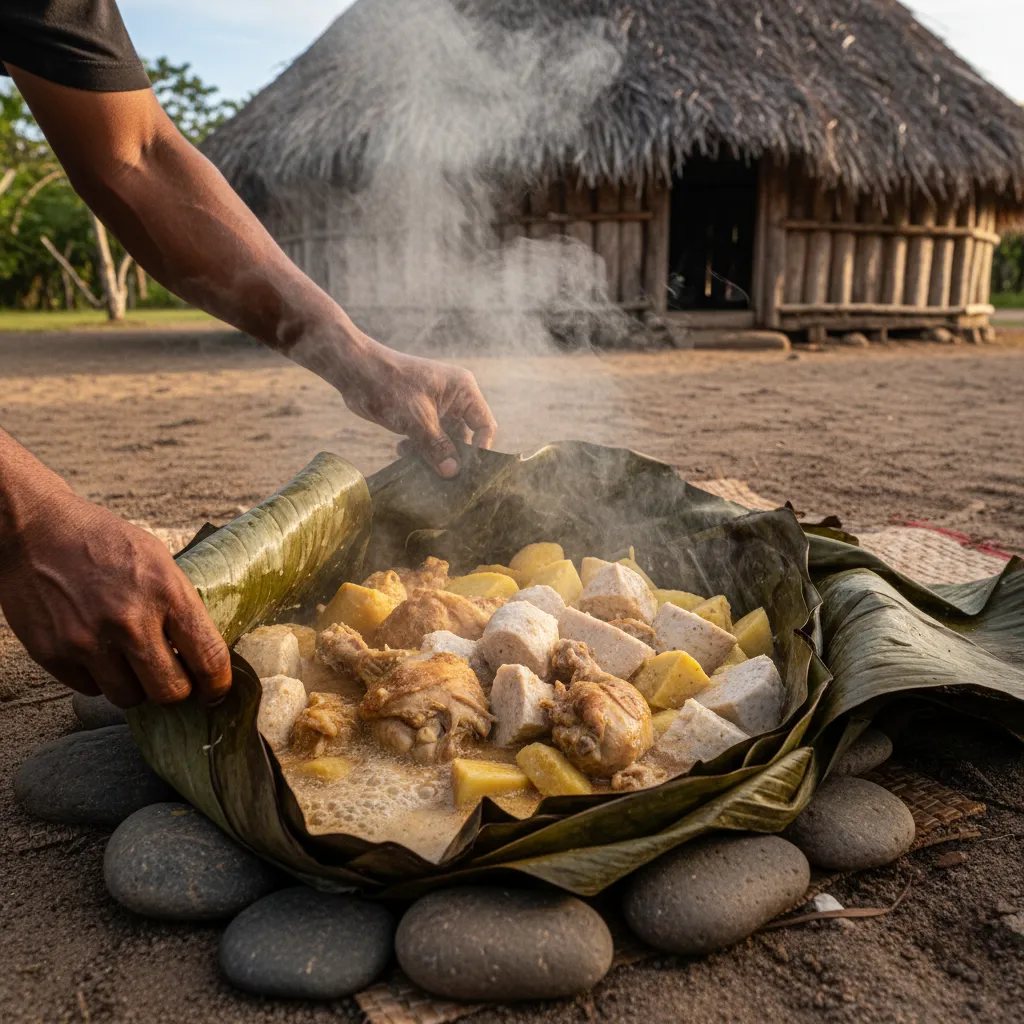
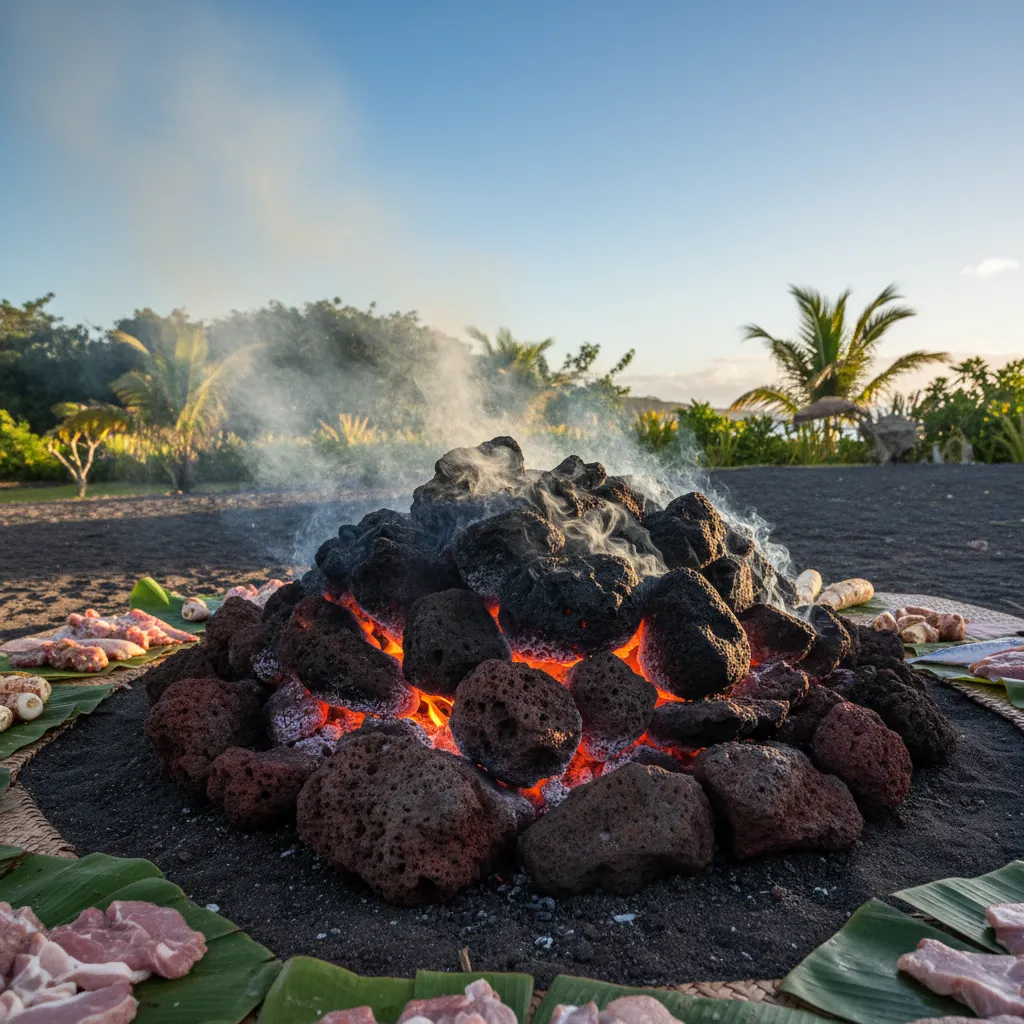
Unlike a quick stir-fry, Bougna requires patience and preparation. Traditionally, it is cooked in a Kanak earth oven, where volcanic stones are heated by fire. The banana leaf parcels are placed on the hot stones and covered with earth and leaves to trap the heat and steam. The result after several hours is a meltingly tender dish where the sweetness of the root vegetables and the richness of the coconut milk infuse the protein, creating a smoky, creamy, and savory flavor profile that is unlike anything else in the Pacific.
How is Bougna served?
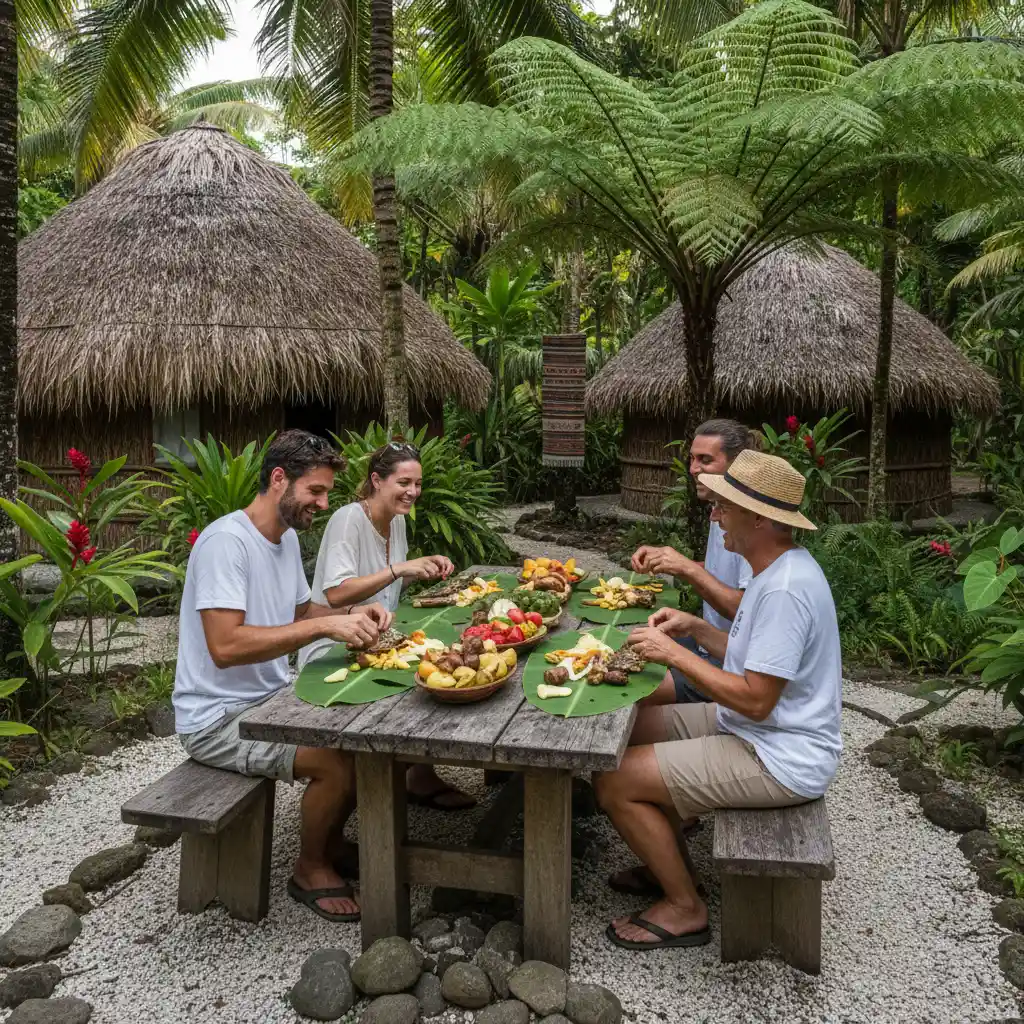
Bougna is traditionally placed in the center of the table (or on a woven mat on the ground) still inside its banana leaf wrapping. The opening of the leaves is a moment of anticipation, releasing a cloud of aromatic steam. It is a communal dish, meant to be shared, symbolizing unity and hospitality.
The Holy Trinity: Tubers, Coconut, and Fresh Catch
To understand Kanak food in New Caledonia, one must understand the ingredients that have sustained the Melanesian population for roughly 3,000 years. The cuisine is heavily agrarian, relying on what can be grown in the fertile red soil of the Grande Terre and the Loyalty Islands, or caught in the world’s largest lagoon.
The Sacred Yam (L’Igname)
While the potato reigns supreme in the West, the Yam is king in Kanak culture. It is treated with a reverence that borders on religious. The cultivation and harvest of yams dictate the traditional Kanak calendar, with the “Fête de l’Igname” (Festival of the Yam) marking the most important time of the year (usually around March). The yam represents the ancestors and male virility. In culinary terms, it has a dry, starchy texture that absorbs sauces beautifully, making it the perfect vehicle for coconut cream.
Taro and Manioc
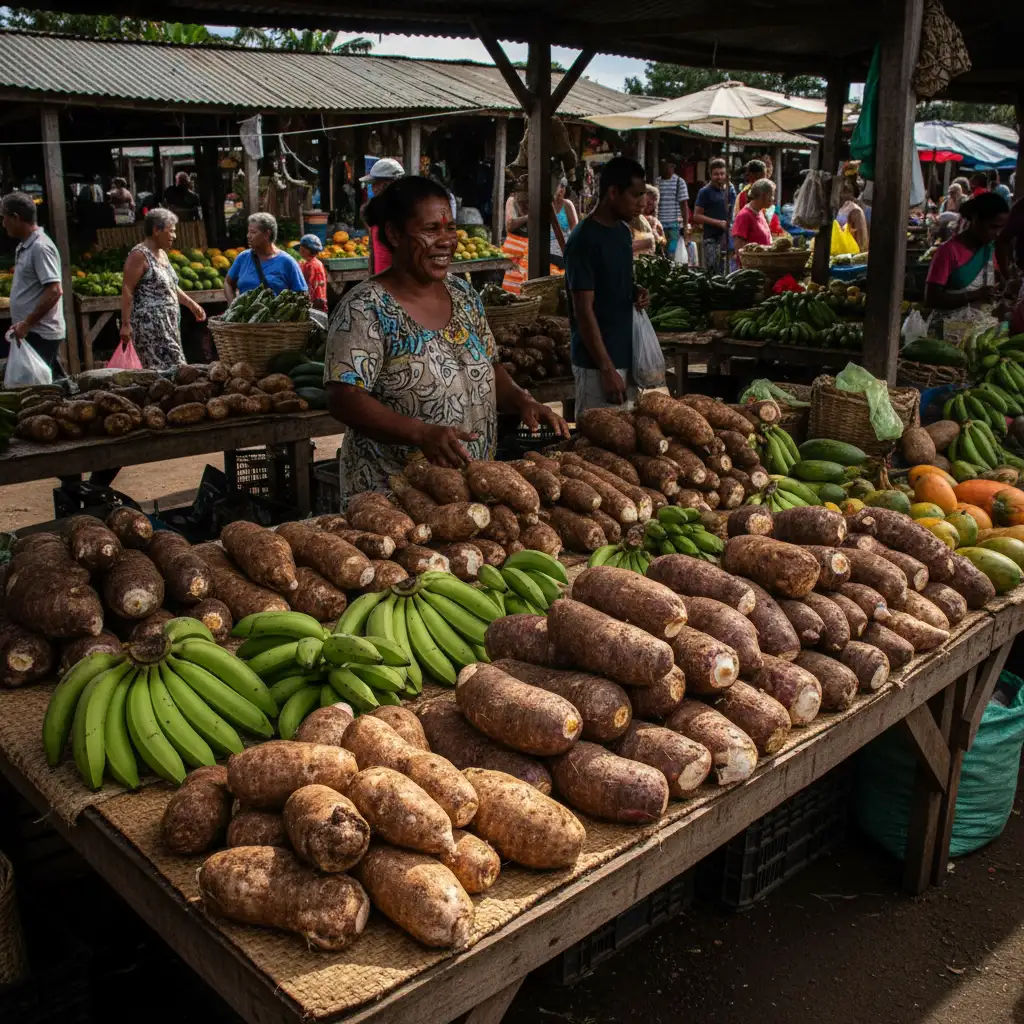
Alongside yams, Taro (both water and dry varieties) and Manioc (Cassava) are dietary staples. Taro has a slightly nutty flavor and a slippery texture when boiled, while Manioc is dense and filling. For New Zealand travelers, these tubers will remind you of the Kumara, though the varieties found in New Caledonia are often less sweet and more savory than the gold or red Kumara found in NZ supermarkets.
Coconut: The Liquid Gold
Coconut is the binding agent of Kanak cuisine. It is rarely used as a garnish; rather, the milk and cream are extracted fresh to serve as the primary cooking liquid. The fat content in the coconut milk tenderizes tough cuts of meat and softens the fibrous root vegetables. In the Loyalty Islands, the coconut crab is also a prized ingredient, feeding on coconuts which gives its flesh a naturally sweet, nutty flavor.
From Earth Ovens to Simmering Pots: Traditional Methods
The preparation of Kanak food is often a community event involving the extended family or tribe. The division of labor is traditional: men generally handle the earth oven and the meat, while women manage the preparation of the tubers and coconut milk.
The Kanak Earth Oven
Similar to the Fijian Lovo, the Samoan Umu, and the Māori Hāngī, the Kanak earth oven utilizes hot stones. However, a distinct feature of the Kanak method is the absence of wire baskets. The food is almost always wrapped in parcels (banana leaves) before being placed on the stones. This steaming technique ensures that no moisture is lost and the nutrients remain within the parcel. The stones used are specific volcanic rocks that can withstand high heat without cracking.
Simmering (Marmite)
While the earth oven is reserved for feasts and Sundays, daily cooking often involves a large pot (marmite) over a wood fire or gas stove. Ingredients are layered—tubers at the bottom, meat in the middle, greens on top—and simmered in water and coconut milk. This results in a thick, hearty stew that sustains the workers throughout the day.
Other Must-Try Kanak Delicacies
While Bougna steals the spotlight, the adventurous Kiwi palate should explore other traditional offerings found across the archipelago.
Civet de Roussette (Fruit Bat Stew)
This is perhaps the most confronting dish for Western tourists but is a highly respected delicacy in Kanak culture. The Roussette is a fruit-eating bat, not a scavenger. The meat is often marinated in red wine (a French influence) or cooked in a traditional stew. The flavor is often compared to gamey rabbit or duck. Note that consumption is regulated to protect the species, so it is usually only available during specific hunting seasons or at tribal events.
Poé (Dessert)
Though often associated with Tahiti, Poé is widely enjoyed in New Caledonia. It is a sweet pudding made from pumpkin or banana mixed with manioc flour (tapioca starch) and baked until it achieves a gelatinous, chewy consistency, then served with fresh coconut cream. It is the perfect gluten-free dessert to end a heavy meal.
Mangrove Crabs and Blue Prawns
New Caledonia produces some of the finest seafood in the world. The famous Blue Prawns (Crevettes Bleues) are sweet and delicate, often served simply grilled or poached. Mangrove crabs are caught in the dense mangrove forests along the coast and are typically prepared with chili and garlic or, of course, in a coconut curry.
Where to Find Authentic Kanak Food in New Caledonia
Here is the challenge for the average tourist: Authentic Kanak food, particularly Bougna, is rarely “fast food.” You cannot simply walk into a standard bistro in Nouméa and order it off the menu. Because of the long cooking time, it requires pre-ordering.
1. Tribal Homestays (Accueil en Tribu)
The absolute best way to experience Kanak food is to stay with a tribe. The “Accueil en Tribu” network allows tourists to stay in traditional huts (cases) within a village. If you let your hosts know in advance (usually 24 hours), they will prepare a Bougna for you. This offers not just a meal, but a cultural immersion where you can watch the preparation and learn about the customs.
2. The Markets (Le Marché)
The Port Moselle Market in Nouméa (open early morning, closed Mondays) is a hub of activity. While you might not find a full Bougna here, you will find the components: fresh tubers, seafood, and prepared snacks. Look for the stalls selling prepared foods on the weekends; you may find portions of yam stew or fresh seafood salads.
3. Specialized Restaurants
A few restaurants in Nouméa and the surrounding areas specialize in local cuisine, but the “24-hour notice” rule usually applies for Bougna.
- Le Kougny (Ile des Pins): Famous for its lobster meals right on the beach.
- Chez Mamie (Lifou): Renowned for authentic tribal cooking.
Dining Etiquette for New Zealand Travelers
New Zealanders are generally well-regarded in New Caledonia, but understanding local Coutume (custom) goes a long way.
- Respect the Food: In Kanak culture, food is a gift from the earth. Wasting food can be seen as disrespectful.
- La Coutume: If you are entering a tribal area or staying in a village, it is customary to present a small gift (a piece of fabric, a 500 CFP note, or tobacco) to the chief or the host as a sign of respect. This exchange creates a bond of hospitality.
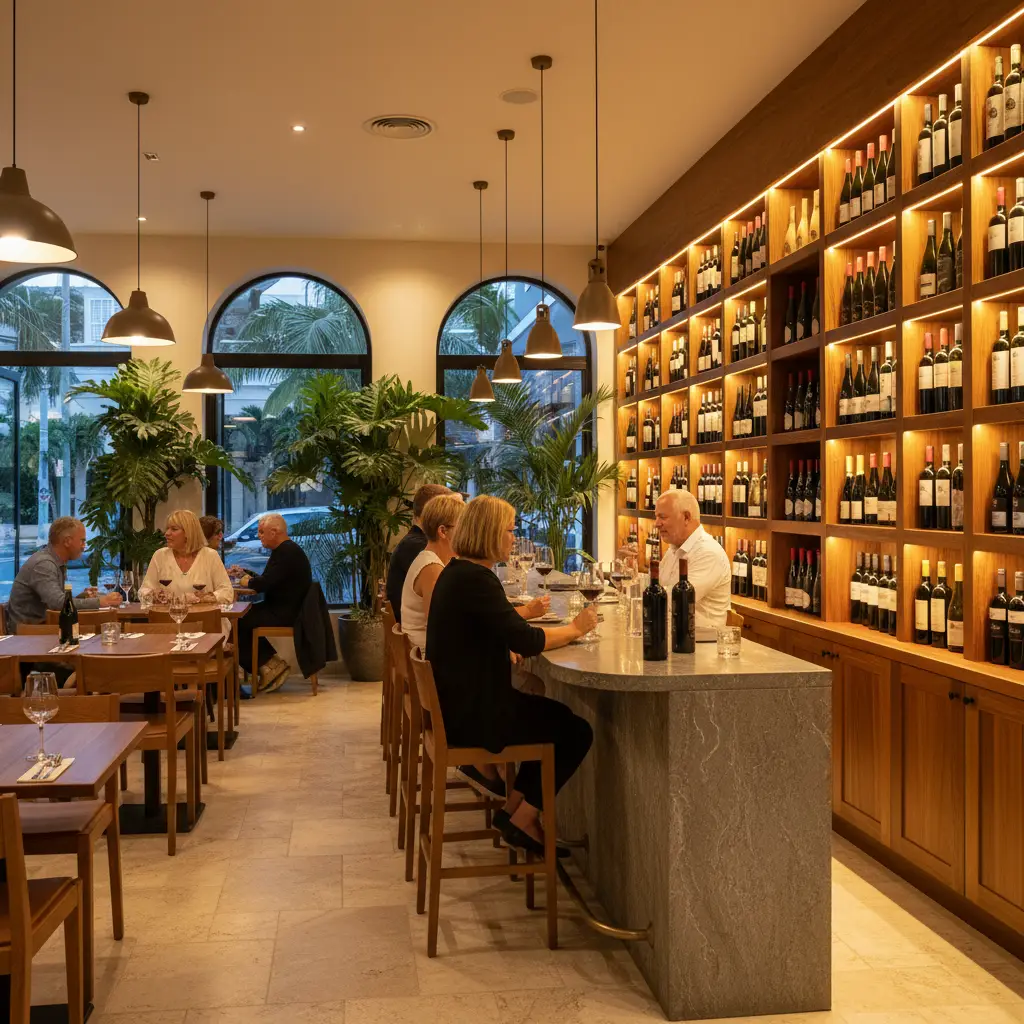
- Patience is Key: “Island time” is very real. Food is prepared fresh and with care. Do not expect the rapid service standards of Auckland CBD. Relax, enjoy a glass of French wine or local Number One beer, and soak in the atmosphere.
Exploring Kanak food in New Caledonia offers a delicious counterpoint to the French pastries and bistros that Nouméa is famous for. It connects you to the deep history of the Pacific and offers flavors that are both comforting and exotic to the Kiwi palate.
What is the national dish of New Caledonia?
The national dish of New Caledonia is widely considered to be Bougna. It is a traditional Melanesian stew of chicken, lobster, or fish combined with yams, taro, sweet potatoes, and bananas, wrapped in banana leaves and cooked in hot stones underground or in a large pot with coconut milk.
Is Kanak food spicy?
Generally, traditional Kanak food is not spicy. It relies on the natural savory flavors of root vegetables and the richness of coconut cream. However, condiments like chili paste are often available on the side for those who want to add heat, reflecting the influence of other Pacific and Asian communities in the territory.
Can you eat fruit bat in New Caledonia?
Yes, fruit bat, known locally as “Roussette,” is a traditional delicacy. It is typically prepared as a stew (civet) marinated in red wine. However, due to conservation efforts, hunting is regulated, and it is usually only found on menus during specific seasons or at traditional tribal feasts.
How much does a Bougna cost?
A traditional Bougna is usually a shared meal. For a portion serving 2-4 people at a tribal homestay or restaurant, expect to pay between 3,000 and 6,000 CFP (approx. $45 – $90 NZD), depending on whether it contains chicken (cheaper) or lobster (more expensive).
Is street food safe in New Caledonia?
Yes, street food and market food in New Caledonia are generally very safe and of high quality. The hygiene standards are aligned with French regulations. The Port Moselle Market is a popular and safe place to try local snacks, fresh fruits, and seafood dishes.
Do I need to tip in New Caledonia?
Tipping is not a standard practice in New Caledonia and is not expected in Kanak culture or French establishments. Service charges are usually included in the price. However, if you receive exceptional service, rounding up the bill or leaving small change is appreciated but never required.