The best seafood in New Caledonia is defined by its world-renowned Obsiblue prawns, distinctively sweet mangrove crabs, and fresh lagoon fish prepared with French culinary precision. Visitors can experience these delicacies at top-rated Nouméa waterfront restaurants or the bustling Port Moselle Market, offering a unique fusion of Melanesian ingredients and classic French gastronomy.
For New Zealand travelers, New Caledonia represents the ultimate gastronomic neighbor. Just a short flight from Auckland, this French Pacific territory offers a seafood experience that rivals the best in Europe, yet retains a distinct island soul. The pristine waters of the world’s largest lagoon provide an abundant larder, while the French influence ensures that every catch is treated with reverence and sophisticated technique. Whether you are seeking a rustic beachside grill or fine dining over the water, the seafood landscape here is a bucket-list journey for any serious gourmand.
What Makes Seafood in New Caledonia Unique?
New Caledonia’s seafood scene is a direct reflection of its geography and history. Unlike other Pacific destinations that may rely heavily on imported goods or simple preparation methods, New Caledonia benefits from a massive, nutrient-rich lagoon—a UNESCO World Heritage site—and a culinary heritage deep-rooted in French tradition.
The uniqueness stems from the “Paddock to Plate” (or rather, “Ocean to Plate”) philosophy which is strictly adhered to. The proximity of the catch to the kitchen means that freshness is non-negotiable. Furthermore, the convergence of cultures creates a flavor profile you won’t find in New Zealand. You might enjoy a raw fish salad (salade tahitienne) marinated in coconut milk and lime for lunch, followed by a classic French Sole Meunière or a lobster thermidor for dinner. This duality is the hallmark of New Caledonian dining.
What are Obsiblue Prawns?
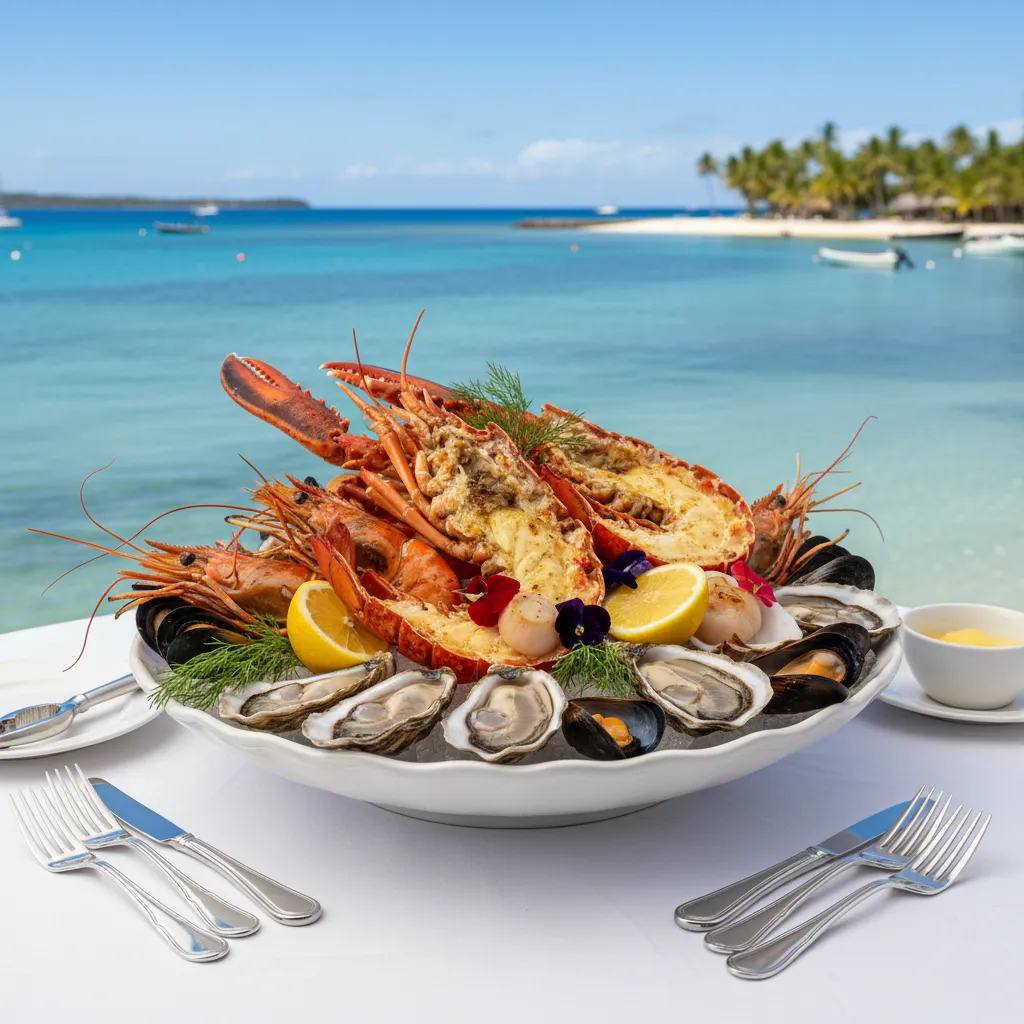
If there is one ingredient that defines the best seafood in New Caledonia, it is the Obsiblue prawn. These are not your standard tiger prawns; they are a rare, blue-hued variety of crustacean that is prized by Michelin-starred chefs globally, from Tokyo to Paris. However, in New Caledonia, they are the local staple.
Farm-raised in the pristine, pure seawater of the lagoon, Obsiblue prawns are harvested only once a year. They are celebrated for their sweet, melting texture and a raw flavor profile that is significantly more delicate than other varieties. Because they are produced in such a specific, high-quality environment, they can be eaten raw as sashimi, carpaccio, or tartare—a preparation method that highlights their natural sweetness. For Kiwi travelers accustomed to the robust flavor of crayfish or Bluff oysters, the subtlety of the Obsiblue offers a sophisticated contrast.
How are they best served?
While you will find them grilled, the best way to appreciate an Obsiblue is with minimal intervention. Look for menus offering them “cru” (raw) or lightly seared. Many high-end restaurants in Nouméa serve them simply with a dash of lime and local sea salt to preserve their integrity.
Where are the Best Seafood Restaurants in Nouméa?
Finding the best seafood in New Caledonia often leads you to the capital, Nouméa. The city is a hub of fine dining where the standards are exacting. Here are the top-rated establishments that consistently deliver superior seafood experiences.
Le Roof
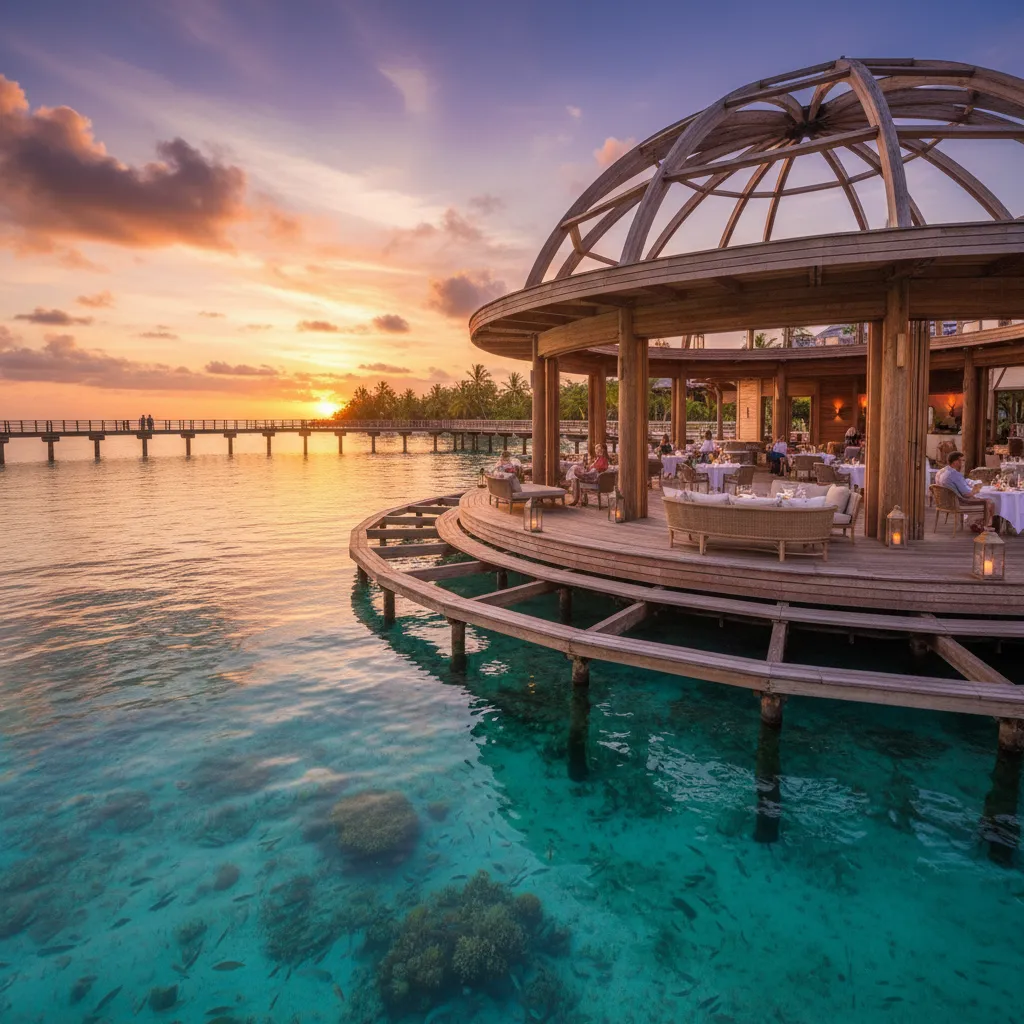
Perched on stilts over the water at Anse Vata, Le Roof offers an ambiance that is difficult to beat. While dining, you can often spot dolphins or sharks in the illuminated water below. The menu is heavily focused on local seafood with a French twist. Their seafood platter is legendary, but their preparation of local Mahimahi—often served with a vanilla sauce, a local favorite—is a must-try.
L’Hippocampe
Located within the Le Meridien Nouméa, L’Hippocampe is widely regarded as the pinnacle of seafood fine dining in the country. The chefs here specialize in refined presentation and innovative flavor combinations. If you are looking to taste the Obsiblue prawn in a high-gastronomy setting, this is the place. Their tasting menus often feature varied textures of seafood, from foams to emulsions, showcasing the versatility of the local catch.
Le Miretti-Gascon
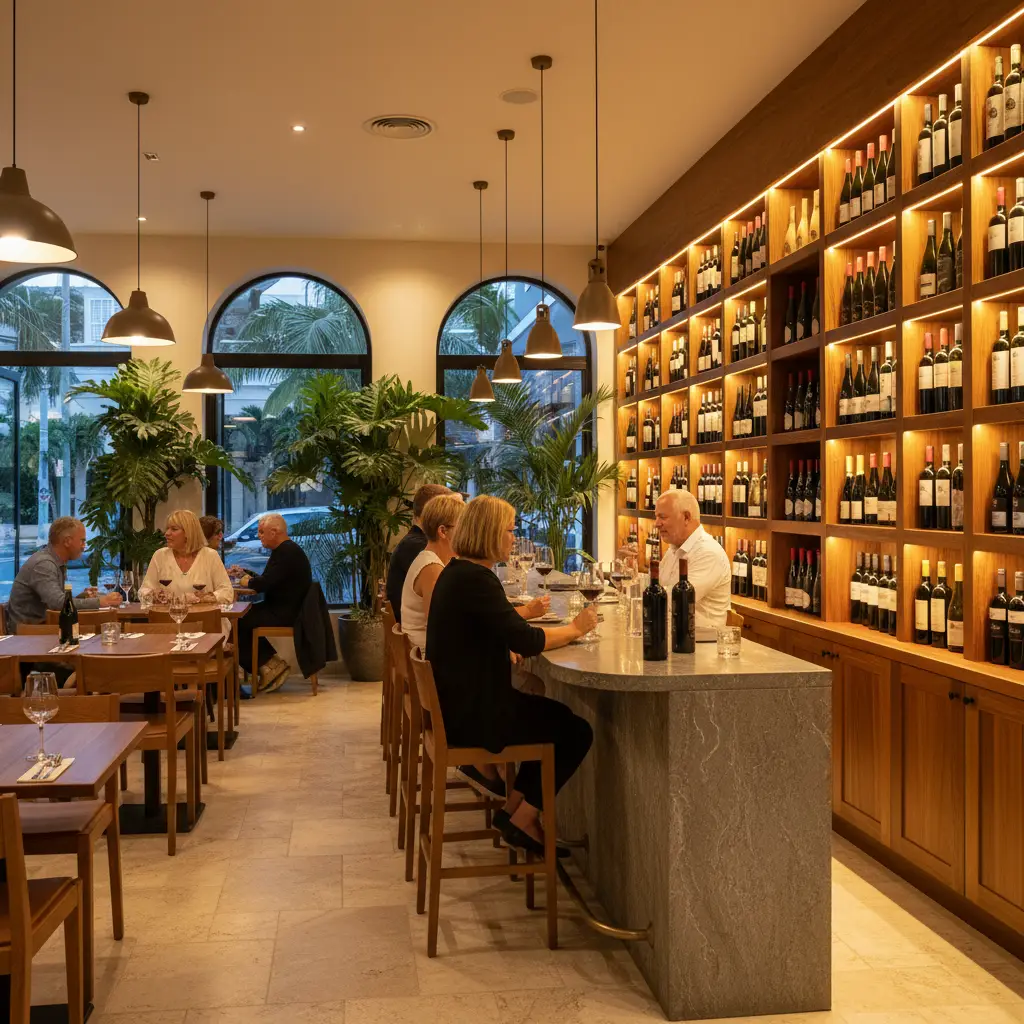
For a more traditional, homely French vibe, Le Miretti-Gascon in the Baie des Citrons area is a favorite among locals and savvy tourists. It is famous for its seafood casseroles and traditional preparation of mangrove crabs. The atmosphere is warm and inviting, reminiscent of a bistro in the south of France, but with ingredients sourced straight from the Pacific.
What is a Plateau de Fruits de Mer?
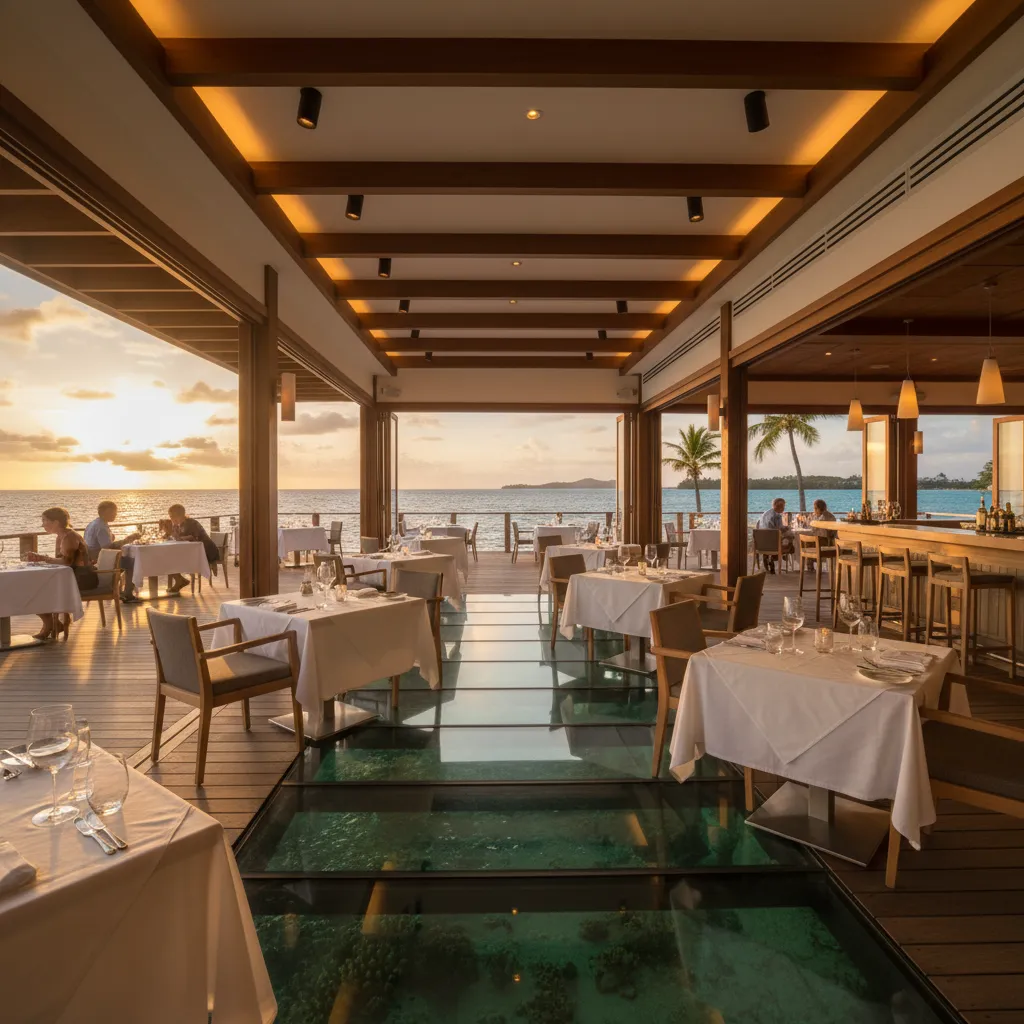
The Plateau de Fruits de Mer (Seafood Platter) is not just a dish; it is a cultural institution in New Caledonia. Borrowed directly from metropolitan France brasserie culture, the New Caledonian version is adapted to tropical abundance.
A standard platter typically includes:
- Oysters: Often the local mangrove oysters or flown-in varieties from New Zealand (ironically) or France, depending on the season.
- Prawns: A generous heap of the famous Obsiblue or local wild prawns.
- Crabs: Mangrove crab claws are a staple, known for their dense, sweet meat.
- Sashimi: Unlike the French version, the Pacific version often includes raw tuna or snapper sashimi.
- Bulots and Whelks: Sea snails cooked in court-bouillon, served with mayonnaise.
This mountain of seafood is usually served on a bed of crushed ice, accompanied by rye bread, salted butter, homemade mayonnaise, and a shallot vinegar mignonette. It is a slow-food experience, designed to be shared over a bottle of chilled French white wine, such as a Sancerre or Chablis, making it the perfect long lunch option for travelers.
Local Specialties: Lobster and Coconut Crab
Beyond the prawn, two other crustaceans vie for the title of “best seafood in New Caledonia”: the Spiny Lobster (Langouste) and the Coconut Crab.
The Spiny Lobster
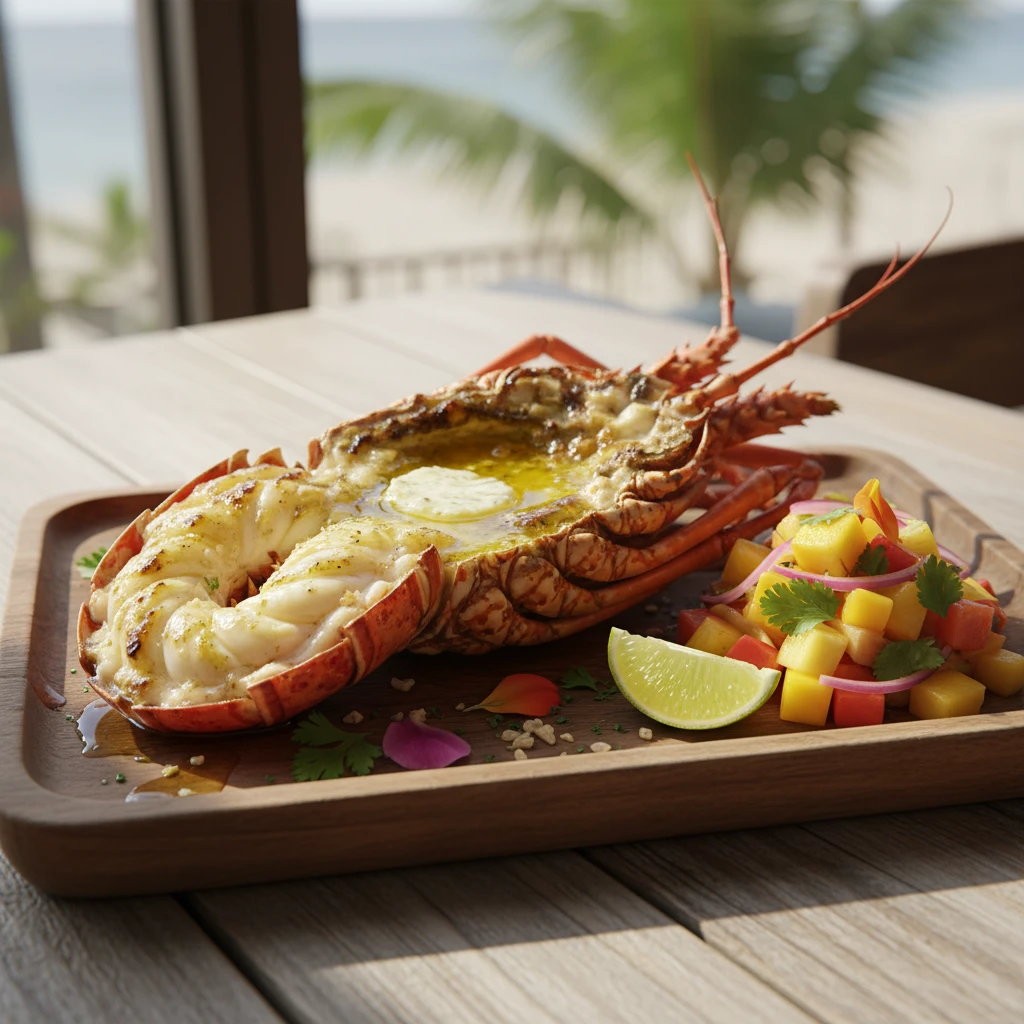
The local lobster is known as “Langouste.” Unlike the Maine lobster, it lacks large claws, but the tail meat is substantial and incredibly flavorful. The most popular way to eat this is grilled simply with garlic butter (Langouste grillée). During the season, you will find this dish featured on almost every menu, from beach shacks on the Isle of Pines to 5-star hotels in Nouméa.
The Coconut Crab (Crabe de Cocotier)
This is a true delicacy of the islands, particularly in the Loyalty Islands. The Coconut Crab is the largest land-living arthropod in the world. It feeds on coconuts, which actually imparts a subtle coconut flavor to its flesh and fat. Due to conservation efforts, the consumption of Coconut Crab is regulated, and it is considered a rare treat. It is often prepared in a curry or gratin to maximize the rich, creamy nature of the meat.
How Sustainable is the Fishing?
Sustainability is a critical topic for New Zealand travelers who are often environmentally conscious. New Caledonia is home to the world’s largest enclosed lagoon, a UNESCO World Heritage site since 2008. This designation comes with strict responsibilities regarding conservation and fishing practices.
The government enforces strict quotas and seasonal bans to protect breeding cycles, particularly for species like the Coconut Crab and Giant Clams. The fishing industry here is largely artisanal rather than industrial. Most of the fish served in restaurants is line-caught by local fishermen who supply specific establishments. This short supply chain not only guarantees quality but also ensures that fish stocks remain healthy. When you order the “Catch of the Day” (Pêche du Jour), it is genuinely what was caught that morning by a small boat, not a trawler.
The Port Moselle Market Experience
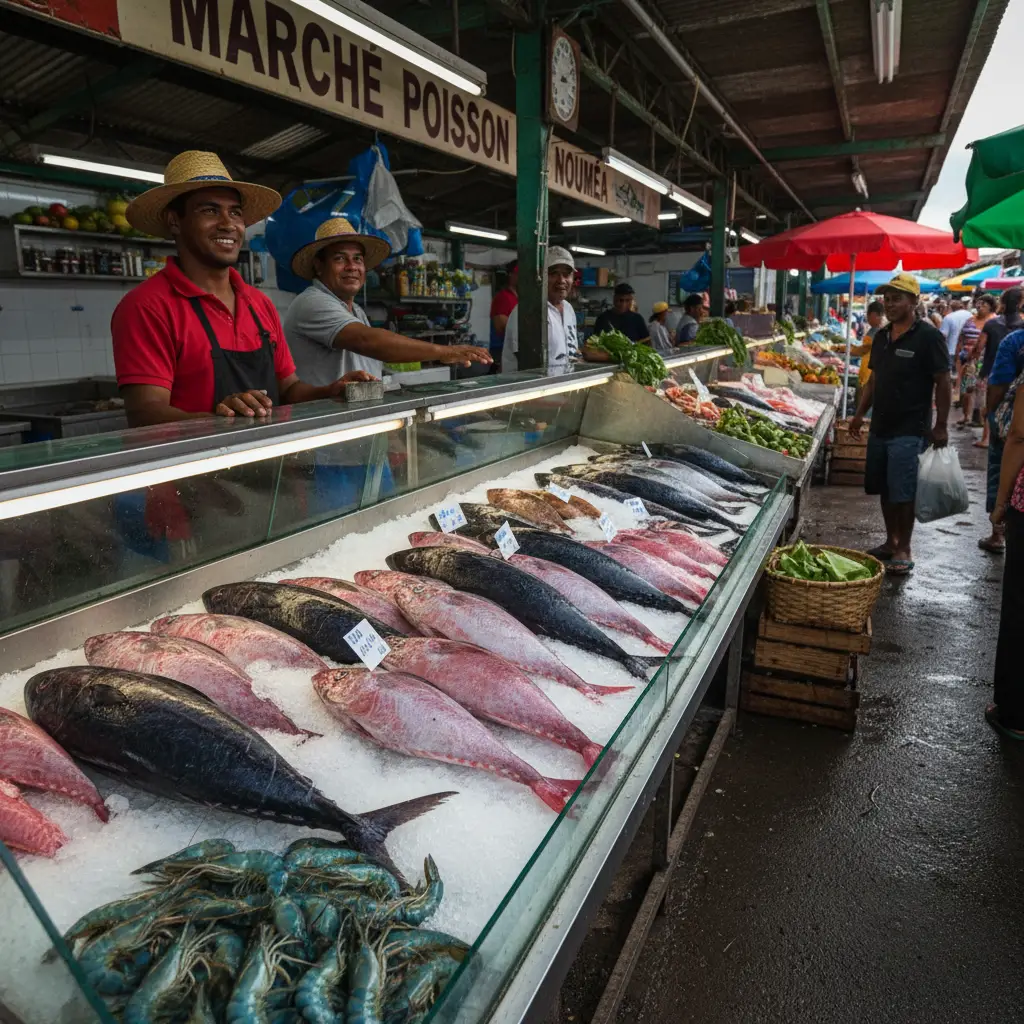
To truly understand the depth of the seafood culture, a visit to the Port Moselle Market in Nouméa is mandatory. Open daily from early morning (5:00 AM to 11:00 AM), this is where the chefs and locals shop.
The fish market section is a spectacle of color. You will see whole Yellowfin Tuna, Mahi-Mahi, Parrotfish, and Red Snapper laid out on ice. It is also the best place to see the raw ingredients before they hit your plate. For travelers staying in accommodation with kitchen facilities, this is the best place to buy seafood in New Caledonia. You can purchase a kilo of fresh prawns or a whole fish for a fraction of the restaurant price. Even if you aren’t cooking, the market offers ready-to-eat marinated raw fish salads that are perfect for a picnic by the harbor.
Practical Tips for Kiwi Travelers
Currency and Tipping: New Caledonia uses the Pacific Franc (XPF). Unlike the US, tipping is not mandatory, as service is usually included, but rounding up the bill is appreciated for good service.
Reservations: The best seafood restaurants in Nouméa, like Le Roof or L’Hippocampe, are popular. It is highly recommended to book tables at least a few days in advance, especially for dinner service on weekends.
Language: While English is spoken in major hotels and tourist restaurants, a polite “Bonjour” goes a long way. Menus are often in French and English, but knowing terms like “Poisson du lagon” (Lagoon fish) and “Cru” (Raw) helps in navigating the options.
What is the most famous seafood dish in New Caledonia?
The most famous dish is undoubtedly the Obsiblue Prawn, often served raw or lightly seared to highlight its sweetness. Another contender is the classic French-style Seafood Platter (Plateau de Fruits de Mer).
Is seafood expensive in New Caledonia?
Yes, fine dining seafood can be pricey, comparable to high-end restaurants in Auckland or Queenstown. However, high quality and generous portions are standard. More affordable options are available at markets and local snack bars.
Can you eat raw fish in New Caledonia?
Absolutely. The lagoon waters are pristine, making raw fish preparations like sashimi, tartare, and Tahitian salad (marinated in coconut milk) very safe and popular.
What is the best time of year for seafood in New Caledonia?
Seafood is excellent year-round, but the cooler months (May to September) are particularly good for certain shellfish and deep-sea fish varieties.
Are there seafood options for non-seafood eaters?
Yes, New Caledonia has a strong tradition of French cuisine involving beef and venison, as well as local Melanesian root vegetable dishes like Bougna (though Bougna often contains fish or chicken).
Do I need to book restaurants in advance?
For the top-rated seafood restaurants in Nouméa, booking 2-3 days in advance is highly recommended, especially for waterfront tables at sunset.