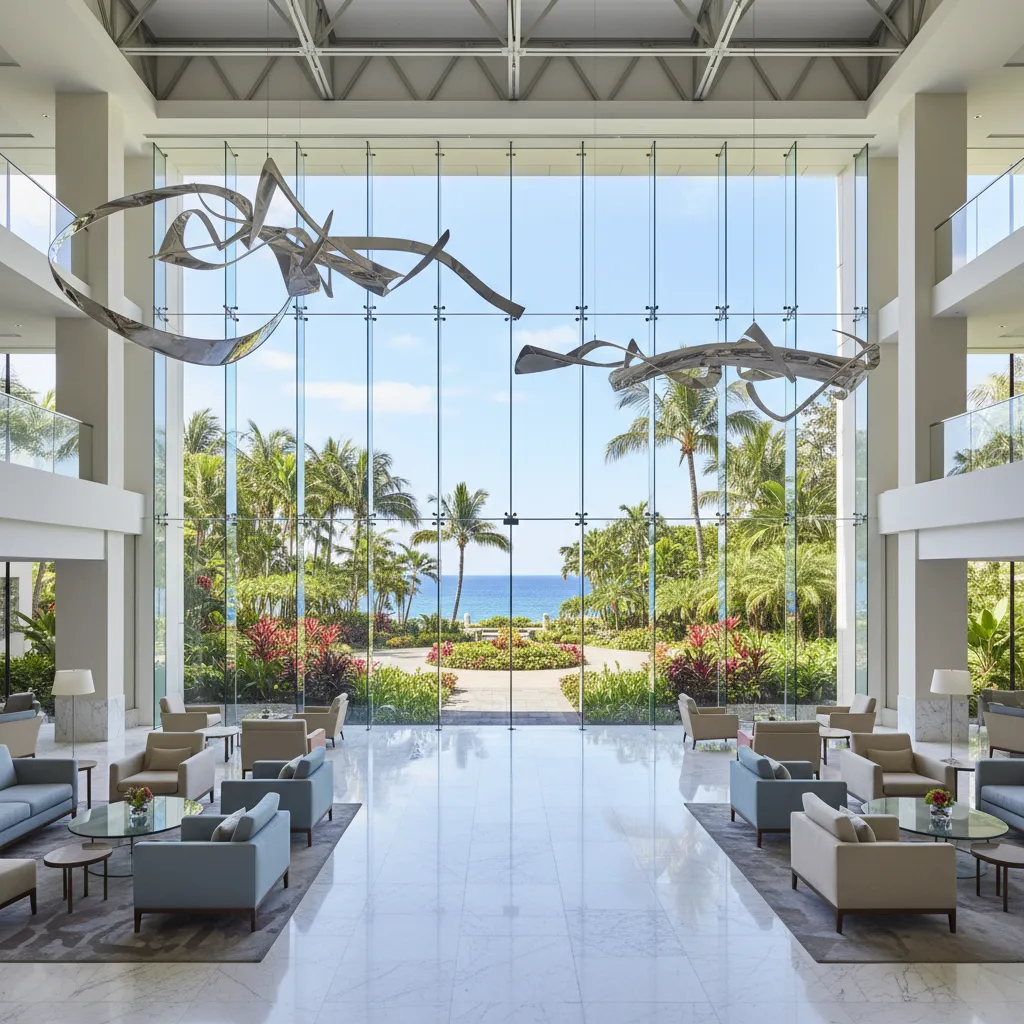
New Caledonia all inclusive resorts typically operate on a “Full Board” basis rather than the unlimited alcohol models found in the Caribbean. For New Zealand travelers, the choice lies between the convenience of prepaid resort dining or the culinary adventure of self-catering, where access to French supermarkets and local patisseries offers a distinct, high-value cultural experience.
For New Zealanders, New Caledonia represents a unique paradox: it is our closest tropical neighbor, yet it feels a world away due to its distinct French influence. When planning a holiday to this Pacific gem, the most significant logistical decision you will face is not necessarily which island to visit, but how to manage your dining and accommodation strategy.
Unlike Fiji or Rarotonga, where the tourism infrastructure is heavily skewed towards traditional resort packages, New Caledonia offers a sophisticated mix of hotel-style luxury and apartment living. This guide breaks down the reality of New Caledonia all inclusive resorts versus the independence of self-catering, helping you decide which format provides the best value and experience for your next Kiwi getaway.
Understanding the Options: Full Board vs. Self-Catering
Before booking, it is vital to clarify terminology. Many travelers search for “all-inclusive” expecting the unlimited cocktails and 24-hour buffets common in Mexico or Bali. In New Caledonia, the definition is more European.
What “All-Inclusive” Means in New Caledonia
True all-inclusive packages (including alcohol) are rare in New Caledonia. instead, resorts typically offer:
- Half Board: Breakfast and Dinner included.
- Full Board: Breakfast, Lunch, and Dinner included.
- Beverage Packages: Often sold separately or included only during meal times in specific premium packages.
For the New Zealand market, these packages are designed to provide cost certainty in a destination known for relatively high food prices. They allow you to prepay for your essential sustenance in NZD, shielding you from currency fluctuations or menu shock upon arrival.
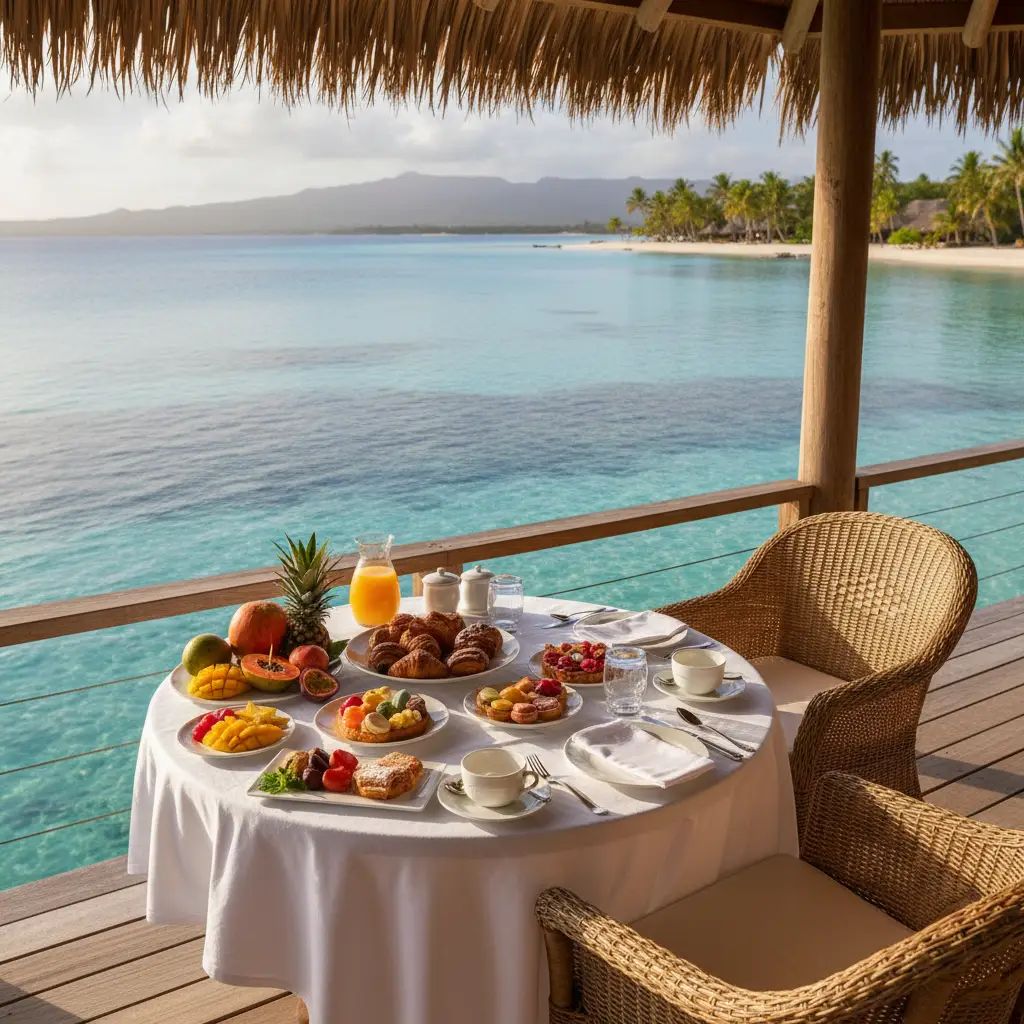
The Self-Catering Apartment Model
Conversely, Noumea and its surrounds are famous for “Apparthotels.” These are fully serviced resorts where rooms feature kitchenettes or full kitchens. This model caters to the French preference for buying fresh produce, baguettes, and cheeses from local markets and enjoying them on a private balcony. For Kiwis, this often feels like a “Bach” experience but with a tropical French twist.
Pros and Cons: Which Style Suits You?
To make an informed decision, you must weigh the convenience of a resort package against the flexibility of independence.
The Case for All-Inclusive (Full Board)
Pros:
- Budget Control: You know exactly what the trip costs before you leave Auckland.
- Relaxation: There is no need to grocery shop, cook, or clean dishes. You are on holiday, after all.
- Remote Locations: In isolated spots like Ile des Pins or the Loyalty Islands, dining options outside the resort are scarce, making full board a logistical necessity.
Cons:
- Cost: Resort dining is priced at a premium. You may pay $80-$100 NZD per person for a buffet dinner.
- Repetition: You are limited to the resort’s restaurants, which can become monotonous over a 7-day stay.
- Missed Culture: You might miss out on local bistros and the authentic French café culture.
The Case for Self-Catering
Pros:
- Culinary Freedom: Eat what you want, when you want. Enjoy a sunset cheese platter on your balcony for a fraction of the bar price.
- Cost Savings: Breakfast and lunch costs can be slashed significantly by utilizing supermarkets.
- Authenticity: Shopping at a local market is a travel experience in itself.
Cons:
- Effort: Requires shopping, cooking, and cleaning.
- Transport: You may need a rental car or knowledge of the bus system to reach larger supermarkets.
The Self-Catering Experience: Supermarkets & Markets
If you choose the self-catering route, you are in for a treat. New Caledonia imports a massive amount of produce directly from France. This means the supermarket shelves look very different from Countdown or Pak’nSave.
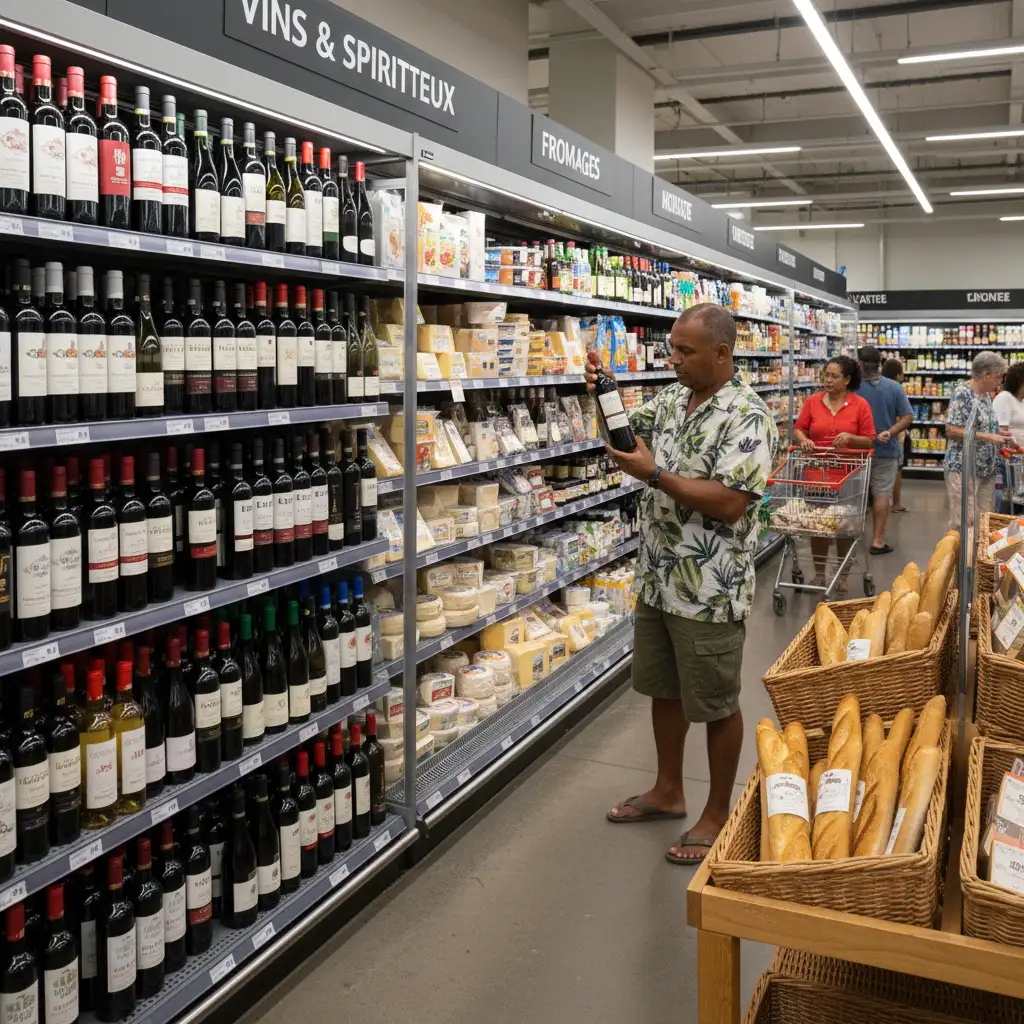
Navigating the Supermarkets
The main supermarket chains are Casino, Super U, and Carrefour. Here is what you need to know:
- Wine Prices: French wine is incredibly affordable. A decent bottle of Bordeaux or Côtes du Rhône can cost between 800 and 1500 XPF ($12 – $22 NZD), often cheaper than in NZ.
- Cheese & Charcuterie: The selection is vast. Camembert, Brie, and Comté are staples and are reasonably priced compared to NZ imports.
- Fresh Bread: Baguettes are government-price-regulated and cost roughly 100-120 XPF ($1.50 NZD). They are baked fresh multiple times a day.
The Port Moselle Market
For fresh fish (tuna, mahi-mahi) and local produce (yams, tropical fruit), the Port Moselle Market is essential. It is open every morning (except Mondays) from 5:00 AM to 11:30 AM. It is the perfect place to stock up for a week of self-catering.
Cost Analysis: 7-Day Trip Breakdown (NZD)
Let’s break down the costs for a couple traveling from New Zealand for 7 nights. Note: These are estimates based on current exchange rates and average pricing.
Scenario A: The “All-Inclusive” Style Resort Stay
Based on a 5-star resort with a Full Board package.
- Accommodation (7 nights): $3,500 NZD
- Full Board Add-on (Food): $2,100 NZD ($300/day for two)
- Drinks (Alcohol/Coffee – not included): $700 NZD
- Total Ground Cost: $6,300 NZD
Scenario B: The Self-Catering Apartment Stay
Based on a 4-star apartment hotel with kitchen.
- Accommodation (7 nights): $2,100 NZD
- Supermarket Shop (Breakfasts/Lunches/Snacks/Alcohol): $600 NZD
- Dining Out (3 nice dinners + cafes): $800 NZD
- Total Ground Cost: $3,500 NZD
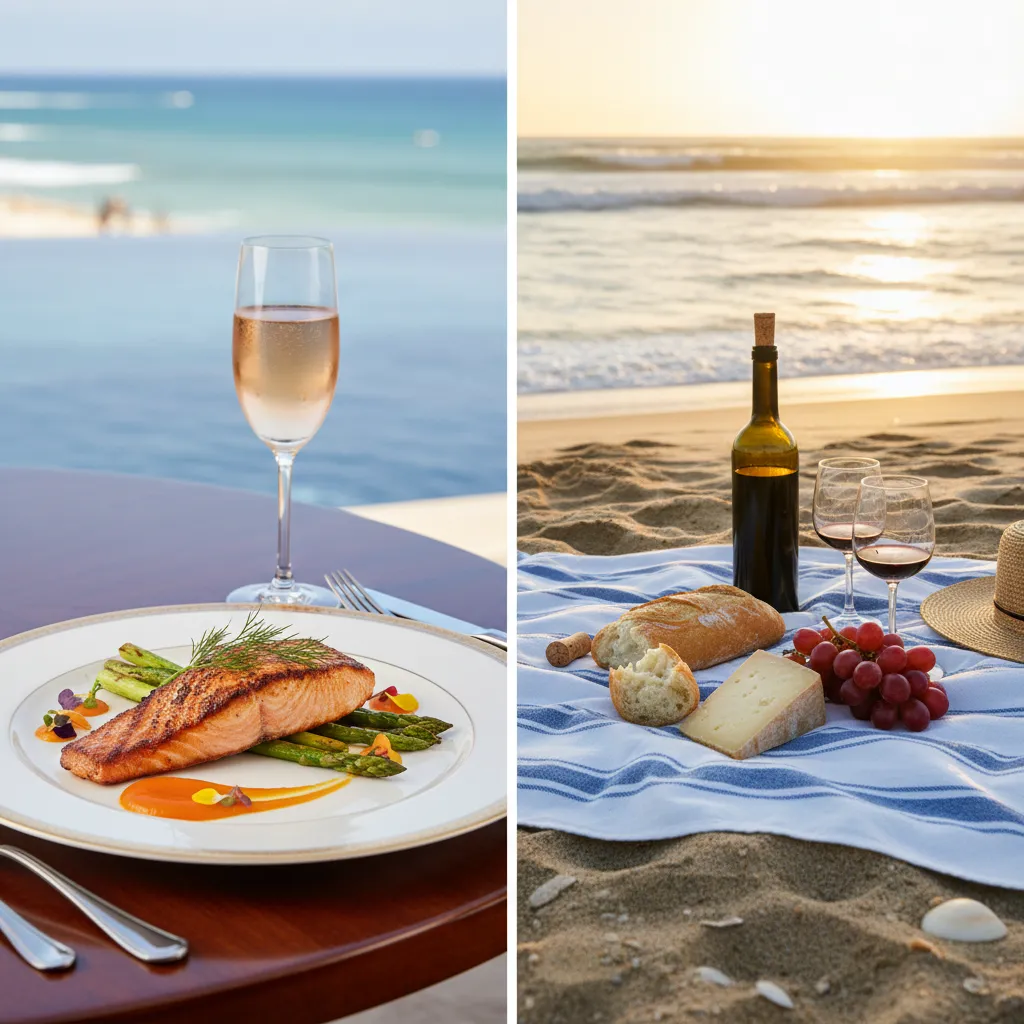
The Analysis: The self-catering option offers approximately 45% savings. However, the resort package offers a higher level of luxury and service. The “value” depends entirely on whether you view cooking as a chore or a joy while on holiday.
Top Resort Recommendations for Each Style
Choosing the right hardware is just as important as the software (food). Here are the top picks for the NZ market.
Best for “All-Inclusive” Feel (Full Board)
1. DoubleTree by Hilton Noumea Ilot Maitre Resort
Located on a private islet 20 minutes by boat from Noumea, this is the closest you will get to a Maldivian experience. Because you are on an island, you are a captive audience, making the full board package highly recommended. Their buffet is extensive, and the overwater bungalows are iconic.
2. Le Méridien Ile des Pins
On the “Jewel of the Pacific,” dining options are limited outside the hotel. Le Méridien offers luxury full-board options that allow you to indulge in high-end French-Melanesian fusion without worrying about the bill at the end of the meal.
Best for Self-Catering (Apartment Style)
1. Hilton Noumea La Promenade Residences
Located directly on Anse Vata beach, these apartments are spacious and feature fully equipped kitchens (oven, dishwasher, large fridge). Crucially, a shopping complex with a bakery and supermarket is located directly underneath the hotel, making self-catering effortless.
2. Chateau Royal Beach Resort & Spa
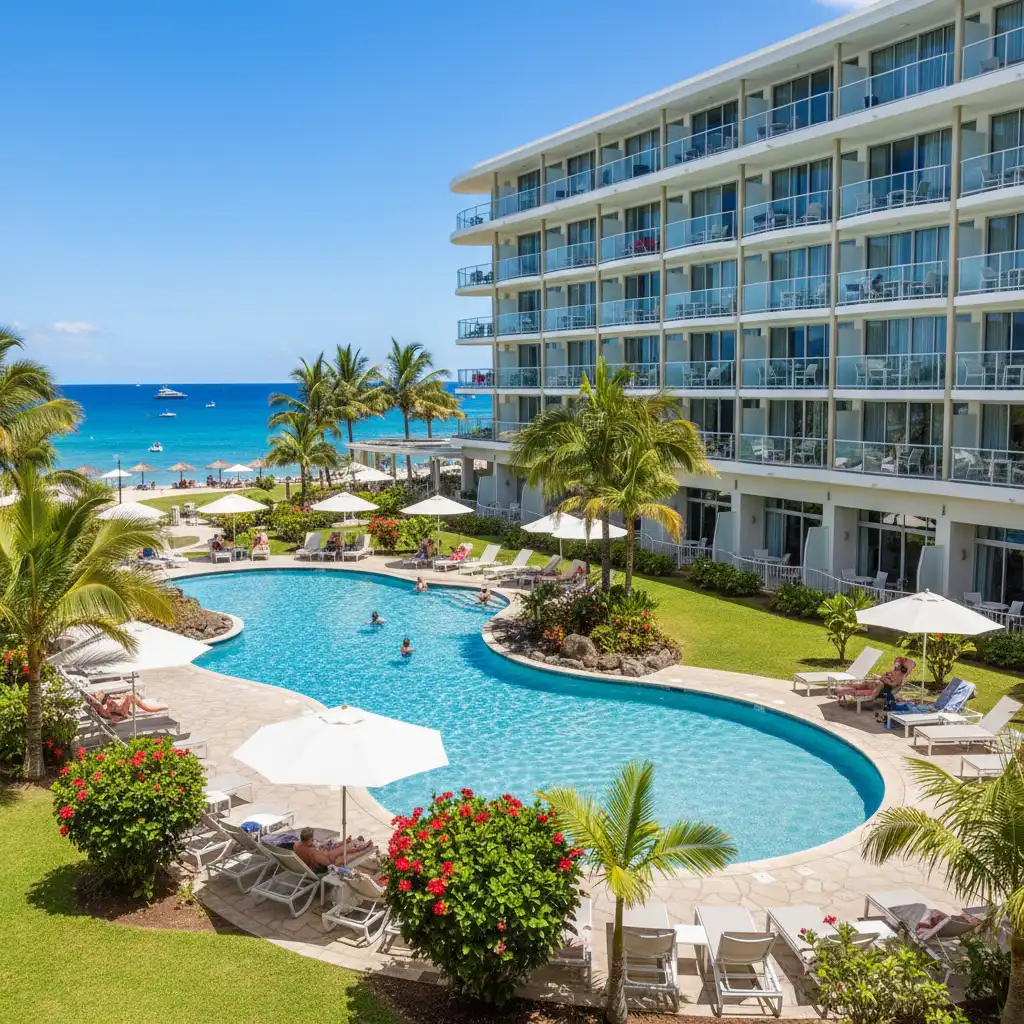
This resort bridges the gap. It sits on the best stretch of beach in Noumea and offers full resort facilities (pool, bars, spa) but every room is a suite with a functional kitchenette. You can cook breakfast in your room and dine at the resort restaurant for dinner, offering a hybrid approach.
The Verdict for NZ Travelers
If your goal is to disconnect completely, lie by the pool, and not lift a finger, opt for a Full Board package at the DoubleTree or Le Méridien. The extra cost buys you total peace of mind.
However, if you want to experience the “France of the Pacific,” self-catering is the superior choice. It forces you to interact with locals, try new foods, and navigate the city. Plus, the savings allow you to spend more on experiences like day trips to the Amedee Lighthouse or renting a car to explore the Grand Terre. For the average Kiwi family or couple, the hybrid model—breakfast and lunch from the supermarket, dinner at a restaurant—usually strikes the perfect balance between budget and luxury.
Do New Caledonia resorts include alcohol in their packages?
Generally, no. Most “all-inclusive” or full-board packages in New Caledonia cover food (breakfast, lunch, dinner) but exclude beverages. Alcohol is heavily taxed and expensive. Some resorts offer specific beverage packages for an additional daily fee, but unlimited open-bar concepts are rare.
Is food expensive in New Caledonia for New Zealanders?
Yes, dining out can be pricey. A burger and chips at a restaurant might cost $30-$35 NZD. However, French wine, baguettes, and cheeses at supermarkets are often cheaper than in New Zealand, which is why self-catering is popular.
Can I drink the tap water in New Caledonia?
Yes, the tap water in Noumea is safe to drink and of high quality. In more remote areas or on the outer islands, it is often recommended to stick to bottled water to be safe, but generally, sanitation standards are high.
What is the best currency to use in New Caledonia?
The currency is the Pacific Franc (XPF). While some tourist areas might accept credit cards readily, you should always carry some cash for markets and small shops. It is best to exchange some NZD for XPF before leaving or withdraw from ATMs upon arrival in Noumea.
Do I need to speak French to self-cater?
Not necessarily, but it helps. In supermarkets, products are labeled in French, but visuals are obvious. Most hospitality staff in Noumea speak English. Learning basic greetings like “Bonjour” and “Merci” goes a long way in receiving good service.
Are there sharks in New Caledonia waters?
New Caledonia has a healthy marine ecosystem, which includes sharks. Following a changing shark population dynamic, local authorities have implemented swimming bans in certain areas of Noumea. Always swim in designated guarded zones and adhere to current local signage and hotel advice regarding water safety.