
A KiwiSaver holiday fund is not a formal withdrawal category, as KiwiSaver is primarily designed for retirement or a first home. However, Kiwis can effectively create one by using a savings suspension to redirect their contributions into a dedicated travel account, allowing them to fund a New Caledonia getaway using their own income streams.
The Reality of Using KiwiSaver for Travel
For many New Zealanders, the balance in their KiwiSaver account represents their largest liquid asset outside of home equity. When planning a luxury escape to the turquoise waters of New Caledonia, the temptation to tap into these funds is understandable. However, it is vital to understand that KiwiSaver is a long-term investment vehicle governed by strict legislative rules under the KiwiSaver Act 2006.
There is no specific “KiwiSaver holiday fund” provision that allows for a lump-sum withdrawal simply to enjoy a vacation. The government and providers view these funds as essential for your future self. That said, the flexibility of the scheme does allow for strategic maneuvers that can help you reach the white sands of the Isle of Pines sooner than you might think, provided you understand the mechanisms of contributions and suspensions.

Significant Financial Hardship: Can it Fund a Trip?
One of the most common questions regarding a KiwiSaver holiday fund is whether a “hardship withdrawal” can be used for travel. To put it bluntly: the bar for significant financial hardship is exceptionally high. To qualify, you must prove to your provider and the supervisor that you are unable to meet minimum living expenses, such as rent, mortgage payments, or medical bills.
What Qualifies as Significant Financial Hardship?
The criteria for hardship are strictly defined. They include the inability to meet minimum living expenses, the inability to meet mortgage repayments on your principal residence (leading to a mortgagee sale), or the need to pay for medical treatment for yourself or a dependent. A holiday to New Caledonia, no matter how much you may need the mental break, does not fall under these categories.
The Application Process and Its Limitations
Applying for a hardship withdrawal requires a full disclosure of your financial position, including assets, debts, income, and expenditure. If you have enough discretionary income to be planning a trip to Noumea, it is highly unlikely that a hardship application would be successful. Furthermore, even if approved for a specific debt, the funds are usually paid directly to the creditor, not to your personal bank account for travel bookings.
The Savings Suspension Strategy for New Caledonia
If you cannot withdraw the money you have already saved, the next best thing is to stop adding to it temporarily. This is the most legitimate way to create a DIY KiwiSaver holiday fund. By applying for a savings suspension (formerly known as a contribution holiday), you can stop your employee contributions and redirect that cash flow into a high-interest travel savings account.
How to Qualify for a Savings Suspension
Once you have been a KiwiSaver member for 12 months, you have the right to take a savings suspension for any reason. You can choose a period between three months and one year, and you can renew it as many times as you like. For a New Zealander earning $80,000 a year, a 3% contribution amounts to roughly $2,400 annually. By suspending these payments, you effectively “find” the budget for your New Caledonia flights and accommodation without taking on new debt.

Redirecting Your Cash Flow
The key to this strategy is discipline. If you stop your KiwiSaver contributions but simply spend the extra money on daily coffees or dining out in Auckland, you haven’t created a KiwiSaver holiday fund; you’ve simply reduced your retirement savings. The moment your suspension starts, you should set up an automatic transfer of the exact same amount into a dedicated “New Caledonia Escape” account.
The Long-Term Cost of Pausing Your Contributions
While a savings suspension is a powerful tool for short-term goals, it comes with a significant “opportunity cost.” When you stop your employee contributions, your employer is no longer legally required to make their 3% contribution. Furthermore, if you don’t contribute at least $1,042.86 between July 1 and June 30, you will miss out on the full Government Contribution (tax credit) of $521.43.
The Power of Compound Interest Lost
Taking a one-year break from KiwiSaver at age 30 doesn’t just cost you the $2,400 you didn’t contribute. It costs you the 30+ years of compound interest that money would have earned. Depending on your fund’s performance, that single year’s contribution could have grown to $15,000 or more by the time you retire. This is the true price of using a KiwiSaver holiday fund strategy—you are essentially borrowing from your 65-year-old self.
Alternative Travel Fund Strategies for the Pacific
Given the long-term costs of tampering with your KiwiSaver, many financial experts recommend alternative strategies for building a New Caledonia travel fund. These methods allow you to keep your retirement savings on track while still enjoying the French-Pacific charm of Noumea and the Loyalty Islands.
High-Interest and Notice Saver Accounts
For a short-term goal like a holiday (usually 6-18 months of saving), a Notice Saver account is often superior to a standard savings account. These accounts offer higher interest rates in exchange for requiring 32, 60, or 90 days’ notice before you can withdraw the funds. This delay acts as a “behavioral nudge,” preventing you from dipping into your holiday fund for impulsive local purchases.
Managed Funds and ETFs
If your New Caledonia dream is a few years away—perhaps a 10th-anniversary luxury trip—you might consider a low-fee managed fund or an Exchange Traded Fund (ETF) outside of KiwiSaver. These provide the same professional management as your KiwiSaver fund but offer full liquidity, meaning you can withdraw the money whenever you are ready to book your flights on Aircalin.
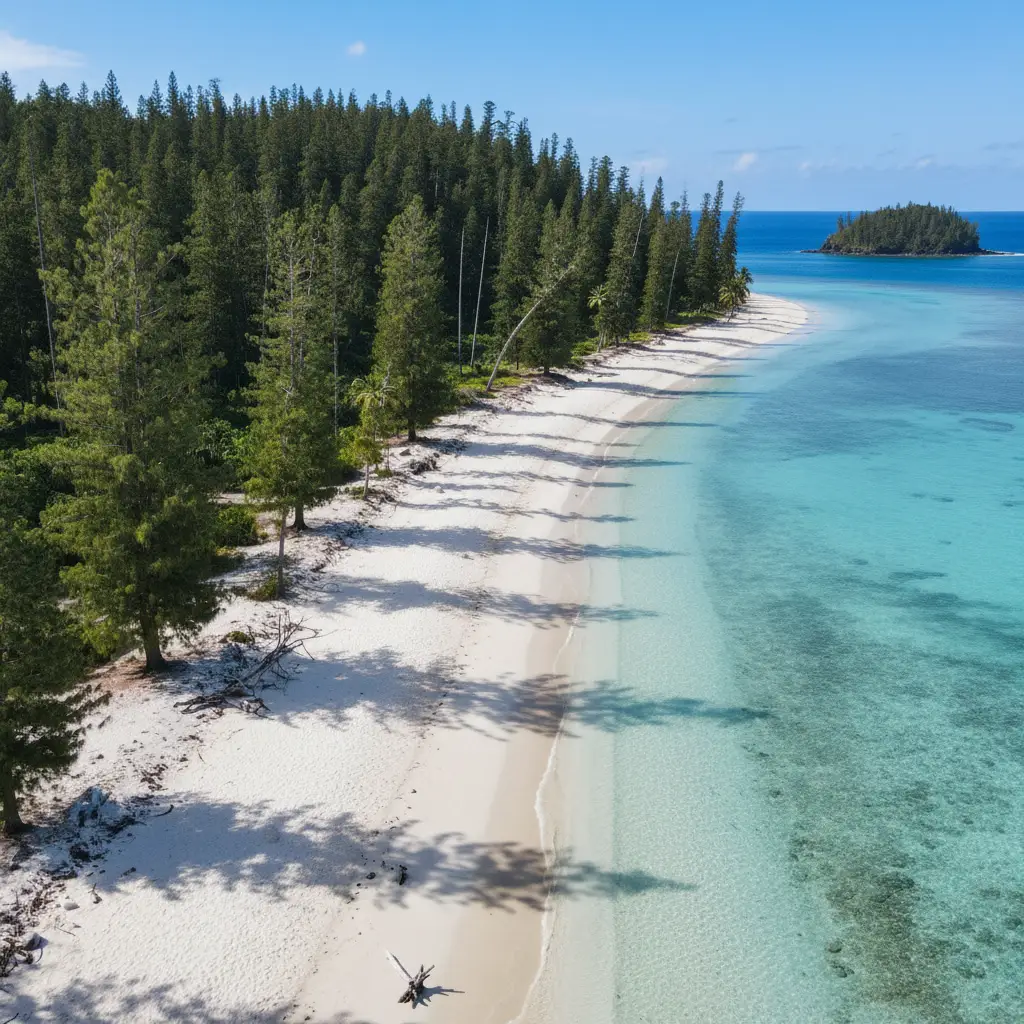
Financial Planning for Your New Caledonia Holiday
New Caledonia is often perceived as an expensive destination because it utilizes the CFP Franc (XPF), which is pegged to the Euro. However, with the right financial planning, it is accessible to New Zealanders who are used to similar prices in Queenstown or Auckland. A well-structured KiwiSaver holiday fund strategy should account for the specific costs of the region.
Flights and Accommodation Costs
Direct flights from Auckland to Noumea take less than three hours, making it one of the most accessible international destinations for Kiwis. Budgeting for these should be your first priority. Accommodation ranges from budget-friendly guesthouses (Gîtes) to five-star resorts like the Château Royal. Expect to pay between $250 and $600 per night for mid-to-high-range lodging.
Daily Expenses and the ‘French’ Factor
Dining in New Caledonia is a highlight, featuring world-class French cuisine and fresh Pacific seafood. A dinner for two in the Anse Vata bay area can easily cost $150 NZD. To stretch your travel fund further, consider visiting local supermarkets (like Casino or Carrefour) for French cheeses, baguettes, and wine to enjoy a picnic on the beach—a much more affordable way to experience the local culture.
Maximizing Your New Zealand Dollar in Noumea
To ensure your hard-earned savings go as far as possible, consider the timing of your trip. The “shoulder seasons” (May-June and September-October) offer the best balance of beautiful weather and lower prices. Avoiding the French and New Zealand school holidays can save you up to 30% on accommodation costs.
Additionally, look into the “Noumea Explorer” bus passes and local ferries rather than relying on taxis, which can be expensive. By being strategic with your spending on the ground, the funds you’ve diverted from your KiwiSaver or saved in your travel account will provide a much richer experience.

Conclusion: Balancing Today’s Joy with Tomorrow’s Security
While the idea of a KiwiSaver holiday fund is appealing, the best approach for New Zealanders is to use the scheme’s flexibility wisely. A savings suspension can provide the immediate cash flow needed to explore the stunning lagoons of New Caledonia, but it should be used sparingly. By combining a temporary pause in contributions with disciplined side-savings and smart on-the-ground budgeting, you can enjoy the best of the South Pacific without compromising your long-term financial health.
People Also Ask
Can I withdraw KiwiSaver for a holiday?
No, you cannot withdraw funds from KiwiSaver specifically for a holiday. Withdrawals are limited to first-home purchases, retirement at age 65, significant financial hardship, or permanent emigration.
How long does a KiwiSaver savings suspension last?
A savings suspension can last between three months and one year. You can apply for a renewal after it expires if you have been a member for at least 12 months.
Is New Caledonia expensive for New Zealanders?
New Caledonia is generally comparable to or slightly more expensive than New Zealand. Prices for dining and alcohol are higher due to the Euro-pegged currency, but flights are relatively affordable from Auckland.
What is the best way to save for a Pacific holiday?
The best way is to use a high-interest savings account or a Notice Saver account specifically for travel, keeping these funds separate from your daily spending and retirement accounts.
Does stopping KiwiSaver affect employer contributions?
Yes. If you go on a savings suspension, your employer is no longer required to pay their compulsory 3% contribution into your account.
Can I use KiwiSaver for travel insurance?
No, KiwiSaver funds cannot be withdrawn to pay for travel insurance. This must be funded from your personal savings or discretionary income.