
Kiwisaver for holiday budgeting involves applying the same disciplined, automated savings principles used for retirement to your travel fund. While you cannot legally withdraw Kiwisaver funds for a vacation, travelers can mirror its structure by setting up a dedicated high-interest account to fund their New Caledonia escape effectively.
Can you use Kiwisaver for travel?
The short answer is no: you cannot withdraw your Kiwisaver funds specifically to pay for a holiday. Kiwisaver is a long-term savings scheme designed by the New Zealand government to help residents save for retirement or their first home purchase. The legislation surrounding Kiwisaver is strict, and the criteria for early withdrawal are limited to significant financial hardship, serious illness, permanent emigration (outside of Australia), or the purchase of a first home.
However, the concept of “Kiwisaver for holiday budgeting” is gaining traction as a psychological framework. By treating your holiday fund with the same “out of sight, out of mind” reverence as your Kiwisaver account, you can build a substantial travel chest for destinations like New Caledonia without feeling the pinch in your daily life. The discipline of automatic deductions is the most powerful tool in a New Zealander’s financial arsenal.
Saving strategies for NZers
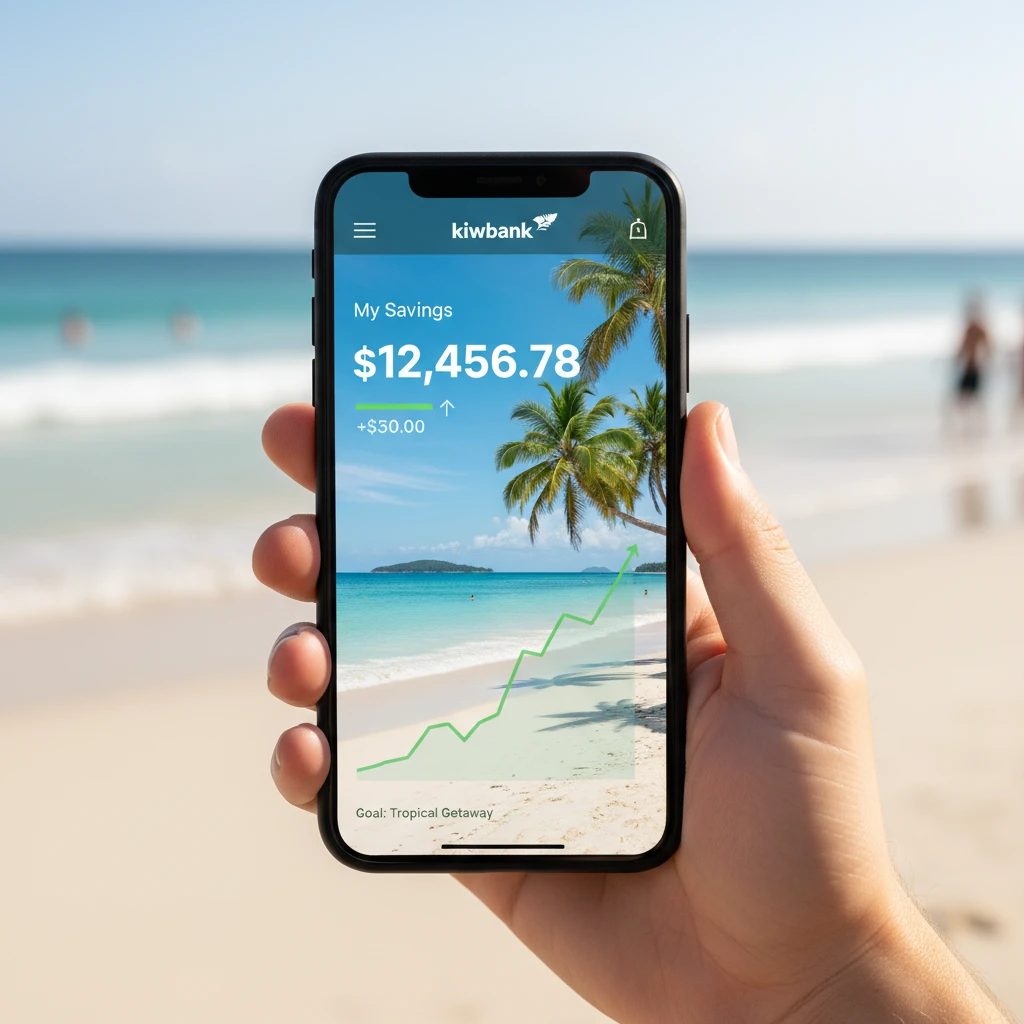
To replicate the success of Kiwisaver for your New Caledonia trip, you must create a parallel system. New Zealand banks offer various tools that can mimic the Kiwisaver experience. Start by opening a dedicated “Notice Saver” or a PIE (Portfolio Investment Entity) fund. These accounts often require a 32-day or 90-day notice period for withdrawals, which prevents impulsive spending on things other than your dream Noumea getaway.
Consider the “3% Rule.” Just as you contribute a percentage of your salary to Kiwisaver, set up an automatic transfer of 3% to 5% of your after-tax income into your travel account. Because this happens on payday, you adapt your lifestyle to the remaining balance. Over 12 months, a Kiwi earning the median salary can easily save enough for return flights to Noumea and several nights in a luxury resort through this method alone.
Another strategy is the “Rounding Up” feature provided by many NZ banks. Every time you buy a flat white or pay for groceries, the app rounds the transaction to the nearest dollar and sends the change to your holiday fund. It’s a micro-saving technique that, when combined with the “Kiwisaver mindset,” builds momentum toward your Pacific island goals.
Noumea on a budget
New Caledonia has a reputation for being an expensive destination, often compared to Paris prices in the middle of the Pacific. However, for the savvy New Zealander, Noumea can be surprisingly affordable if you avoid the typical tourist traps. The key is to live like a local (un habitant).

Instead of dining out for every meal, head to the local supermarkets like Casino or Carrefour. You can buy fresh French baguettes for less than two dollars, paired with high-quality brie and local fruits for a world-class picnic at Anse Vata beach. This approach can save you hundreds of dollars over a week-long stay. Additionally, the “Port Moselle Market” is the place to go for fresh seafood and produce at a fraction of the price of restaurant meals.
Transportation is another area where you can save. While taxis in Noumea are pricey, the “Taneo” bus system is efficient and covers most of the tourist areas and the city center. A single trip costs significantly less than a taxi, and the buses are modern and air-conditioned. For those staying longer, a multi-trip pass provides even better value. Walking is also a viable and beautiful option between Baie des Citrons and Anse Vata, which are connected by a scenic coastal promenade.
Affordable Accommodation in Noumea
While the overwater bungalows are tempting, Noumea offers several boutique hotels and self-catering apartments that are much friendlier to your holiday budget. Look for accommodations in the “Latin Quarter” or near Magenta if you don’t mind a short bus ride to the beach. Self-catering is particularly effective for Kiwis because it allows you to utilize those supermarket finds, reducing your daily food spend by up to 60%.
Currency exchange tips
New Caledonia uses the CFP Franc (XPF), which is pegged to the Euro. For New Zealanders, managing currency exchange is a critical part of the holiday budgeting process. Avoid exchanging money at the airport in Auckland or Noumea, as the spreads are typically the least favorable for travelers.
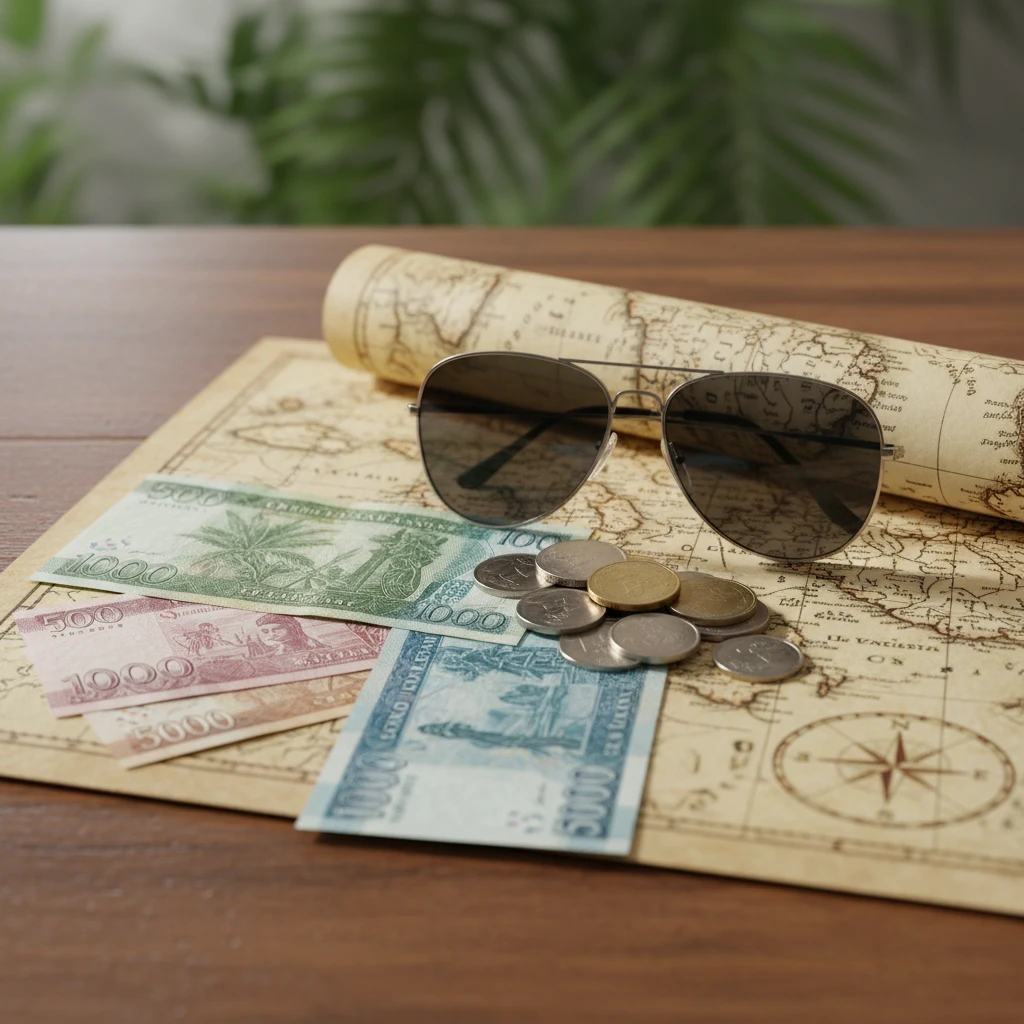
The most cost-effective way to handle money in New Caledonia is to use a travel card like Wise or Revolut. These cards allow you to hold XPF and convert your NZD at the mid-market rate with minimal fees. Most establishments in Noumea accept credit and debit cards, but having some cash is essential for market stalls and smaller boutiques. If you must withdraw cash, try to use an ATM attached to a major bank like BCI or BNP Paribas, and always choose to be charged in the local currency (XPF) rather than NZD to avoid poor dynamic currency conversion rates.
Keep an eye on the NZD to XPF exchange rate in the months leading up to your trip. If the Kiwi dollar strengthens, you can “lock in” your rates by transferring money to your travel card early. This is another way to apply the Kiwisaver principle of “dollar-cost averaging” to your travel planning.
Maximizing Value in the South Pacific
To truly get the most out of your holiday budget, timing is everything. New Caledonia’s peak season aligns with the NZ winter (June to August) and the Christmas holidays. If you can travel during the shoulder seasons—April to May or September to November—you will find significantly lower prices on flights and accommodation. The weather remains pleasant, and the crowds are thinner.

Furthermore, consider the value of “free” activities. New Caledonia boasts some of the world’s most beautiful public beaches and hiking trails. A day spent snorkeling at the Duck Island (Îlot Canard)—which only requires a short, inexpensive water taxi ride—offers a world-class marine experience for a fraction of the cost of a private charter. By balancing high-cost experiences with these low-cost gems, your “Kiwisaver-style” travel fund will stretch much further, allowing for a longer or more luxurious stay.
Ultimately, while Kiwisaver itself remains locked away for your future, the habits it teaches—consistency, automation, and long-term vision—are the exact tools needed to master holiday budgeting. By applying these to your New Caledonia adventure, you can enjoy the French Riviera of the Pacific without the financial hangover.
Can I withdraw Kiwisaver for a holiday?
No, Kiwisaver funds are legally restricted to retirement, first-home purchases, significant financial hardship, or permanent emigration. You cannot withdraw them for travel.
How much does a trip to New Caledonia cost from NZ?
A mid-range week-long trip typically costs between $2,500 and $4,000 NZD per person, including flights, accommodation, and dining, depending on your spending habits.
Is Noumea expensive for New Zealanders?
Noumea is generally more expensive than NZ for dining out and alcohol, but supermarket prices and public transport are comparable or even cheaper if you shop locally.
What is the best currency to take to New Caledonia?
The local currency is the CFP Franc (XPF). It is best to use a travel card like Wise for the best exchange rates or withdraw cash from local ATMs.
How can I save for a holiday like I do for Kiwisaver?
Set up an automatic payment to a separate, high-interest savings account on your payday, treating it as a non-negotiable “tax” for your future travel.
Are there budget-friendly hotels in Noumea?
Yes, look for 3-star hotels or self-catering apartments in the Latin Quarter or near Val Plaisance for better rates than the beachfront resorts.