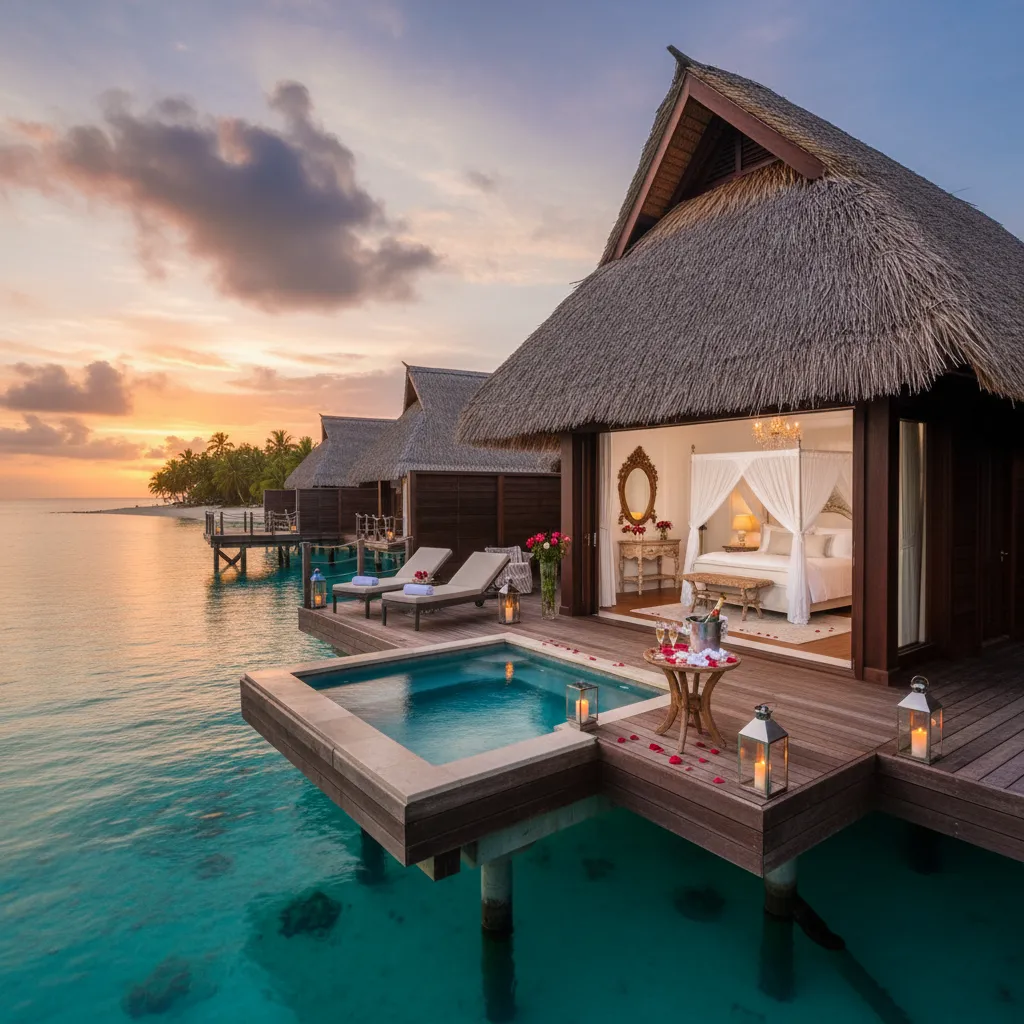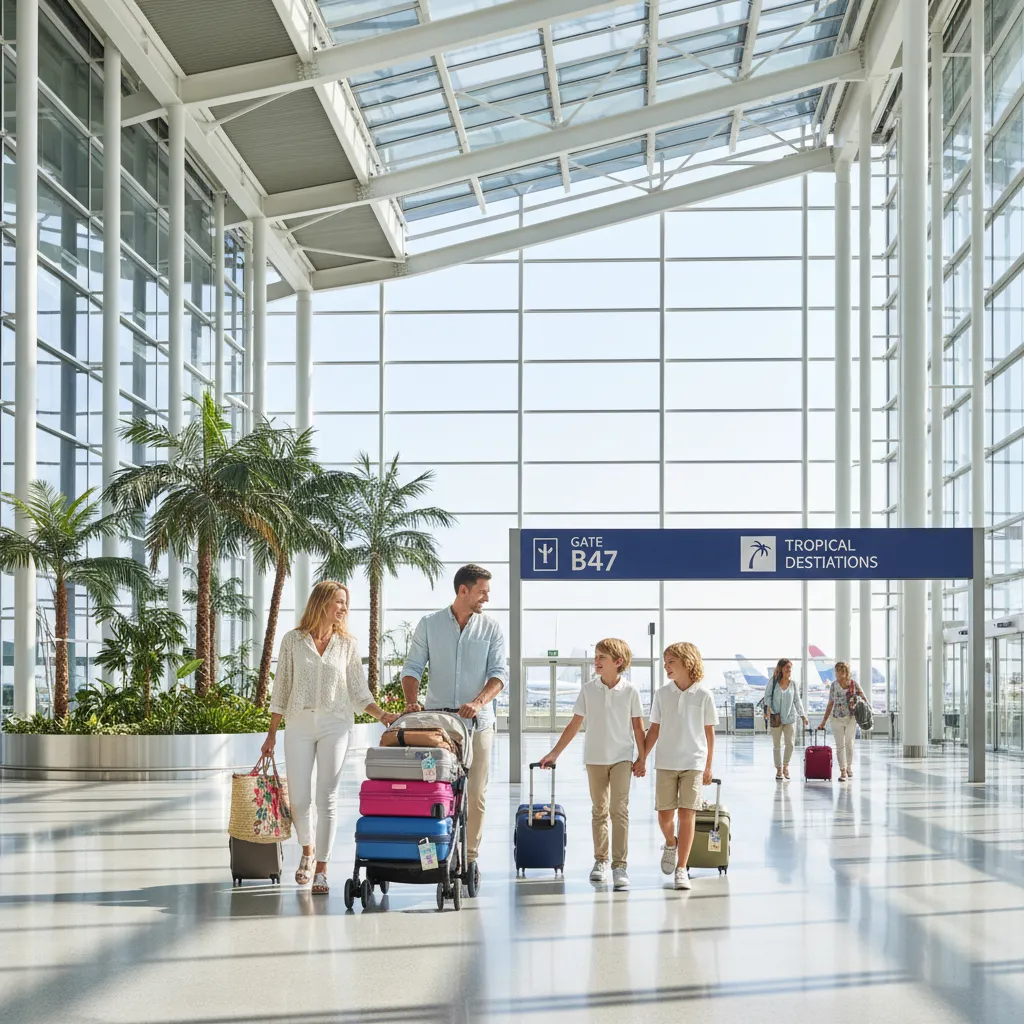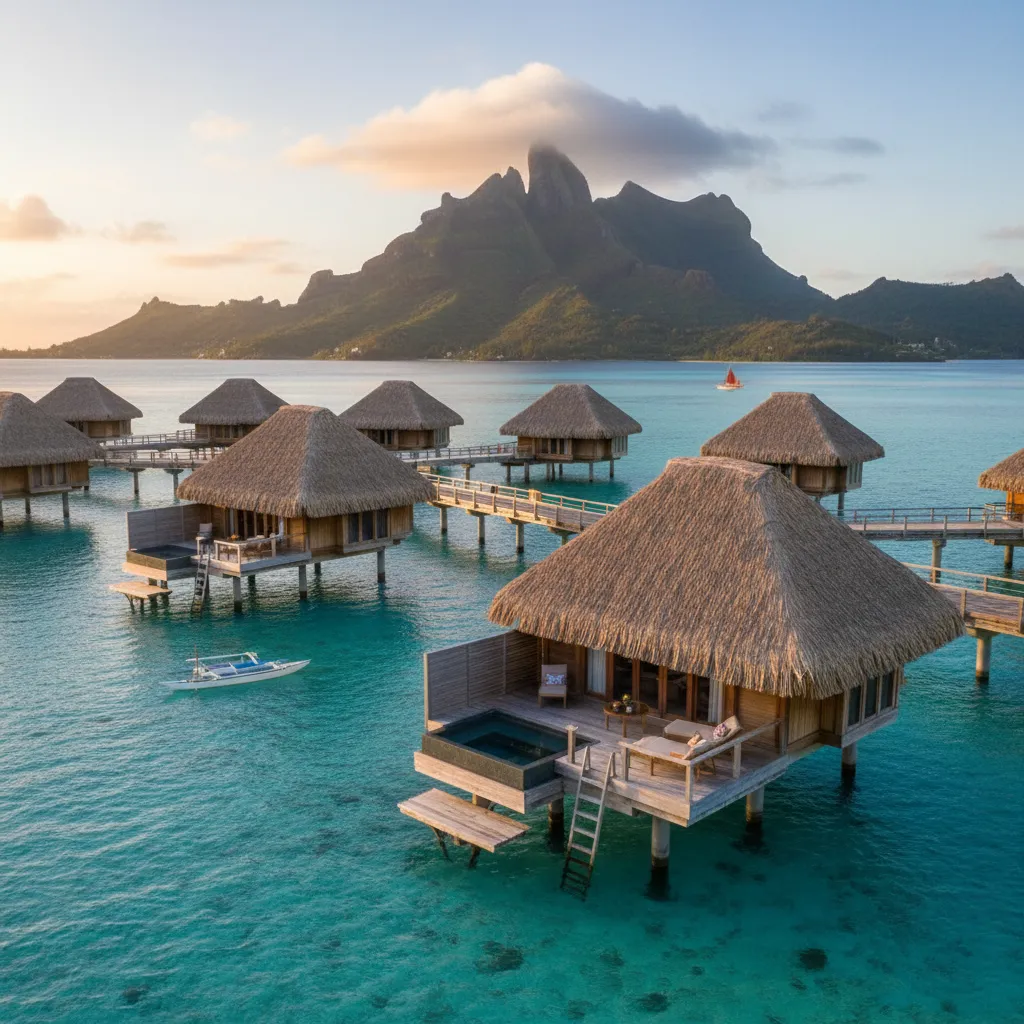
New Caledonia offers a unique fusion where sophisticated French culture meets relaxed Pacific island vibes. This French overseas territory blends European elegance—manifested through gourmet cuisine and boutique shopping—with the ancient Kanak heritage and turquoise lagoons of Melanesia, providing New Zealanders with a Mediterranean-style escape just a short three-hour flight from Auckland.
What is the ‘Paris of the Pacific’ experience?
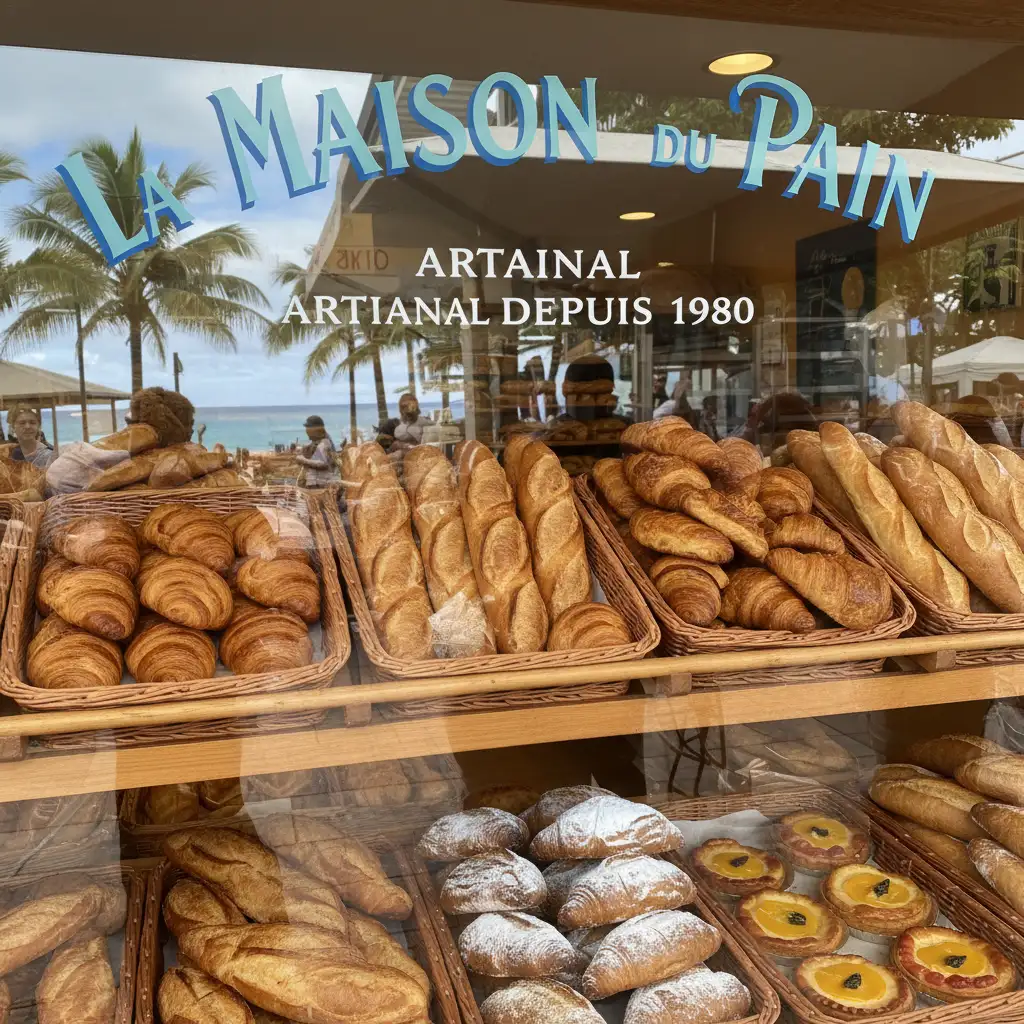
The moniker “Paris of the Pacific” is not merely a marketing slogan; it is a tangible atmosphere that greets every traveler arriving in Nouméa. For New Zealanders accustomed to the laid-back, Anglo-Pacific vibe of Fiji or the Cook Islands, Nouméa presents a startling and delightful contrast. It is a place where the scent of freshly baked baguettes wafts through the humid tropical air and where the chic aesthetic of the Côte d’Azur meets the swaying palms of the South Seas.
Walking through the districts of Anse Vata or Baie des Citrons, you will find a lifestyle that prioritizes the “Art de Vivre” (the art of living). Waterfront bistros serve authentic escargot and foie gras alongside local catch-of-the-day mahi-mahi, all paired with exquisite French wines that are often more affordable than those found in Auckland supermarkets. The architecture in the older quarters, such as Faubourg Blanchot, features charming colonial-style timber houses with wrap-around verandas, reminiscent of a bygone era of French elegance.
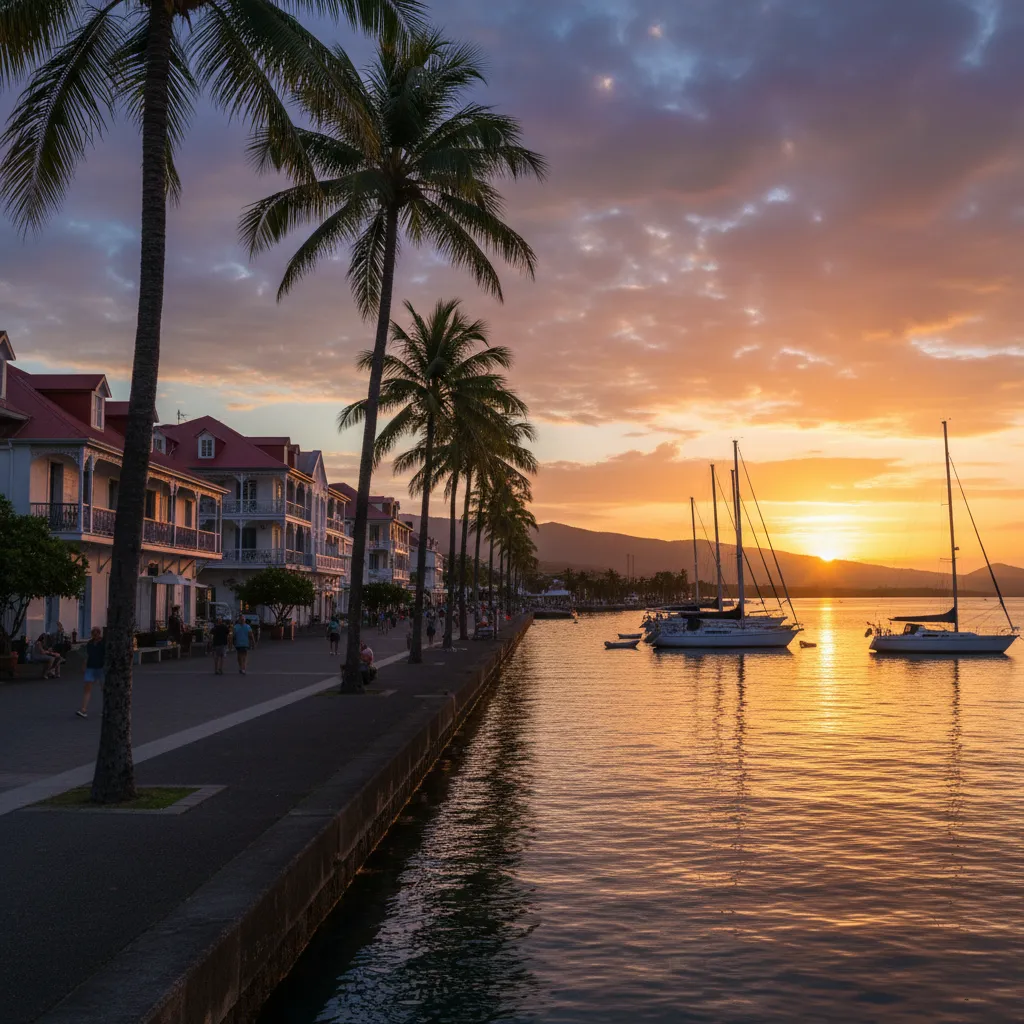
The shopping experience further cements this reputation. In the city center, particularly around the Place des Cocotiers, you will find luxury French brands and boutiques stocked with the latest European fashions. For Kiwis, this offers a dual-purpose holiday: a tropical beach getaway combined with a high-end European city break. The rhythm of life here follows the French clock, with a midday siesta where many shops close for a long lunch, encouraging visitors to slow down and enjoy a multi-course meal at a leisurely pace.
Understanding Kanak Heritage vs French Influence
To truly understand New Caledonia, one must look beyond the French facade and recognize the deep, enduring roots of the Kanak people, the indigenous Melanesian inhabitants of the archipelago. The cultural landscape is a delicate and fascinating balancing act between these two worlds. While the French influence provides the administrative and culinary framework, the Kanak heritage provides the soul and the ancient connection to the land.
The Melanesian Roots and La Coutume
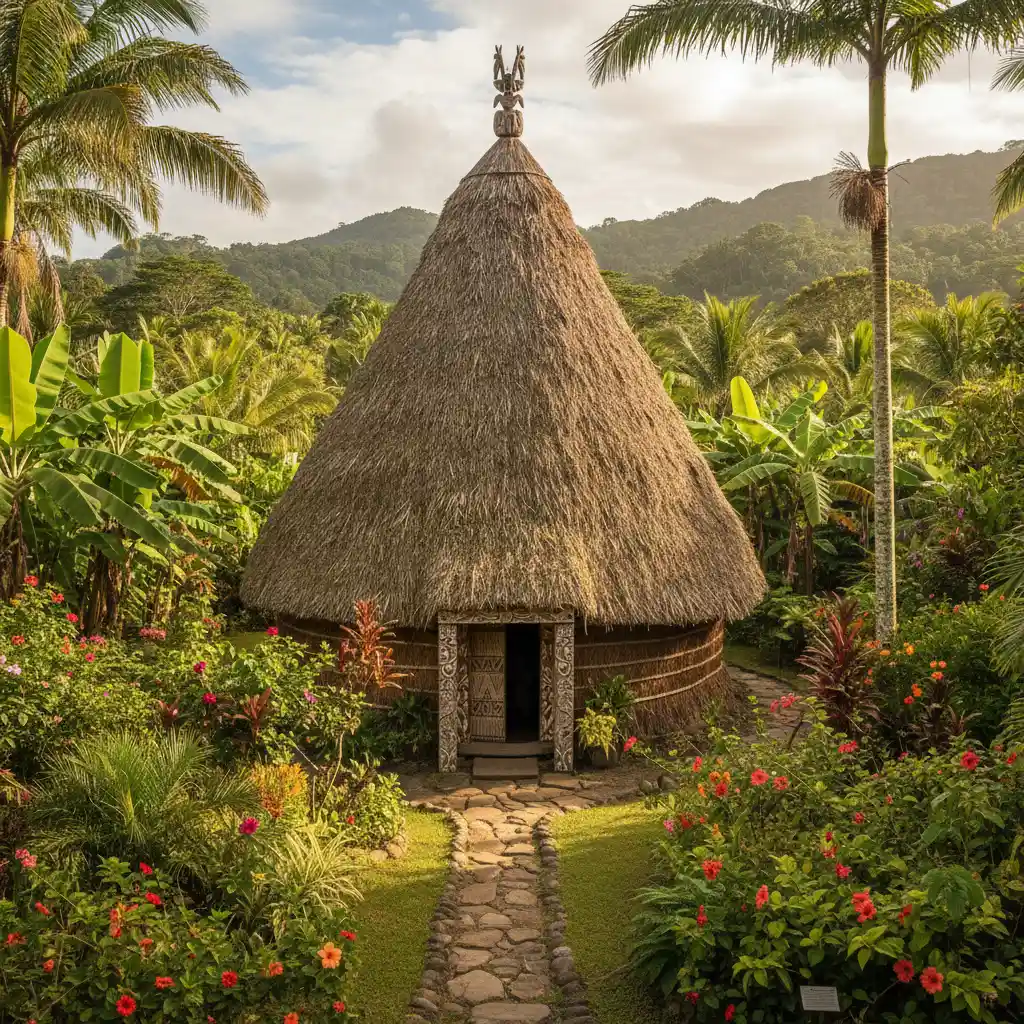
Kanak culture is built on a foundation of clan structures, ancestral spirits, and a profound respect for nature. For a traveler, the most striking manifestation of this is the architecture of the “Grande Case”—a tall, conical thatched hut that serves as the heart of tribal life. Unlike the individualistic nature of Western culture, Kanak society is deeply communal. One of the most important aspects of visiting tribal lands is the practice of “La Coutume” (The Custom). This involves a small ritual where visitors present a symbolic gift—often a piece of fabric (manou), some tobacco, or a small amount of money—to the local chief to show respect and ask for permission to enter their land. It is a beautiful, grounding experience that reminds travelers they are guests in an ancient territory.
The French Colonial Legacy
On the other side of the spectrum is the French influence, which dates back to the mid-19th century. This legacy is seen in the legal system, the education framework, and most visibly, the culinary scene. The French have brought a level of sophistication to the Pacific that is unique to this territory. However, this is not a static colonial relic; it is a living, breathing culture. You see it in the pétanque games played under the palm trees and the vibrant festivals that celebrate everything from French cheese to the local yam harvest. The tension and synthesis between these two cultures—the European and the Melanesian—create a dynamic environment that is far more complex and rewarding than a standard resort destination.
How to Navigate Language Barriers for Kiwis
One of the most common concerns for New Zealand travelers is the language barrier. French is the official language, and while English is taught in schools, it is not as widely spoken as it is in other Pacific hubs. However, this should be viewed as part of the adventure rather than a hurdle. In the main tourist areas of Nouméa, such as the major hotels and popular restaurants in Anse Vata, you will find plenty of staff who speak excellent English.
As you move further afield to the Loyalty Islands or the rural parts of the main island (Grande Terre), English proficiency drops significantly. For Kiwis, a little effort goes a long way. Learning basic phrases like “Bonjour” (Good morning), “Merci” (Thank you), and “S’il vous plaît” (Please) is not just practical; it is a sign of respect that is deeply appreciated by the locals. The French culture places a high value on politeness and formal greetings, so starting a conversation with a friendly “Bonjour” will often open doors and lead to much more helpful interactions.
In recent years, the New Caledonian tourism industry has made significant strides in catering to the Australasian market. Many menus are now bilingual, and excursion operators are increasingly comfortable providing instructions in English. For the tech-savvy traveler, offline translation apps are a godsend, but don’t underestimate the power of a smile and some creative miming. Most New Caledonians are incredibly patient and will go out of their way to help a visitor who is trying to bridge the linguistic gap.
Atmosphere in Nouméa vs the Islands
The experience of New Caledonia is often a tale of two distinct environments: the urban chic of Nouméa and the raw, untouched beauty of the outer islands. Deciding how to split your time between these two is the key to a successful trip.
Nouméa: The Urban Chic
Nouméa feels like a slice of a French coastal city transported to the tropics. It is vibrant, busy, and full of energy. The nightlife at Baie des Citrons is a highlight, where bars and clubs stay open late and the atmosphere is one of sophisticated celebration. During the day, the city offers world-class museums, such as the Tjibaou Cultural Centre—an architectural masterpiece designed by Renzo Piano that houses the world’s most significant collection of Kanak art. Nouméa is where you go for the shopping, the gourmet dining, and the convenience of modern amenities. It is the perfect base for those who want a “city-meets-sea” holiday.
The Islands: Pure Pacific Tranquility
However, if you are looking for the quintessential “island vibe,” you must leave the capital behind. Places like the Isle of Pines (Île des Pins) and the Loyalty Islands (Lifou, Maré, and Ouvéa) offer a completely different pace. On the Isle of Pines, the atmosphere is ethereal. The iconic columnar pines line the white sand beaches of Upi Bay, and the “Natural Aquarium” at Oro Bay provides some of the best snorkeling in the world.
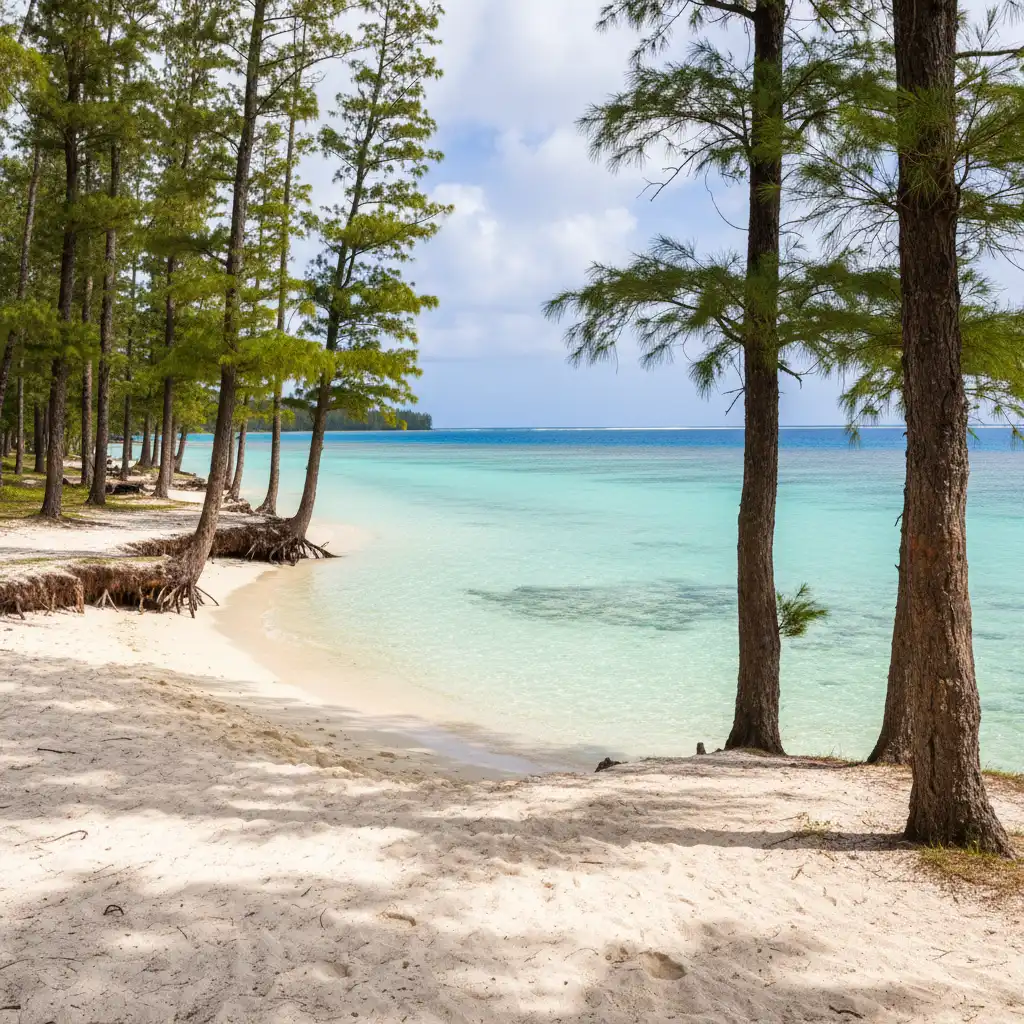
In the Loyalty Islands, the vibe is even more laid-back. There are fewer hotels and more tribal homestays, allowing for a deeper immersion into the Kanak way of life. Here, the “island vibes” are characterized by silence, the sound of the wind through the coconut palms, and the incredible hospitality of the local clans. Lifou is famous for its dramatic cliffs and hidden caves, while Ouvéa boasts a continuous 25-kilometer stretch of white sand beach that is often cited as the most beautiful in the Pacific. In these locations, the French influence recedes, and the Melanesian connection to the land and sea takes center stage.
Practical Travel Tips for New Zealanders
Planning a trip to New Caledonia from New Zealand is relatively straightforward, but there are some nuances to keep in mind.
- Flights: Aircalin and Air New Zealand operate direct flights from Auckland to Nouméa. The flight time is approximately 3 hours, making it one of the closest international destinations for Kiwis.
- Currency: The currency is the CFP Franc (XPF). It is fixed to the Euro, which means the exchange rate is relatively stable. Credit cards are widely accepted in Nouméa, but you will need cash for the outer islands and local markets.
- Cost: New Caledonia is often perceived as expensive. While dining out can be pricier than in NZ, the quality is exceptional. To save money, consider shopping at local supermarkets (like Casino or Carrefour) for picnic supplies and French cheeses.
- Best Time to Visit: The climate is pleasant year-round. The “cool” season from May to September offers temperatures in the low 20s, perfect for hiking and exploring. The warmer months from October to April are ideal for swimming and diving, though it can be more humid.
- Driving: They drive on the right side of the road in New Caledonia. If you are renting a car to explore Grande Terre, be prepared for well-maintained roads but different traffic rules than at home.
By embracing both the French sophistication and the Pacific soul, New Zealanders can experience a holiday that feels worlds away from home, yet is right on our doorstep. Whether you are sipping champagne on a Nouméa terrace or sharing a traditional Bougna meal with a Kanak family, New Caledonia offers a duality that is truly unique in the South Pacific.
People Also Ask
Is New Caledonia expensive for New Zealanders?
It can be more expensive than Fiji or Rarotonga, particularly for dining and alcohol, as many goods are imported from France. However, the proximity to NZ means lower flight costs, and savvy travelers can save by utilizing local markets and bakeries for meals.
Do New Zealand citizens need a visa for New Caledonia?
No, New Zealand passport holders do not currently require a visa for short stays (up to 90 days) for tourism purposes in New Caledonia.
Is English widely spoken in New Caledonia?
French is the official language. While English is spoken in major tourist hubs and hotels, it is less common in rural areas and outer islands. Learning basic French phrases is highly recommended.
What is the best time of year to visit New Caledonia?
The best time is generally from September to November when the weather is warm and dry. However, the period from May to August is also popular for those who prefer milder temperatures for outdoor activities.
Can I use New Zealand dollars in New Caledonia?
No, you will need to use the local currency, the CFP Franc (XPF). It is best to withdraw cash from ATMs upon arrival or exchange currency before you leave New Zealand.
How long is the flight from Auckland to Nouméa?
The direct flight from Auckland to Nouméa’s La Tontouta International Airport takes approximately 2 hours and 45 minutes to 3 hours.