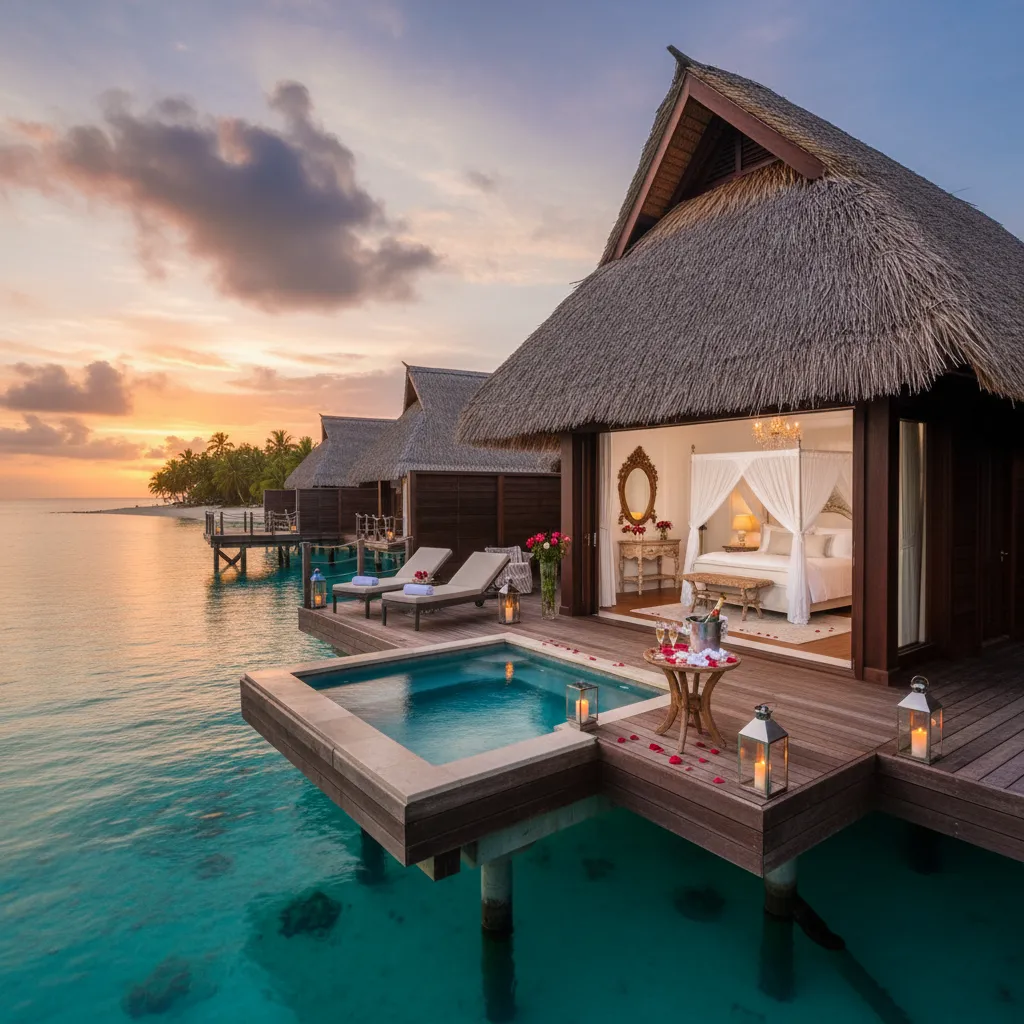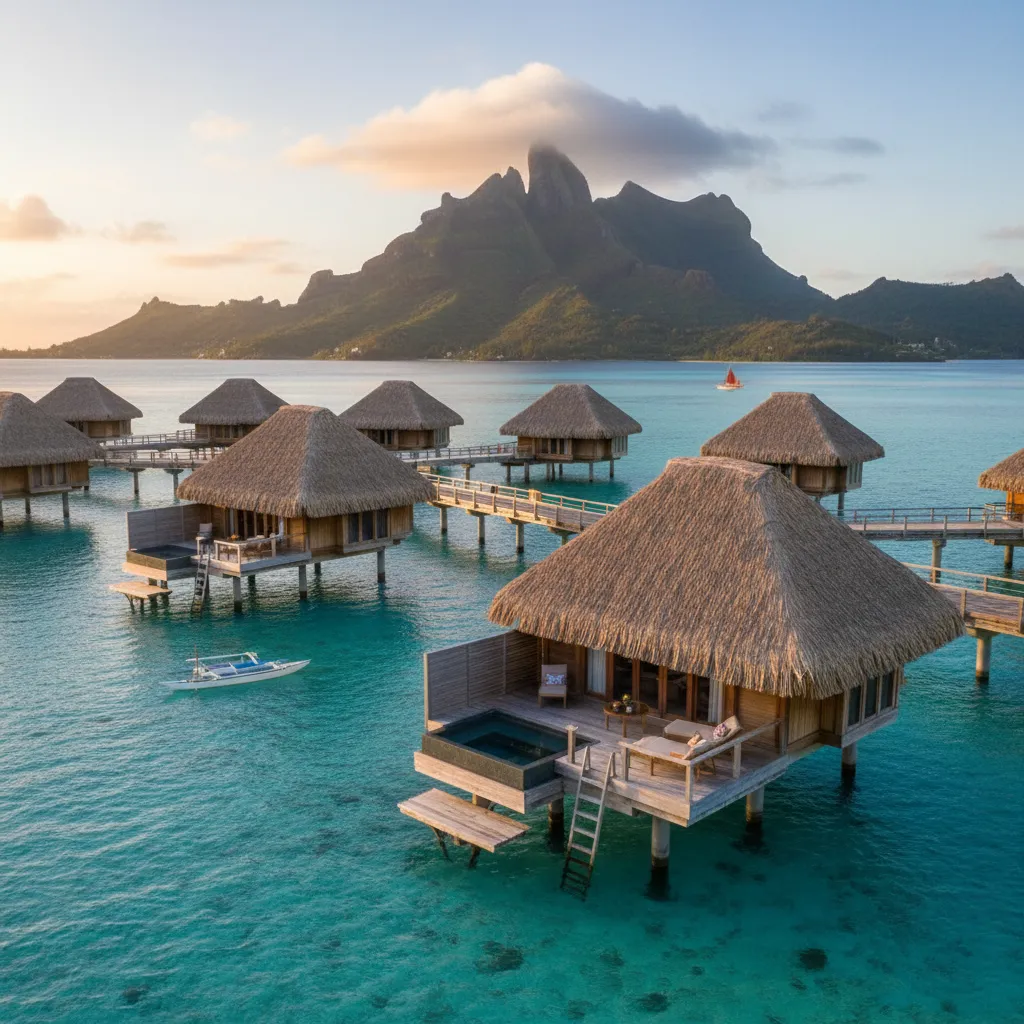
New Caledonia is generally more expensive than Fiji, with daily costs averaging 30% to 50% higher for New Zealand travelers. While Fiji offers a broad spectrum of budget-to-luxury options, New Caledonia operates on a French economic model, resulting in higher price points for dining, alcohol, and local transportation in Noumea compared to Nadi.
Daily Spending Estimates: New Caledonia vs Fiji
When planning a getaway from New Zealand, understanding the daily financial commitment is crucial for choosing between these two Pacific gems. New Caledonia, a French overseas territory, utilizes the CFP Franc (XPF), which is pegged to the Euro. This creates a price floor that aligns more closely with European cities like Marseille or Lyon than with its Pacific neighbors. In contrast, Fiji operates on the Fijian Dollar (FJD), which traditionally offers a favorable exchange rate for the New Zealand Dollar (NZD).
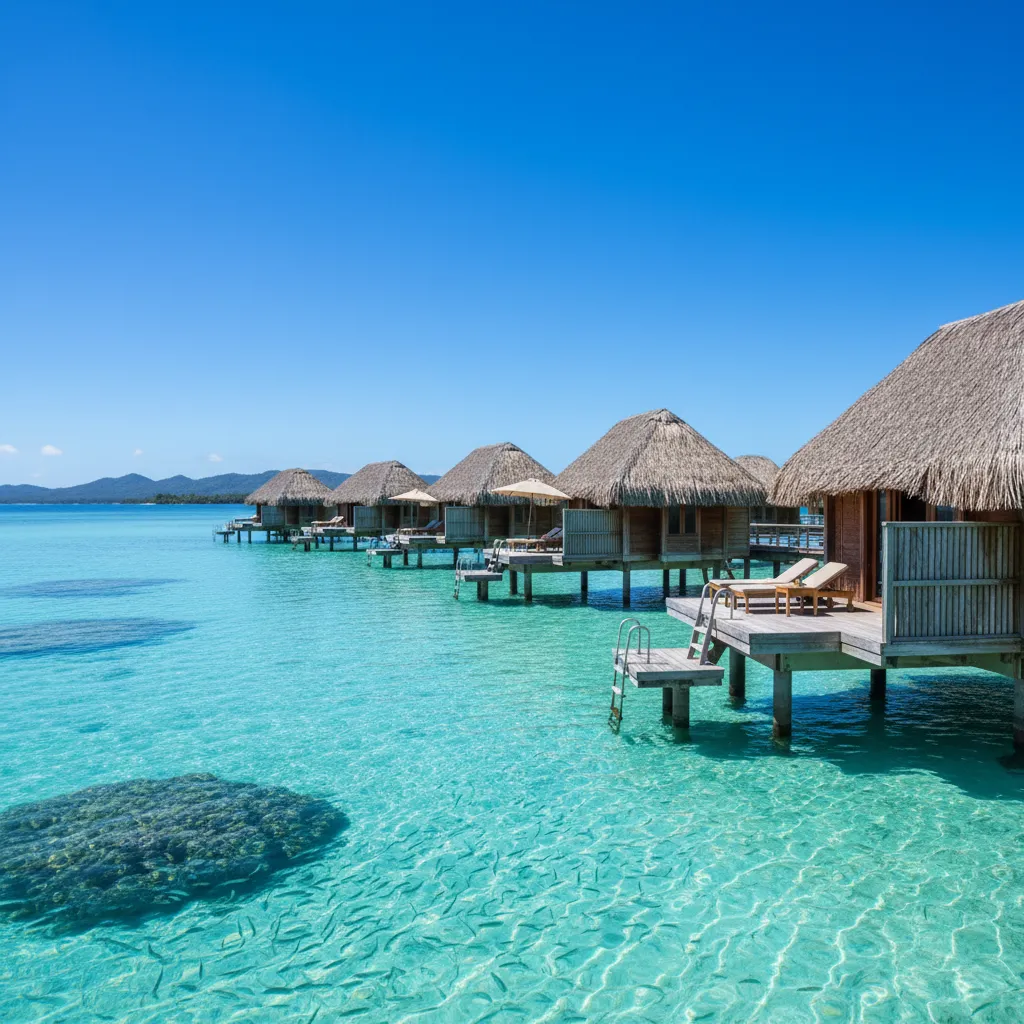
For a mid-range traveler, a daily budget in Fiji typically hovers around $200–$250 NZD per person, covering a comfortable resort stay, two restaurant meals, and a guided activity. In New Caledonia, that same level of comfort usually requires a budget of $350–$450 NZD. The discrepancy is most visible in the ‘low-end’ of the market; Fiji has a robust backpacker and budget-friendly infrastructure that is almost non-existent in New Caledonia, where even ‘budget’ hotels in Noumea can exceed $180 NZD per night.
Food and Beverage Prices: A Culinary Comparison
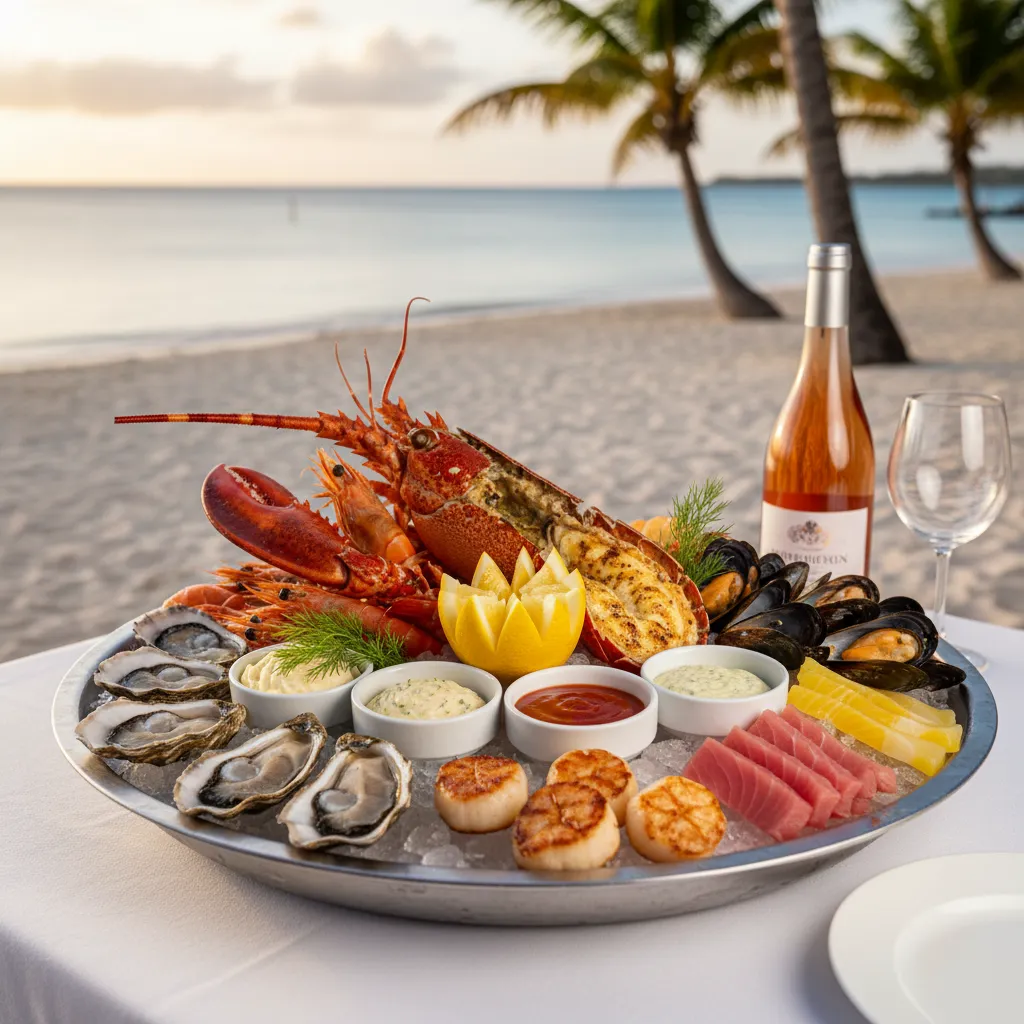
The culinary landscape in New Caledonia is one of its primary draws, offering authentic French gastronomy in the heart of the Pacific. However, this comes at a premium. A standard cafe au lait and a croissant in a Noumea boulangerie will cost roughly $10–$12 NZD. A three-course dinner at a reputable French restaurant in the Baie des Citrons can easily reach $100–$130 NZD per person excluding wine.
Fiji’s food scene is more varied in terms of price. While luxury resorts charge ‘international’ prices (often $40–$60 NZD for a main course), local eateries in Nadi or Suva offer hearty portions of Indo-Fijian curry or fresh seafood for under $20 NZD. Alcohol is another major differentiator. Due to high import taxes, a glass of French wine in Noumea is often cheaper than a beer, yet both will likely cost more than a Fiji Gold or Vonu beer in a local Fijian bar.
The Supermarket Factor
One area where New Caledonia provides a unique experience is the supermarket. Shops like Carrefour and Casino offer high-quality French cheeses, pâtés, and wines at prices that are surprisingly competitive with New Zealand’s boutique grocers. Many Kiwi travelers find that they can offset the high cost of dining out by ‘picnicking’ on world-class French produce, a strategy that is less effective in Fiji where supermarket variety is often more limited to staples.
Activity and Excursion Costs
Both destinations offer world-class marine experiences, but the pricing structures for these activities differ significantly. In Fiji, a half-day snorkeling trip to the Mamanuca Islands might cost around $90–$120 NZD, often including lunch and equipment. In New Caledonia, a water taxi to the popular Phare Amédée or Îlot Maître typically starts at $100 NZD just for the transport, with full-day tours often exceeding $220 NZD.
Diving is another area where New Caledonia price points vs Fiji become apparent. New Caledonia boasts the world’s largest lagoon and second-largest coral reef, but a two-tank dive will usually cost 20-30% more than a similar experience in Fiji’s Beqa Lagoon or the Rainbow Reef. The reason is largely labor costs; New Caledonian dive instructors and boat captains are paid according to French labor laws, which include higher minimum wages and social contributions compared to the Fijian labor market.
Hidden Savings in Noumea for Kiwi Travelers
While the headline figures suggest New Caledonia is the more expensive choice, there are strategic ways to find value. For New Zealanders, the proximity and flight frequency can sometimes lead to cheaper airfares via Aircalin compared to Fiji Airways, especially during shoulder seasons.
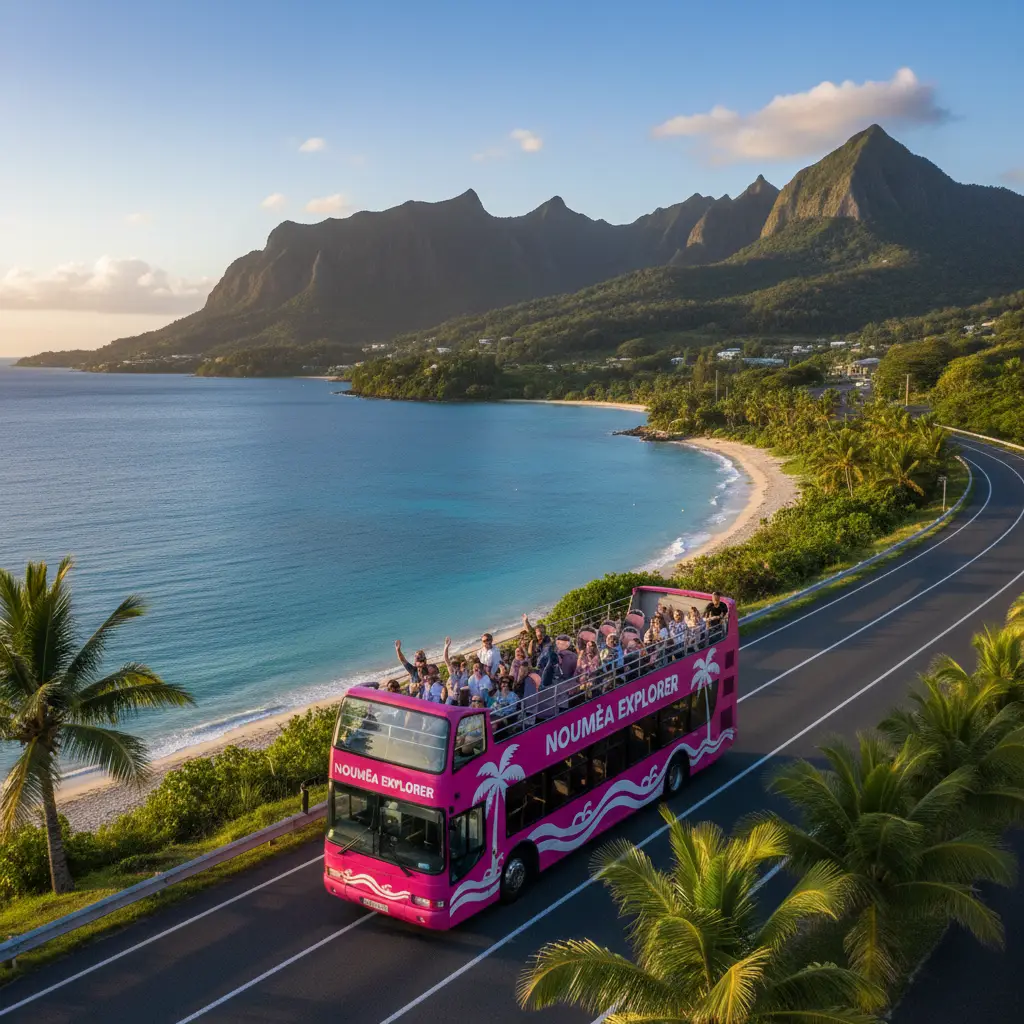
The public transport system in Noumea, known as Tanéo, is exceptionally efficient and affordable. A single trip costs approximately $2.50 NZD, allowing travelers to bypass expensive taxis (which can cost $40 NZD for a short cross-town trip). Furthermore, many of Noumea’s best beaches, such as Anse Vata and Baie des Citrons, are entirely free and public, whereas some of Fiji’s best beaches are restricted to resort guests or require a ‘day pass’ fee.
Accommodation Value and Resort Pricing
Fiji is the king of the ‘all-inclusive’ or ‘meal plan’ model. This allows travelers to lock in their costs before they even leave Auckland or Christchurch. New Caledonia, conversely, tends to follow the European ‘room only’ or ‘bed and breakfast’ model. For a family of four, the Fijian model is almost always more cost-effective because it eliminates the variable cost of expensive resort meals.
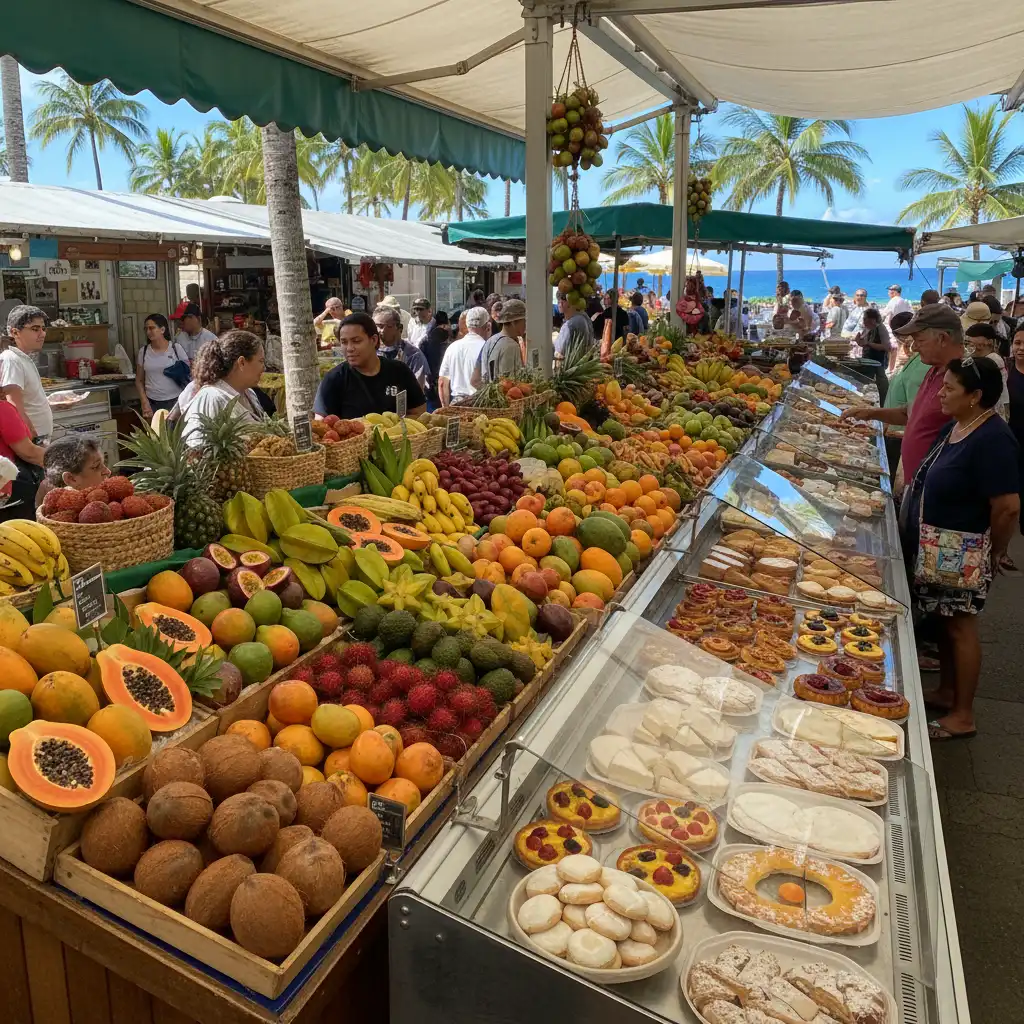
However, for couples seeking a self-catering ‘apartment-style’ stay, Noumea offers many high-quality apart-hotels. These units come with full kitchens, allowing you to cook your own meals using fresh ingredients from the Port Moselle Market. This ‘live like a local’ approach can bring the total trip cost of a New Caledonia holiday much closer to a Fiji vacation, provided you are willing to forego the full-service resort experience.
Transport and Logistics: Getting Around
Car rentals are a popular way to see the ‘Grande Terre’ (the main island of New Caledonia). While the daily rental rate is comparable to New Zealand (approx. $80–$110 NZD), fuel is priced similarly to European levels. In Fiji, most travelers rely on resort transfers or private drivers. While a private driver in Fiji might cost $150 NZD for a full day, the equivalent private service in New Caledonia would be significantly higher, making self-driving or public buses the only viable ‘budget’ options in the French territory.
Summary of Price Points
To summarize, Fiji remains the more accessible destination for the average New Zealand family or budget-conscious traveler. New Caledonia should be viewed as a premium destination that offers a unique cultural ‘slice of France’ in the Pacific. If your priority is ‘value for money’ and ‘all-inclusive ease,’ Fiji wins. If your priority is ‘gastronomy,’ ‘European culture,’ and ‘sophisticated infrastructure,’ the higher price point of New Caledonia may be a price worth paying.
Is the New Zealand Dollar strong in New Caledonia?
The NZD is relatively stable against the CFP Franc (XPF), but because the XPF is pegged to the Euro, the purchasing power is generally lower than it is in Fiji or the Cook Islands.
Do I need to tip in New Caledonia vs Fiji?
Tipping is not a standard practice in New Caledonia, similar to France. In Fiji, tipping is also not required, but a ‘staff Christmas fund’ box is common in resorts.
Can I use NZD in Noumea?
No, you must use CFP Francs (XPF) or a credit card. In Fiji, while FJD is the official currency, some large resorts may show prices in AUD or NZD, though they settle in FJD.
Which island is cheaper for a honeymoon?
Fiji offers better value for traditional luxury (overwater bungalows/all-inclusive). New Caledonia is better for couples who want a sophisticated, self-guided ‘city and beach’ hybrid experience.
Are groceries expensive in New Caledonia?
Imported goods from France (cheese, wine) are surprisingly affordable, but fresh produce can be expensive if it is out of season. It is generally more expensive than NZ supermarkets.
Is it cheaper to fly to Fiji or New Caledonia from NZ?
Fiji usually has more frequent flights and lower prices due to competition between Air NZ and Fiji Airways. Aircalin offers competitive deals to Noumea, but flight frequency is lower.