New Caledonia currency exchange involves converting your home currency into the CFP Franc (XPF), which is pegged to the Euro. Travelers can exchange money at La Tontouta International Airport, local banks in Noumea, or withdraw XPF directly from ATMs using international debit cards. Major credit cards are widely accepted across the main islands for most transactions.
Understanding the CFP Franc (XPF)
Before landing in the stunning archipelago of New Caledonia, it is essential to understand the local monetary system. The official currency is the CFP Franc (Change Franc Pacifique), abbreviated as XPF. This currency is also used in French Polynesia and Wallis and Futuna. A critical point for international travelers to note is that the XPF is pegged to the Euro at a fixed rate (1,000 XPF = 8.38 EUR). This stability makes it easier to track exchange rates if you are familiar with European markets.
New Caledonia is a unique blend of French sophistication and Melanesian tradition. While the economy is modern, especially in the capital city of Noumea, cash remains king in the outer islands and local markets. Understanding the nuances of New Caledonia currency exchange will ensure your transition from the airport to the beach is seamless and stress-free.
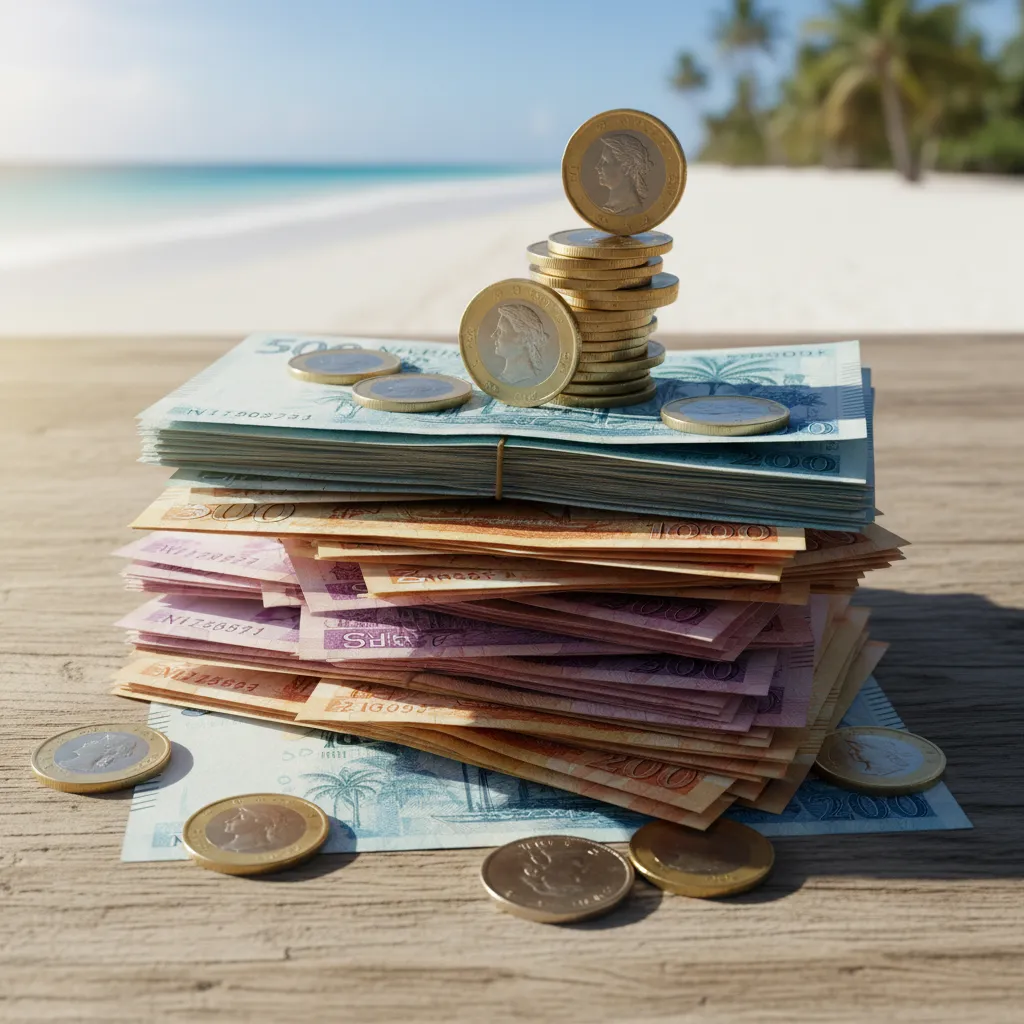
Where to Exchange NZD to XPF
For travelers arriving from New Zealand, the question of where to exchange NZD to XPF is a priority. There are three primary avenues: pre-departure in New Zealand, arrival at the airport, and city-center banks.
Exchanging Money Before You Depart
While some major banks in Auckland or Wellington may carry XPF, it is often considered a ‘specialist’ currency. You may need to order it several days in advance. The exchange rates offered by New Zealand retail banks are generally less favorable than those you will find upon arrival in Noumea. However, carrying a small amount of cash (around 5,000 to 10,000 XPF) for immediate needs provides peace of mind.
Currency Exchange at La Tontouta Airport
Upon landing at La Tontouta International Airport (NOU), you will find currency exchange booths operated by local banks like BCI. These booths are timed to coincide with international flight arrivals. While convenient, these kiosks often charge a flat commission fee per transaction. If you are exchanging a large amount of NZD, this fee is negligible, but for smaller amounts, it can eat into your budget.
Exchanging Cash in Noumea City Center
If you have brought cash (NZD, AUD, or USD) and didn’t exchange it at the airport, the banks in central Noumea are your best bet. Look for BCI (Banque de Nouvelle-Calédonie), BNC, or Société Générale. These institutions offer competitive rates, but be prepared for a formal process. You must present your passport for all currency exchange transactions in New Caledonia. Note that banks are typically closed on weekends and public holidays.
ATM Availability at Tontouta International Airport
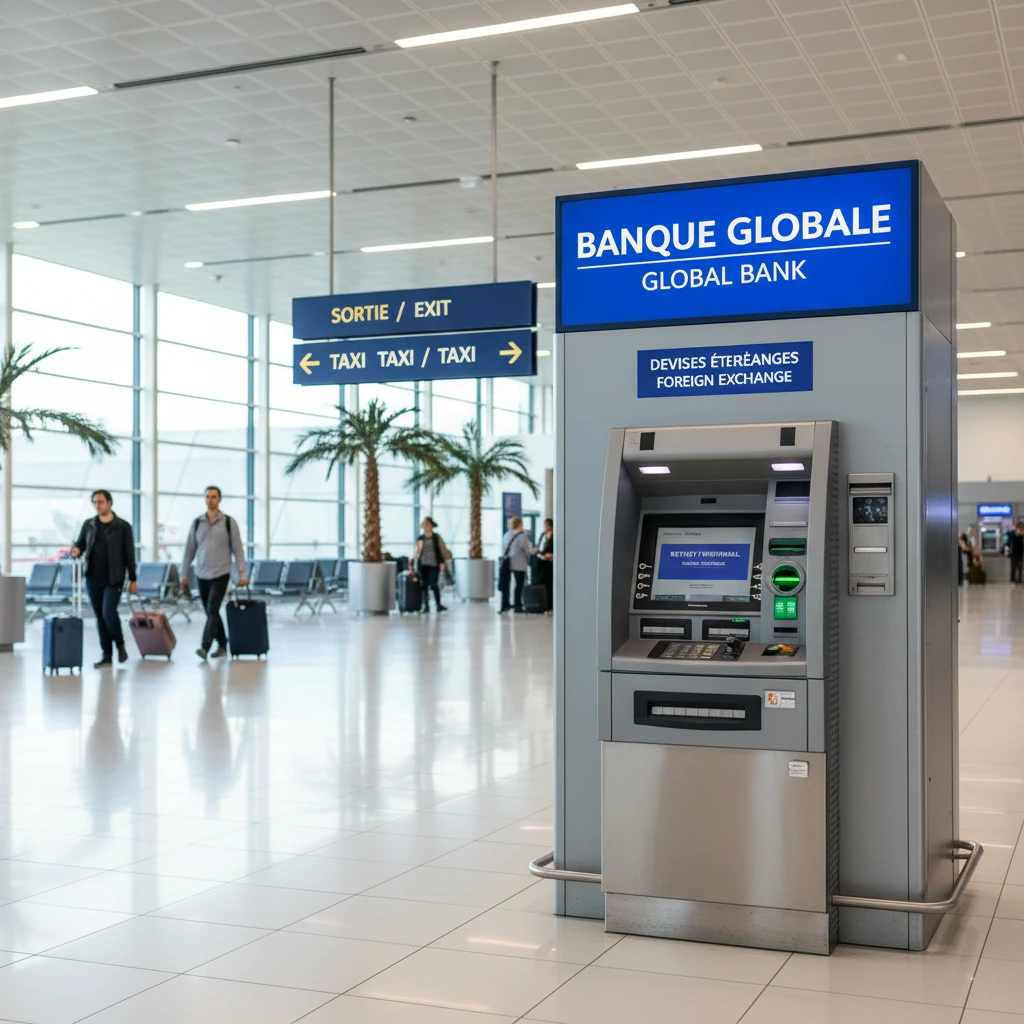
For many modern travelers, the easiest way to handle New Caledonia currency exchange is to skip the physical cash trade and head straight for an ATM (distributeur de billets).
Locating ATMs Upon Arrival
La Tontouta International Airport is well-equipped with several ATMs located in the arrivals hall. These machines accept most international cards, including Visa, Mastercard, and Cirrus. Using an ATM at the airport is often the most cost-effective method of obtaining XPF because you receive the ‘interbank’ exchange rate, which is usually better than the retail rate offered at exchange booths.
Withdrawal Limits and Fees
Be aware that local ATMs may have withdrawal limits, often ranging between 30,000 and 60,000 XPF per transaction. Additionally, your home bank in New Zealand or elsewhere will likely charge an international withdrawal fee (typically $5 – $10 NZD) plus a foreign exchange margin. To maximize value, it is better to make one large withdrawal rather than several small ones.
Using NZ Bank Cards in Noumea
New Zealand travelers will find that their standard debit and credit cards are widely accepted throughout Noumea and major tourist hubs like the Isle of Pines and Bourail. However, there are technical and financial considerations to keep in mind.
Credit vs. Debit Cards
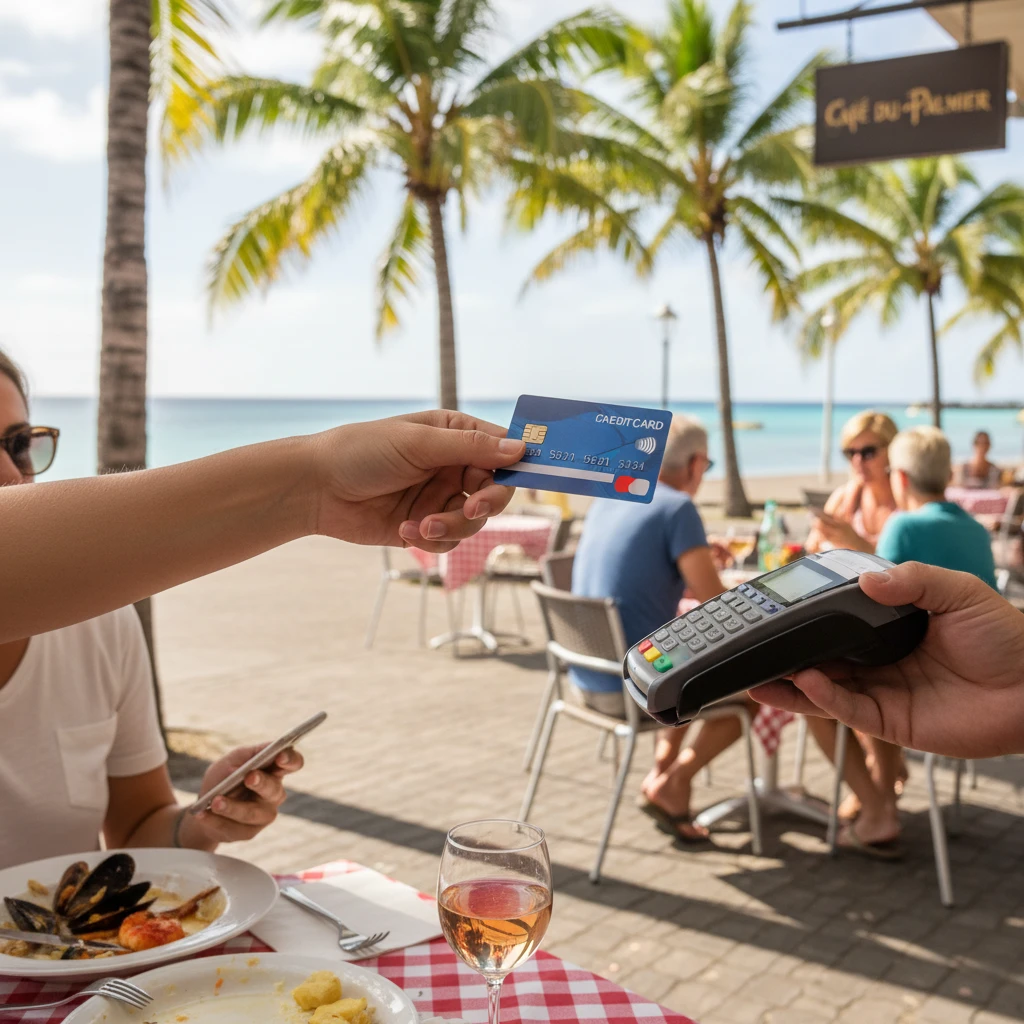
Visa and Mastercard are the most widely accepted. American Express is accepted in high-end hotels and some luxury boutiques but is less common in local eateries. Most terminals in New Caledonia use the ‘Chip and PIN’ system. If your card only has a magnetic stripe, you may encounter difficulties at unmanned kiosks, such as petrol stations or automated ticket machines.
Transaction Fees and Dynamic Currency Conversion
When using your NZ bank card at a restaurant or shop, you may be asked if you want to pay in XPF or NZD. This is known as Dynamic Currency Conversion (DCC). Always choose to pay in the local currency (XPF). Choosing NZD allows the merchant’s bank to set the exchange rate, which is almost always worse than the rate your own bank would provide.
Banking Infrastructure and Hours
New Caledonia has a robust and sophisticated banking sector, heavily influenced by the French banking model. This ensures a high level of security and reliability for travelers.
Major Banks in the Territory
The three main banks you will see are:
1. BCI (Banque de Nouvelle-Calédonie): The largest network with the most ATMs.
2. BNC (Banque de Nouvelle-Calédonie): Widely available in Noumea.
3. Société Générale: A familiar name for those who have traveled to France.
Standard Operating Hours
Banking hours in New Caledonia can be a surprise to those used to the 9-to-5 schedule. Most banks are open from 7:30 AM to 3:45 PM, Monday through Friday. Many branches close for a long lunch break, typically between 11:30 AM and 1:30 PM. If you need to perform an in-person transaction, it is vital to plan around these midday closures.
Tipping Customs and Cultural Etiquette
One of the most common questions regarding New Caledonia currency exchange is how much of that cash should be used for tips. Unlike the United States or even Australia and New Zealand to an extent, New Caledonia does not have a strong tipping culture.
Is Tipping Expected?
In short: No. Tipping is not expected in New Caledonia. Service charges are typically included in the price of your meal or hotel stay. In French culture, which heavily influences the territory, hospitality workers are paid a living wage, and the price on the menu is the price you pay.
When You Might Choose to Tip
While not expected, a small tip for exceptional service is always appreciated but never demanded. If you are at a high-end restaurant in Anse Vata or Lemon Bay and the service was exemplary, rounding up the bill or leaving a few hundred XPF is a kind gesture. Similarly, for tour guides who provide an outstanding experience in the Blue River Park, a small gratuity is a nice way to show appreciation.
Budgeting for Your New Caledonia Trip
New Caledonia is often perceived as an expensive destination, primarily because many goods are imported from France. Effective money management starts with a realistic budget.
Average Daily Costs
A mid-range traveler should budget approximately 15,000 to 20,000 XPF per person, per day. This covers accommodation, two meals out, and some local transport or activities. If you plan on fine dining and private boat charters, this can easily double. To save money, consider shopping at local supermarkets like Casino or Carrefour for snacks and drinks, as restaurant prices for beverages can be high.
The Importance of Carrying Some Cash
While Noumea is card-friendly, as soon as you head ‘Brousse’ (to the countryside) or to the islands, cash becomes essential. Small guesthouses (gîtes), local markets, and small water taxi operators may not have card terminals. Always ensure you have enough XPF in small denominations before leaving the capital.
Frequently Asked Questions
Can I use Australian Dollars or New Zealand Dollars in shops?
No, shops and restaurants in New Caledonia only accept CFP Francs (XPF). You must exchange your NZD or AUD at a bank or withdraw XPF from an ATM.
Are there ATMs on the Isle of Pines or Loyalty Islands?
There are very few ATMs on the outer islands. While the Isle of Pines has an ATM at the airport and in Vao, they can occasionally run out of cash or experience technical issues. It is highly recommended to withdraw sufficient cash in Noumea before departing for the islands.
Does New Caledonia accept EFTPOS?
New Caledonia uses a system similar to EFTPOS, but it is linked to the international Visa and Mastercard networks. Your NZ debit card will work as long as it has a Visa or Mastercard logo and a chip.
What is the best way to avoid high bank fees?
Use a travel-specific card like Wise or Revolut, which offers better exchange rates and lower withdrawal fees than traditional retail banks. Also, avoid multiple small ATM withdrawals.
Are credit cards safe to use in New Caledonia?
Yes, New Caledonia is a safe destination for card transactions. Standard precautions apply: never let your card out of your sight and check the amount on the terminal before entering your PIN.
What happens if I have leftover XPF at the end of my trip?
You can exchange XPF back to NZD at La Tontouta Airport before you depart, though the rate will be less favorable. Alternatively, XPF is used in French Polynesia, so you can save it for a future trip to Tahiti!