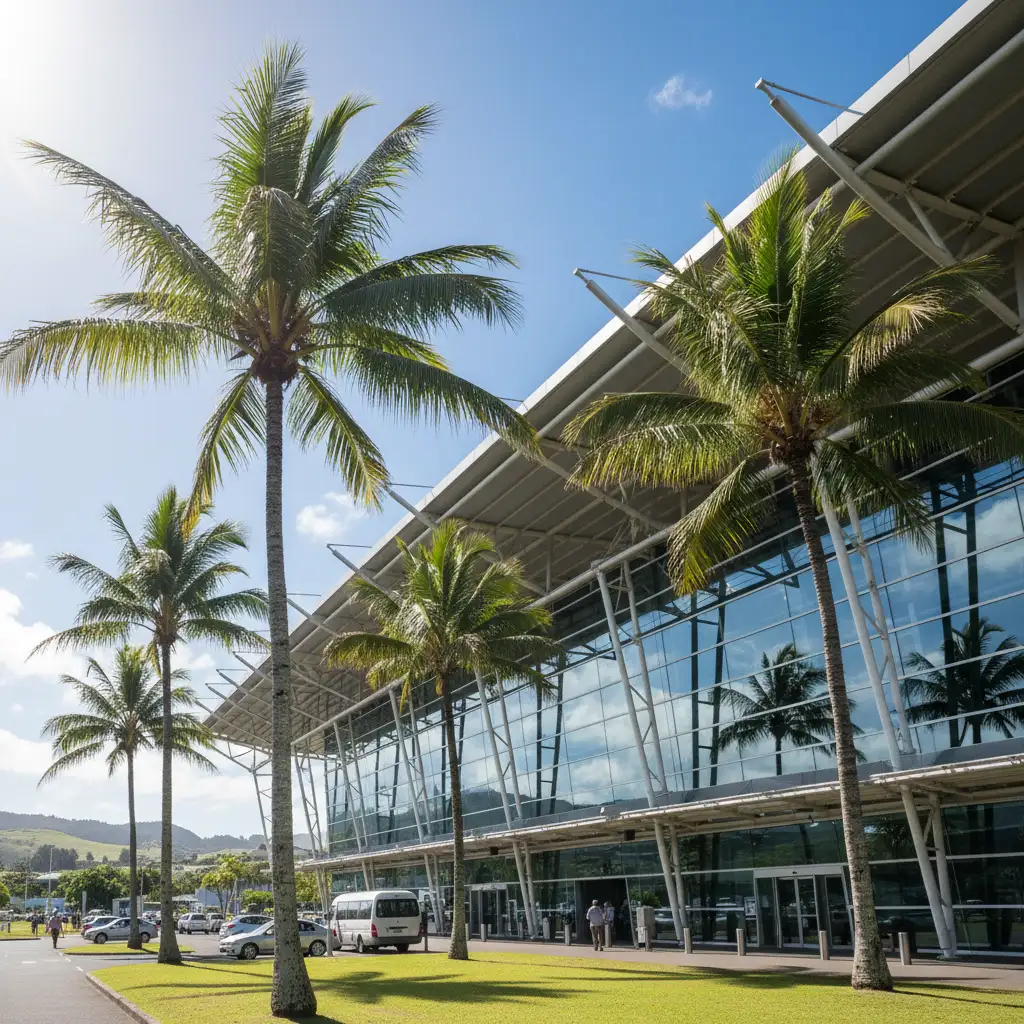
The best time to visit New Caledonia for weather is during the cool, dry season from September to November. During these months, temperatures range from 20°C to 26°C (68°F to 79°F), rainfall is at its lowest, and humidity is manageable, offering ideal conditions for hiking, sailing, and exploring the world’s largest lagoon.
Understanding New Caledonia’s Tropical Climate
New Caledonia enjoys a semi-tropical climate, characterized by two main seasons and two shorter transition periods. Located in the southwest Pacific, the archipelago is influenced by the cooling trade winds, known locally as the ‘Alizés.’ These winds are crucial for maintaining a comfortable atmosphere, especially during the warmer months. Unlike many other tropical destinations that suffer from oppressive humidity year-round, New Caledonia’s climate is often described as a ‘perpetual spring’ in the cooler months, making it a premier destination for travelers seeking outdoor adventure without extreme heat.
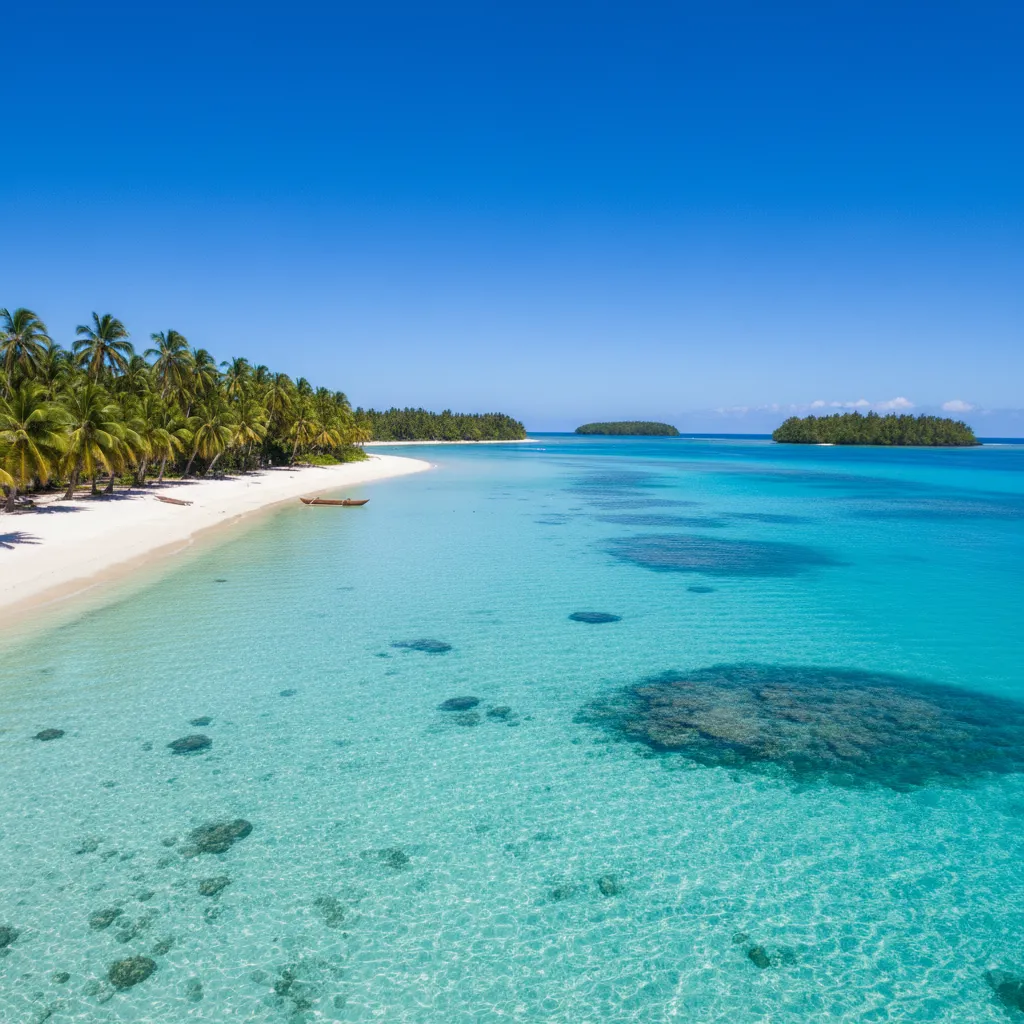
The weather is heavily dictated by its geography. The ‘Grande Terre,’ the main island, features a central mountain range that creates distinct microclimates. The west coast remains relatively dry and savannah-like, while the east coast receives significantly more rainfall, resulting in lush, tropical rainforests. Understanding these nuances is essential for planning the best time to visit New Caledonia weather-wise, as your preferred activities—whether it be kite-surfing in Nouméa or trekking in the Blue River Provincial Park—will depend on these seasonal shifts.
Seasonal Weather Breakdown: Month-by-Month
To truly grasp the best time to visit New Caledonia weather, one must look at the specific characteristics of each month. The archipelago does not experience a traditional four-season cycle but rather a shift between the ‘Cool Season’ and the ‘Hot Season.’
The Cool Season (June to August)
June, July, and August represent the New Caledonian winter. During this time, the mercury typically hovers between 17°C (63°F) at night and 23°C (73°F) during the day. While the water temperature drops slightly to around 21°C (70°F), it remains swimmable for many. This is the peak season for hiking and mountain biking, as the air is crisp and the risk of tropical downpours is minimal. It is also the best time for whale watching, as humpback whales migrate to the southern lagoon to breed.
The Shoulder Season (September to November)
This is widely considered the optimal window for travel. September marks the beginning of the dry season. Rainfall is at its annual minimum, and temperatures begin to climb toward a comfortable 25°C (77°F). October and November offer the perfect balance of warm water for snorkeling and mild air temperatures for sightseeing. The trade winds are consistent, making this the prime season for windsurfing and kitesurfing enthusiasts who flock to Anse Vata Bay.
The Hot Season (December to March)
From December through March, New Caledonia enters its tropical summer. Temperatures frequently exceed 30°C (86°F), and humidity levels rise sharply. This period coincides with the highest rainfall and the official cyclone season. While the mornings are often sunny and bright, afternoon thunderstorms are common. For those who enjoy the heat and want to spend all day in the water, this season offers the warmest sea temperatures, often reaching 27°C (81°F).
The Transition Season (April to May)
As the hot season fades, April and May offer a pleasant transition. The heavy rains begin to subside, and the humidity drops. The landscape is incredibly lush and green following the summer rains, making it a beautiful time for photography and nature walks. The air temperature settles into the mid-20s, providing a comfortable environment before the cooler winter air arrives.
Cyclone Season Warnings and Safety
When discussing the best time to visit New Caledonia weather, the cyclone season is a critical factor. Officially spanning from mid-November to the end of April, the peak risk occurs in January, February, and March. While New Caledonia has sophisticated tracking systems and high-quality infrastructure designed to withstand tropical storms, a major cyclone can disrupt travel plans, cause flight cancellations, and lead to the temporary closure of resorts.
Travelers visiting during this window should monitor the ‘Météo-France Nouvelle-Calédonie’ reports regularly. If a cyclone warning is issued, it follows a color-coded alert system: Level 1 (prepare), Level 2 (stay indoors), and Level 3 (post-cyclone recovery). While the probability of a direct hit during a short vacation is statistically low, the increased rainfall during these months can lead to localized flooding and reduced visibility for diving. If you choose to visit during the hot season, ensuring your travel insurance covers weather-related disruptions is highly recommended.
Best Months for Swimming and Diving
New Caledonia is home to the second-largest barrier reef in the world, and the weather plays a massive role in the quality of the underwater experience. For divers and snorkelers, the best time to visit New Caledonia weather is generally from September to November. During these months, the water is warming up, and the lack of rain ensures exceptional visibility, often exceeding 30 meters.
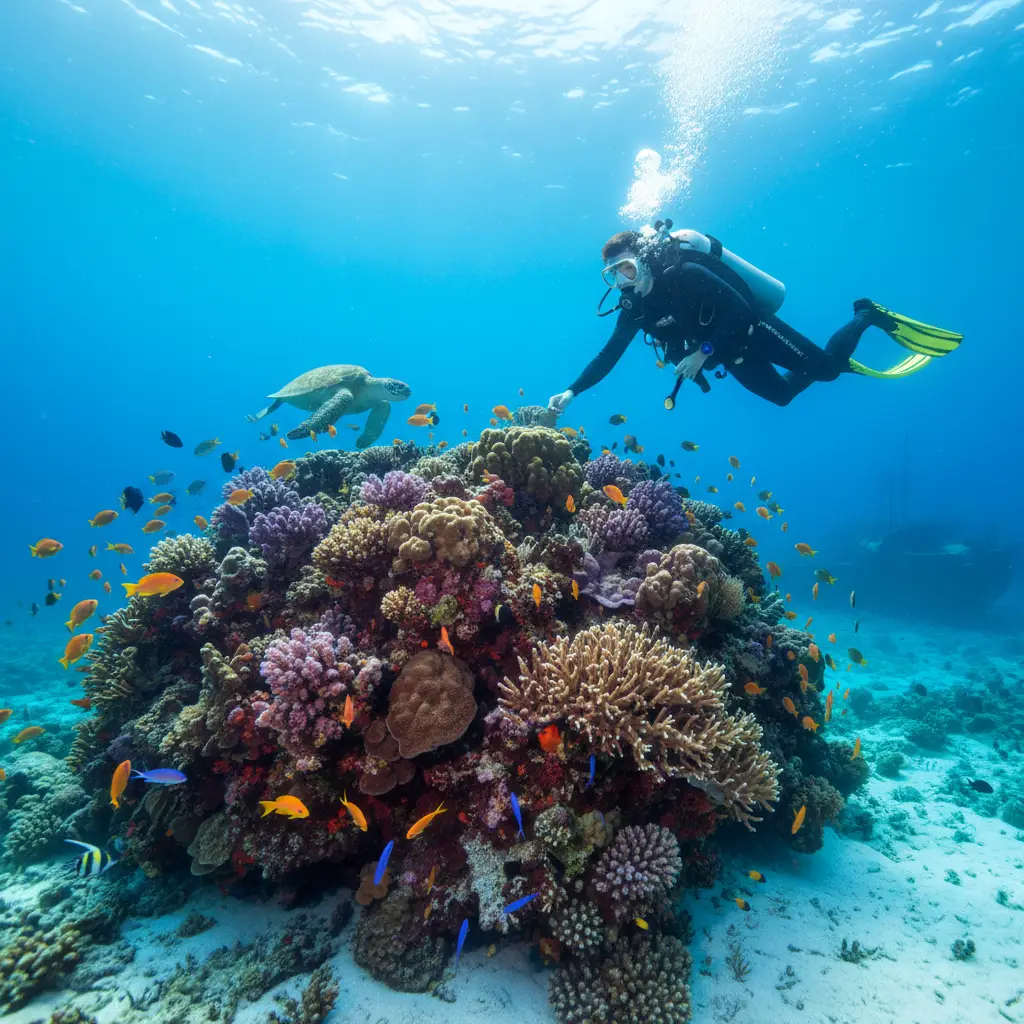
In the winter months (June-August), the water can feel a bit chilly for extended snorkeling sessions without a wetsuit, but the visibility remains excellent. Conversely, in the height of summer (January-March), the water is delightfully warm, but the increased runoff from summer storms can occasionally cloud the water near the main island. However, the outer islands like the Isle of Pines and the Loyalty Islands (Ouvéa, Lifou, Maré) generally maintain high visibility year-round due to their distance from the main island’s river systems.
Packing for the New Caledonian Climate
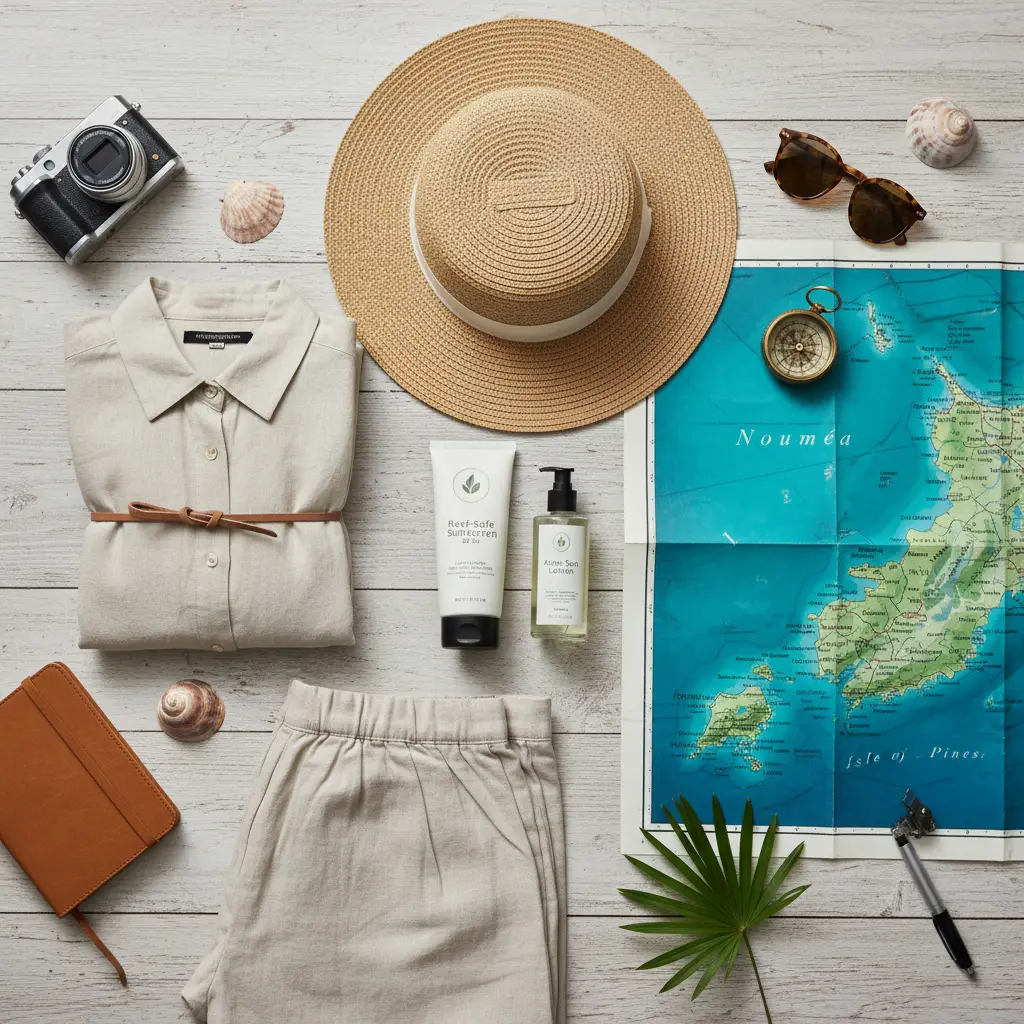
Given the seasonal variations, packing requires a strategic approach. Regardless of when you visit, sun protection is non-negotiable. The UV index in the South Pacific is exceptionally high, even on overcast days. Use reef-safe sunscreen to protect the delicate lagoon ecosystem, and bring a high-quality sun hat and polarized sunglasses.
- For the Hot Season: Lightweight, breathable linen or cotton clothing is essential. A light waterproof jacket is necessary for sudden tropical downpours. Don’t forget several sets of swimwear, as the high humidity means things take longer to dry.
- For the Cool Season: While days are warm, evenings can be surprisingly brisk. Pack a light sweater, a pashmina, or a windbreaker, especially if you plan on dining by the water or taking sunset cruises.
- For Adventure: If you plan on hiking the GR1 (Great Fern Park) or the trails of the South, sturdy waterproof hiking shoes are a must, as trails can be slippery after rain.
Regional Weather Variations
It is a common misconception that the weather is uniform across the archipelago. The ‘Grande Terre’ acts as a massive weather shield. The West Coast, where Nouméa is located, sits in the rain shadow of the mountains. This results in a drier, sunnier climate compared to the East Coast (Hienghène, Poindimié), which receives the brunt of the moisture-laden trade winds. If your goal is a sun-drenched beach holiday, the West Coast and the Isle of Pines are your best bets.
The Loyalty Islands, located to the east of the mainland, have a more maritime climate. They are flatter and do not have the mountain-induced rainfall of the East Coast, but they can be more exposed to wind. When planning the best time to visit New Caledonia weather-wise, consider splitting your time between regions to experience the diversity of the tropical landscape, from the dry niaouli plains of the west to the lush fern forests of the center.
What is the rainiest month in New Caledonia?
February is typically the rainiest month in New Caledonia, falling in the middle of the hot, humid summer season. This period is also the peak for potential cyclone activity.
Is New Caledonia hot all year round?
While it is a tropical destination, it is not always ‘hot.’ The winter months of June to August are very mild and comfortable, with daytime temperatures around 23°C (73°F), requiring a light jacket at night.
When is the cheapest time to visit New Caledonia?
The cheapest time to visit usually coincides with the transition or hot seasons (February to May), excluding the Christmas and New Year holidays. However, this is also when the weather is most unpredictable.
Can you swim in New Caledonia in winter?
Yes, you can swim in winter (June-August). The water temperature is usually around 21°C to 22°C (70°F-72°F). While some locals find it chilly, most tourists find it refreshing, though a thin wetsuit is recommended for long snorkeling sessions.
How often do cyclones hit New Caledonia?
Significant cyclones that cause major damage are relatively rare, occurring every few years. However, the region experiences several tropical depressions or ‘mini-cyclones’ every summer that bring heavy wind and rain.
What is the water temperature in New Caledonia in October?
In October, the water temperature begins to rise as the archipelago enters spring, typically ranging between 23°C and 25°C (73°F-77°F), making it perfect for all water activities.