The New Caledonia duty free allowance for alcohol permits travelers aged 18 or older to import 1 liter of spirits (over 22% ABV) or 2 liters of fortified wine or champagne, plus an additional 2 liters of still wine. These regulations are strictly enforced at La Tontouta International Airport to manage the entry of excise goods.
What is the New Caledonia Duty Free Allowance for Alcohol and Tobacco?
When traveling from New Zealand to the stunning shores of New Caledonia, understanding the specific customs regulations is essential for a smooth entry. As a French overseas territory, New Caledonia maintains strict controls over the importation of excise goods such as alcohol and tobacco. These rules are designed to balance the local economy while allowing tourists to enjoy a reasonable amount of duty-free products during their stay.
Detailed Alcohol Allowances
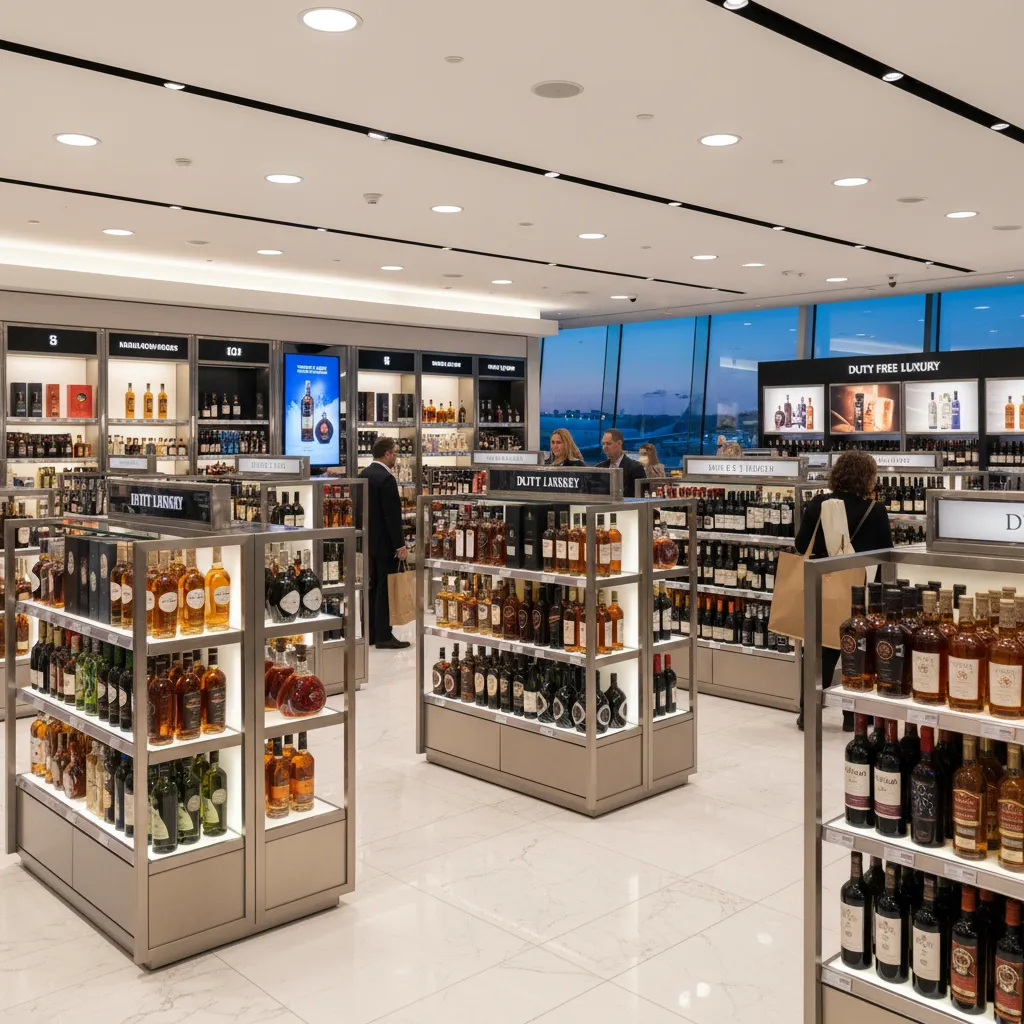
The New Caledonia duty free allowance alcohol policy is categorized by the strength of the beverage. For travelers aged 18 and over, the allowances are as follows: You may bring 1 liter of spirits if the alcohol content exceeds 22% ABV (Alcohol by Volume). Alternatively, you can opt for 2 liters of fortified wine, liqueur, or sparkling wine (such as Champagne) if the alcohol content is 22% ABV or less. In addition to one of these options, you are permitted to bring 2 liters of still wine. For beer lovers, the allowance is generally more generous, typically allowing up to 16 liters, though it is always wise to confirm if this combined with other spirits exceeds the total value threshold for personal goods.
Tobacco and Cigarette Restrictions
Tobacco regulations are equally specific. Travelers are permitted to bring 200 cigarettes, or 100 cigarillos, or 50 cigars, or 250 grams of loose smoking tobacco. It is important to note that these allowances are not cumulative; you must choose one category or a proportional mix. For example, you could bring 100 cigarettes and 25 cigars. These limits apply strictly to individuals aged 18 and over. Attempting to bring more than the allowed amount without declaration can result in heavy fines and the confiscation of the goods. Given the high cost of tobacco in New Caledonia, many travelers from New Zealand choose to maximize this allowance at the Auckland or Christchurch duty-free outlets before departure.
What are the Cash Declaration Rules for New Caledonia?
Financial transparency is a priority for the New Caledonian customs authorities (Direction des Douanes). While there is no limit on the amount of money you can bring into the country, there is a mandatory declaration requirement for large sums. This rule is part of international efforts to combat money laundering and the financing of illegal activities.
The 10,000 Euro Threshold
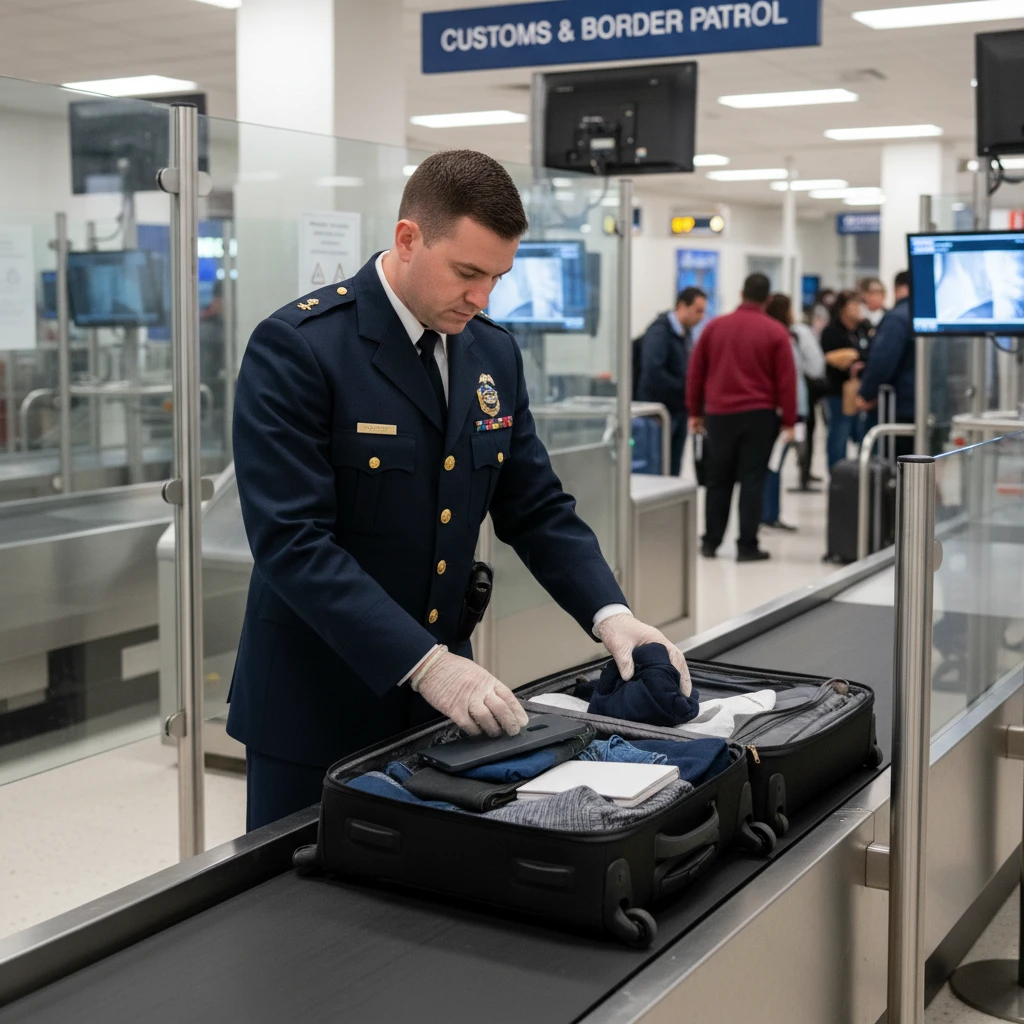
If you are carrying cash, checks, traveler’s checks, or negotiable instruments with a total value equal to or exceeding 10,000 Euros (or the equivalent in another currency, approximately 1.2 million XPF), you must declare it upon arrival. This applies to individuals, families, or groups traveling together where the collective sum exceeds the limit. The declaration process is straightforward and involves filling out a specific form at the customs desk before you exit the baggage claim area.
Accepted Currencies and Conversion
New Caledonia uses the CFP Franc (XPF), which has a fixed exchange rate with the Euro. While New Zealand Dollars (NZD) are not widely accepted for daily transactions, they can be exchanged at the airport or in major banks in Noumea. When calculating your cash for declaration purposes, ensure you use the current exchange rate to Euro to avoid accidental non-compliance. Failure to declare sums over the threshold can lead to the seizure of the funds and significant legal penalties.
Which Prohibited Items (Food and Plants) Should You Avoid?
As an island nation with a unique and fragile ecosystem, New Caledonia has some of the strictest biosecurity laws in the world. These regulations are in place to prevent the introduction of pests and diseases that could devastate local agriculture and endemic wildlife, such as the iconic Cagou bird. Many items that are common in New Zealand households are strictly prohibited from entering New Caledonia.
Strict Agricultural Restrictions
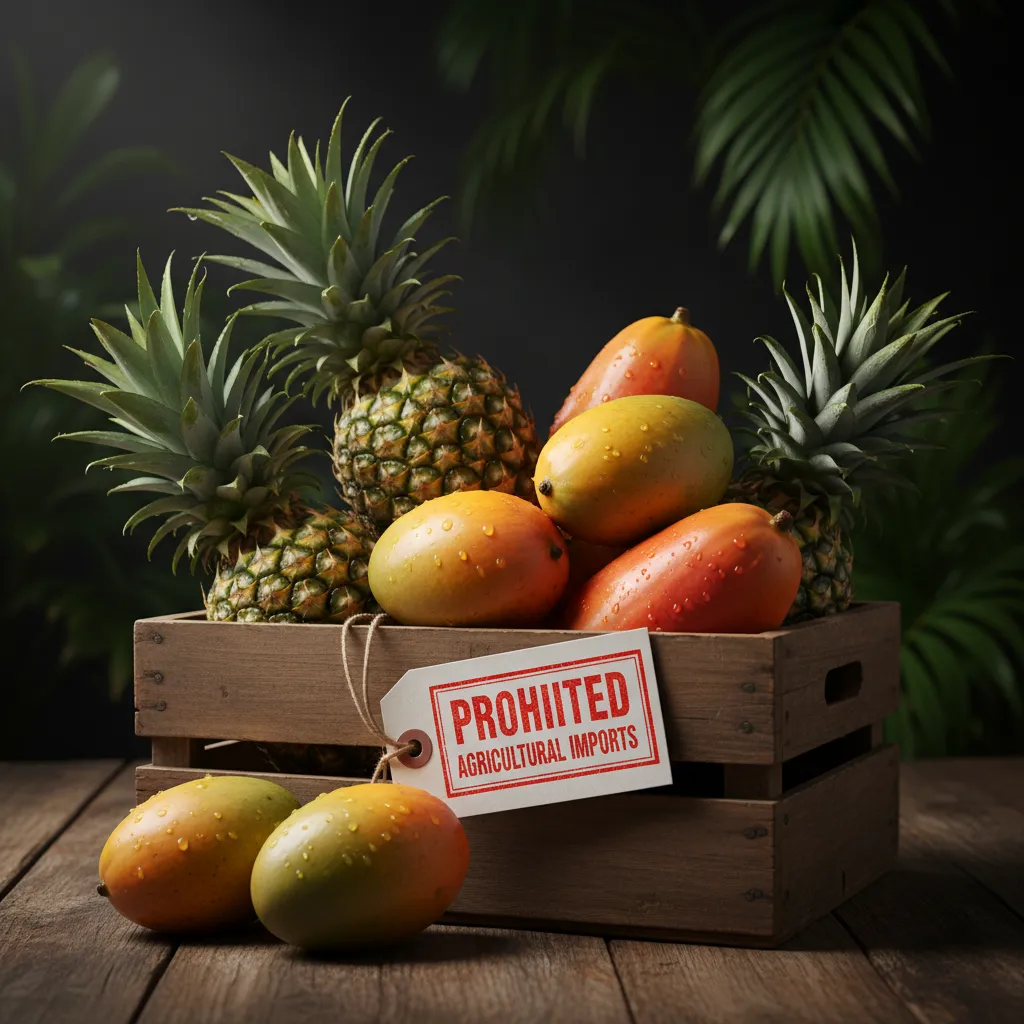
The list of prohibited items is extensive. You may not bring any fresh fruit or vegetables, regardless of where they were purchased. Meat products, including canned meats, sausages, and dried meats (like biltong or jerky), are generally prohibited unless they meet very specific commercial packaging and origin requirements, which are difficult for standard travelers to verify. Dairy products, with the exception of infant formula in reasonable quantities, are also restricted. One of the most commonly confiscated items is honey; due to the risk of bee diseases, New Caledonia does not allow the importation of honey from New Zealand.
Seeds, Plants, and Animal Products
Live plants, cuttings, seeds, and even some dried flowers are forbidden. Furthermore, any items made of animal products, such as feathers, bones, or untreated skins, must be declared and may be subject to inspection or confiscation. If you are carrying hiking gear, tents, or used sporting equipment, ensure they are spotlessly clean. Soil is a major carrier of pathogens, and customs officers will inspect the soles of your shoes and the bottom of your tents for any traces of New Zealand dirt.
How Do Biosecurity Checks Work on Arrival?
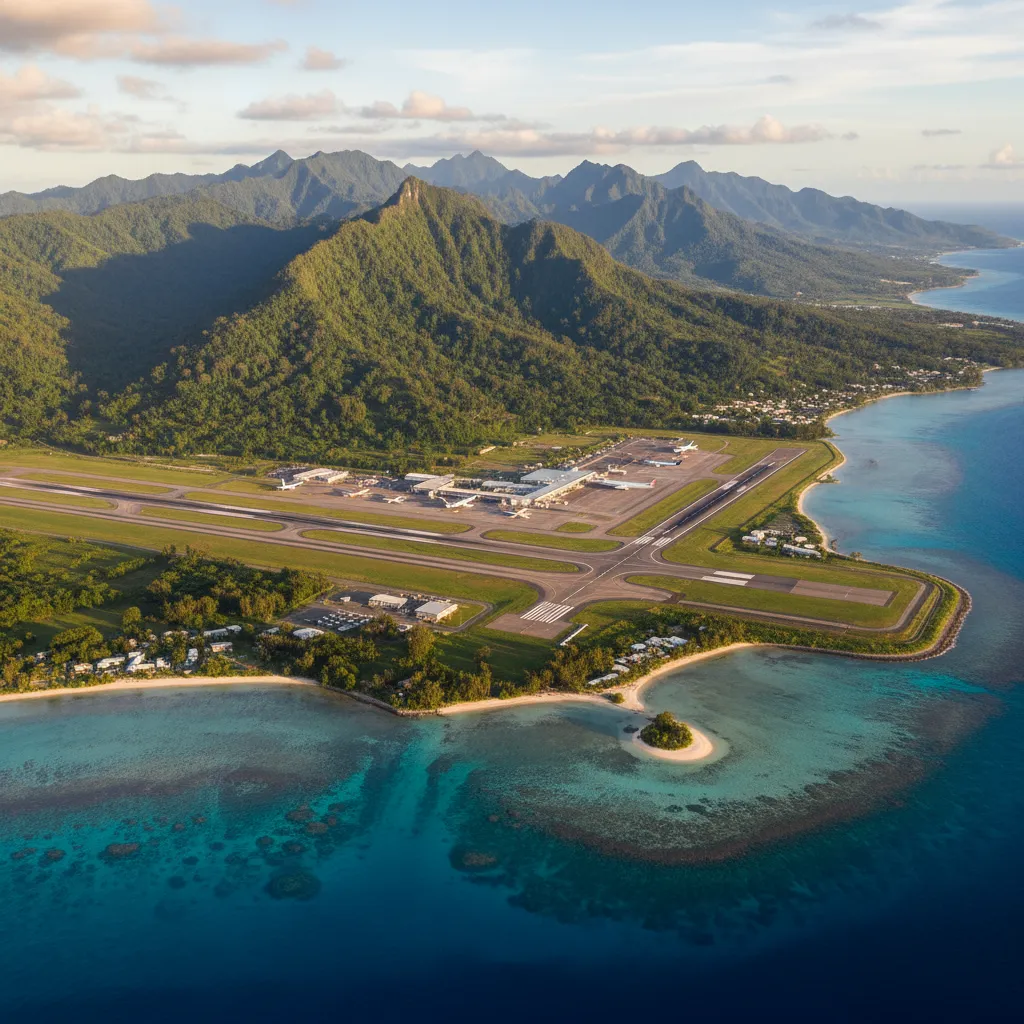
Upon landing at La Tontouta International Airport, you will undergo a multi-layered screening process. The first step occurs before you even leave the aircraft, as cabin crew will often spray the cabin with a non-toxic disinsectization spray, a standard procedure for flights entering New Caledonia. Once you disembark, you will proceed through passport control and then to the baggage claim area.
The Arrival Card and Declaration
On your flight, you will be given an arrival card. It is imperative that you answer all questions regarding food, plant material, and animal products honestly. Even if you are unsure if an item is allowed, you must mark ‘Yes’ on the declaration form. Declaring an item that is ultimately prohibited will result in the item being destroyed, but you will not be fined. However, failing to declare a prohibited item that is later found by customs can result in an immediate on-the-spot fine of several hundred dollars.
X-Ray Screening and Sniffer Dogs
After collecting your luggage, you will pass through the customs and biosecurity area. All bags are typically passed through X-ray machines. New Caledonia also employs highly trained sniffer dogs that can detect organic matter, including fruit and meat, even when hidden deep inside suitcases. If the dog alerts an officer to your bag, or if the X-ray shows suspicious items, you will be asked to open your luggage for a manual inspection. This process is efficient but thorough, reflecting the territory’s commitment to environmental protection.
Duty-Free Shopping Tips: NZ vs. New Caledonia
For New Zealanders heading to Noumea, the question often arises: should you buy duty-free at the departure airport in NZ or wait until you arrive? Generally, New Zealand airports like Auckland offer a wide selection of international spirits and tobacco at competitive prices. However, New Caledonia’s duty-free shops in the arrival hall of La Tontouta and in downtown Noumea offer unique French products, including premium wines and cheeses that may not be available in New Zealand. If you are looking for specific French brands of cognac or champagne, waiting until you reach New Caledonia might provide a more authentic and diverse selection.
Remember that the duty-free allowance applies to the total amount of goods you bring into the country, regardless of where they were purchased. Keep your receipts handy, as customs officers may ask for proof of purchase to verify the value of your goods. If you plan on doing a lot of shopping, be aware that the total value of personal items (excluding the specific alcohol and tobacco limits) should not exceed 30,000 XPF (approximately 400 NZD) per person to avoid paying import VAT.
People Also Ask
How much alcohol can I take to New Caledonia?
You can bring 1 liter of spirits (over 22% ABV) or 2 liters of fortified/sparkling wine, plus 2 liters of still wine, and up to 16 liters of beer per person aged 18 or over.
Can I bring honey from NZ to New Caledonia?
No, honey is strictly prohibited from being imported into New Caledonia from New Zealand due to biosecurity risks related to bee diseases.
What is the cash limit for New Caledonia?
There is no limit on how much cash you can bring, but any amount equal to or exceeding 10,000 Euros (approx. 1.2 million XPF) must be declared to customs.
Is tobacco expensive in New Caledonia?
Yes, tobacco prices in New Caledonia are quite high due to local taxes. Travelers often save money by purchasing their 200-cigarette allowance at duty-free shops before arrival.
Do I have to declare food in New Caledonia?
Yes, all food items must be declared on your arrival card. Most fresh foods are prohibited, but processed, commercially packaged items may be allowed after inspection.
What happens if I exceed the duty-free limit?
If you exceed the limit and declare it, you will have to pay duty and taxes on the excess. If you do not declare it and are caught, you face heavy fines and confiscation of the goods.