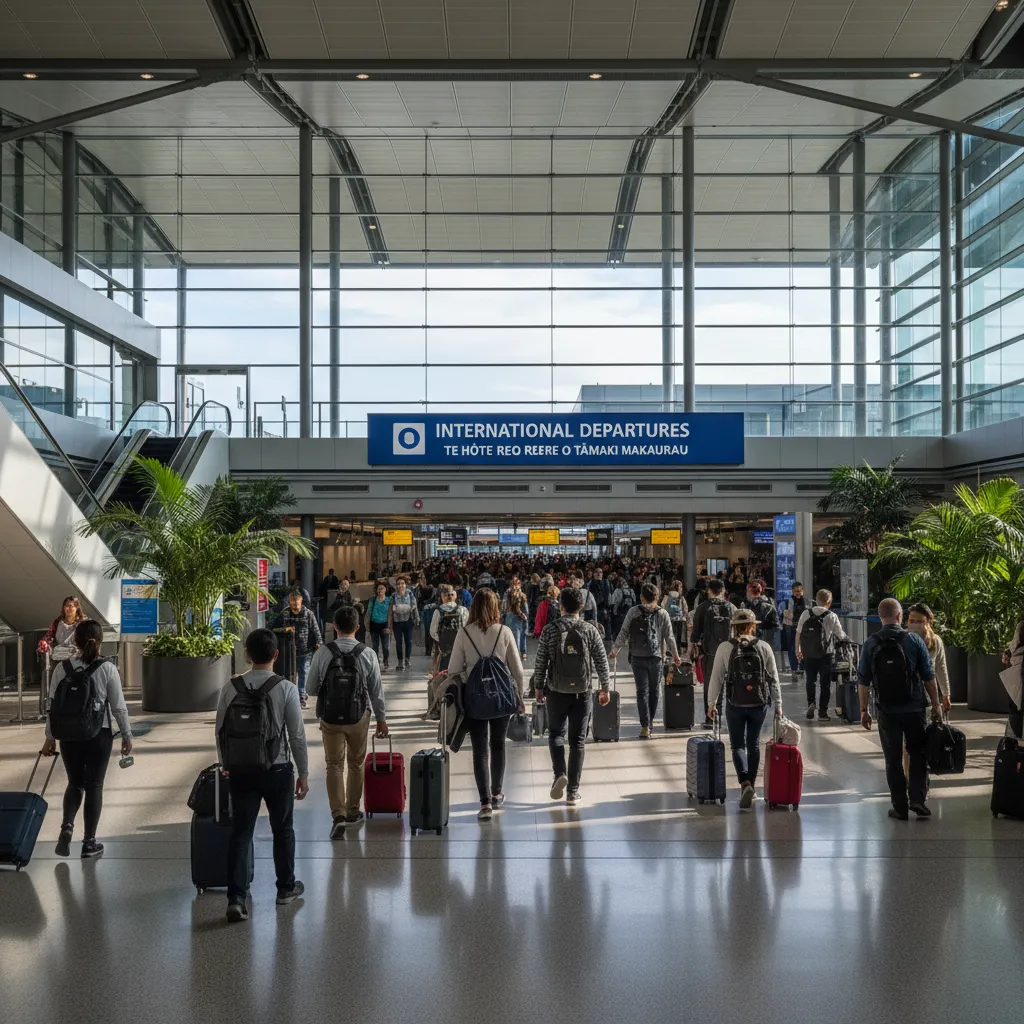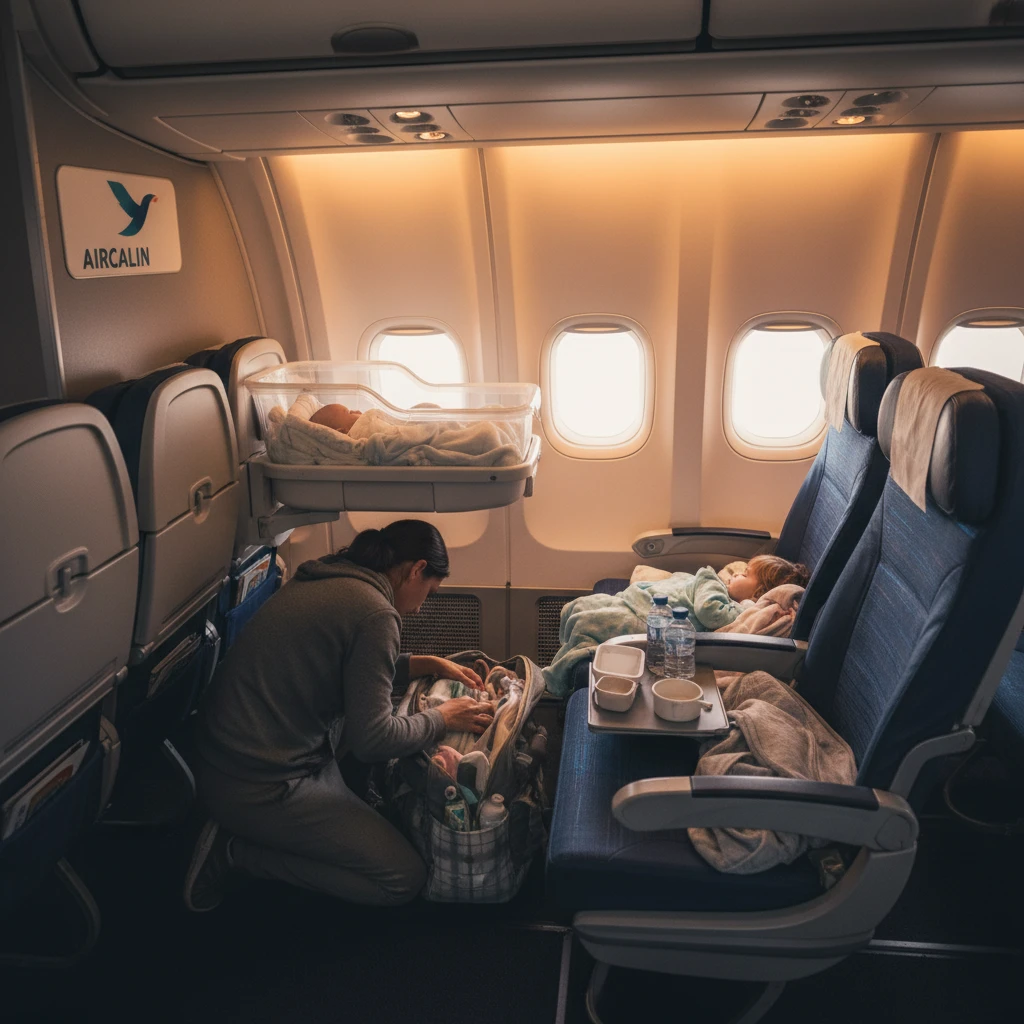
Jet lag from New Zealand to New Caledonia is minimal due to the small one-to-two-hour time difference. However, travel fatigue remains a factor. Managing this involves adjusting your internal clock slightly before departure, staying hydrated during the three-hour flight, and immediately syncing with the local Nouméa schedule upon arrival to maintain peak energy levels.
How do you manage the time difference between New Zealand and New Caledonia?
When traveling from New Zealand to New Caledonia, the time difference is typically only one hour (New Caledonia is one hour behind NZST) or two hours during New Zealand’s Daylight Savings period. While this is not “jet lag” in the traditional sense—which usually requires crossing three or more time zones—it can still disrupt the circadian rhythm of sensitive travelers, particularly those traveling with children or those on strict medication schedules.
To manage this shift, start by adjusting your routine 24 hours before departure. If you are traveling from Auckland to Nouméa, try staying up an hour later the night before you leave. This small adjustment helps your body align with the New Caledonian evening. Because the flight duration is only about three hours, the physical toll is more related to the logistics of travel—checking in, security, and boarding—than the actual time shift. However, treating the shift with respect ensures that your first evening in the South Pacific is spent enjoying a sunset dinner at Anse Vata rather than feeling an unseasonal urge to sleep.
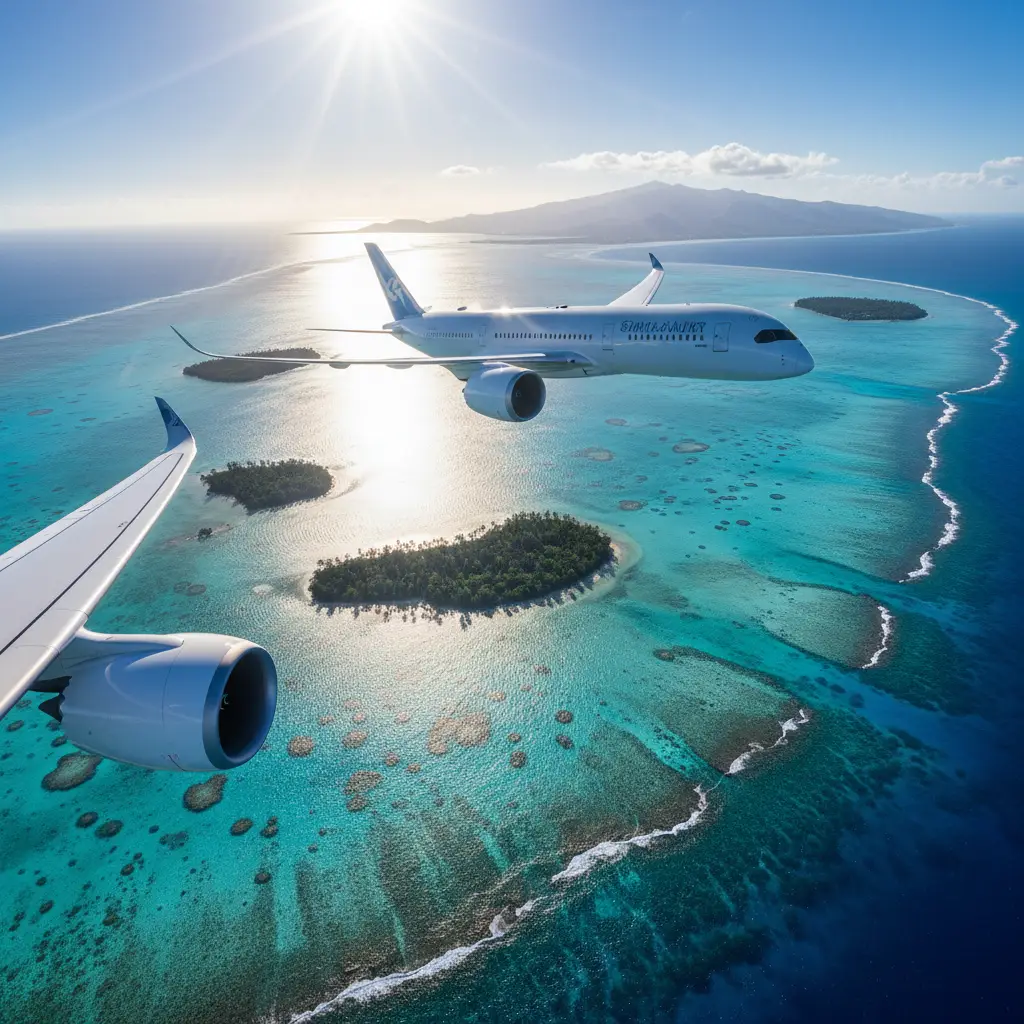
For business travelers, this one-hour difference can actually be a productivity boon. Arriving in Nouméa often feels like gaining an extra hour in the day. To capitalize on this, avoid napping upon arrival. Instead, use the “extra” hour for light exercise or a walk along the promenade. This physical activity signals to your brain that the day is still active, helping to suppress any residual melatonin production triggered by your New Zealand-based internal clock.
What are the best hydration tips for short-haul Pacific flights?
Hydration is the most critical factor in combating travel fatigue on the route from New Zealand to New Caledonia. Airplane cabins are notoriously dry environments, often maintaining humidity levels lower than the Sahara Desert (typically between 10% and 20%). On a three-hour flight, your body can lose a significant amount of moisture through respiration and skin evaporation, leading to headaches, dry eyes, and lethargy.
The golden rule for Pacific short-haul flights is to drink at least 500ml of water for every hour spent in the air. While it is tempting to celebrate the start of a holiday with a glass of wine or a coffee, both alcohol and caffeine are diuretics that exacerbate dehydration. If you do indulge in the onboard service, ensure you match every alcoholic or caffeinated beverage with an equal volume of water.

Furthermore, consider external hydration. Using a saline nasal spray can keep mucous membranes moist, which is your first line of defense against airborne viruses. Applying a high-quality moisturizer or a facial mist mid-flight can also prevent the “tight” skin feeling that often accompanies air travel. Remember that hydration starts before you board; drinking plenty of water in the departure lounge at Auckland or Christchurch International Airport sets a baseline that is easier to maintain once you are at a cruising altitude of 35,000 feet.
The Role of Electrolytes
For those particularly sensitive to air travel, adding an electrolyte tablet to your water can be more effective than plain water alone. Electrolytes help your cells retain moisture more efficiently. This is especially useful when transitioning from the temperate, often humid climate of New Zealand to the tropical humidity of New Caledonia, where you will likely begin sweating more upon landing. By pre-loading with electrolytes, you ensure your mineral levels remain balanced as your body begins its thermoregulation process in the tropics.
What should you wear when traveling from New Zealand’s climate to New Caledonia?
The transition from New Zealand to New Caledonia involves a significant shift in climate. While New Zealand can be brisk, windy, or rainy, New Caledonia enjoys a tropical climate with high humidity and warm temperatures year-round. Dressing in layers is the only logical strategy for this journey.
Your base layer should be made of natural, breathable fibers like merino wool or cotton. Merino is particularly effective for New Zealanders; it keeps you warm in the terminal but is highly breathable and odor-resistant once you step out into the 28°C heat of La Tontouta International Airport. Avoid synthetic fabrics like polyester, which can trap heat and sweat, making the transition uncomfortable.
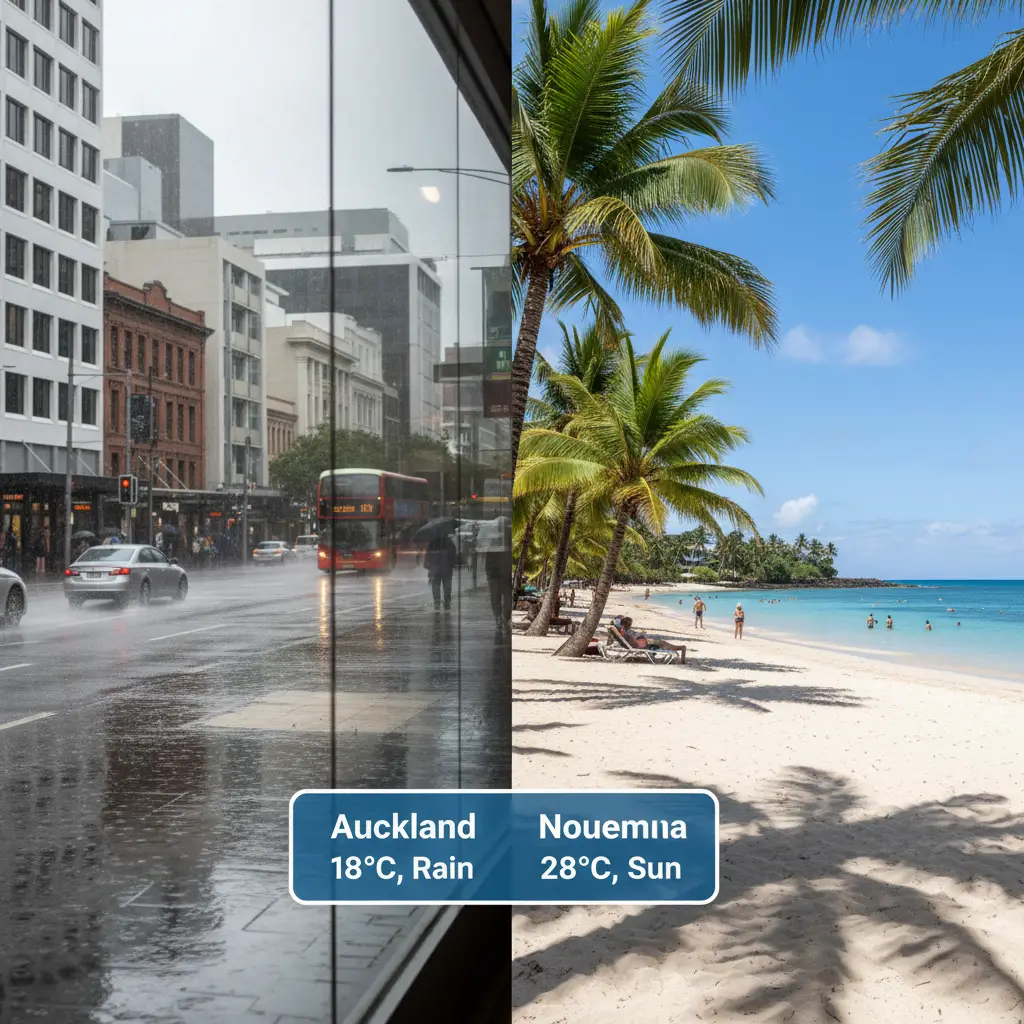
A lightweight, zip-up hoodie or a soft blazer is ideal for the flight itself, as cabin temperatures can be unpredictable and often lean toward the cooler side. For footwear, choose slip-on shoes or comfortable sneakers. Avoid heavy boots. Not only are slip-ons easier for security checks, but your feet may swell slightly during the flight due to the pressure changes. Having shoes that accommodate this minor swelling will prevent discomfort upon arrival. Finally, keep a pair of high-quality sunglasses and a hat in your carry-on luggage. The UV index in New Caledonia is significantly higher than in many parts of New Zealand, and you will want immediate protection the moment you exit the aircraft.
What are the best arrival recovery tips for New Caledonia?
Recovery from a short-haul flight is less about sleep and more about environmental recalibration. The moment you land in Nouméa, your goal should be to ground yourself in the local environment. The most effective way to do this is through immediate exposure to natural sunlight. Sunlight inhibits the production of melatonin, the hormone that makes you feel sleepy, and helps reset your internal clock to the local time.
Instead of heading straight to your hotel room for a nap, take a stroll along the beach or find an outdoor café for a light meal. The local cuisine in New Caledonia, a fusion of French and Melanesian flavors, is excellent for recovery. Opt for fresh seafood or tropical fruits, which are hydrating and light on the digestive system. Avoiding heavy, processed meals in the first few hours after landing will help your body focus its energy on adapting to the heat rather than processing complex fats.

Another effective recovery technique is “earthing” or grounding. If you have access to a beach, walking barefoot on the sand or in the water can help discharge the static energy accumulated during the flight and provides a sensory connection to your new surroundings. Additionally, a cool shower shortly after arrival can help lower your core body temperature, which often rises slightly during the stress of travel, helping you feel refreshed and alert for your first evening in the territory.
How can you maximize comfort on a 3-hour flight?
While three hours is a relatively short duration, physical discomfort can lead to increased fatigue. To maximize comfort, seat selection is paramount. If you are tall, an exit row seat provides necessary legroom to prevent cramping. If you prefer to sleep, a window seat provides a surface to lean against and ensures you won’t be disturbed by neighbors moving about the cabin.
Noise management is another key factor. Even on modern aircraft like the Airbus A320neo or the Boeing 787 Dreamliner, the constant hum of the engines can be draining. Noise-canceling headphones are a worthwhile investment; they allow you to create a