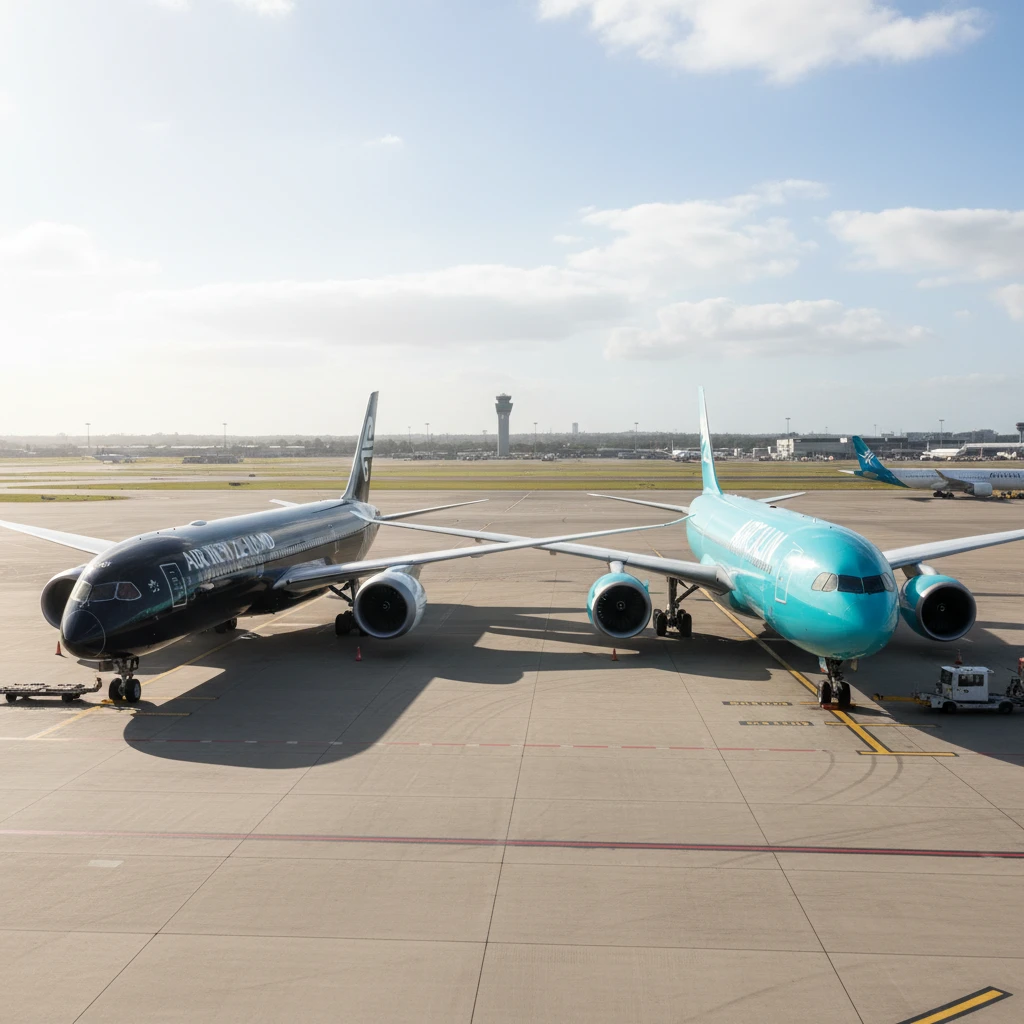
Aircalin in-flight meals are a sophisticated blend of French culinary heritage and Pacific flavors, featuring multi-course menus, artisanal cheeses, and premium French wines. In contrast, Kiwi classics focus on fresh, locally sourced ingredients like grass-fed lamb and seafood, offering a hearty, farm-to-gate experience that highlights New Zealand’s unique agricultural bounty.
What defines Aircalin’s French-inspired menu?
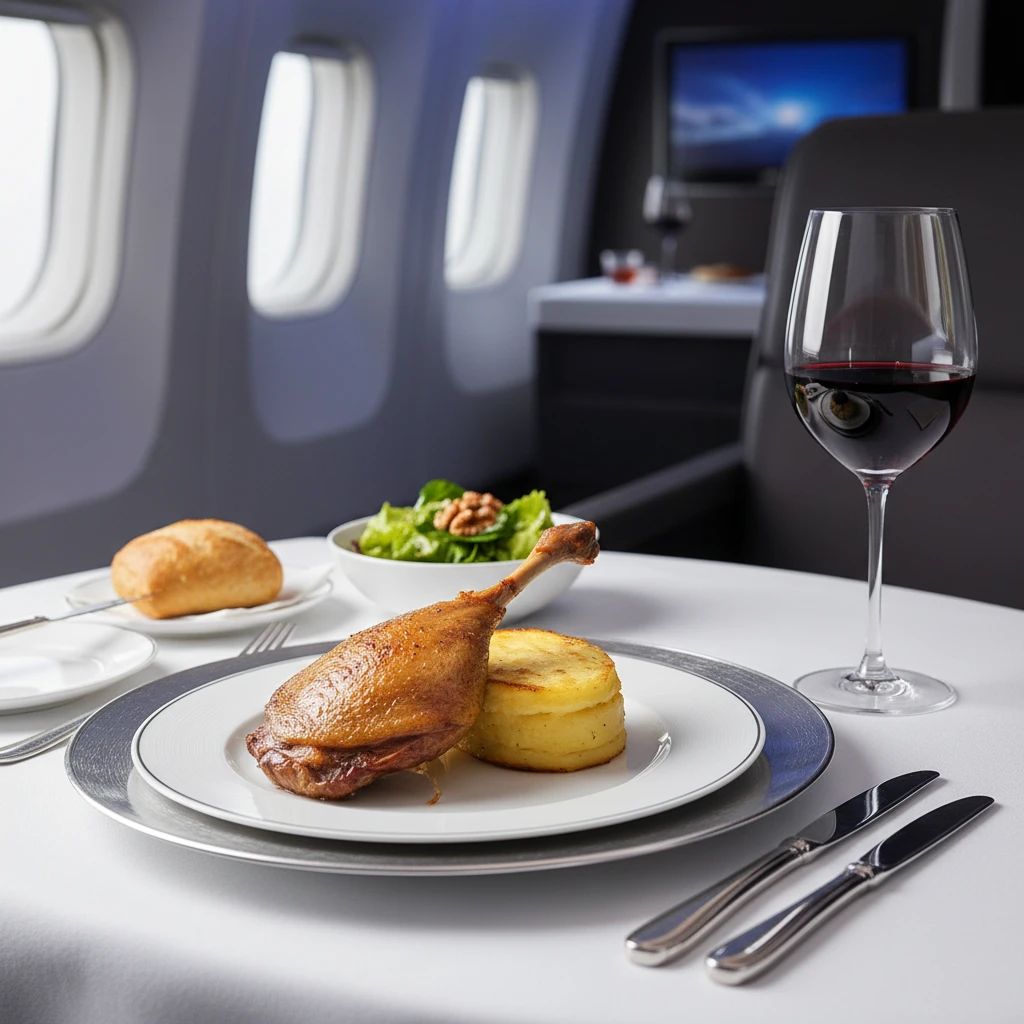
Aircalin, the international airline of New Caledonia, serves as a flying ambassador for French gastronomy. When you step on board, the “Aircalin in-flight meals” experience is designed to mirror the elegance of a Parisian bistro while incorporating the tropical vibrance of the South Pacific. In Hibiscus Class (Business Class), the dining experience is elevated to a fine-art form. Passengers are often treated to appetizers such as duck foie gras or smoked salmon, followed by main courses that utilize traditional French techniques like braising and reduction sauces.
The Role of French Technique in the Sky
The core of Aircalin’s menu lies in its commitment to the five mother sauces of French cooking. Even in the pressurized cabin of an Airbus A330neo, the airline strives to maintain the integrity of a well-made Béarnaise or Velouté. The proteins are often slow-cooked to ensure they retain moisture at high altitudes, where the air is notoriously dry. For example, a classic beef bourguignon served at 35,000 feet requires a specific balance of acidity and salt to overcome the desensitization of taste buds that occurs during flight.
The Importance of the Cheese Course
No French meal is complete without the fromage. Aircalin distinguishes itself by offering a dedicated cheese course that features a rotation of AOC (Appellation d’Origine Contrôlée) cheeses. From the creamy textures of a ripe Camembert to the sharp bite of a Roquefort, the airline ensures that the transition from the main course to dessert is handled with the appropriate cultural reverence. This is often accompanied by a crusty baguette, which is remarkably difficult to keep fresh in an aircraft environment, yet remains a staple of the Aircalin experience.
What are Air New Zealand’s snack and meal options?
Air New Zealand takes a fundamentally different approach, focusing on what they call “Kiwi Classics.” The emphasis here is on the purity of the ingredients. New Zealand’s geography allows for some of the best produce, meat, and seafood in the world, and the airline leverages this heavily. Their menu is a celebration of the land and sea, often featuring grass-fed New Zealand lamb, sustainably caught snapper, and the world-famous Manuka honey.

Iconic Kiwi Snacks and Treats
One cannot discuss Air New Zealand without mentioning their snack service. The airline has turned the “Cookie Time” chocolate chip cookie into a cultural icon of the skies. For many travelers, the flight hasn’t truly begun until the flight attendants pass around the warm, gooey cookies. Beyond the cookies, the airline often features Whittaker’s chocolate and locally made vegetable crisps, reinforcing the “Buy Local” ethos that New Zealanders hold dear. These snacks provide a sense of comfort and home that contrasts with the more formal French approach of Aircalin.
The Main Event: From Farm to Flight
In Premium Economy and Business Premier, Air New Zealand’s meals are often designed by world-renowned Kiwi chefs. The focus is on clean flavors. A typical dish might be a roasted chicken breast with a kumara (sweet potato) mash and a kawakawa-infused jus. The use of indigenous ingredients like kawakawa or horopito adds a layer of cultural storytelling to the meal, allowing passengers to taste the unique flora of Aotearoa before they even land.
The Culinary Philosophy: France vs. New Zealand
The comparison between Aircalin in-flight meals and Air New Zealand’s offerings is essentially a comparison between tradition and innovation. The French philosophy, as seen on Aircalin, is about the transformation of ingredients through technique. It is about how a chef can take a simple piece of meat and, through the addition of a complex sauce and precise cooking, turn it into something extraordinary.
Simplicity vs. Sophistication
The Kiwi philosophy is about the ingredient itself. If the lamb is of the highest quality, why mask it with a heavy sauce? Air New Zealand’s meals tend to be lighter and more focused on seasonal availability. This reflects the broader culinary trends in New Zealand, which favor fusion and freshness over the rigid structures of classical French cuisine. While Aircalin might serve a decadent chocolate fondant for dessert, Air New Zealand is more likely to serve a light pavlova topped with fresh kiwifruit and passionfruit pulp.
Beverage Selection: French Wine vs. NZ Wine
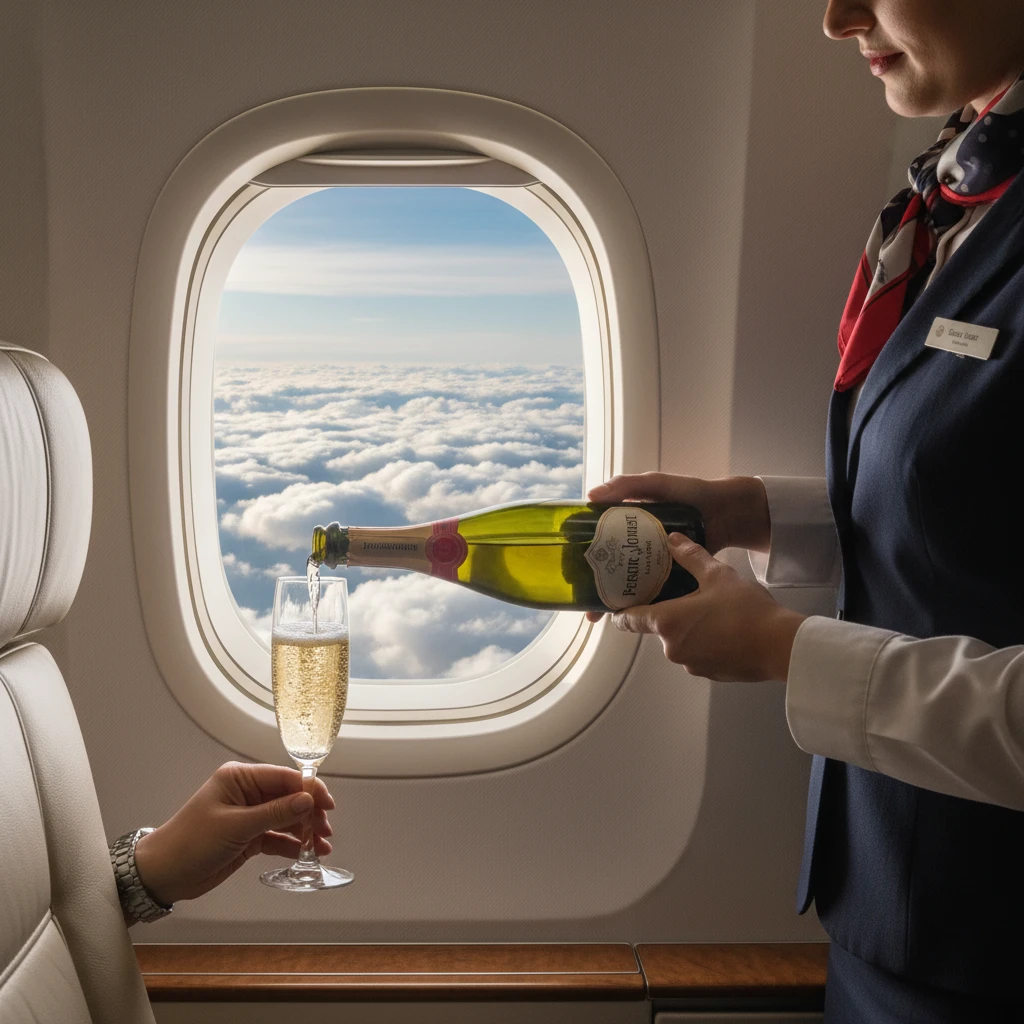
The wine list is perhaps where the rivalry between these two airlines is most fierce. Aircalin leans heavily on the prestigious vineyards of France. Their selection often includes Champagne from the Grandes Marques, crisp Chablis from Burgundy, and robust reds from the Bordeaux region. For a wine lover, an Aircalin flight is an opportunity to sample high-end French vintages that would cost hundreds of dollars in a restaurant.
The New World Powerhouse: NZ Wines
Air New Zealand, conversely, is a champion of New World wines. They exclusively serve New Zealand wines, curated by a panel of expert judges. This is a deliberate move to showcase the country’s viticulture. Passengers can expect world-class Sauvignon Blanc from Marlborough, which is famous for its zesty, tropical notes, and Pinot Noir from Central Otago, known for its depth and complexity. The airline even hosts “wine tastings in the sky” for its premium passengers, turning the beverage service into an educational experience.

How to handle special dietary meal requests?
Both Aircalin and Air New Zealand offer extensive options for passengers with specific dietary requirements, but the process and variety can differ. For those looking for “Aircalin in-flight meals” that fit a vegan, gluten-free, or religious diet, it is essential to book at least 24 to 48 hours in advance. Aircalin’s special meals often maintain a French flair; for instance, a vegetarian meal might be a vegetable ratatouille rather than a standard pasta dish.
Air New Zealand’s Dietary Flexibility
Air New Zealand is widely praised for its inclusivity regarding dietary needs. They offer a wide range of options, including Low Fat, Low Salt, Diabetic, Hindu, and Kosher meals. Their online booking system makes it incredibly easy to select these options at the time of ticket purchase. Interestingly, Air New Zealand’s “Fruit Platter” meal is a favorite among frequent flyers looking for something light and hydrating during long-haul trans-Pacific flights.
The Science of High-Altitude Dining
To understand why Aircalin and Air New Zealand design their menus the way they do, one must understand the physiology of flight. At high altitudes, the combination of low humidity and cabin pressure reduces the sensitivity of our taste buds for salt and sugar by approximately 30%. This is why airline food often tastes bland. Aircalin combats this with rich, savory “umami” flavors found in French cheeses and stocks. Air New Zealand uses bright acids and spices to cut through the atmospheric interference.
The Impact of Noise on Flavor
Recent studies have also shown that the constant hum of airplane engines (white noise) can suppress the perception of sweetness while enhancing the perception of umami. This scientific reality influences the Aircalin in-flight meals’ development, leading to a preference for savory appetizers and main courses that can withstand the auditory environment of the cabin. Air New Zealand’s focus on savory lamb and salty snacks like Marmite (often available on request) also aligns with these findings.
The Final Verdict: Which Airline Wins the Palate?
Choosing between Aircalin and Air New Zealand often comes down to personal preference. If you value the ritual of dining—the multi-course service, the fine linens, and the classical French approach—Aircalin is the clear winner. It offers a sense of occasion that is rare in modern aviation. However, if you prefer fresh, modern, and hearty food that feels like a warm welcome to the South Pacific, Air New Zealand’s Kiwi classics will not disappoint. Both airlines succeed in using food as a tool for cultural storytelling, ensuring that the journey is just as flavorful as the destination.
People Also Ask
Are Aircalin in-flight meals free?
Yes, Aircalin provides complimentary in-flight meals and beverages on all its international flights. The complexity and number of courses depend on the duration of the flight and the class of service, with Hibiscus Class receiving a more extensive gourmet menu compared to Economy Class.
Does Air New Zealand serve meals on short flights?
On short domestic flights within New Zealand, Air New Zealand typically serves snacks like Cookie Time cookies or corn chips, along with tea, coffee, or water. For longer international flights, full meal services are provided as part of the ticket price.
Can I request a gluten-free meal on Aircalin?
Absolutely. Aircalin offers a variety of special meals, including gluten-free, vegan, and vegetarian options. You must request these at least 24 hours before your flight departure through their website or by contacting their customer service center.
What kind of wine does Aircalin serve?
Aircalin prides itself on serving a curated selection of French wines. This typically includes French Champagne, as well as white and red wines from famous regions like Burgundy, Bordeaux, and the Loire Valley, specifically chosen to complement their French-inspired menu.
Is the food better on Aircalin or Air New Zealand?
It depends on your taste. Aircalin is better for those who enjoy traditional French gastronomy and formal service. Air New Zealand is better for those who prefer fresh, local produce and iconic snacks. Both are highly rated for their catering quality in the aviation industry.
How do I pre-order my meal for an international flight?
For both airlines, you can manage your meal preferences through the ‘Manage Booking’ section on their respective websites. Special dietary meals must be selected at least 24 to 48 hours before departure to ensure they are loaded onto the aircraft.