
Travel insurance for New Caledonia is essential for New Zealanders due to high private medical costs and the absence of reciprocal health agreements. Comprehensive policies must cover air ambulance evacuation to New Zealand, trip cancellations caused by tropical cyclones, and adventure activities like scuba diving. Always verify coverage regarding SafeTravel advisories before booking.
While New Caledonia sits just a short flight from Auckland, relying on the proximity for safety is a financial mistake. The French territory operates a high-standard European healthcare system, but it comes with European price tags. Without adequate travel insurance for New Caledonia, a simple accident can turn into a six-figure debt.
Medical Evacuation: The Hidden $50,000 Risk
The most critical component of any travel insurance policy for New Caledonia is unlimited medical and evacuation cover. Many Kiwi travelers mistakenly believe that because New Caledonia is in the Pacific, healthcare is cheap or subsidized. This is incorrect.
No Reciprocal Health Agreement
New Zealand does not have a reciprocal health agreement with New Caledonia. If you are injured or fall ill, you are treated as a private patient. The main hospital, Médipôle Grand Nouméa, offers world-class care, but they require guaranteed payment. Daily ward fees can exceed NZD $2,000 before tests or specialists are even involved.
The Cost of Getting Home
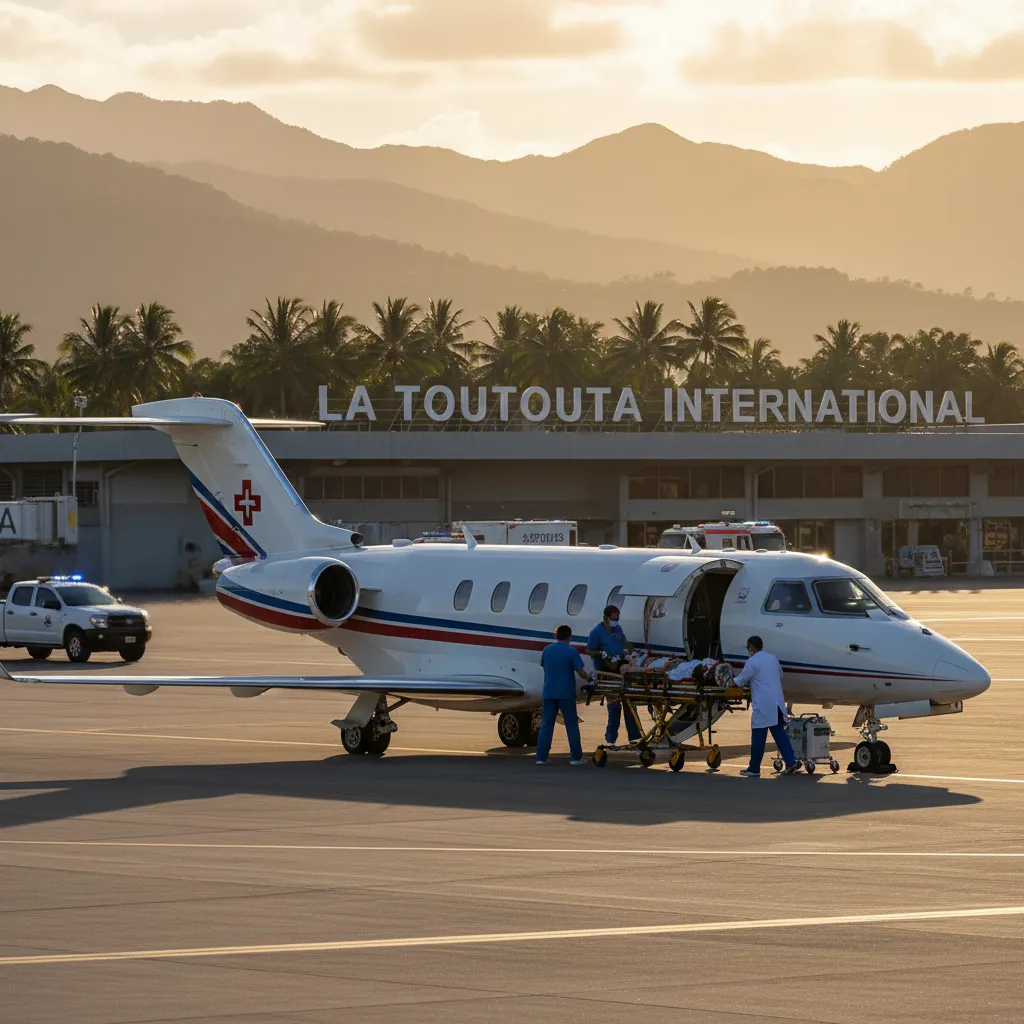
While local facilities can handle routine emergencies, complex trauma, severe cardiac events, or spinal injuries often require evacuation to Auckland or Sydney. An air ambulance repatriation from Noumea to Auckland is not just a standard flight; it involves a specialized jet, a medical team (doctor and nurse), and ground transfers.
Estimated Costs for 2025:
- Standard Hospitalization (per day): $1,500 – $3,000 NZD
- Air Ambulance (Noumea to Auckland): $40,000 – $80,000 NZD
- Commercial Flight Stretcher Repatriation: $15,000 – $25,000 NZD
Your insurance policy must explicitly cover “repatriation and medical evacuation” with a limit of at least NZD $250,000, though “unlimited” is the industry standard recommended for peace of mind.
Navigating Civil Unrest and Travel Advisories
Following the significant civil unrest in mid-2024, the insurance landscape for New Caledonia has shifted. Travelers planning trips in late 2024 and 2025 must be hyper-aware of how their policy defines “Known Events.”
The “Known Event” Clause
Insurance covers the unforeseen. Once a riot, strike, or civil commotion becomes public knowledge (e.g., it is reported in the media or an advisory is issued by MFAT), it becomes a “known event.”
- Scenario A: You bought insurance before the unrest started. You are likely covered for cancellation if your hotel is inaccessible or flights are grounded due to the riots.
- Scenario B: You buy insurance after the news breaks. You will not be covered for any claims related to that specific unrest, though you will still be covered for unrelated medical mishaps (like breaking a leg).
Checking SafeTravel.govt.nz
Most New Zealand travel insurers link their coverage validity to the advice level set by the Ministry of Foreign Affairs and Trade (MFAT) on SafeTravel.govt.nz.
- “Exercise increased caution”: Generally covered.
- “Avoid non-essential travel”: Coverage may be restricted or void unless you have a specialized “High Risk” policy.
- “Do not travel”: Standard travel insurance is almost universally void.
Always check the current status for New Caledonia before purchasing your policy. If the status changes after you buy the policy, you are usually covered for cancellation.
Adventure Sports: Diving and Hiking Limits
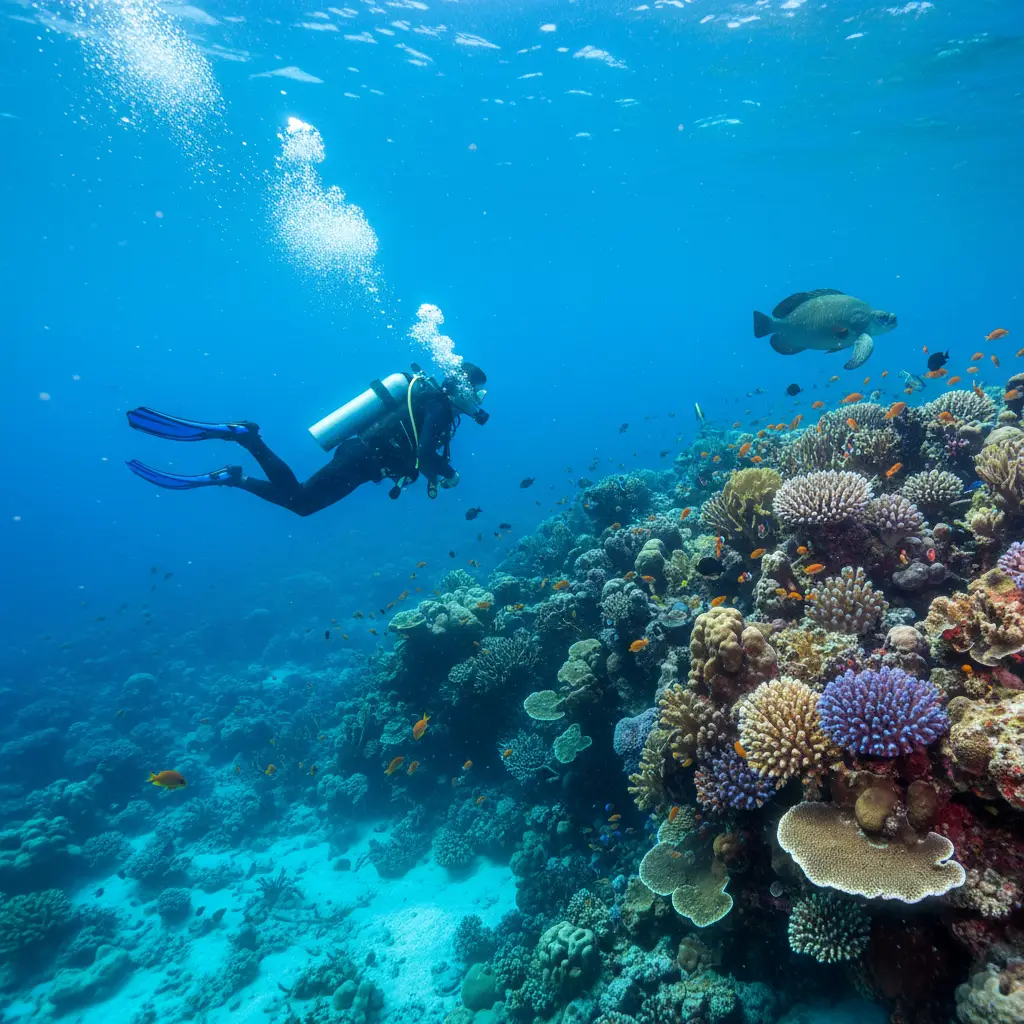
New Caledonia is home to the world’s largest lagoon and the second-largest double barrier reef. Consequently, scuba diving and snorkeling are primary activities for visitors. However, standard travel insurance often has strict limits on these activities.
Scuba Diving Restrictions
If you plan to dive, check the fine print for these three criteria:
- Depth Limits: Most basic policies only cover diving to a depth of 12 meters (approx. 40 feet). If you plan to dive deeper, you may need to purchase an “Adventure Pack” or “Sports Add-on” to get coverage up to 30 meters.
- Licensing: You must hold a valid open water diving license (e.g., PADI or SSI) or be diving under the direct supervision of a qualified instructor.
- Solo Diving: Solo diving is almost never covered. You must be with a buddy or instructor.
Hiking and Remote Access
Hiking the GRNC1 trail or exploring the Blue River Park entails entering remote areas. Ensure your policy covers Search and Rescue. While medical treatment is covered under medical benefits, the actual cost of a helicopter search operation to find you can be billed separately by local authorities. Not all policies include search and rescue costs automatically.
Cyclone Season and Natural Disasters
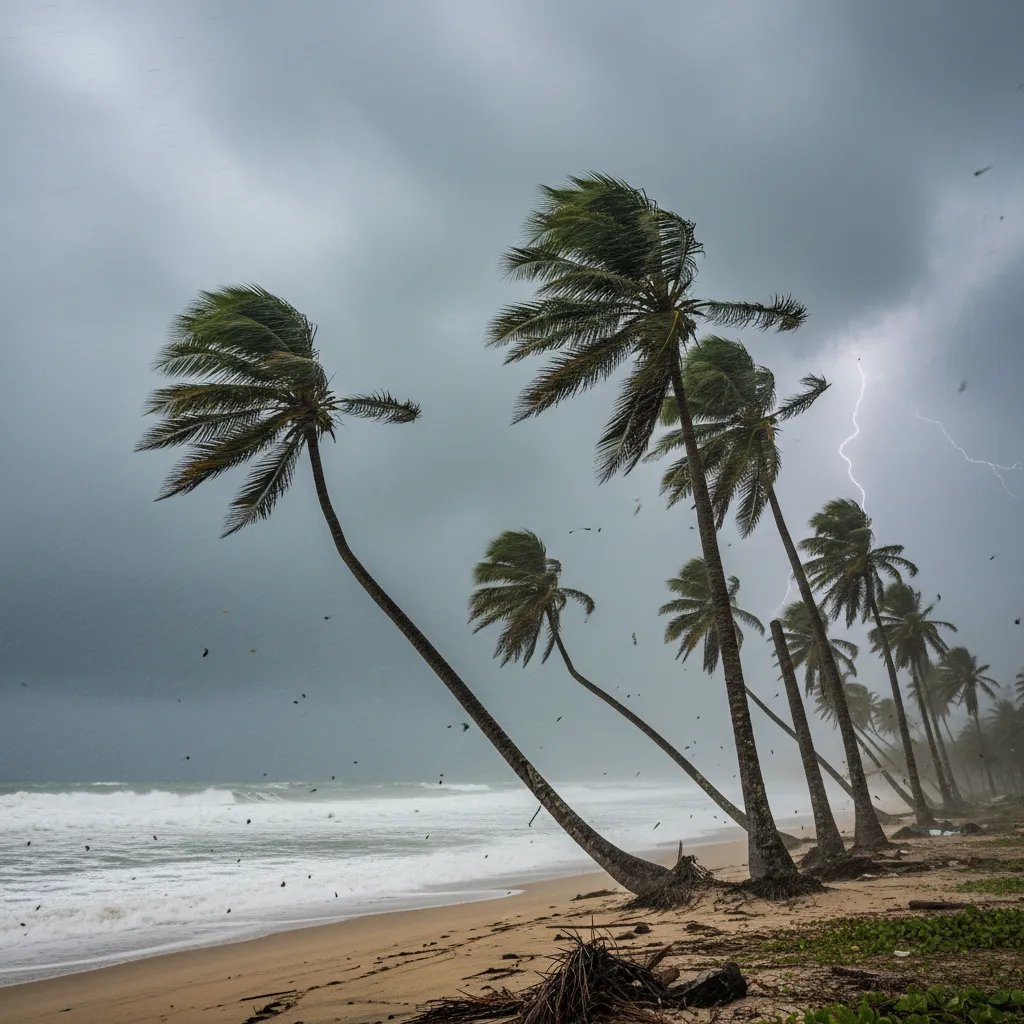
New Caledonia lies in the South Pacific cyclone belt. The cyclone season officially runs from November to April, with the highest risk typically in February and March.
When to Buy for Weather Coverage
The “Known Event” rule applies here as well. You must purchase your travel insurance before a cyclone is named.
If you book a trip for March but wait until the week of travel to buy insurance, and a tropical depression has already been named “Cyclone Cyclone-Name,” you will not be covered for cancellations or delays caused by that storm. The golden rule is to purchase insurance the same day you book your flights.
What Disruption Cover Should Include
- Flight Cancellations: Reimbursement for non-refundable costs if Aircalin or Air New Zealand cancels flights.
- Additional Accommodation: Coverage for extra hotel nights if you are stranded in Noumea due to airport closures.
- pre-paid Excursions: Refunds for tours cancelled due to severe weather.
Comparing NZ Insurance Providers
When selecting a provider for travel from New Zealand to New Caledonia, look for these specific features. (Note: Policy wordings change; always read the PDS).
Southern Cross Travel Insurance (SCTI)
A popular choice for Kiwi families. Their “International Comprehensive” policy typically includes unlimited medical assistance. They are known for covering pre-existing conditions, provided they are declared and approved during the screening process.
1Cover
Often favored by younger travelers and backpackers. They offer solid coverage for adventure activities, but you usually need to select the appropriate “Pack” to ensure diving below 10-12 meters is covered. Their app is useful for accessing policy documents offline.
Tower Insurance
Tower’s policies are often integrated with other banking products. They generally provide robust cancellation cover, which is vital given the potential for civil unrest or weather disruptions. Check their excess levels, as you can often lower your premium by choosing a higher excess.
Critical Policy Exclusions to Watch
Even the best travel insurance for New Caledonia has exclusions. Claims are frequently denied for the following reasons:

1. Alcohol and Intoxication
French wine and local beer are part of the Noumea experience, but if you injure yourself while under the influence of alcohol, your claim will be denied. This is a strict exclusion across almost all NZ insurers. If your medical report shows high blood alcohol levels after a fall or scooter accident, the insurer will refuse the $50,000 medical bill.
2. Motorbikes and Scooters
Renting a scooter to explore Isle of Pines? You must have a valid New Zealand motorcycle license to ride a bike over 50cc. Even for 50cc mopeds, you must be wearing a helmet. If you do not have a license to ride that specific engine size in NZ, you are not covered to ride it in New Caledonia.
3. Unattended Items
Theft is generally low in New Caledonia, but it happens. If you leave your bag on the beach while swimming, or your camera on a cafe table while ordering, this is considered “unattended” and will not be covered. Items must be with you or locked in a secure safe.
Frequently Asked Questions
Is travel insurance mandatory for entering New Caledonia?
While not strictly mandatory for tourist entry visas for New Zealand passport holders (who get a visa waiver for up to 3 months), it is highly recommended. Immigration officials may ask for proof of funds or insurance to ensure you can support yourself, especially given the high cost of medical care.
Does NZ ACC cover me in New Caledonia?
No. The Accident Compensation Corporation (ACC) only covers injuries that occur within New Zealand. Once you leave the country, ACC provides no coverage. You are fully liable for all medical costs overseas unless you have private travel insurance.
How much does travel insurance for New Caledonia cost?
For a one-week trip for a 30-year-old traveler, basic policies can start around NZD $60-$80. Comprehensive policies covering cancellation and lower excesses typically range from NZD $100-$150. Prices increase with age and the addition of pre-existing medical conditions.
Am I covered if the civil unrest restarts while I am there?
If you are already in New Caledonia and unrest breaks out unexpectedly (it was not a “known event” when you bought the policy), most comprehensive policies will cover cancellation costs to get you out or additional expenses if you are delayed. However, you must follow local authority instructions. Deliberately putting yourself in danger (e.g., attending a protest) will void coverage.
Does credit card travel insurance cover New Caledonia?
Many premium NZ credit cards (Gold/Platinum) offer complimentary travel insurance. However, you must usually activate it by paying for your flights with that card. Crucially, check the “medical evacuation” limit and whether they cover adventure sports like diving, as credit card policies are often more restrictive than standalone policies.
What happens if I get dengue fever?
Dengue fever is present in New Caledonia and is transmitted by mosquitoes. Travel insurance covers the medical treatment for Dengue fever, provided you sought advice and treatment as soon as symptoms appeared. It falls under standard medical illness coverage.