
When determining what to pack for New Caledonia, prioritize lightweight, breathable fabrics like linen for the day and smart-casual attire for French-inspired evenings. Essential items include high-SPF reef-safe sunscreen, strong insect repellent for tropical climates, sturdy hiking shoes for red-earth trails, a European power adapter, and personal snorkeling gear for the best underwater experience.
For New Zealanders, New Caledonia represents a unique travel paradox: it is our closest tropical neighbor, yet it feels a world away. A mere three-hour flight from Auckland transports you from the rugged landscapes of Aotearoa to a sophisticated blend of Melanesian tradition and French Riviera chic. However, this unique duality requires a strategic approach to packing. You cannot simply toss jandals and togs into a bag as you might for Fiji or Rarotonga; Noumea demands a touch more polish, while the wild Grand Terre demands rugged preparation.
This comprehensive guide is designed specifically for Kiwi travelers, addressing everything from the necessary voltage converters for your electronics to the specific type of sunscreen required to protect the world’s largest lagoon. By following this checklist, you ensure your holiday is defined by relaxation and adventure, rather than the stress of forgotten essentials or overpriced replacements.
What are the absolute travel essentials for New Caledonia?
Before worrying about your wardrobe, you must secure the logistics. New Caledonia is a special collectivity of France, meaning the administrative requirements differ slightly from other Pacific Island nations.
Passport and Visa Requirements
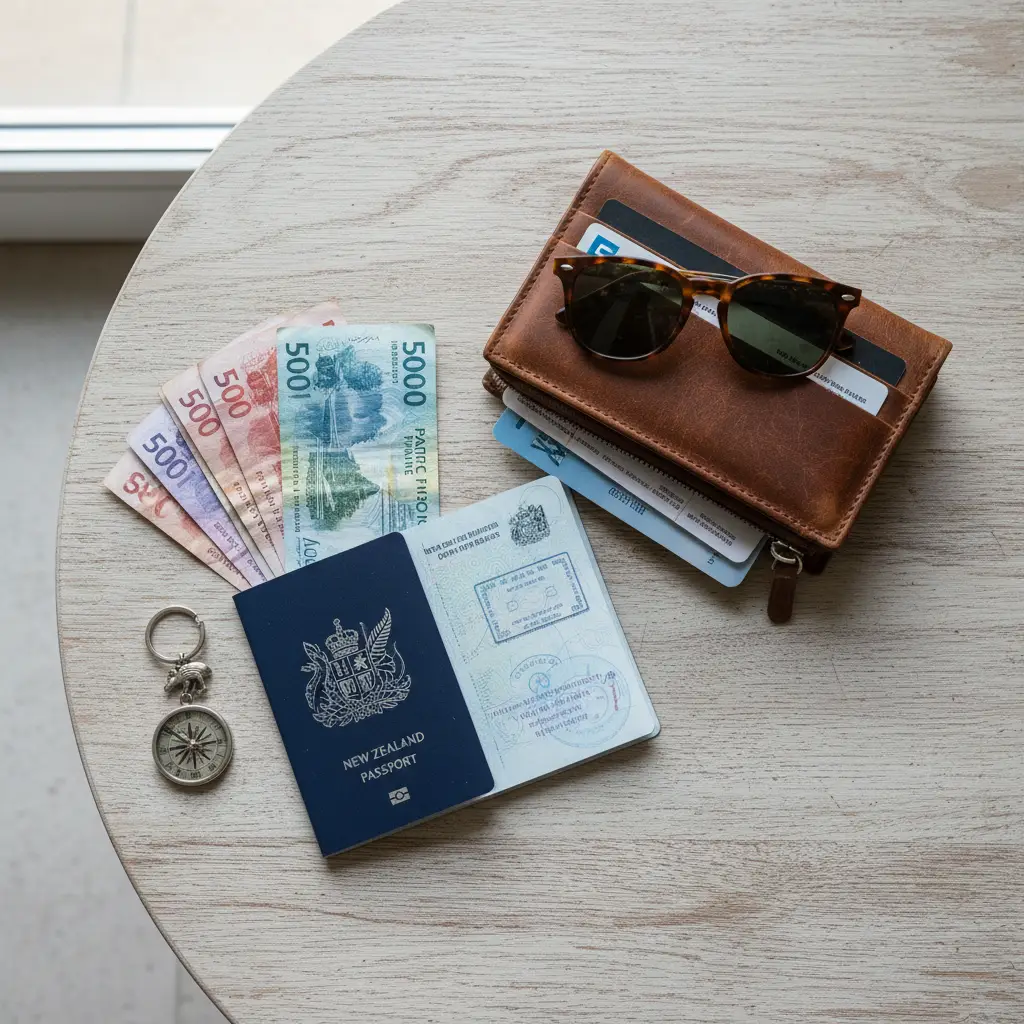
For New Zealand passport holders, a visa is generally not required for stays of up to three months. However, your passport must be valid for at least three months beyond your intended date of departure. It is highly recommended to have at least six months of validity to avoid any issues at check-in with airlines like Air New Zealand or Aircalin. Ensure you have a printed copy of your return ticket and proof of accommodation, as border officials in Noumea may request these upon arrival.
Currency and Wallet Essentials
Unlike some destinations where you can rely solely on a credit card, cash is king in many parts of New Caledonia, particularly outside of Noumea and on the Loyalty Islands. The currency is the Pacific Franc (XPF or CFP).
- Cash (XPF): While you can exchange NZD at Tontouta International Airport, the rates are often better if you withdraw from an ATM (distributor) upon arrival. Pack a debit card with low international transaction fees (like Wise).
- Credit Cards: Visa and Mastercard are widely accepted in hotels and larger restaurants, but AMEX is rare.
- Travel Insurance Policy: Medical costs in New Caledonia are comparable to France (i.e., high for non-residents). Ensure you have a printed copy of your policy number and emergency contact.
How should I dress for New Caledonia? (Resort vs. French Chic)
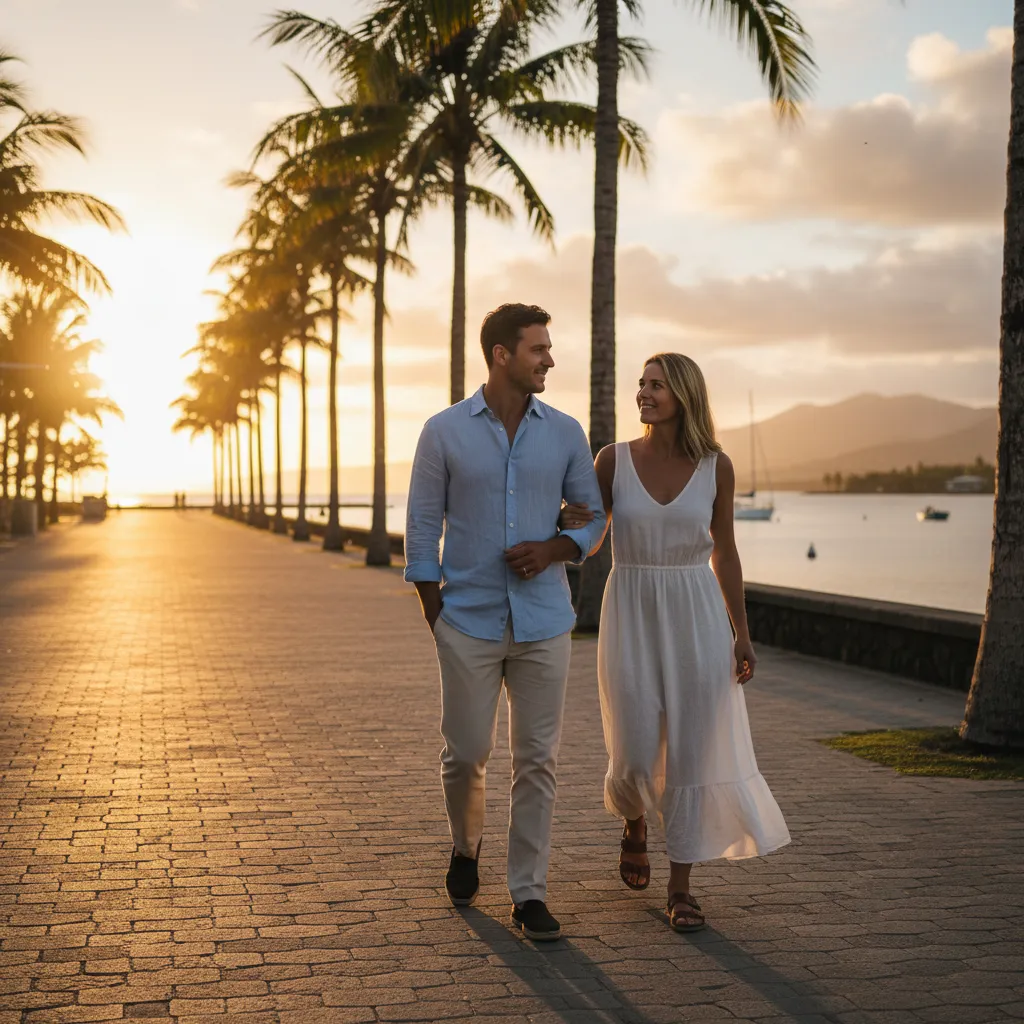
The sartorial landscape of New Caledonia is a fusion of island relaxation and Parisian elegance. The “Kiwi casual” approach (rugby shorts and worn-out jandals) is perfectly acceptable on the beach, but you may feel underdressed in the capital city, Noumea.
What is the dress code for Noumea?
Noumea is often called the “Paris of the Pacific.” When dining out at restaurants in Baie des Citrons or Anse Vata, the dress code shifts to “smart casual.”
- For Women: Pack breathable sundresses, linen trousers, and a nice blouse. A light scarf is a versatile accessory that adds a touch of French flair and protects against the evening breeze.
- For Men: Collared shirts (linen or cotton polo shirts) are standard for dinner. Tailored shorts are acceptable, but long trousers are preferred in upscale venues like Le Roof or L’Hippocampe.
- Footwear: Leave the rubber jandals for the beach. Leather sandals, boat shoes, or clean fashion sneakers are appropriate for city walking.
What should I pack for the Loyalty Islands and Isle of Pines?
Here, the vibe relaxes significantly. The focus shifts to practicality and comfort in the heat.
- Swimwear: Bring at least three pairs of togs. Humidity is high, and drying time can be slow. You want a dry pair always ready to go.
- Cover-ups: Sarongs or Kaftans are essential. It is culturally respectful to cover up when leaving the beach and entering villages or shops. Walking around town in just swimwear is frowned upon.
- Lightweight Rain Jacket: Tropical showers are sudden and heavy. A packable poncho or light rain shell is vital, especially if you are visiting during the warm season (November to April).
What toiletries and health items are non-negotiable?
New Caledonia is expensive. Imported goods, including toiletries, can cost two to three times what you pay at a New Zealand supermarket or Chemist Warehouse. Packing your own supply is a massive money-saver.
Why is Reef-Safe Sunscreen critical?
New Caledonia boasts the world’s largest enclosed lagoon and the second-largest double barrier reef. Protecting this UNESCO World Heritage site is a priority. Standard sunscreens containing oxybenzone and octinoxate bleach coral and harm marine life.
Pack this: Mineral-based sunscreens containing Zinc Oxide or Titanium Dioxide. Look for labels explicitly stating “Reef Safe.” You will need a lot of it—the tropical sun is far more intense than in New Zealand.
Insect Repellent: The defense against Dengue
Mosquitoes in New Caledonia can carry Dengue Fever and Zika virus. This is not just a nuisance; it is a health risk.
- Active Ingredients: Bring repellent containing DEET (at least 20-30%) or Picaridin. Natural citronella remedies are often ineffective against aggressive tropical mosquitoes.
- Timing: Mosquitoes are most active at dawn and dusk. Pack light-colored, long-sleeved clothing for these times.
What hiking and snorkeling gear do Eco-Adventurers need?
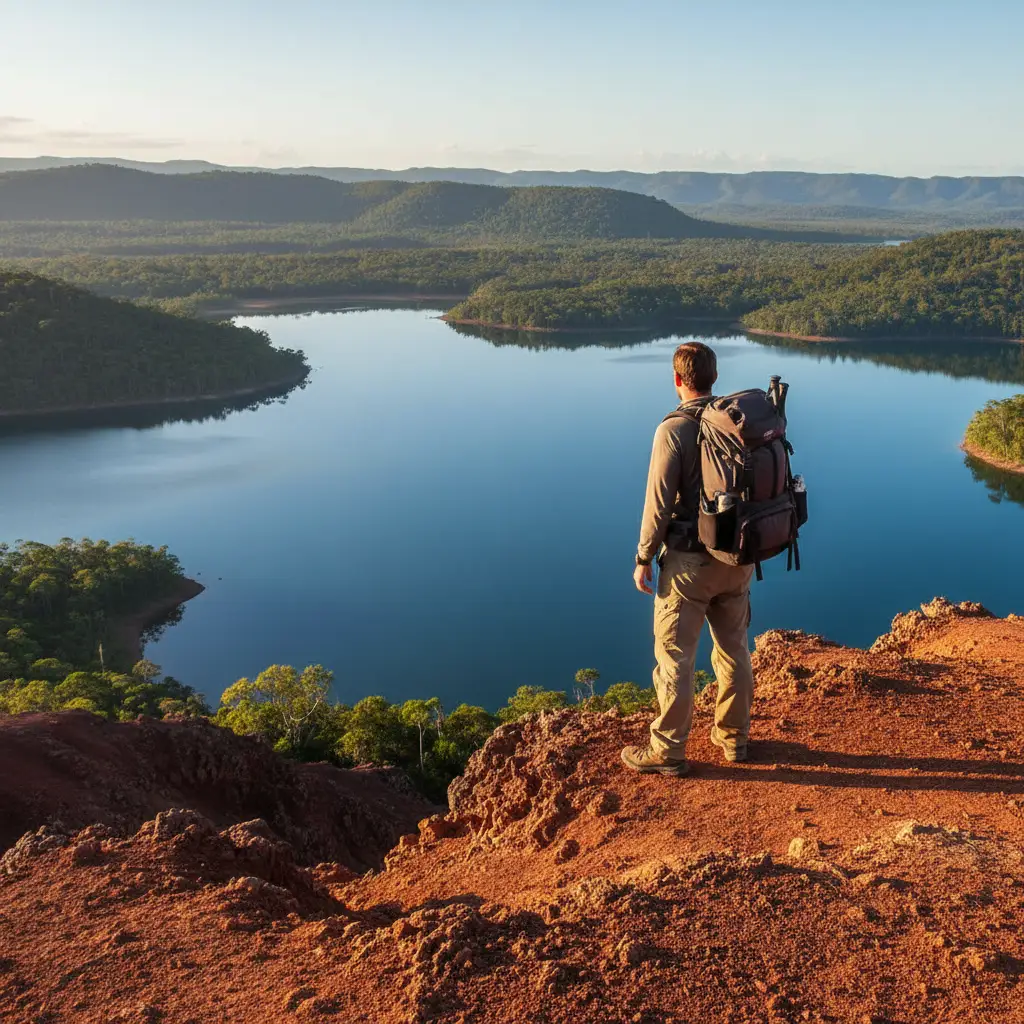
Beyond the beaches, the “Great South” (Grand Sud) offers a prehistoric landscape of red earth and drowned forests that beckons the Kiwi adventurer.
Hiking Gear: Coping with the Red Earth
The soil in the southern part of the main island (Grande Terre) is rich in iron oxide, creating a vibrant red dust that stains everything.
- Footwear: Do not hike in white sneakers. They will turn orange and likely stay that way. Pack sturdy, dark-colored hiking shoes or trail runners with good grip. The terrain can be rocky and uneven.
- Hydration: A reusable water bottle or CamelBak is essential. It reduces plastic waste and keeps you hydrated in the heat. Tap water is generally safe in Noumea, but bottled or filtered water is recommended in rural areas.
Snorkeling Gear: Bring your own or rent?
While most resorts and tour operators offer snorkel gear, there are compelling reasons to bring your own, especially for Kiwis used to water sports.
- Hygiene and Fit: A leaking mask can ruin a snorkeling trip. Bringing your own mask and snorkel ensures a perfect seal and hygiene peace of mind.
- Availability: If you plan to snorkel off the beach independently (e.g., at Yejele Beach in Mare or Kanumera Bay in Isle of Pines), rental shops may not be immediately available or open.
- Fins: These are bulky. If you are trying to travel carry-on only, leave the fins at home and rent them, or buy short travel fins. However, reef shoes are a must-pack to protect feet from sharp coral and stonefish during low tide exploration.
What electronics and adapters do Kiwis need?
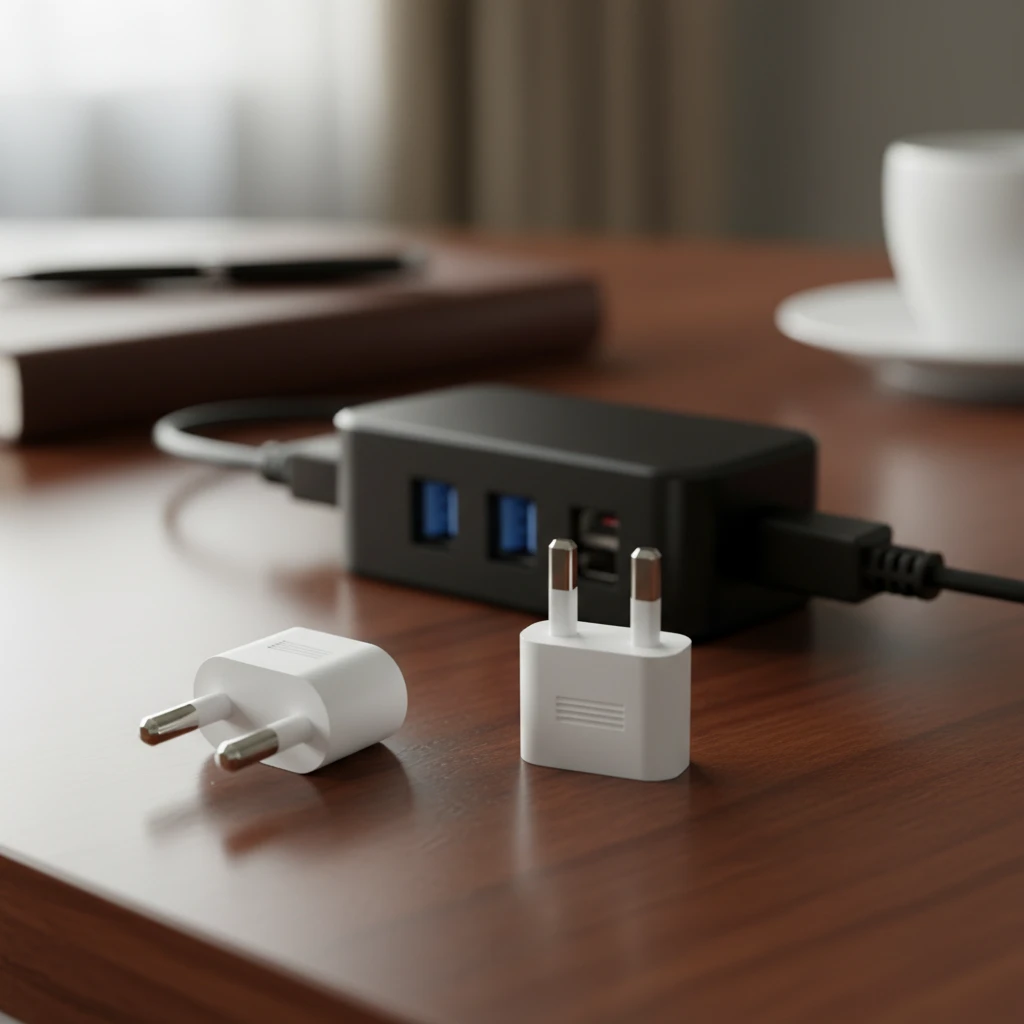
New Zealand uses Type I plugs, whereas New Caledonia uses the European standard. If you plug your NZ hair straightener directly into a wall in Noumea, it simply won’t fit.
Power Adapters and Voltage
- Plug Type: You need a Type E or Type F adapter (two round pins). This is the standard European plug.
- Voltage: New Caledonia operates on 220V, which is compatible with New Zealand’s 230/240V appliances. You generally do not need a voltage converter, just the plug adapter.
- Power Strips: If you have multiple devices (phone, camera, drone, watch), bring a Kiwi power board. You can plug the board into the wall using one adapter, and then charge all your NZ devices at once.
Seasonal Packing Variations
New Caledonia enjoys a semi-tropical climate, but there are distinct seasons that should influence your packing list.
The Hot Season (November to March)
This is the cyclone season. It is hot (averaging 30°C) and humid.
Add to list: Extra changes of clothes (you will sweat), heavy-duty waterproofing for electronics, and a high-quality rain jacket.
The Cool Season (June to August)
While days are pleasant (20-24°C), evenings can drop to a crisp 15°C, especially near the water.
Add to list: A warm jumper or merino layer for the evenings. A wetsuit top (1.5mm or 2mm) is highly recommended for snorkeling, as the water temperature drops to around 21°C, which can feel chilly for prolonged swimming.
People Also Ask
Can I drink the tap water in New Caledonia?
Tap water is generally safe to drink in Noumea and major towns on the main island (Grande Terre). However, in rural areas, the Loyalty Islands, and Isle of Pines, it is recommended to drink bottled water or use a water filter bottle to avoid stomach upsets.
Do I need to pack a wetsuit for New Caledonia?
If you are traveling between June and September (the cooler months), a light wetsuit or rash top is recommended as water temperatures can drop to 21°C. In the summer months (November to March), the water is warm enough (26-28°C) for swimwear only.
Is food expensive in New Caledonia?
Yes, food can be quite expensive as many products are imported from France or Australia/NZ. To save money, pack some dry snacks like muesli bars, nuts, or crackers in your luggage (declare them at customs), and shop at local supermarkets (like Casino or Carrefour) rather than eating every meal at hotels.
What is the baggage allowance for Aircalin domestic flights?
If you are flying domestically with Air Calédonie to the islands (Isle of Pines, Lifou, etc.), the baggage allowance is stricter than international flights. Checked luggage is often limited to 20kg (sometimes 12kg on lowest fares), and carry-on is strictly 3kg or 5kg depending on the aircraft. Check your ticket carefully.
Can I use my New Zealand cell phone in New Caledonia?
Yes, but roaming charges can be exorbitant. It is highly recommended to purchase a local SIM card (OPT-NC) upon arrival at the airport or in Noumea. Alternatively, check if your provider offers a daily roaming pass, but local data is usually cheaper.
What should I not pack for New Caledonia?
Do not pack fresh fruit, vegetables, meat, or honey, as New Caledonia has strict biosecurity laws similar to New Zealand. Also, avoid camouflage clothing, which is restricted in some Pacific nations, although enforcement varies. Heavy winter coats are unnecessary even in the coolest months.