The Chutes de la Madeleine, or Madeleine Falls, represents one of the most iconic natural landmarks in New Caledonia’s Great South (Grand Sud). Located within a protected botanical reserve, these falls offer a unique glimpse into the archipelago’s prehistoric landscapes, characterized by iron-rich red soil and a staggering array of endemic plant species found nowhere else on the planet.
Chutes de la Madeleine is a low-set, wide waterfall located in the Plaine des Lacs region of New Caledonia. It is the centerpiece of a 400-hectare botanical reserve dedicated to preserving rare endemic flora, including primitive conifers. The site is easily accessible via the Yaté road, approximately 90 minutes from Nouméa.
How do you get to Chutes de la Madeleine via the Yaté road?
The journey to Chutes de la Madeleine is as much a part of the experience as the destination itself. Departing from Nouméa, the capital of New Caledonia, travelers head south toward the municipality of Yaté. The route takes you through the stunning landscapes of the Grand Sud, where the lush green forests of the north transition into the striking “Terra Rossa” or red earth that defines the southern province.
Driving from Nouméa
For New Zealand travelers accustomed to winding coastal roads, the drive to Yaté offers a familiar yet exotic challenge. The road is fully sealed, but it climbs steeply over the Col de Mouirange, providing panoramic views of the surrounding mountains and the distant lagoon. Once you descend into the Plaine des Lacs, the landscape flattens out into a vast, scrubby plateau. The turn-off for the Chutes de la Madeleine is clearly signposted about 15 kilometers before the village of Yaté. It is recommended to hire a vehicle with decent ground clearance, although a standard 2WD is sufficient for the main road.
The Scenic Plaine des Lacs
As you traverse the Yaté road, you will pass the massive Yaté Dam (Barrage de Yaté), a feat of engineering that provides a significant portion of the island’s electricity. The surrounding area, known as the Plaine des Lacs, is dotted with freshwater lakes and marshes. The contrast between the deep blue water and the vibrant crimson soil is a photographer’s dream. This region is sparsely populated, so ensure you have a full tank of fuel and plenty of water before leaving the Nouméa urban area.

What is the best way to view the Chutes de la Madeleine?
Unlike the towering cascades found in the tropical jungles of the north, Chutes de la Madeleine is a wide, tiered waterfall that drops only about 5 meters. However, what it lacks in height, it more than makes up for in its serene beauty and the unique geological context in which it sits. The falls are the focal point of the Réserve Naturelle de la Madeleine.
The Viewing Platform
Upon entering the reserve and paying the modest entry fee, a well-maintained gravel path leads visitors toward the falls. The walk is easy and flat, making it accessible for families and those with moderate fitness levels. After a short 15-minute stroll through the scrubland, you reach a wooden viewing platform that overlooks the falls. From here, you can watch the water spill over a wide ledge of dark volcanic rock into a clear pool below.
Photography and Best Times
The best time to photograph the Chutes de la Madeleine is during the “golden hour”—either shortly after sunrise or before sunset. The low light enhances the red hues of the soil and the deep greens of the surrounding conifers. For New Zealand visitors, the light here has a different quality due to the tropical latitude; it is sharper and more intense. Visiting during the week is often quieter than weekends, when local families from Nouméa frequently visit for day trips. While the falls are perennial, they are most impressive after a period of rainfall, though the path remains walkable even in damp conditions.

What makes the botanical trail and endemic plants so special?
The Réserve de la Madeleine is a treasure trove for botanists and nature enthusiasts. The area is a prime example of “maquis minier,” a type of scrubland that has evolved to survive on the nutrient-poor, metal-rich ultramafic soils of the south. This harsh environment has led to an extraordinary level of endemism; many of the plants found here exist nowhere else on Earth.
A Sanctuary of Primitive Conifers
One of the most remarkable features of the botanical trail is the presence of seven different species of endemic conifers. New Caledonia is often referred to as a “living laboratory” because it contains many plant lineages that date back to the supercontinent of Gondwana. Along the trail, you will find species of *Araucaria* and *Dacrydium* that look like they belong in the Jurassic period. The reserve is particularly famous for being one of the few places where you can see the *Neocallitropsis pancheri*, a rare conifer that is highly adapted to the marshy edges of the falls.
Navigating the Botanical Trail
The trail is punctuated with educational signage (often in both French and English) that explains the unique adaptations of the flora. You will notice that many plants have thick, waxy leaves—an adaptation to prevent water loss and to tolerate the high concentrations of heavy metals like nickel and magnesium in the soil. The biodiversity here is not just limited to plants; keep an eye out for the many species of lizards and dragonflies that thrive in this specialized ecosystem. For visitors from New Zealand, the lack of large mammals will be familiar, but the sheer variety of primitive plant life offers a stark and fascinating contrast to the podocarp forests of home.

What should you expect at the Netcha camping grounds?
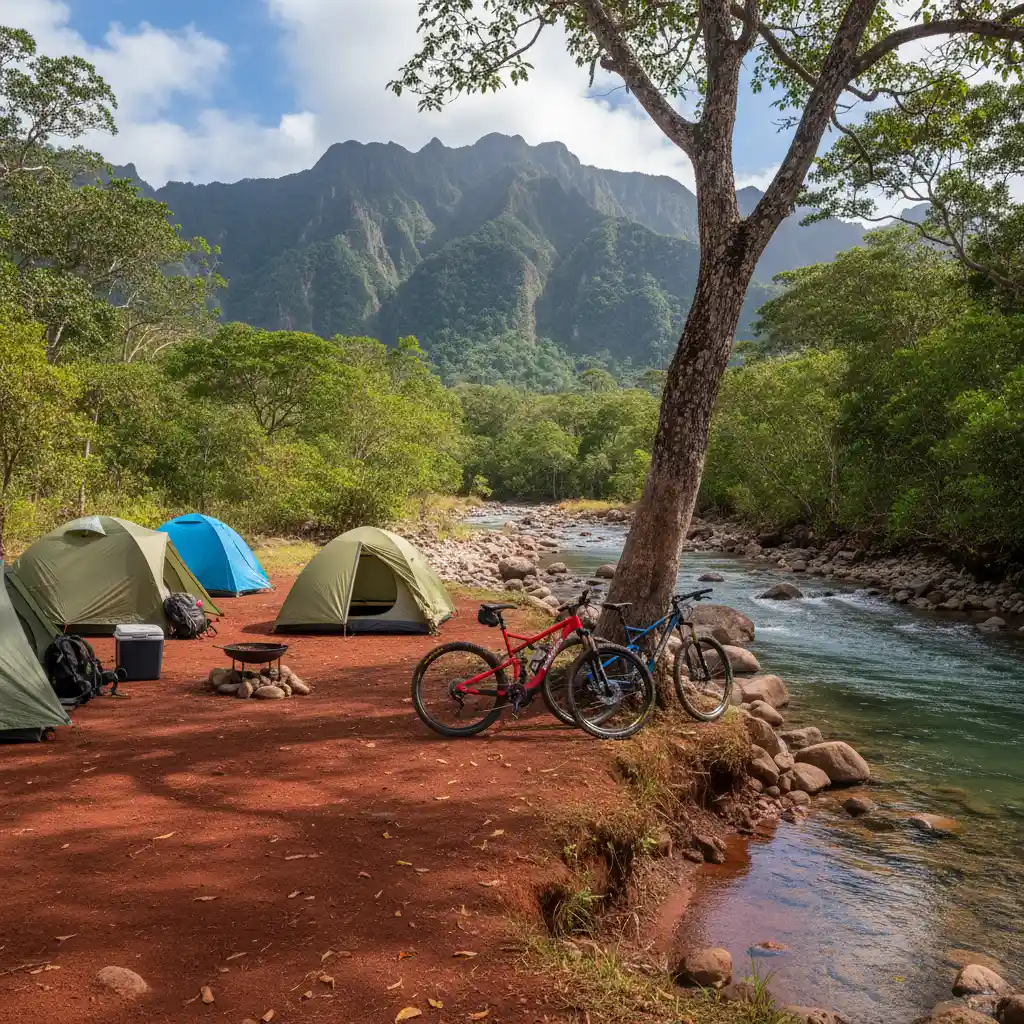
Just a short drive from the Chutes de la Madeleine is the Netcha area, a hub for outdoor recreation and one of the most popular camping spots in the Grand Sud. Situated along the banks of the Rivière Bleue (Blue River) system, Netcha offers a more rugged and immersive experience for those looking to spend more than a few hours in the region.
Camping Facilities and Atmosphere
The Netcha camping grounds are designed for those who appreciate simplicity and proximity to nature. There are designated areas for tents and small campervans, equipped with basic amenities such as dry toilets and picnic tables. There is no electricity or potable water on-site, so campers must come fully prepared. The atmosphere at Netcha is one of quiet contemplation; at night, the lack of light pollution reveals a spectacular canopy of stars, including the Southern Cross, which New Zealanders will find comforting yet viewed from a slightly different angle.
Mountain Biking and Kayaking
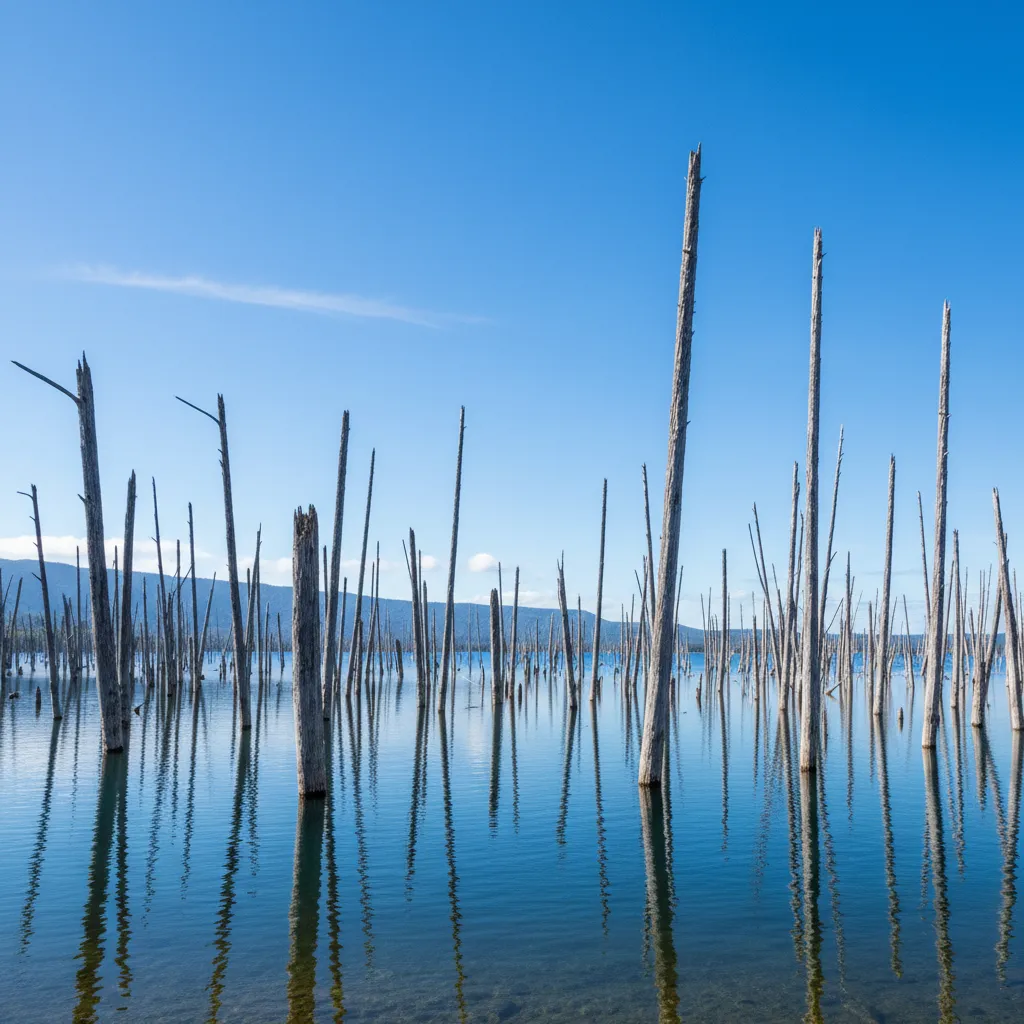
Netcha is widely regarded as the mountain biking capital of New Caledonia. The red earth provides a grippy, fast-rolling surface for a network of trails that cater to all skill levels. From easy family loops to technical single-tracks that weave through the scrub, the “VTT” (Velo Tout Terrain) culture is strong here. Additionally, the calm waters of the nearby river are perfect for kayaking. Many visitors choose to rent a kayak to explore the “Drowned Forest” (Forêt Noyée), where the bleached trunks of dead trees rise from the blue water, creating a hauntingly beautiful landscape. This area is a must-visit for active travelers who want to combine their sightseeing with physical adventure.
Practical Information for Your Visit
To make the most of your trip to Chutes de la Madeleine and Netcha, some planning is required. The Grand Sud is a remote area, and services are limited once you leave the outskirts of Nouméa. New Zealanders visiting the area should keep in mind that New Caledonia operates on a different pace, and many sites have specific opening hours.
What to Pack
The sun in New Caledonia is exceptionally strong, and the reflection off the red earth can increase UV exposure. A high-SPF sunscreen, a wide-brimmed hat, and polarized sunglasses are essential. Even if you are only doing the easy botanical walk, sturdy walking shoes are recommended as the red dust can be slippery and will permanently stain light-colored clothing. If you plan on swimming in the river at Netcha, bring water shoes to protect your feet from sharp rocks. Finally, ensure you have a basic first-aid kit and plenty of insect repellent, as mosquitoes can be prevalent near the water at dusk.
Entry Fees and Hours
The Réserve de la Madeleine usually charges a small entry fee (approximately 400 to 500 CFP) which goes toward the maintenance of the trails and the protection of the endemic species. The park is typically open from 8:30 AM to 5:00 PM, but it is often closed on Tuesdays for maintenance. It is always wise to check the local tourism office in Nouméa or the provincial website before setting out, as weather conditions or fire risks can occasionally lead to temporary closures of the southern parks.
People Also Ask
How do I get to Chutes de la Madeleine from Nouméa?
The most common way is by renting a car and driving approximately 90 minutes south via the RP1 and the Yaté road. There are no regular public transport options to this remote area, so a rental vehicle or a guided tour is necessary.
Do I need a 4WD to visit Netcha?
While a 4WD is not strictly necessary for the main access roads to Chutes de la Madeleine or the primary Netcha camping area, it is recommended if you plan to explore deeper into the Blue River Provincial Park or if you are visiting during the wet season when tracks can become muddy.
What are the opening hours for the Madeleine Falls Reserve?
The reserve is generally open Wednesday through Monday from 8:30 AM to 5:00 PM. It is typically closed on Tuesdays. Always verify with local authorities as hours can change during public holidays or due to weather conditions.
Can you swim at Chutes de la Madeleine?
Swimming is generally discouraged or restricted directly at the waterfall to protect the fragile aquatic ecosystem and the rare plant species lining the banks. However, there are designated swimming areas nearby at the Netcha river sites.
What unique plants are found at the botanical trail?
The trail features several species of primitive conifers, most notably the Neocallitropsis pancheri. You will also see various species of Araucaria, carnivorous plants (Drosera), and unique scrubland flora adapted to the metal-rich red soil.
Is there an entrance fee for the park?
Yes, there is a small entrance fee of roughly 400-500 CFP per person. This fee supports the conservation efforts of the South Province and the maintenance of the visitor facilities and trails.