
Parc de la Riviere Bleue hiking offers an unparalleled outdoor experience in New Caledonia’s Great South. This 9,000-hectare provincial park features diverse trails ranging from easy walks to challenging climbs, showcasing unique biodiversity, the iconic Drowned Forest, and the rare Cagou bird. It is a premier destination for nature lovers seeking pristine landscapes and adventure.
What is the Drowned Forest (Foret Noyee)?
The Drowned Forest, or Foret Noyee, is perhaps the most iconic visual landmark in Parc de la Riviere Bleue. This surreal landscape was created following the construction of the Yate Dam in the 1950s, which flooded the valley and partially submerged a forest of ancient Kaori trees. Unlike most trees that rot when submerged, these specific conifers (Agathis lanceolata) have remained standing for decades, their bleached, skeletal remains rising from the turquoise waters of the lake.
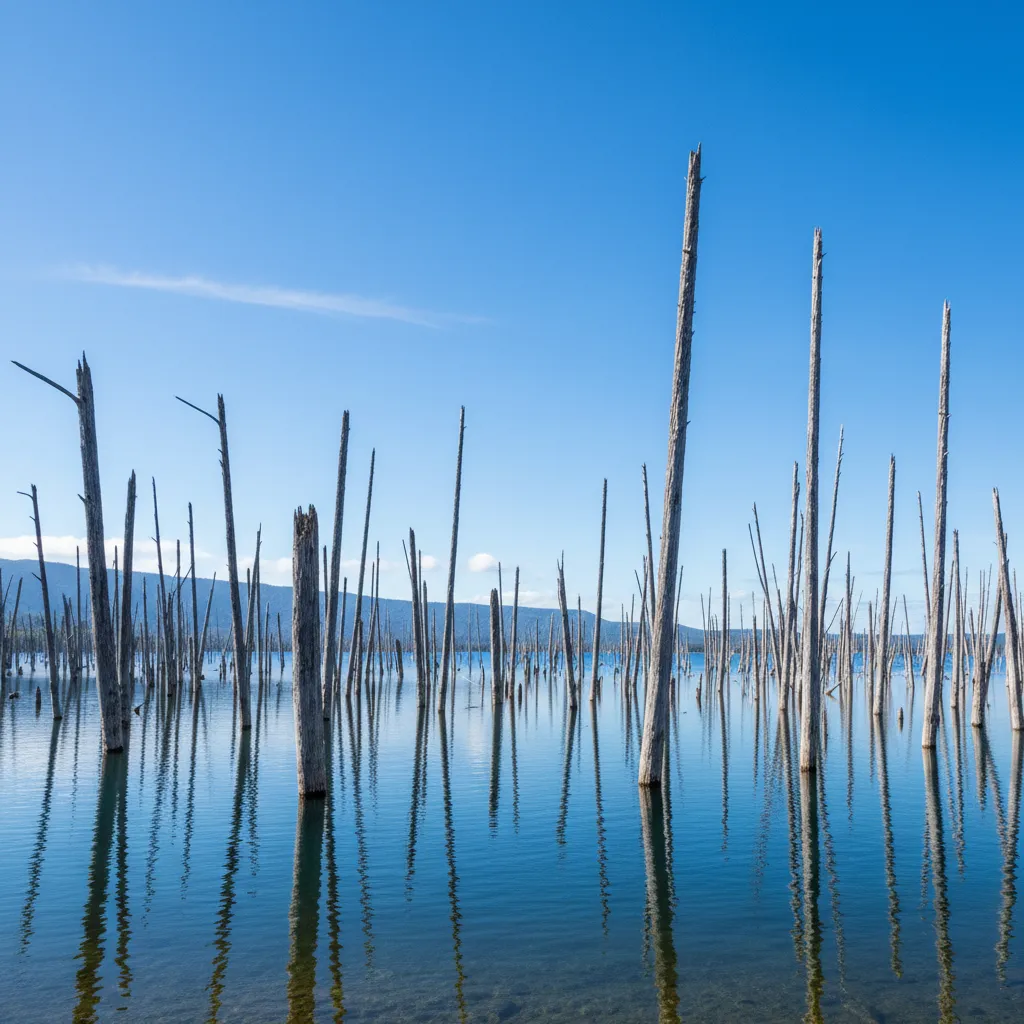
For hikers, the Foret Noyee offers a hauntingly beautiful backdrop. The contrast between the vibrant red earth (laterite), the deep blue of the water, and the silver-white trunks is a photographer’s dream. While you can view the forest from various hiking trails along the perimeter, the best way to experience it is by getting closer to the water’s edge. The silence of the area, broken only by the sound of the wind or the call of a distant bird, creates an atmosphere of primordial peace. For New Zealanders used to the lush greens of the Southern Alps or the volcanic grays of Tongariro, the stark color palette of the Blue River Provincial Park is a refreshing and exotic change of pace.
How Can You Encounter the Cagou Bird?
Meeting the Cagou bird is often the highlight of any trip to Parc de la Riviere Bleue. The Cagou (Rhynochetos jubatus) is New Caledonia’s national emblem and is a unique, flightless bird found nowhere else on Earth. With its ash-grey plumage, bright orange legs, and a magnificent crest that it fans out during displays, the Cagou is as charismatic as it is rare. Due to dedicated conservation efforts within the park, the population here is one of the most stable in the archipelago.
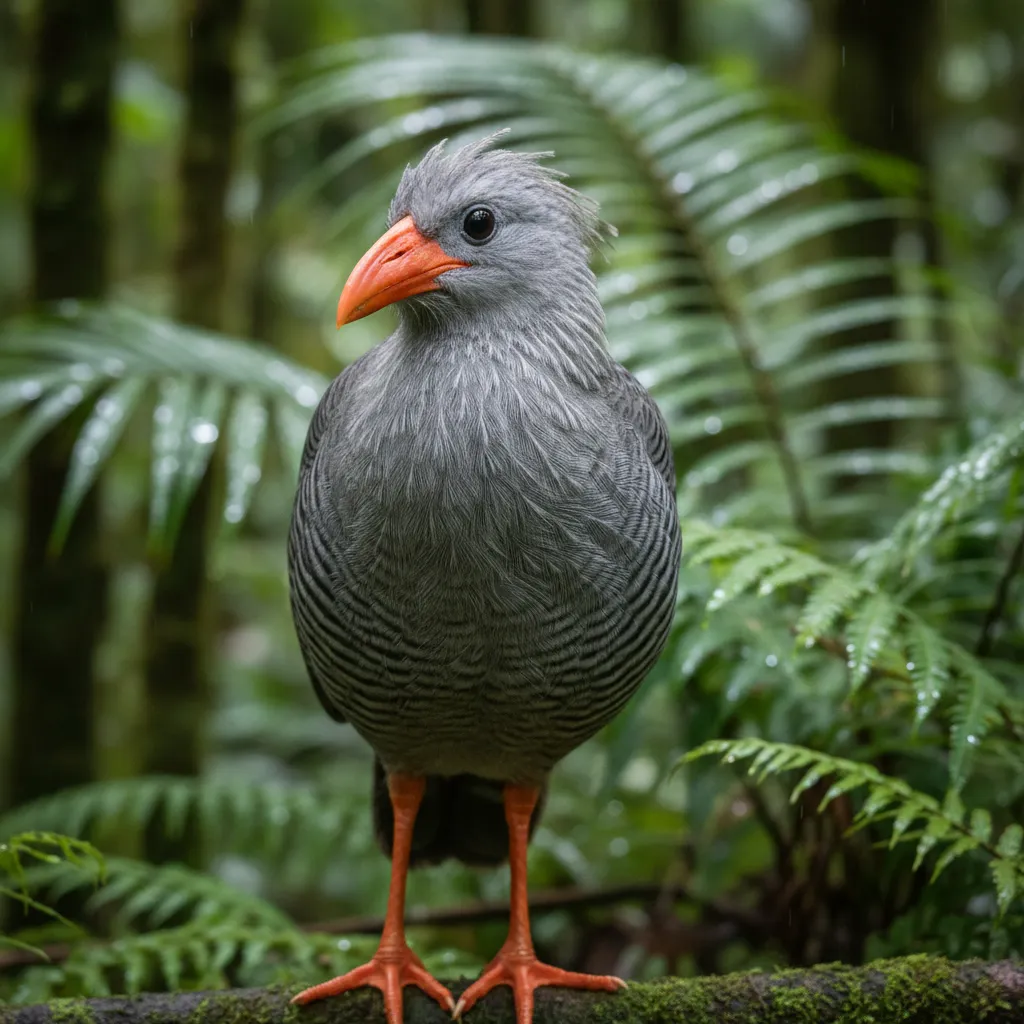
To increase your chances of a sighting, it is best to hike in the early morning or late afternoon when the birds are most active on the forest floor, foraging for worms and snails. The “Sentier des Cagous” (Cagou Trail) is specifically designed to take visitors through prime habitat. Because the birds have few natural predators within the protected confines of the park, they are surprisingly bold and may occasionally walk right up to quiet observers. However, visitors are strictly reminded not to feed or touch them, as they are a vulnerable species. Hearing their distinct bark—which sounds remarkably like a dog—is a common occurrence that signals you are in the heart of their territory.
Where Can You Rent Mountain Bikes and Kayaks?
While hiking is the primary draw, Parc de la Riviere Bleue is a multi-sport destination. The park’s layout, with its long, winding tracks and expansive lake, makes mountain biking and kayaking highly popular alternatives. Near the “Pont Perinet” (Perinet Bridge), there is a dedicated rental station where visitors can hire high-quality equipment. This allows for a “multi-modal” exploration of the park: you might bike to a remote trailhead, hike to a viewpoint, and then kayak back through the Drowned Forest.
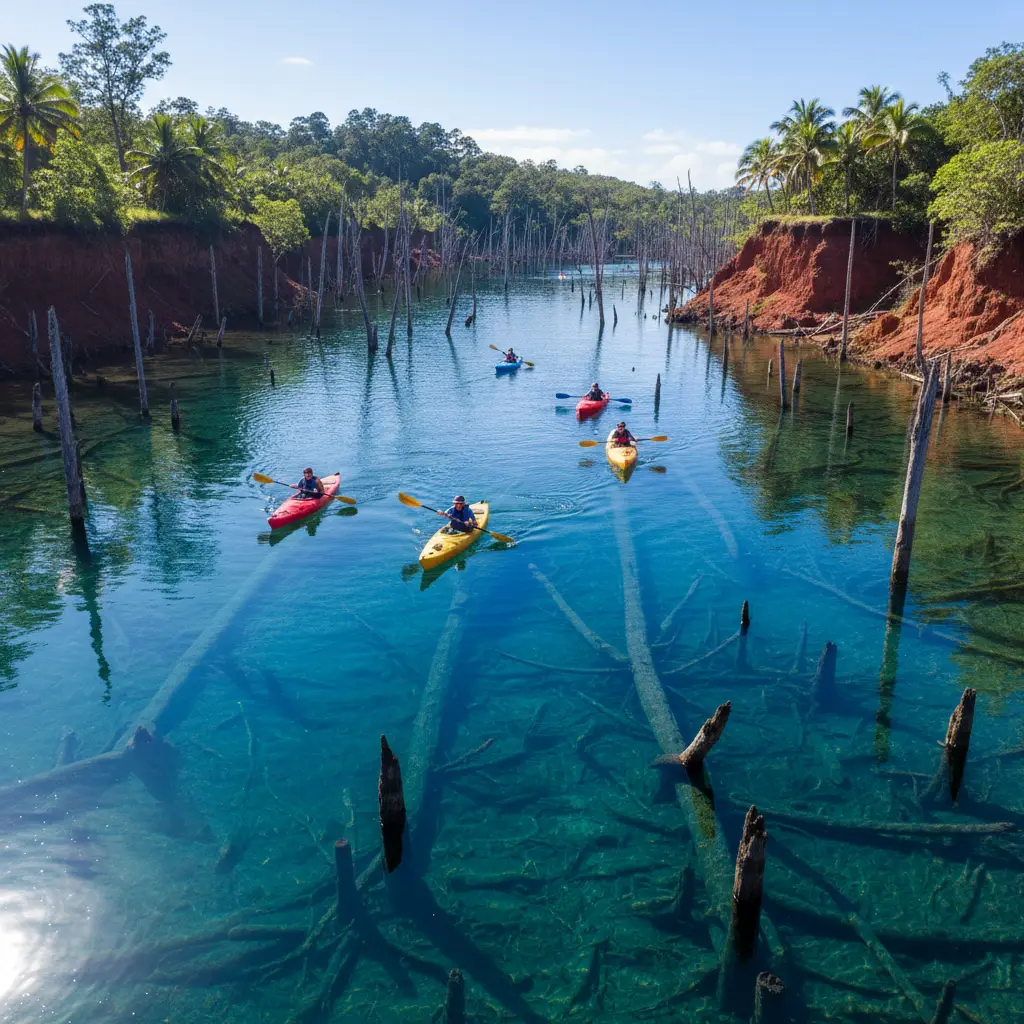
Kayaking is specifically recommended for those who want to navigate the skeletal remains of the Foret Noyee. Gliding silently between the ancient trunks offers a perspective that simply cannot be matched from the shore. Mountain biking, on the other hand, is the most efficient way to cover the vast distances between the park entrance and the deeper reaches of the Grand Kaori forest. The trails are generally well-maintained and range from flat, easy paths suitable for families to more rugged terrain for experienced riders. For Kiwis who enjoy the cycle trails of New Zealand, the red-dirt tracks of New Caledonia offer a similar sense of freedom with a tropical twist.
How Do the Shuttle Bus Services Work?
To preserve the pristine environment and manage traffic, Parc de la Riviere Bleue operates a mandatory shuttle bus service (navette) for access to the inner zones of the park. Private vehicles are generally restricted to the parking areas near the entrance. The shuttle runs on a fixed schedule, transporting hikers and their gear to various drop-off points, including the Pont Perinet and the Grand Kaori site. This system is highly efficient and ensures that the most sensitive areas of the park remain quiet and free from congestion.
Understanding the shuttle schedule is crucial for planning your day. The buses typically run every hour or half-hour depending on the season and day of the week. There is a small fee for the shuttle service, which is usually paid at the park entrance along with the modest admission fee. For those who prefer total independence, renting a mountain bike at the entrance is the best way to bypass the shuttle while still respecting the no-car policy. However, for most hikers, the shuttle provides a convenient way to reach the start of the more remote trails without exhausting themselves on the access roads.
What are the Best Parc de la Riviere Bleue Hiking Trails?
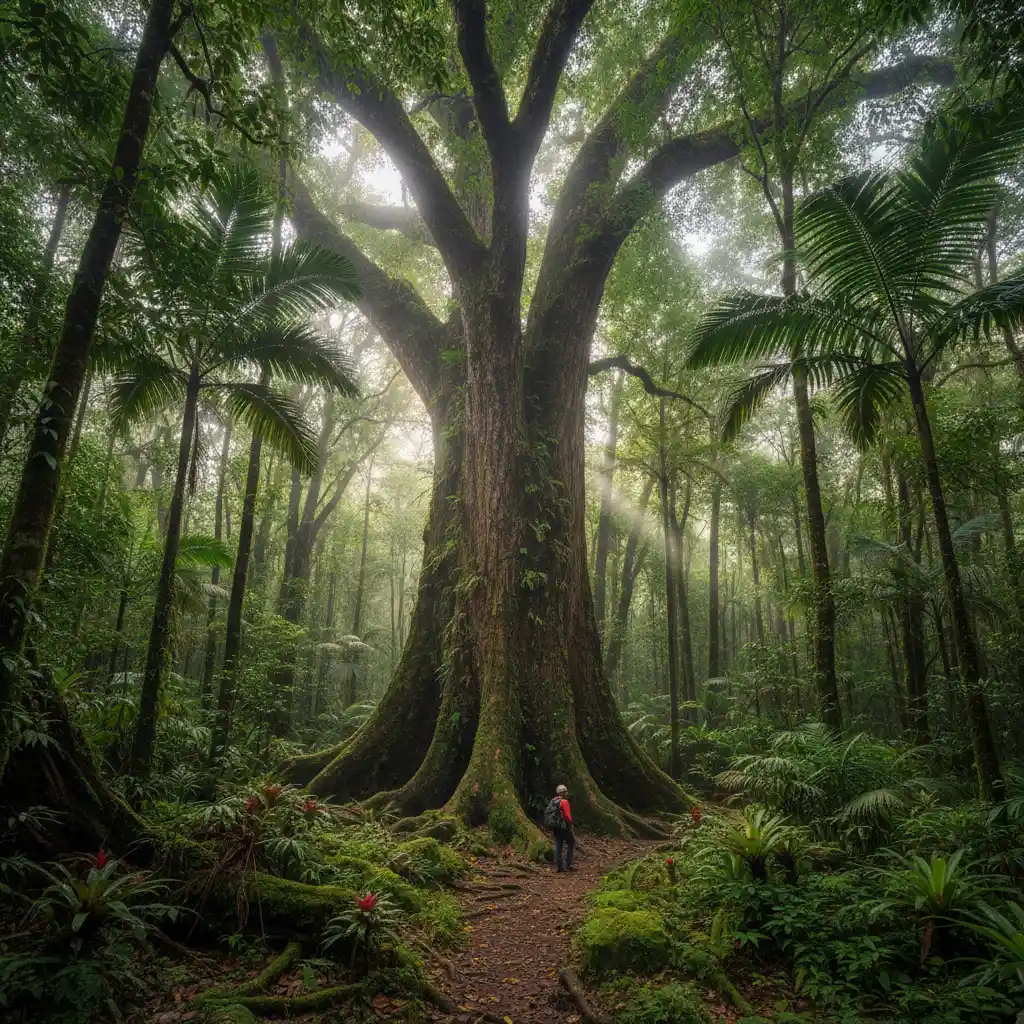
The park offers a variety of trails that cater to all fitness levels. One of the most popular is the path leading to the **Grand Kaori**. This trail takes you to a massive, ancient Kaori tree estimated to be over 1,000 years old. The sheer scale of the trunk is breathtaking, serving as a living monument to the island’s botanical history. The walk is relatively easy and well-shaded, making it accessible for most visitors.
For those seeking a more strenuous challenge, the climb to the **Sentier de la Crête** offers panoramic views of the entire valley and the Yaté Lake. This trail involves significant elevation gain but rewards hikers with a bird’s-eye view of the red earth meeting the blue water. Another excellent option is the **Sentier de la Rivière Bleue**, which follows the course of the river itself, offering numerous spots to stop for a refreshing dip in the crystal-clear swimming holes. The water is surprisingly cool and serves as the perfect reward after a few hours of trekking in the tropical humidity.
Essential Tips for New Zealand Travelers
For New Zealanders planning a trip to Parc de la Riviere Bleue, timing and preparation are key. The park is located about 60 to 90 minutes’ drive from Noumea, the capital of New Caledonia. While New Zealanders do not require a visa for short stays, it is important to remember that New Caledonia is a French territory; having a few basic French phrases can enhance your experience, though most park staff speak some English. The best time to visit is during the cooler, drier months from May to October, which avoids the peak heat and humidity of the tropical summer.
Pack as you would for a day hike in the Waitakere Ranges or Abel Tasman, but with a focus on sun protection. The New Caledonian sun is intense, and the red laterite soil can reflect heat. Sturdy hiking boots are recommended, as the terrain can be rocky and slippery when wet. Additionally, bring plenty of water and snacks, as there are limited facilities once you move past the main entrance and rental stations. Finally, ensure your camera batteries are fully charged; between the Cagous and the Drowned Forest, you will be using it constantly.
People Also Ask
Is Parc de la Riviere Bleue open every day?
The park is typically open from Tuesday to Sunday, closing on Mondays for maintenance. It is always wise to check the official provincial website for public holiday closures or weather-related restrictions before departing from Noumea.
Do I need a guide for hiking in the park?
No, the trails are well-marked and easy to follow for independent hikers. However, guided tours are available and can provide deeper insight into the unique flora and fauna of the region.
Can I swim in the Blue River?
Yes, there are several designated swimming holes along the river. The water is clear, fresh, and very safe. It is a popular activity for locals and tourists alike during the warmer months.
How much does it cost to enter the park?
The entrance fee is very affordable, usually around 400 to 600 CFP (roughly $6-$8 NZD). The shuttle bus and equipment rentals incur additional small fees.
Are there snakes or dangerous animals in the park?
New Caledonia has no snakes or large predatory mammals. The main things to watch out for are mosquitoes and the occasional wasp. It is a very safe environment for outdoor exploration.
How do I get to the park from Noumea?
The most common way is by renting a car and driving south. There are also organized day tours that depart from Noumea hotels if you prefer not to drive yourself.


