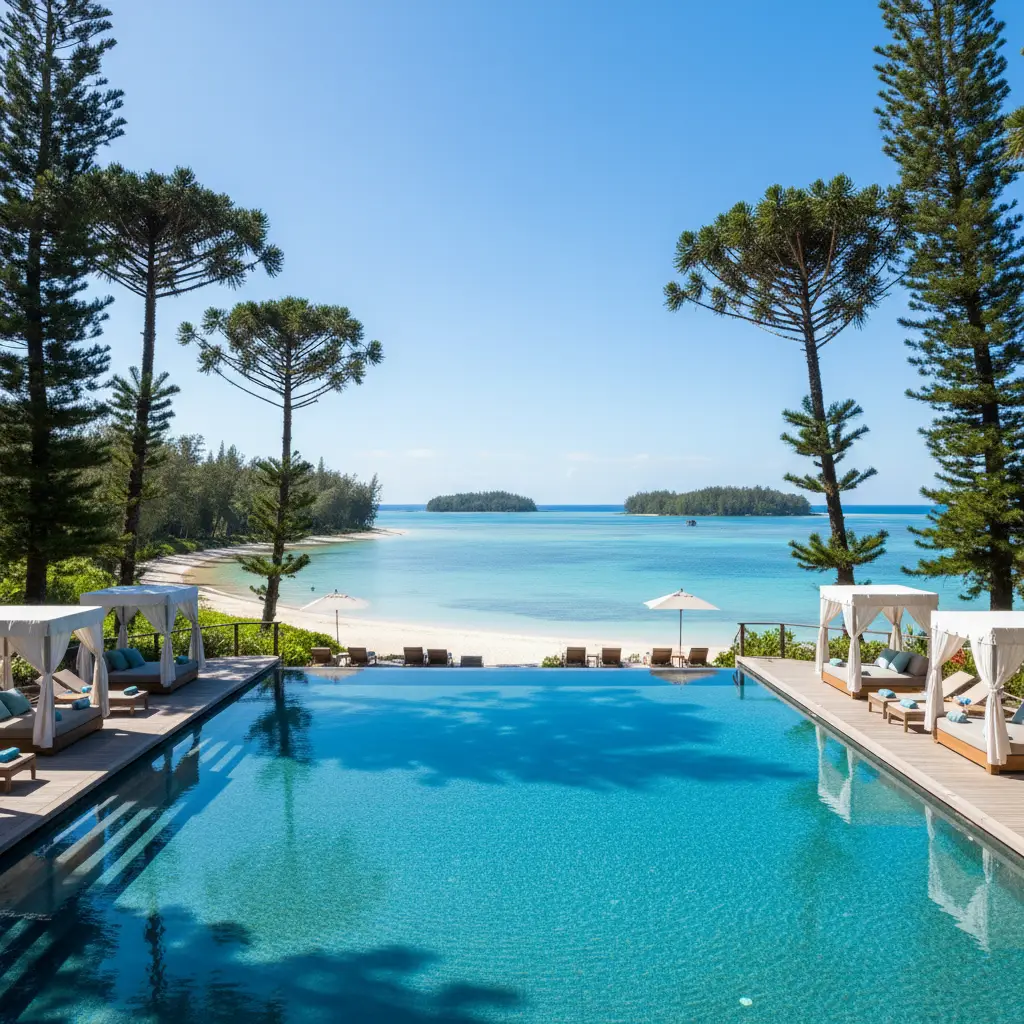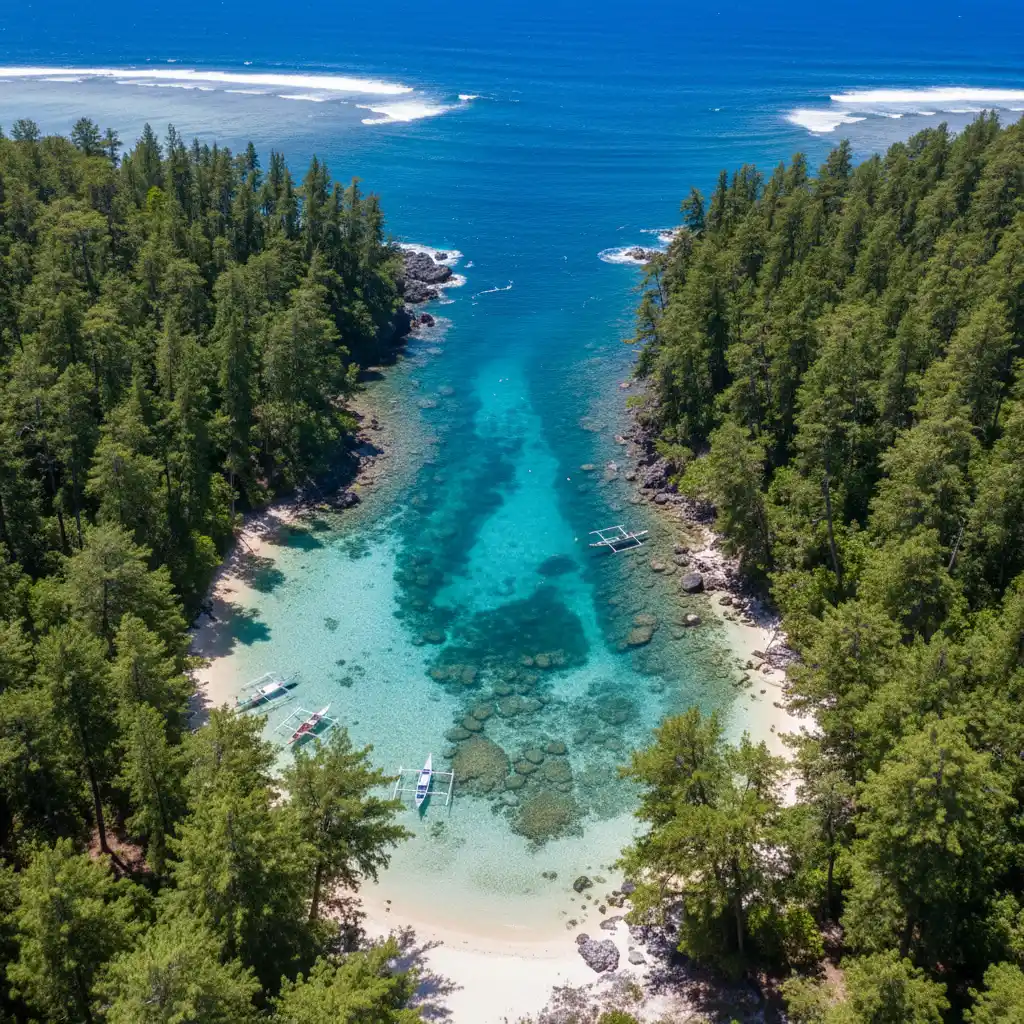
Queen Hortense Cave, located on the Isle of Pines in New Caledonia, is a historic limestone cavern nestled within a lush tropical garden. It is famous for being the refuge of Queen Hortense during a tribal conflict in 1855 and features impressive stalactites, a flat sandy floor, and natural skylights.
What is the legend of Queen Hortense?
The Queen Hortense Cave Isle of Pines is not merely a geological wonder; it is a site of deep historical and cultural resonance for the Kanak people. The legend centers on Queen Hortense, known locally as Kanedjo, who was the daughter of the Great Chief Kaoua Vendegou. In 1855, following the death of her father, a succession dispute broke out among the local tribes. As a woman, her right to lead was challenged, and for several months, she sought refuge within the depths of this cave to escape those who sought to harm her or seize power. During her time in hiding, she was protected by loyal members of her tribe who brought her food and supplies, ensuring her safety until the conflict was resolved.
Queen Hortense was a remarkable figure in New Caledonian history. Educated by Catholic missionaries, she was fluent in French and became a key diplomatic figure between the local Melanesian population and the French colonial administration. Her ability to navigate both worlds helped preserve peace on the Isle of Pines during a period of significant upheaval. Today, the cave serves as a monument to her resilience and intelligence. Visitors often feel a sense of reverence as they walk through the space where a future queen once lived in solitude, contemplating the fate of her people while surrounded by the silent stalactites and the soft flow of the underground stream.

What is it like walking through the tropical garden entrance?
The journey to the Queen Hortense Cave Isle of Pines begins long before you reach the limestone mouth of the cavern. The approach is a sensory experience that transports visitors into a prehistoric world. A well-maintained path winds through a dense, primeval tropical garden that is home to a staggering array of endemic flora. Giant tree ferns, some reaching several meters in height, arch over the walkway, creating a natural canopy that filters the intense Pacific sun into a soft, emerald glow. The humidity of the rainforest brings out the rich scents of damp earth, moss, and blooming tropical flowers, grounding travelers in the raw beauty of the Isle of Pines.
As you walk, the sounds of the island’s birdlife fill the air. You might hear the distinct call of the Kagu, New Caledonia’s flightless national bird, or the rustle of lizards darting through the fallen leaves. The path follows a small, crystal-clear stream that eventually disappears into the cave itself. This water source was vital for Queen Hortense during her months of seclusion. The transition from the bright, vibrant garden into the cool, shadowed entrance of the cave is dramatic. The limestone walls are draped in creepers and vines, making the entrance look like a gateway into another realm. For many New Zealanders used to the bush walks of the Waitakere Ranges or the ferns of the West Coast, this tropical iteration feels both familiar and exotic.

What are the stalactites and geological features of the cave?
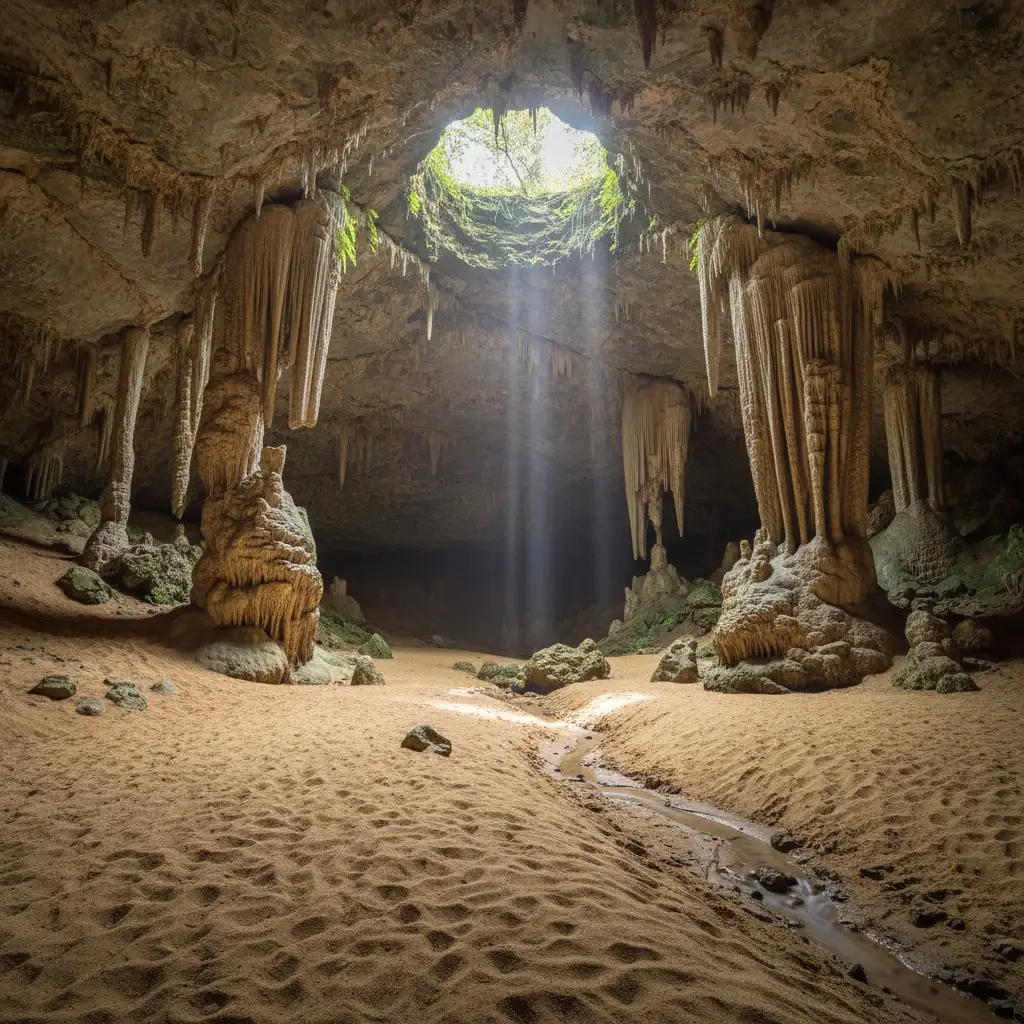
Geologically, the Queen Hortense Cave Isle of Pines is a masterpiece of karst topography. Over millions of years, rainwater filtering through the island’s limestone plateau has carved out this vast subterranean space. The cave is characterized by its wide, flat sandy floor, which makes it incredibly accessible compared to the rugged, uneven terrain of many other Pacific caverns. This flat floor is the result of centuries of sediment being washed in by the stream and settling during periods of heavy tropical rain. The cave feels more like a grand cathedral than a cramped tunnel, with high ceilings that reach up toward the jungle floor above.
The most striking features within the cave are the massive stalactites and stalagmites. These formations, created by the slow drip of mineral-rich water, have taken on fantastic shapes over the millennia. Some resemble frozen waterfalls, while others have merged to form solid pillars that appear to support the weight of the island. One particular area is often referred to as the “Queen’s Bedroom,” where the rock formations create a natural alcove that feels sheltered and private. Natural skylights—holes in the cave ceiling where the limestone has collapsed—allow shafts of light to penetrate the darkness, illuminating the shimmering minerals in the rock and providing a home for small ferns that grow directly on the cave walls. The interplay of light and shadow highlights the intricate textures of the limestone, from smooth, flowstone surfaces to jagged, crystalline outcroppings.
Visitor information and location: How do you get there?
The Queen Hortense Cave Isle of Pines is located in the northern part of the island, near the airport and the main village of Vao. It is easily accessible by car, scooter, or as part of a guided tour. Most visitors to the Isle of Pines stay in the Kanumera or Oro Bay areas, and the drive to the cave takes approximately 15 to 20 minutes. If you are feeling adventurous, renting a bicycle is a popular way to see the island, though the tropical heat and occasional hills require a decent level of fitness. The entrance to the site is marked by a small wooden sign, and there is a modest entry fee (usually around 250 to 500 CFP) which goes toward the maintenance of the path and supporting the local tribe who manages the land.
When planning your visit, it is best to arrive in the morning or early afternoon to take advantage of the best natural light inside the cave. While the main path is easy to navigate, it can become slippery after rain, so sturdy walking shoes or sandals with good grip are recommended. Unlike many caves that require professional caving gear, Queen Hortense Cave is quite safe for families and casual tourists. However, bringing a small torch or using the flashlight on your smartphone can help you see the finer details of the rock formations in the darker corners. There are usually no guides stationed permanently at the cave, so reading up on the history beforehand or hiring a local guide from Vao will greatly enrich your experience.
Why the Queen Hortense Cave is a must-visit for New Zealanders
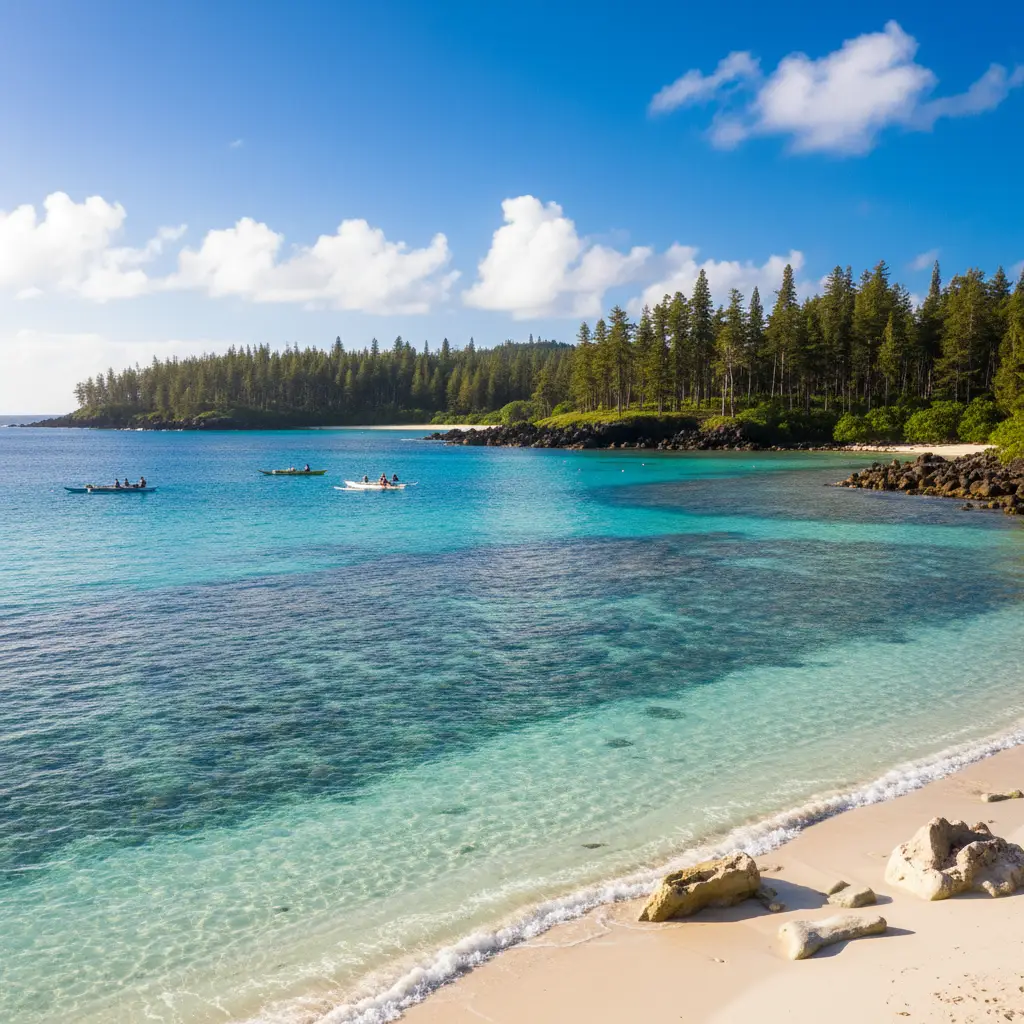
For New Zealand travelers, the Isle of Pines offers a tropical escape that is remarkably close to home. With direct flights from Auckland to Noumea taking less than three hours, and a short domestic hop or ferry ride to the Isle of Pines, this destination is one of the most accessible international getaways for Kiwis. The Queen Hortense Cave Isle of Pines provides a perfect cultural and historical counterpoint to the island’s famous white-sand beaches and turquoise lagoons. While many tourists spend their entire trip at the Natural Aquarium (Piscine Naturelle), those who venture to the cave are rewarded with a deeper understanding of the Kanak heritage that defines New Caledonia.
The island’s landscape, dominated by the iconic Araucaria columnaris (Columnar Pines), feels like a prehistoric version of New Zealand’s own coastal scenery. Visiting the cave allows Kiwis to connect with the shared Polynesian and Melanesian history of the Pacific. The story of Queen Hortense’s diplomacy and her role as a bridge between cultures is a narrative that resonates strongly in a modern New Zealand context. Furthermore, the ease of the walk and the stunning natural beauty make it an ideal activity for all ages, from families with young children to retirees looking for a gentle but rewarding excursion.
Photography tips and cultural etiquette
Capturing the beauty of the Queen Hortense Cave Isle of Pines requires a bit of technical preparation. The high contrast between the bright skylights and the dark interior can be challenging for cameras. If you are using a DSLR or mirrorless camera, a tripod is highly recommended to allow for long exposures that capture the detail in the limestone without the need for a harsh flash, which can flatten the textures of the stalactites. For smartphone users, the “Night Mode” feature is excellent for pulling detail out of the shadows. Be sure to take photos of the lush garden entrance as well, as the vibrant greens provide a stunning contrast to the earthy tones of the cave.
Respect is paramount when visiting the cave. For the local Kunie people, this is a sacred site with significant historical weight. Visitors should stay on the designated paths to avoid damaging the fragile cave floor or disturbing the flora in the surrounding garden. It is also important to remember that the cave is located on tribal land; paying the entry fee with a smile and a “Merci” or “Oléti” (thank you in the local Nengone language) goes a long way. Avoid loud noises inside the cave to preserve the tranquil atmosphere that Queen Hortense herself would have experienced over 150 years ago. By following these simple guidelines, you ensure that this remarkable site remains preserved for future generations of travelers and locals alike.
People Also Ask
Who was Queen Hortense?
Queen Hortense, or Kanedjo, was the daughter of the Great Chief of the Isle of Pines. she was a significant political leader in the mid-19th century known for her intelligence and diplomacy.
How do you get to Queen Hortense Cave?
The cave is located on the Isle of Pines. You can reach it via a short drive or bike ride from the main village of Vao or by joining a guided island tour.
Is there an entry fee for Queen Hortense Cave?
Yes, there is a small entry fee (typically 250-500 CFP) which is paid to the local tribe for the maintenance and protection of the site.
What should I wear to visit the cave?
Comfortable walking shoes or sandals with good grip are recommended, as the path through the tropical garden can be slippery when wet.
Can you swim in Queen Hortense Cave?
While there is a small stream that runs through the cave, it is not deep enough for swimming. The site is visited for its history and geological beauty.
How long does it take to visit the cave?
A typical visit takes about 45 minutes to an hour, including the walk through the garden and time to explore the main cavern chambers.