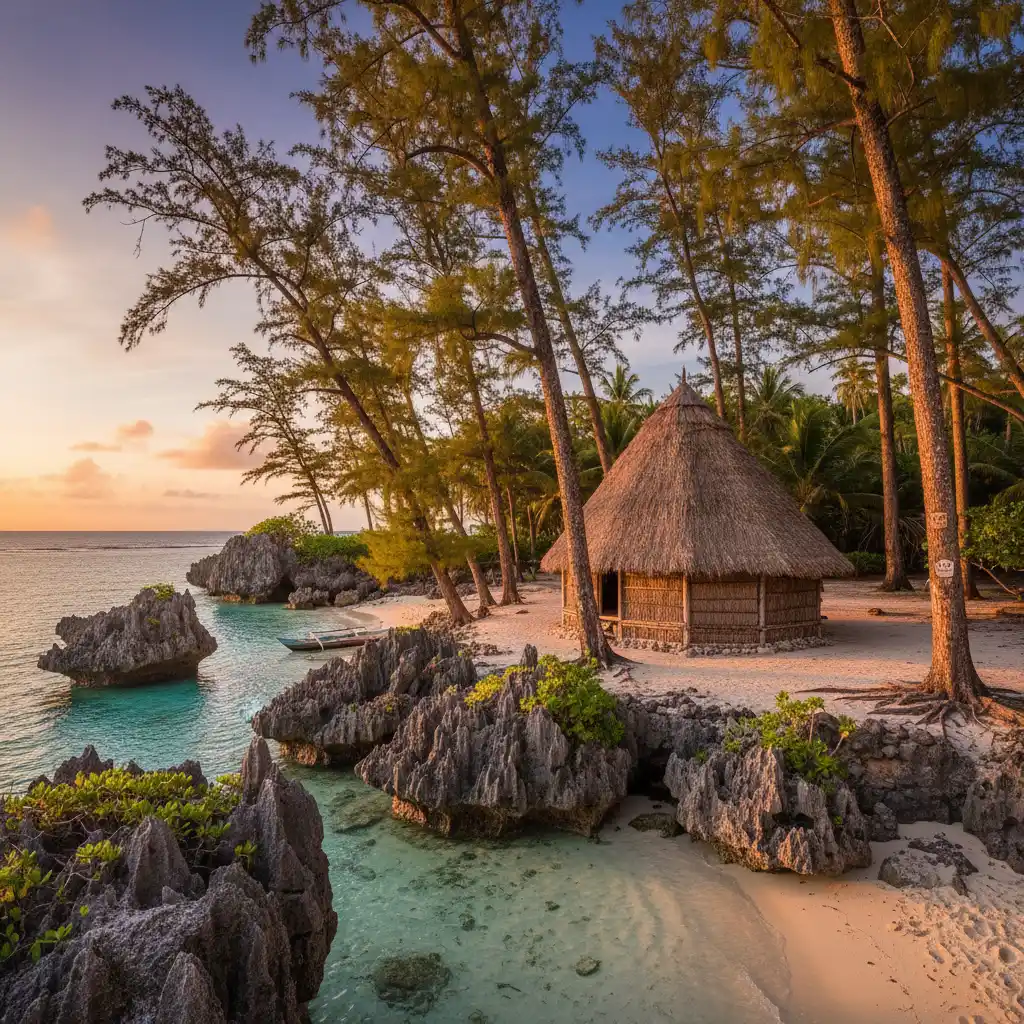
To rent a car in Lifou, New Caledonia, you must book with local agencies like Lifou Loc or Loca V as international brands are generally unavailable. Drivers need a valid license and must drive on the right. Due to limited fleet sizes, booking several months in advance is essential, particularly during New Zealand and French school holidays.
Local Rental Agencies vs International Brands
When planning a trip to Lifou, the largest of the Loyalty Islands in New Caledonia, many New Zealand travelers expect to find familiar names like Hertz, Avis, or Budget. However, the reality on the ground is quite different. In Lifou, the car rental market is dominated entirely by local operators. This local-centric approach means that the booking process is often more personal, but it also requires a different set of expectations compared to renting a car at Auckland Airport.
The primary agencies serving the island include Lifou Loc, Loca V, and Auto Rent Lifou. These businesses are typically family-run or small-scale operations. While they may not have the massive digital infrastructure of global brands, they provide a level of local knowledge that is invaluable. You won’t find a row of kiosks at Wanaham Airport (WNR); instead, your rental agent will often meet you at the arrivals gate with a clipboard and a smile.

One of the main differences you will notice is the fleet. Instead of the latest model SUVs, the inventory in Lifou consists mainly of compact hatchbacks like the Dacia Sandero or Renault Clio, and occasionally some rugged 4WD vehicles. Because these are local businesses, the terms and conditions are straightforward, but they often require a deposit (caution) via credit card. It is highly recommended to communicate in basic French if possible, though most agents dealing with tourists will speak enough English to get the paperwork done.
Driving Conditions in Lifou: What Kiwis Need to Know
For New Zealanders, the most significant adjustment when you rent a car in Lifou is driving on the right-hand side of the road. While the lack of heavy traffic makes this transition easier, it still requires constant vigilance, especially when turning at intersections or exiting a parking lot. The island’s road network is relatively simple, consisting mostly of one main road that circles the island and a few cross-island routes, but the conditions can vary.
The roads in Lifou are generally sealed but can be narrow in places. You should be prepared for “tribal road” etiquette. As you drive through different districts (chefferies), it is customary to drive slowly and respectfully. You will often see locals walking along the shoulder or children playing near the road. A common local habit is the “Lifou Wave”—a friendly hand gesture to passing drivers. As a visitor, reciprocating this gesture is a great way to respect the local culture.
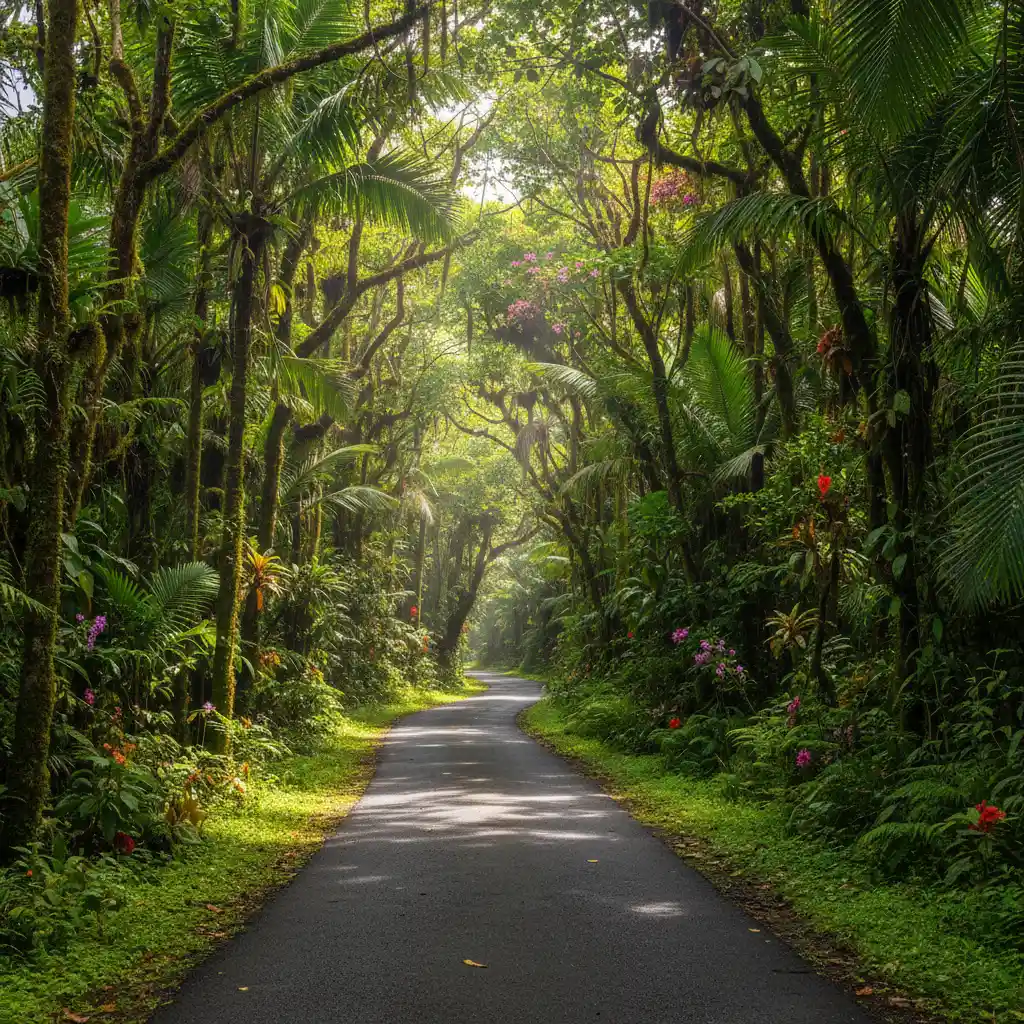
Safety hazards on the road are less about other cars and more about the environment. Stray dogs, wild pigs, and chickens are common sights on the road, particularly in the early morning and at dusk. Additionally, there is very little street lighting outside of the main village of We. If you are driving at night, keep your speed down and stay alert for pedestrians or animals. Speed limits are strictly enforced, usually 50 km/h in villages and 80 km/h on the open road.
Fuel and Navigation
There are very few petrol stations on the island, with the main ones located in the administrative center of We. It is a cardinal rule of Lifou travel: never let your tank drop below half. If you are heading to the northern cliffs of Jokin or the southern beaches of Luengoni, ensure you have plenty of fuel, as there are no service stations in those remote areas. For navigation, Google Maps works reasonably well, but it is wise to download an offline map of New Caledonia before you leave home, as mobile data can be spotty in the limestone caves or dense forests.
Booking in Advance for School Holidays
Lifou is a premier destination for both international tourists and residents of Nouméa. Because the total number of rental cars on the island is limited—some estimates suggest fewer than 100 vehicles are available for rent across all agencies—supply is frequently exhausted. For New Zealanders planning a trip during the July, September, or Christmas school holidays, booking a car should be the very first thing you do after securing your flights.
The “last minute” philosophy does not work here. If you arrive at Wanaham Airport without a reservation during peak season, you will likely find yourself stranded or relying on the very infrequent and unpredictable “le car” (the local bus). Most local agencies do not have real-time booking engines. Instead, you will need to send an email inquiry or use a contact form on their website. Do not be discouraged if it takes 24 to 48 hours to receive a response.
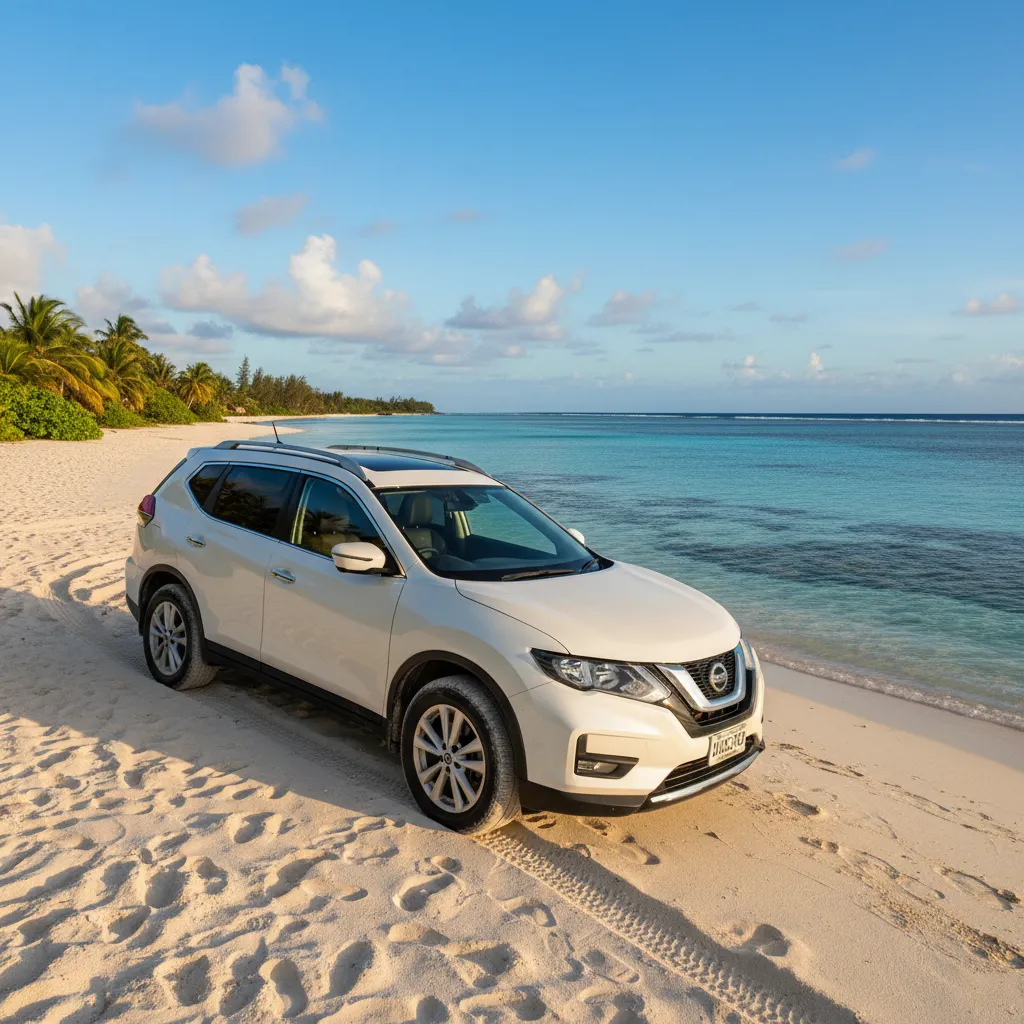
When booking, clarify the pick-up and drop-off locations. Most agencies will deliver the car to the airport or the Easo wharf (if you are arriving via cruise ship or the Betico ferry) for a small fee. Ensure you receive a written confirmation of your booking. Given the high demand, having a printed copy of your reservation can prevent any misunderstandings upon arrival.
Scooter Rentals as an Alternative
If you find that all cars are fully booked, or if you are traveling solo or as a couple on a budget, renting a scooter is a viable alternative. Scooters offer a sense of freedom and are much easier to park at crowded spots like the Jokin Cliffs. However, they come with their own set of challenges that New Zealand travelers should consider.
Firstly, the weather in Lifou can be tropical and unpredictable. Sudden downpours are common, and riding a scooter in a heavy rainstorm is neither safe nor pleasant. Secondly, the distances in Lifou are larger than they appear on a map. The island is roughly the size of Martinique; driving from the Easo wharf in the northwest to the Luengoni caves in the southeast can take over an hour. On a scooter, this journey can be exhausting due to the wind and the vibration of the engine.
To rent a scooter, you generally need a standard driver’s license (Class 1 in NZ), but you must be comfortable with two-wheeled vehicles. Helmets are mandatory and will be provided by the rental shop. While cheaper than cars, scooters still require a deposit and should be inspected thoroughly for any pre-existing damage before you ride away.
Practical Tips for a Smooth Rental Experience
To ensure your experience with a “rent a car Lifou” agency is seamless, keep these practical tips in mind. First, check your credit card’s insurance policy. Many NZ-issued travel insurance policies or gold credit cards provide rental car excess cover, but you must check if they cover “local” or “non-franchised” agencies in New Caledonia. If not, consider purchasing the additional insurance (CDW) offered by the local provider to reduce your liability.
Second, inspect the vehicle thoroughly at the start. Take photos or a video of the car’s exterior and interior, noting any scratches or dents. Since these cars live in a salty, humid environment, minor wear and tear is common, but you want to ensure you aren’t held responsible for old damage. Also, check that the spare tire is inflated and that the jack is present, as help can be a long way away if you get a flat on a remote coastal road.
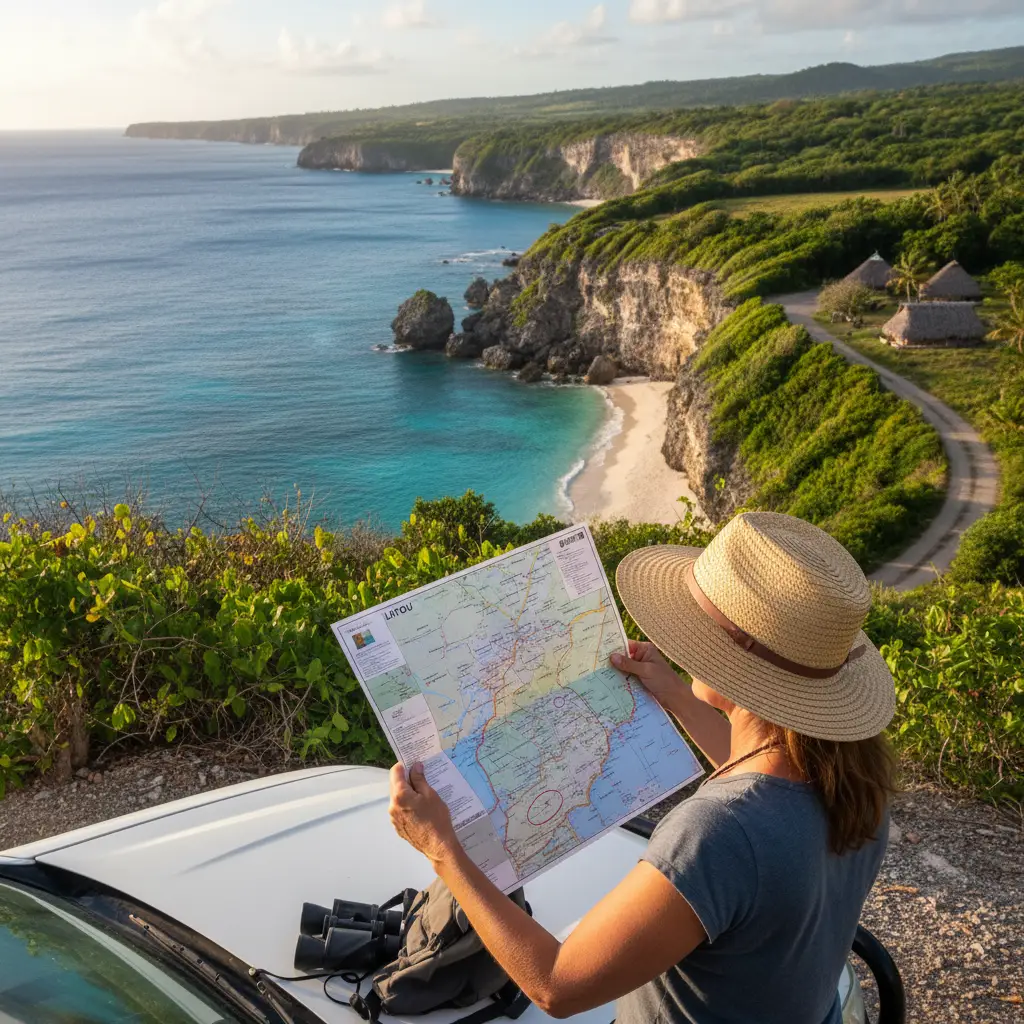
Finally, be mindful of Sunday closures. New Caledonia follows French traditions, and many businesses, including some rental offices and petrol stations, may have limited hours or be closed entirely on Sundays. Plan your fuel stops and car returns accordingly to avoid any last-minute stress before your flight back to Nouméa or Auckland.
Must-Visit Spots Accessible by Car
Having a rental car unlocks the true beauty of Lifou. While cruise ship passengers are often confined to the Easo area, a car allows you to visit the Jokin Cliffs in the far north. Here, the volcanic rock meets the translucent sea in a dramatic display of nature. There is a small parking area, and from there, you can climb down the stairs for some of the best snorkeling on the island.
Another essential drive is to Luengoni Beach. Often cited as one of the most beautiful beaches in the world, its powdery white sand and turquoise waters are a sight to behold. With a car, you can also easily reach the Grotte de la Sixième (the Cave of the Sixth), where local guides can take you into stunning underground freshwater pools. Without your own transport, reaching these disparate locations would require expensive private transfers or long, hot walks.
Lastly, don’t miss the Vanilla Plantation in the Mu district. Lifou is famous for its high-quality vanilla, and visiting a local farm provides insight into the island’s agricultural heritage. The drive through the interior of the island to reach these plantations offers a glimpse into the daily life of the Kanak people, with their beautiful gardens and traditional thatched huts (cases).
Do I need an international driver’s license in Lifou?
No, New Zealanders can typically use their valid English-language driver’s license to rent a car in Lifou for short stays. However, having a French translation or an International Driving Permit (IDP) can sometimes speed up the paperwork with smaller local agencies.
How much does it cost to rent a car in Lifou?
Prices generally range from 6,000 to 9,000 CFP (approximately $80 to $120 NZD) per day for a compact car. This usually includes unlimited kilometers but excludes fuel and insurance excess waivers.
Are there automatic cars for rent in Lifou?
The majority of rental cars in Lifou are manual (stick-shift). Automatic cars are rare and in high demand. If you cannot drive a manual, you must specify this months in advance and expect to pay a premium if one is available.
Can I rent a car at the Lifou airport?
Yes, but there are no permanent rental desks. You must book in advance, and a representative from the agency will meet you at Wanaham Airport (WNR) with the vehicle and paperwork upon your flight’s arrival.
Is it easy to drive in Lifou?
Yes, the traffic is very light and there are no traffic lights. The main challenges are driving on the right side of the road, avoiding livestock, and navigating narrow roads in tribal areas.
What happens if I don’t book a car in advance?
During peak season or school holidays, it is highly likely that no cars will be available for walk-in customers. You may have to rely on expensive private shuttles or the limited local bus service, which can significantly hinder your ability to see the island.