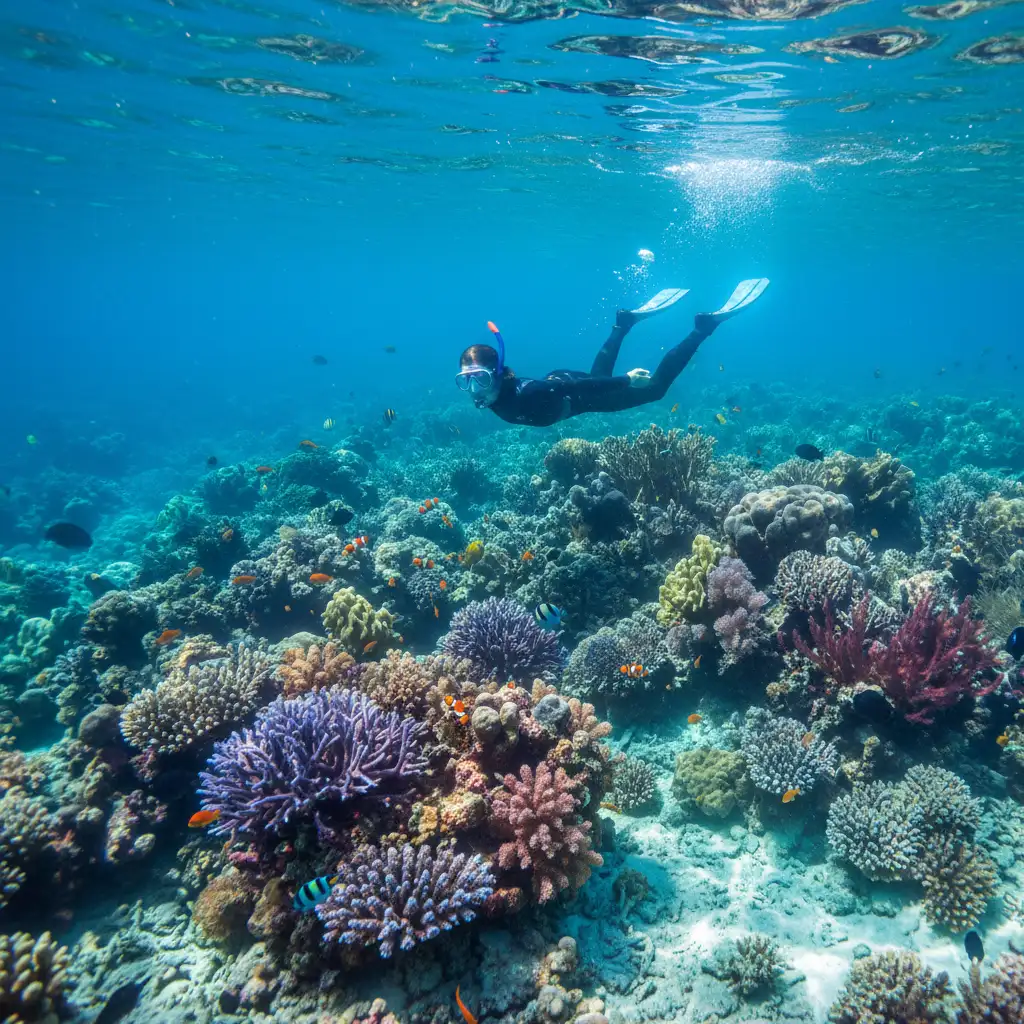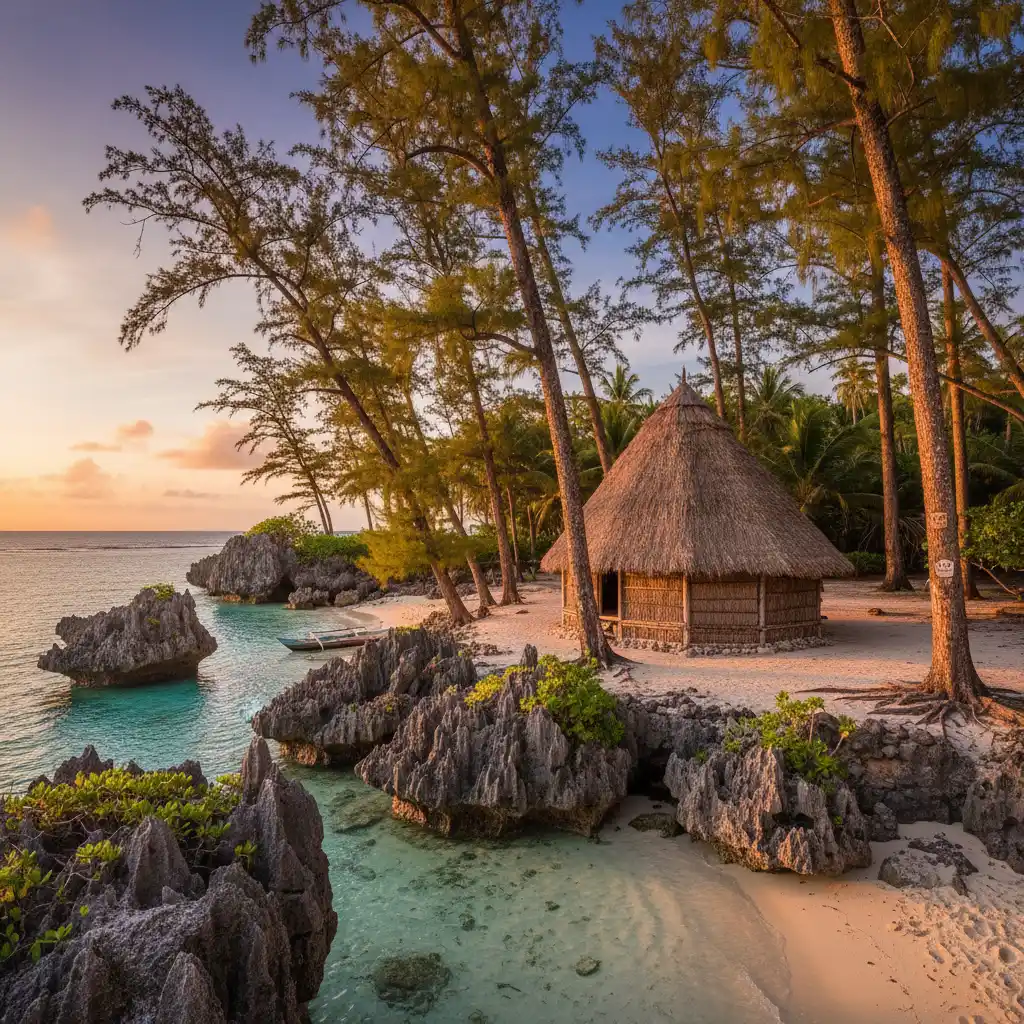
The weather in Lifou, New Caledonia, is characterized by a tropical climate with two distinct seasons. The best time to visit is from September to November, when temperatures range between 20°C and 26°C, offering low humidity and minimal rainfall, perfect for snorkeling, hiking, and exploring the island’s pristine white-sand beaches.
Understanding the Climate in Lifou
Lifou, the largest of the Loyalty Islands in New Caledonia, offers a quintessential South Pacific experience. For New Zealanders looking to escape the unpredictable weather of the Shaky Isles, Lifou provides a reliable tropical sanctuary. The weather in Lifou New Caledonia is dictated by its location in the Coral Sea, resulting in a humid tropical climate that is tempered by southeast trade winds. Unlike the more temperate regions of New Zealand, Lifou remains warm throughout the year, but the intensity of the heat and the frequency of rain vary significantly between the dry and wet seasons.

The island experiences a ‘cool’ dry season from May to October and a ‘hot’ humid season from November to April. However, even in the ‘cool’ season, temperatures rarely dip below 18°C at night, making it a far cry from a Dunedin winter. Understanding these nuances is crucial for planning an itinerary that aligns with your preferred activities, whether that is diving in the crystal-clear waters of Jinek Bay or trekking to the Jokin Cliffs.
Monthly Weather Breakdown: Temperature and Rainfall
When planning your trip from Auckland or Christchurch, it helps to see the data. The following chart outlines the average conditions you can expect on the island throughout the year. Note that while Lifou is generally slightly warmer than Noumea, the lack of high mountains means it doesn’t trap as much rain as the main island (Grande Terre).
| Month | Avg High (°C) | Avg Low (°C) | Rainfall (mm) | Sea Temp (°C) |
|---|---|---|---|---|
| January | 30 | 23 | 180 | 27 |
| February | 30 | 23 | 210 | 28 |
| March | 29 | 23 | 240 | 27 |
| April | 28 | 21 | 160 | 26 |
| May | 26 | 19 | 120 | 25 |
| June | 25 | 18 | 100 | 24 |
| July | 24 | 17 | 85 | 23 |
| August | 24 | 17 | 75 | 23 |
| September | 25 | 18 | 60 | 23 |
| October | 27 | 19 | 70 | 24 |
| November | 28 | 21 | 90 | 25 |
| December | 29 | 22 | 120 | 26 |
As the table suggests, the months of September and October are the driest, making them the gold standard for travelers who want to avoid the rain. Conversely, February and March are the wettest, often seeing short, sharp tropical downpours that clear up as quickly as they arrive.
Cyclone Season Awareness (January–March)
What is the risk of cyclones in Lifou? The South Pacific cyclone season officially runs from November to April, but the peak risk for Lifou occurs between January and March. During this window, the island can experience high winds and heavy rainfall if a tropical depression moves through the region. While modern forecasting is excellent and provides plenty of warning, New Zealand travelers should be aware that flight disruptions can occur. If you choose to visit during this time, it is essential to have comprehensive travel insurance that covers weather-related cancellations.

Despite the risk, the humid season has its charms. The island is at its most lush and green, the fruit is abundant, and the sea temperatures are at their absolute warmest. For those who don’t mind the humidity, the ‘low season’ can also mean fewer tourists and better deals on accommodation at the local gîtes and resorts.
Best Months for Swimming vs. Hiking
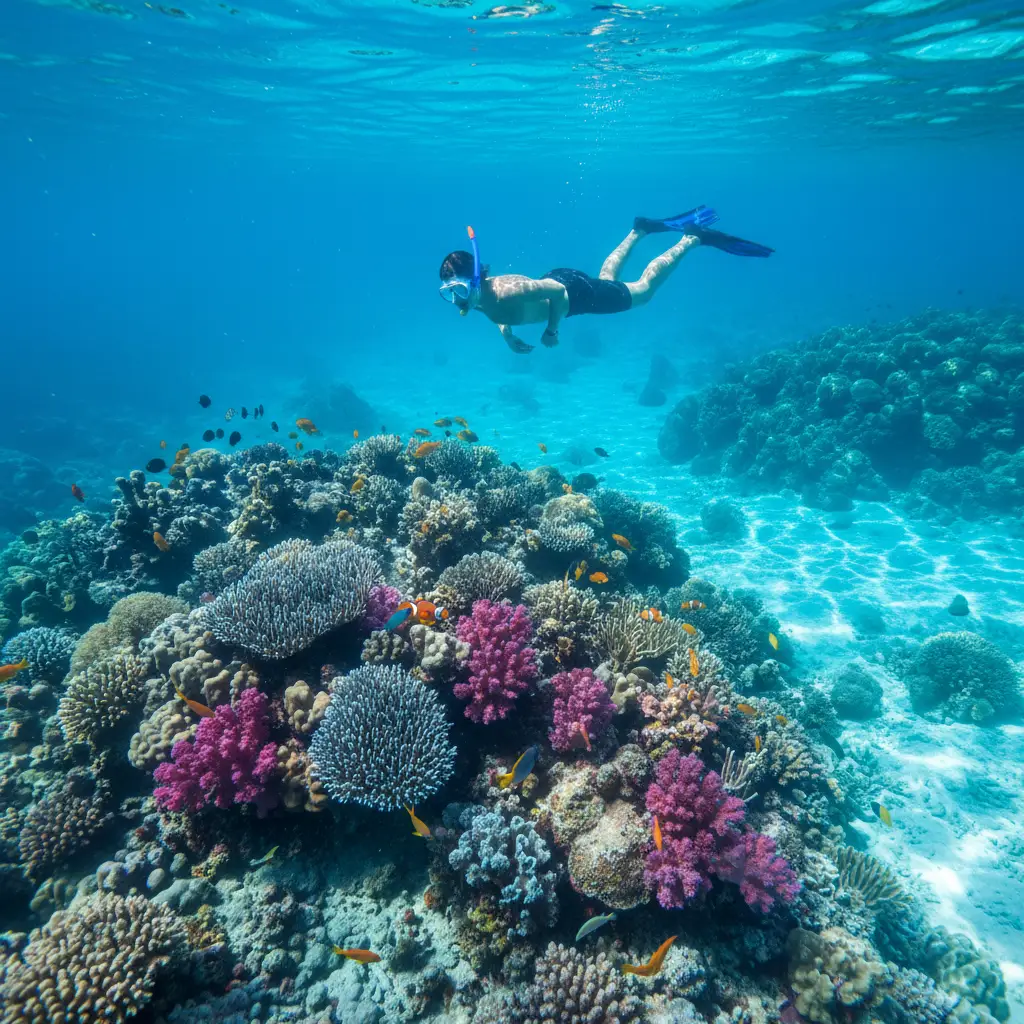
How do you choose between the water and the land? Depending on your interests, the “best” time to visit may change. For those focused on the ocean, the water temperature in Lifou is delightful year-round. However, for the best clarity and warmth, the shoulder months of April/May and October/November are ideal. During these times, the sea is calm, and the visibility in spots like the Jinek Bay Marine Reserve is world-class, often exceeding 30 meters.
If your goal is hiking the limestone trails or visiting the vanilla plantations, the cooler months of June through August are preferable. Hiking in 30°C heat with 80% humidity can be taxing. The winter months offer crisp, clear days with temperatures around 24°C, which is perfect for walking the path to the Notre Dame des Lourdes chapel or exploring the deep caves of the island without overheating.
The Ultimate Packing List for Lifou
Packing for Lifou requires a balance between tropical practicality and respect for local Kanak customs. Here is a breakdown of what every New Zealander should have in their suitcase:
- Reef-Safe Sunscreen: The sun in the Loyalty Islands is incredibly strong, much like a peak summer day in Central Otago but with more direct overhead rays. Protect the coral by choosing biodegradable options.
- Lightweight Linen and Cotton: Synthetic fabrics can feel suffocating in the humidity. Stick to natural fibers that breathe.
- Modest Clothing: When visiting local tribes or villages, it is respectful to cover your shoulders and thighs. A light sarong (manou) is a versatile item for both the beach and village visits.
- Sturdy Reef Shoes: Lifou is a raised coral atoll. The rocks can be sharp, and reef shoes are essential for getting in and out of the water safely.
- Insect Repellent: Tropical mosquitoes are active, especially at dusk. Bring a high-DEET repellent to stay comfortable.
- Light Rain Jacket: Even in the dry season, a brief afternoon shower is possible. A packable, breathable raincoat is a must.
- Power Adapters: New Caledonia uses the European-style Type C and E plugs (two round pins). Don’t forget your adapter!
Travel Tips for New Zealanders
For Kiwis, Lifou is surprisingly accessible. Flights from Auckland to Noumea are only about 2.5 to 3 hours, followed by a short 40-minute domestic hop on Air Calédonie to Wé, the main hub of Lifou. Because the weather is consistently warmer than New Zealand, it serves as the perfect mid-winter break. However, remember that Sunday is a day of rest on the island; many shops and services close, and the pace of life slows down significantly. Embrace ‘island time’ and plan your activities around the natural rhythm of the sun and sea.
Frequently Asked Questions
When is the rainy season in Lifou?
The rainy season in Lifou typically runs from late December through April, with the heaviest rainfall usually occurring in February and March. During this time, you can expect high humidity and frequent, heavy tropical showers.
Can you swim in Lifou during winter?
Yes! Sea temperatures in Lifou rarely drop below 23°C, even in the middle of winter (July and August). While it might feel slightly fresh compared to the summer peak, it is still significantly warmer than any beach in New Zealand during the same period.
Is Lifou safe during cyclone season?
Lifou is well-prepared for tropical cyclones, and buildings are constructed to withstand high winds. However, travel can be disrupted. It is safe to visit, provided you monitor local weather reports and have flexible travel plans.
What is the warmest month in Lifou?
February is generally the warmest month in Lifou, with average daytime highs reaching 30°C and high humidity making it feel even hotter. This is also the time when the ocean is at its warmest.
How does Lifou weather compare to Noumea?
Lifou tends to be slightly more humid and a degree or two warmer than Noumea. Because it is a flat coral atoll, it doesn’t experience the same orographic rainfall as the mountainous regions of the mainland, often resulting in clearer skies.
What should I wear in Lifou?
Casual, lightweight clothing is best. For the beach, standard swimwear is fine, but when entering villages or public areas, it is important to dress modestly by covering your shoulders and knees to respect local Kanak culture.