Discovering the Vibrant World of Art Galleries in Nouméa: A Traveler’s Guide
Art galleries in Nouméa showcase a dynamic fusion of Melanesian heritage, contemporary Oceanic art, and French colonial influences, offering visitors a rich cultural immersion into New Caledonia’s unique identity. Exploring these spaces reveals authentic Kanak carvings alongside modern works, providing perfect souvenirs and insights into the local creative spirit.
Welcome to Nouméa, the heart of New Caledonia, where turquoise lagoons meet a thriving artistic scene. For travelers journeying from New Zealand or elsewhere, understanding the local art landscape is key to unlocking the true cultural depth of this French Pacific paradise. This guide focuses specifically on navigating the best art galleries Nouméa has to offer, from established institutions to hidden local craft hubs.
Pacific Art Galleries in the Latin Quarter: Cultural Hubs
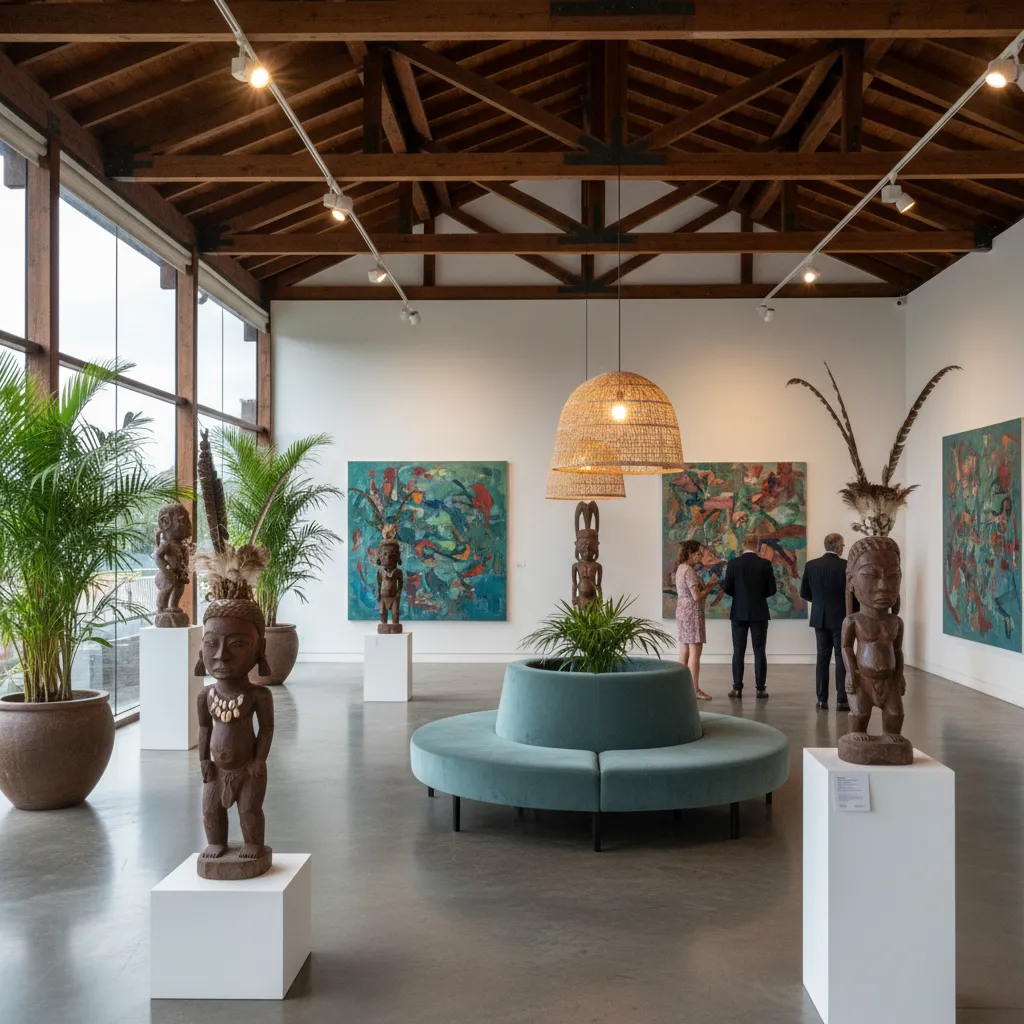
The area often referred to informally as the ‘Latin Quarter’ of Nouméa, centered around the historic downtown and key cultural landmarks, serves as the primary magnet for art enthusiasts. This district hosts the most established and internationally recognized galleries, often blending historical Pacific art collections with cutting-edge contemporary exhibitions.
When searching for art galleries Nouméa, you will invariably find several excellent options clustered here. These spaces often act as cultural bridges, presenting Melanesian art—particularly from the Kanak people—to a broader audience while also fostering emerging local painters and sculptors influenced by global trends.
The Historical Context of Nouméa’s Art Scene
Nouméa’s artistic narrative is deeply intertwined with its colonial past and its indigenous roots. Early collections focused heavily on ethnographic documentation of Kanak life. Today, however, contemporary galleries are actively challenging and expanding this narrative. They feature artists who use traditional forms (like wood carving or pandanus weaving) to comment on modern socio-political issues, environmental concerns, and the complexities of Kanak identity in the 21st century.
One notable institution, often located near the heart of this area, is the Tjibaou Cultural Centre (though technically outside the immediate Latin Quarter, it is essential viewing). While not a commercial gallery, its permanent collection and rotating exhibitions set the standard for serious engagement with Kanak artistry and architecture, designed by Renzo Piano. For commercial art, look for smaller, independent galleries that prioritize local exhibitors.
Authentic Kanak Carvings: Identifying True Craftsmanship
For many visitors, particularly those coming from New Zealand and seeking tangible connections to the Pacific, purchasing an authentic Kanak carving is a paramount goal. These carvings are not mere decorations; they are imbued with spiritual significance, history, and tribal identity. Distinguishing authentic, high-quality pieces from mass-produced tourist trinkets requires an educated eye.
Understanding Traditional Materials and Symbolism
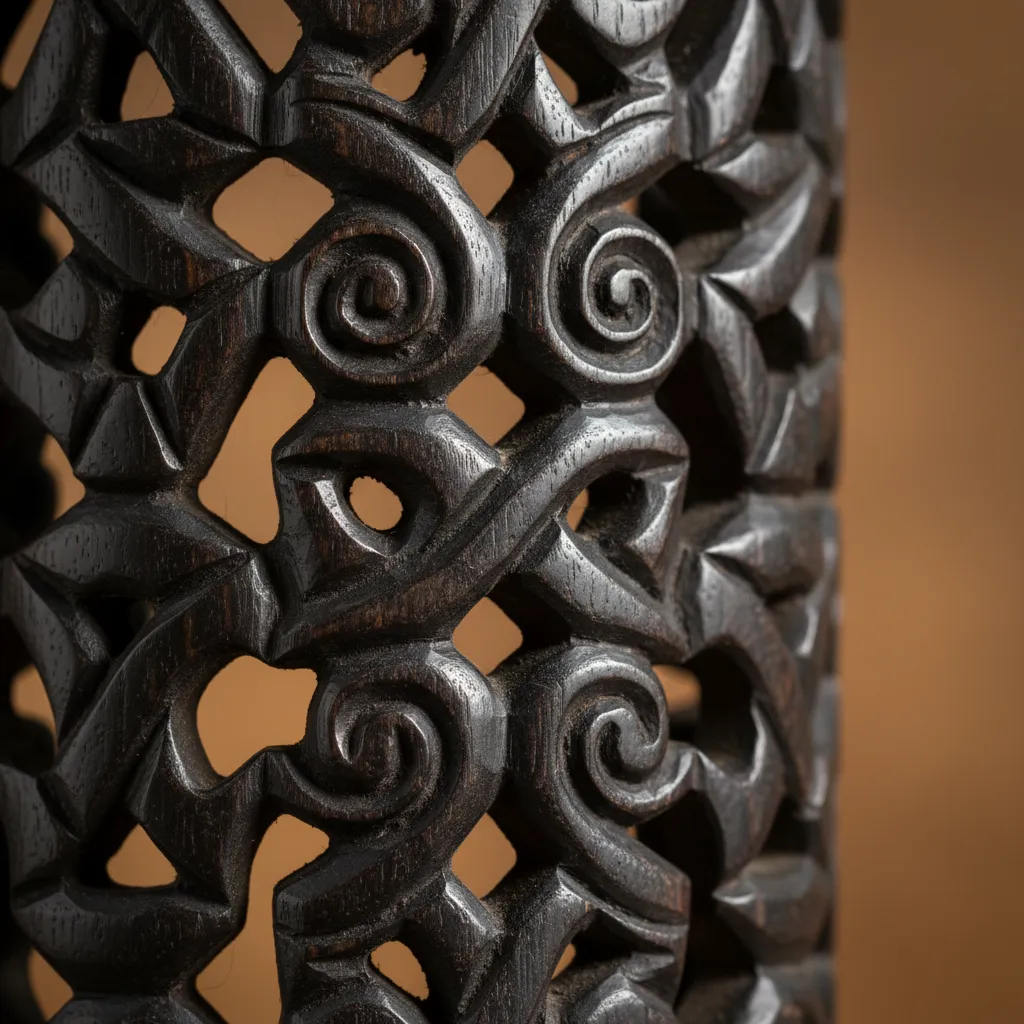
Authentic Kanak art heavily relies on natural, locally sourced materials. Key materials include specific types of hardwood, bone, shell, and natural pigments. Look for carvings made from local woods like niaouli or ironwood, which possess distinct grains and density. The quality of the finish—often achieved through natural oils or polishing—is a strong indicator of time and skill invested.
Symbolism is everything. Traditional sculptures often represent ancestors (ati), totems, or figures from tribal mythology. For example, the iconic Kanak spearhead motifs, or the stylized human figures found on meeting house posts (flèche faîtière), carry specific meanings tied to the tribe of origin. Reputable galleries will provide provenance documentation detailing the artist, tribe, and the meaning behind the piece.
- Good Sign: Deep, rich patina developed over time or through careful oiling.
- Warning Sign: Overly bright, synthetic-looking stains or uniform, machine-cut symmetry.
Tips for Purchasing Authentic Pieces
When engaging with art galleries Nouméa specializing in indigenous art, always ask direct questions:
- Who is the artist? Can I see examples of their other work?
- What type of wood is this, and where was it sourced?
- Is this piece intended for ceremonial use or contemporary display? (This helps gauge its cultural weight.)
If you are buying directly from an artisan outside the main city center, ensure you receive a receipt that clearly states the item is handmade local craft, as this is crucial for potential export procedures later.
Navigating Export Permits for Wood Items and Crafts
A critical consideration for international travelers, especially those flying back to New Zealand, is the legality of exporting wooden handicrafts. While small, modern souvenir items are usually straightforward, items made from protected woods or containing organic materials require careful documentation.
CITES Regulations and Protected Species
The primary concern for exporting natural materials is compliance with CITES (Convention on International Trade in Endangered Species of Wild Fauna and Flora). While New Caledonia is not subject to the same strict CITES regulations as some Southeast Asian nations, certain native woods or shells used in art might fall under protection.
If a piece of art is very old, or if the gallery owner cannot guarantee the wood source is from sustainable, non-protected local timber, you must proceed with caution. Reputable galleries dealing in high-value Kanak art are usually well-versed in CITES and can provide necessary paperwork confirming the item is legally exportable.
New Caledonian Export Procedures
For general crafts and artwork purchased from licensed commercial art galleries Nouméa, the process is usually simple: keep your detailed receipt and purchase invoice. This invoice acts as proof of legal acquisition within the territory.
If you purchase something substantial—a large carving, or an item suspected to contain bone or specific protected shells—you should contact the relevant New Caledonian customs or cultural affairs office *before* leaving. They can confirm if a specific export certificate (Attestation de Sortie) is required. Never attempt to carry unidentified organic materials through customs without documentation, as confiscation is likely.
For New Zealand travelers, upon arrival, you must declare all agricultural or wood products to the New Zealand Ministry for Primary Industries (MPI) biosecurity officers. Honesty and documentation are your best defense against delays or penalties.

Supporting Local Artists and Artisan Communities
While established galleries offer curation and quality assurance, truly enriching your travel experience involves seeking out the artists themselves and supporting the broader local creative economy. This is where you find the most contemporary, vibrant, and affordable pieces.
Beyond the Galleries: Local Markets and Fairs
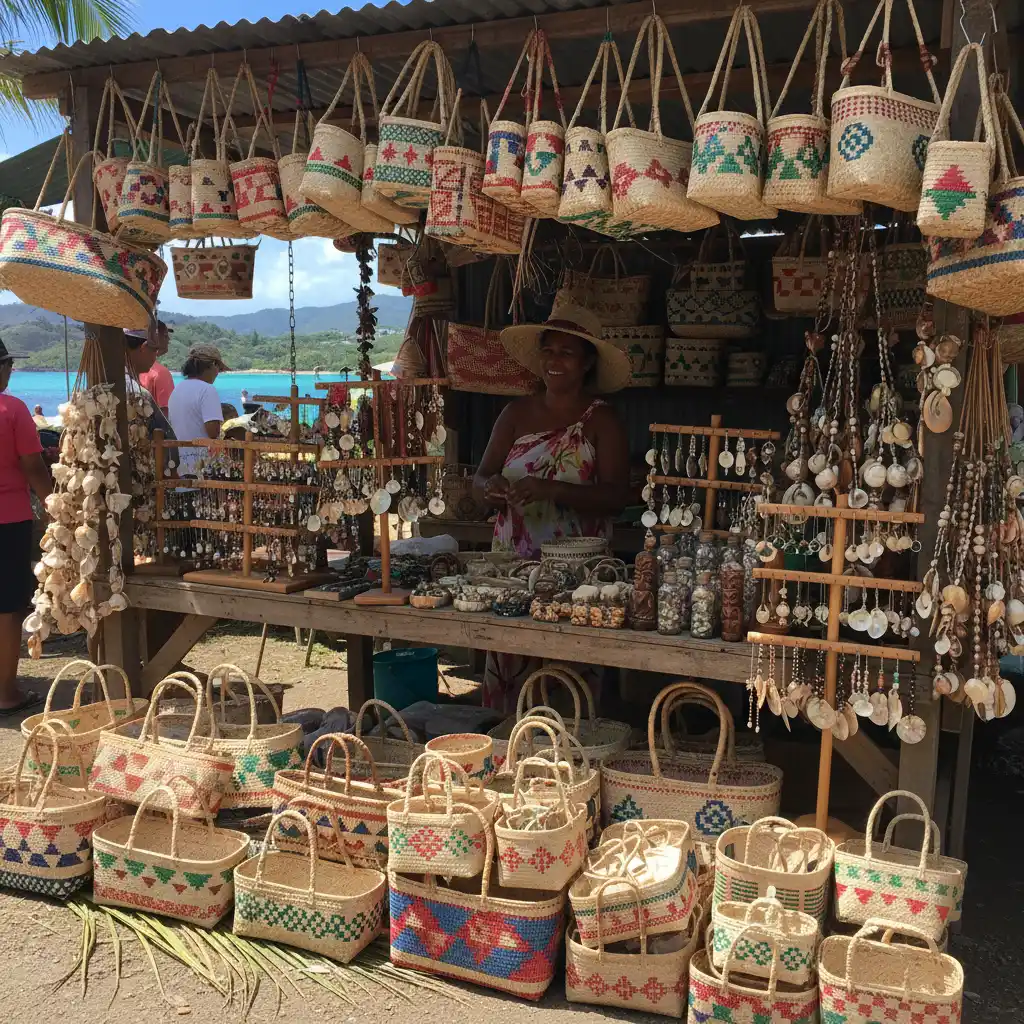
The most direct way to support local artisans is by visiting the regular markets. The Port Moselle Market, while known for produce, often features stalls dedicated to local crafts, including jewelry made from shells, woven baskets (tapa cloth), and smaller wooden carvings. These interactions allow for direct negotiation and connection with the craftsperson.
Look out for special craft fairs or cultural festivals. These events, often advertised locally or via tourist information centers, bring together artisans from the Loyalty Islands and the main island who might not have permanent gallery representation in the city center. These are excellent places to find authentic, contemporary interpretations of Kanak motifs.
Engaging with Artists Directly
Some established artists or collectives offer studio visits or small workshops. Inquiring at the larger art galleries Nouméa about artist studio locations can sometimes yield surprising results. Participating in a workshop—perhaps learning basic weaving techniques or paint application—provides an unparalleled appreciation for the skill involved in creating the art you admire.
When you buy directly from an artist, 100% of the profit supports their livelihood and artistic development, rather than being split with gallery overheads. Always respect the artist’s time and space, and be mindful of cultural etiquette when photographing individuals or their workspaces.
Nouméa’s art scene is a living testament to the resilience and creativity of the Kanak people, beautifully tempered by French cultural refinement. Whether you are seeking museum-quality acquisitions in downtown galleries or authentic, handcrafted memories at a local market, taking the time to explore the visual arts here transforms a simple vacation into a profound cultural journey.
People Also Ask (PAA)
Where is the best place to see traditional Kanak art in Nouméa?
The best place to see world-class, curated traditional and contemporary Kanak art is the Tjibaou Cultural Centre (Centre Culturel Tjibaou). While not a commercial gallery, it offers deep context and high-quality exhibits. For purchasing, seek specialized galleries in the city center or artisan stalls at the Port Moselle Market.
Are there any restrictions on bringing wooden souvenirs back to New Zealand?
Yes, there can be restrictions on wooden items due to biosecurity concerns (MPI regulations). You must declare all wood products upon arrival in New Zealand. If the wood is untreated, very old, or from a protected species, it may be subject to inspection or confiscation. Always keep your official gallery receipt as proof of legal purchase.
How can I tell if a Kanak carving is authentic versus a tourist reproduction?
Authenticity is often indicated by the material quality, the depth and complexity of the carving, and the presence of natural patina. Authentic pieces often use specific local hardwoods and may have slight irregularities that indicate hand-tooling rather than machine production. Reputable galleries will provide provenance documentation linking the piece to a known artist or tribe.
Which area of Nouméa has the highest concentration of commercial art galleries?
The highest concentration of commercial art galleries, particularly those featuring contemporary Oceanic art and established local painters, is generally found in the central downtown area, often loosely referred to as the Latin Quarter, near the main administrative buildings and waterfront.
Do art galleries in Nouméa ship internationally?
Many of the larger, more established art galleries in Nouméa offer international shipping services, especially for high-value pieces. However, the client is typically responsible for all crating, insurance, and associated export/import duties.
What kind of local crafts other than wood carvings are popular in Nouméa?
Beyond wood carvings, popular local crafts include intricate weaving using pandanus leaves (for baskets, mats, and hats), jewelry made from mother-of-pearl and shells, traditional Kanak pottery, and contemporary paintings that often utilize vibrant colors reflecting the tropical environment.